REVIEW · LAKE COMO
Cesarine: Small group Pasta-Making class in Como
Book on Viator →Operated by Cesarine: Cooking Class · Bookable on Viator
Fresh pasta lesson in Como, no guesswork.
I like that it’s a small-group class (max 10), so you get real attention, and I love the idea of learning three pasta dishes in about three hours without having to shop first. You also get the full meal setup: taste what you make plus water, wine, and coffee. One thing to keep in mind: like most home-style workshops, the space and how hands-on it feels can vary, so it’s worth going in expecting a cozy setup rather than a big professional kitchen.
This is run in English, starting and ending at 22100 Como (near public transportation), and it’s designed around recipes from the region. In the class experiences people described, hosts like Anna, Deborah, Carolina and Simona, Monica, and Morena are often praised for patient teaching and clear pacing. Still, one less-favorable experience noted a smaller room and more watching than doing, so I’d set your expectations accordingly and focus on what you can control: ask questions, take your time, and don’t worry if your first fold isn’t museum-perfect.
In This Review
- Key things to know before you go
- Lake Como home setting, meeting spot, and how the 3 hours flows
- Why this Cesarine pasta class feels personal (even with other food lovers)
- Making fresh pasta: what you’re actually learning (and how it helps later)
- The included meal: tasting, wine, coffee, and why it’s more than a bonus
- Price and value: what you get for $214.84 in Como
- When a cozy home kitchen is a plus—and when it’s a letdown
- Who should book this pasta workshop in Como
- Should you book Cesarine in Como?
- FAQ
- What is the meeting point for the Como pasta class?
- How long does the pasta-making class last?
- How many people are in the group?
- Is the class offered in English?
- Do I need to bring ingredients or cooking tools?
- What pasta dishes can I expect to make?
- What food and drinks are included?
- Is this experience a mobile ticket?
- Can I get a full refund if I cancel?
Key things to know before you go
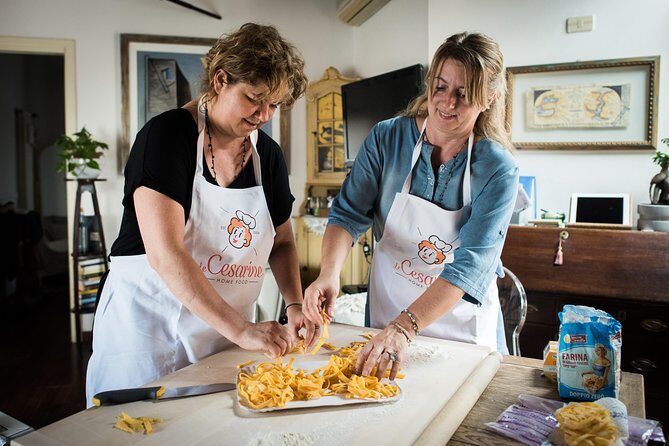
- Max 10 people in the group: You’re not stuck watching from the back row.
- You make three dishes: expect ravioli, risotto, gnocchi, mondeghili, or tagliatelle-style results depending on the menu.
- Ingredients provided, and you won’t need to bring anything: that lowers friction, especially if you’re traveling light.
- Home-kitchen style, not a restaurant lab: the setup can be warm and casual rather than high-tech.
- Included meal plus drinks: pasta tasting, water, wine, and coffee are part of the experience, not an add-on.
Lake Como home setting, meeting spot, and how the 3 hours flows
This class takes place in Como, right in the 22100 area, and you’ll return to the same meeting point at the end. Because it’s near public transportation, you can usually plan your day without stressing over parking or late taxis.
The overall timing is about three hours. In practical terms, that’s a sweet spot: long enough to learn technique and actually eat, but not so long that you feel like you missed half your day on Lake Como. The day tends to work like this: you arrive, get welcomed and oriented, then you move into hands-on dough and shaping work, and finally you eat the pasta you made with the drinks included. If you’re choosing your Como activities, this one fits well between sightseeing blocks—think Como center wandering earlier, this class in the mid-day or evening slot, then a relaxed dinner after.
What makes the home-kitchen format work is pace. In the best versions of this experience, the teacher slows down for the steps that matter—mixing, kneading, rolling, shaping, and cooking—then you taste soon after instead of waiting for a long service timeline. Based on what people emphasized, that “learn the why” approach is a big part of the satisfaction, and it’s the difference between memorizing shapes and understanding what changes when your dough is too dry or your boil is too gentle.
You can also read our reviews of more tours and experiences in Lake Como

Why this Cesarine pasta class feels personal (even with other food lovers)
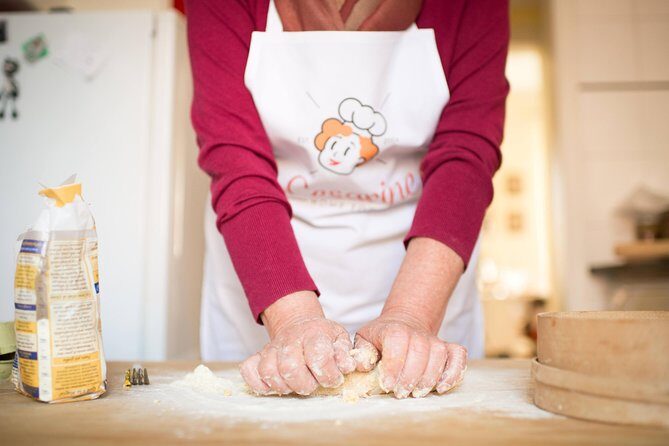
The biggest value lever here is the group size: no more than 10 travelers. That number matters more than you’d think. In a larger group, you often get a quick demo and then you’re left alone with a rolling pin. In a small group, the teacher can check your dough consistency, correct your technique, and answer follow-up questions without you feeling rushed.
English instruction also helps. Not just for comfort, but because food technique is full of small cues—how the dough feels, how the sauce should cling, what to watch for in boiling water and timing. When the teaching is clear, you can take the skill home without translating everything in your head.
People also mentioned a friendly, welcoming tone from hosts such as Anna, Deborah, and Monica. That kind of warmth matters in a cooking class because pasta making is hands-on and a little messy. You’ll want to feel comfortable enough to ask, redo, and laugh when the first attempt isn’t perfect.
Making fresh pasta: what you’re actually learning (and how it helps later)
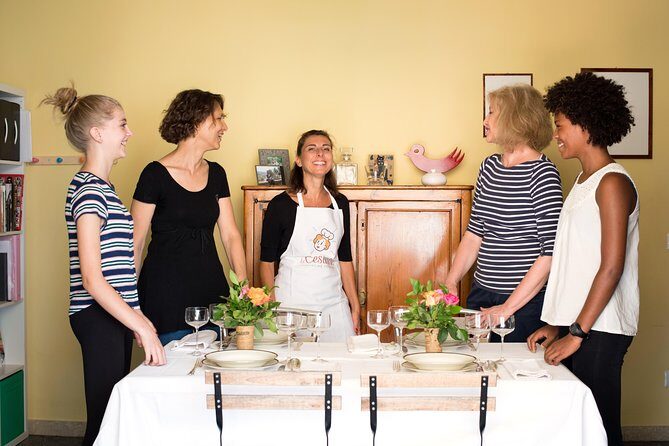
The class centers on fresh pasta and teaches you to make it with ingredients provided. One specific teaching detail that came up in people’s experiences: you learn how to make fresh pasta dough without eggs. That’s a useful take-home skill, because it broadens your options when you’re cooking back home and you don’t want to buy specialty egg-based ingredients.
Across the menu options, you’ll likely practice a few core techniques:
- building and kneading dough so it rolls without tearing
- shaping pasta by hand into one or more classic forms
- cooking it properly so it tastes like pasta, not like boiled dough
The course is built around making three dishes. Based on the sample menu, your three pasta results can include combinations like ravioli, risotto, gnocchi, mondeghili, or tagliatelle. You might get one dish that’s dough-forward and shaping-focused (like ravioli or tagliatelle), one that leans into sauce and timing (like risotto), and one that tests your handling (gnocchi-style or mondeghili-style preparations).
Even if your final plating isn’t picture-perfect, the lesson is what counts: you learn the workflow and the logic behind it. People praised hosts for explaining not just what to do, but why it works—how small changes affect texture and how the right consistency makes the sauce taste balanced. That’s the difference between a fun lunch and a skill you can repeat.
The included meal: tasting, wine, coffee, and why it’s more than a bonus
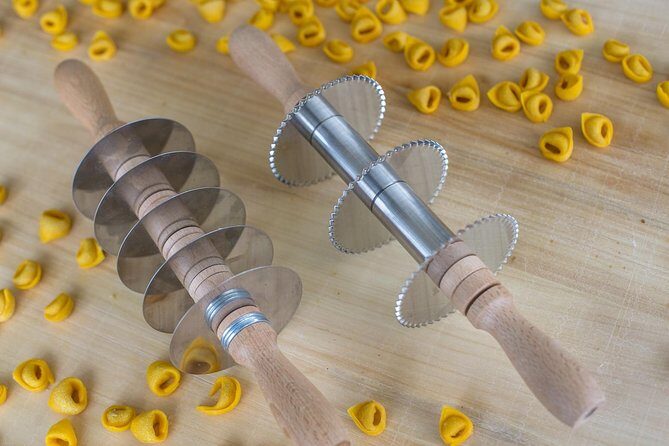
This class is built around eating what you make. You’ll have pasta tasting as part of the experience, plus water, wine, and coffee. In other words, you’re not attending a “show” and leaving hungry—you’re cooking, then eating right after.
That matters in Italy because pasta is not just technique; it’s also timing. When you taste what you cook soon after finishing it, you quickly connect the dots: you feel the right texture, you notice if the dough cooked through, and you can tell if seasoning and sauce balance work the way you learned it should.
The wine and coffee inclusion also changes the vibe. Cooking classes can feel tense if you’re trying to meet a strict schedule. With wine and coffee part of the rhythm, you tend to get a calmer pace and more conversation—especially when the host is patient and willing to sit with you while you work through steps. People described the hosts as sharing their homes and their routines, like a family-style meal where you’re learning in the middle of it.
One small note: one less-favorable experience mentioned aperitifs that were already ready when they arrived. That’s not automatically a bad sign, but it can affect how “taught” the first minutes feel. If you’re the type who likes a full welcome-to-dough moment, you might arrive ready to settle in and get started right away rather than expecting a long formal briefing.
Price and value: what you get for $214.84 in Como
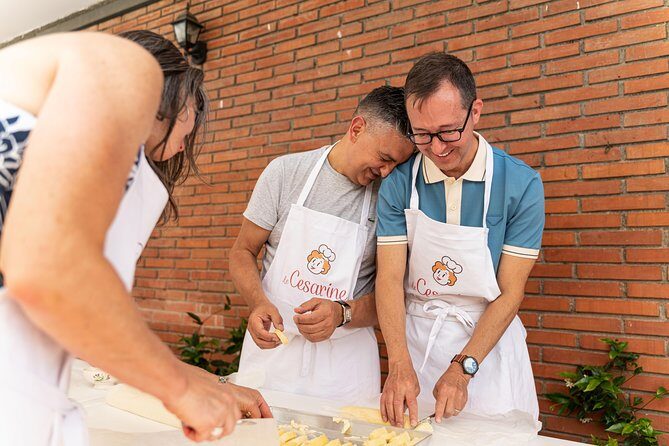
At $214.84 per person, this isn’t a budget snack class. So I judge it by what’s included and how much you personally get out of it.
Here’s the value math in plain language:
- You make three pasta dishes (not just one).
- Ingredients are provided, which saves time and shopping hassle.
- The meal includes water, wine, and coffee—so you’re not paying separately for drinks and food.
- It’s a small group with teaching in English.
- You’re in a local home setting rather than a big commercial kitchen.
If the experience matches the best versions people described—patient instruction, hands-on time, and a beautiful home setup—then the price can feel fair for a Como highlight. Some hosts and setups were specifically described as beautiful homes with great arrangements and a relaxing atmosphere, and that kind of “you feel taken care of” factor is real value, especially when you’re traveling.
The flip side is that one person felt the class didn’t match what they expected for the price, pointing to a small room setup and limited hands-on participation. That’s a reminder that value depends on execution and fit. If you want maximum hands-on action, go in ready to actively participate and ask to try each step. Small groups can work either way: they can be wonderfully interactive, or they can become a “watch and assist” style if the kitchen setup is tight.
My practical tip: book this when you’re hungry for the skill itself, not when you’re just after a guaranteed Instagram-perfect kitchen scene.


When a cozy home kitchen is a plus—and when it’s a letdown
Let’s talk reality. Home cooking spaces in Como are often compact. That can be charming, or it can feel cramped depending on your expectations.
The most glowing descriptions highlighted a welcoming home, a great team, and a setup where people felt comfortable learning and then eating together. Hosts like Carolina and Simona were praised for teaching well in a relaxed atmosphere. Deborah was described as patient and informative, and Monica as kind with excellent skills. Even the “relationship” part came through: people felt they were invited into someone’s routine rather than booked into a production line.
But one negative experience flagged specific concerns:
- the room described as small and warm, with limited facilities
- more pre-prep than expected
- sometimes a shared space where participants felt in the way
- dish choice tied to season and ingredient readiness
That doesn’t mean your class will be like that. It does mean you should calibrate your mindset. Think: you’re visiting a home kitchen, not entering a cooking school with multiple stations. If you’re comfortable with that, the experience usually lands well.
Also, if you’re sensitive to communication (for example, you rely heavily on visual cues), keep in mind that one feedback mentioned a face mask making it harder to understand. You can’t control that, but you can compensate by asking to confirm steps and repeating questions during the session.
Who should book this pasta workshop in Como
This experience is a strong fit if you:
- want an authentic Como food day without complicated logistics
- enjoy hands-on cooking and learning technique you can repeat
- like small group settings where the teacher notices your dough and your pace
- want lunch-plus-drinks energy with a local host
It may be less ideal if you:
- hate being in a compact workspace
- expect a professional, spacious kitchen with lots of stations
- only want the highest possible hands-on time and can’t tolerate any “watch and then try” moments
One more practical note: this class is often booked about 23 days in advance on average. If you’re traveling in peak weeks, I’d treat that as a sign to lock it in earlier rather than hoping to find space last minute.
Should you book Cesarine in Como?
If you want a Como experience where you learn a real pasta skill and then eat it with wine and coffee, I think it’s a smart choice. The combination of small group size, fresh pasta technique (including egg-free dough), and the promise of making three dishes tends to make this feel like more than just a meal.
Book it especially if you’re the kind of traveler who likes to come home with something you can repeat. And if you’re picky about value, prioritize classes with plenty of active participation for your preferred pasta type—ravioli, tagliatelle, risotto-style cooking, gnocchi or mondeghili options.
If you want, tell me your travel dates and whether you prefer shaping pasta or sauce-focused cooking. I can help you decide if this style of class is likely to match your tastes.
FAQ
What is the meeting point for the Como pasta class?
The start location is listed as 22100 Como, Province of Como, Italy, and the activity ends back at the meeting point.
How long does the pasta-making class last?
The duration is approximately 3 hours.
How many people are in the group?
The class has a maximum of 10 travelers.
Is the class offered in English?
Yes, the class is offered in English.
Do I need to bring ingredients or cooking tools?
No. All ingredients are provided, and you don’t need to bring things with you.
What pasta dishes can I expect to make?
The sample menu includes fresh pasta and three pasta dish options such as ravioli or risotto or gnocchi or mondeghili or tagliatelle.
What food and drinks are included?
You can expect pasta tasting, plus water, wine, and coffee included.
Is this experience a mobile ticket?
Yes, it’s listed as a mobile ticket.
Can I get a full refund if I cancel?
Free cancellation is available. You can cancel up to 24 hours in advance for a full refund, and changes within 24 hours are not accepted.