REVIEW · LAKE COMO
Como city and its History Exclusive Walking Tour (1 h from Milan)
Book on Viator →Bookable on Viator
Como can feel like a postcard. Then you realize it’s also a real city with deep roots. This walk is the fast way to understand what you’re seeing as you stroll—architecture, Roman walls, and Como’s mix of styles—without getting stuck with a map and guesswork.
Two things I especially like: the pace stays relaxed (about 2 hours) and the guide, Violetta, connects buildings to the bigger story of the city. You also get practical help for the rest of your day, including ideas for shopping and dining, not just a list of monuments. One possible drawback to weigh: the tour is built around historic core highlights, so if you’re hoping for lots of lake-time or villa hopping during these two hours, you may want to pair it with something else afterward.
In This Review
- Key points you’ll care about before you go
- How this 2-hour Como walk keeps you oriented
- Cattedrale di Como: the last Gothic cathedral in Italy
- Teatro Sociale: more than a pretty façade
- Ex Casa del Fascio: rationalist architecture with a story attached
- Basilica di San Fedele: layered faith, human scale
- Porta Torre and Como’s city wall story you can actually see
- What Violetta adds beyond the monuments
- Price and value: what you’re really paying for at $84.10
- Who should book this Como walking tour (and who might not)
- Should you book this Como walking tour?
- FAQ
- Where does the tour start?
- How long is the experience?
- Is the tour in English?
- How large is the group?
- Is there a mobile ticket?
- Are admission tickets required for the stops?
- Are service animals allowed?
- What happens if the weather is bad?
- What if the minimum number of travelers isn’t met?
- Is it refundable if I cancel?
Key points you’ll care about before you go
- Small group size (max 10) keeps it easy to ask questions and follow along.
- English tour with a guide who shares clear context as you walk.
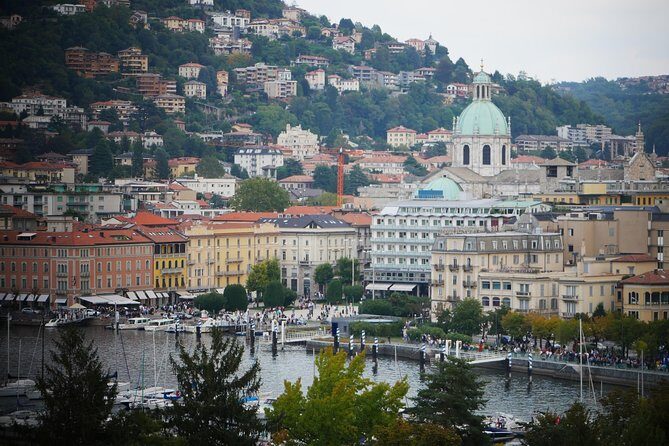
- Stop-by-stop route covers major landmarks in a smart order: Duomo, Teatro Sociale, Ex Casa del Fascio, San Fedele, and Porta Torre.
- Free admission at the listed sites means you’re not stacking extra ticket costs onto your visit.
- Mobile ticket and a set start point make meeting up simple.
- Local tips help you turn a short visit into a full Como day.
How this 2-hour Como walk keeps you oriented
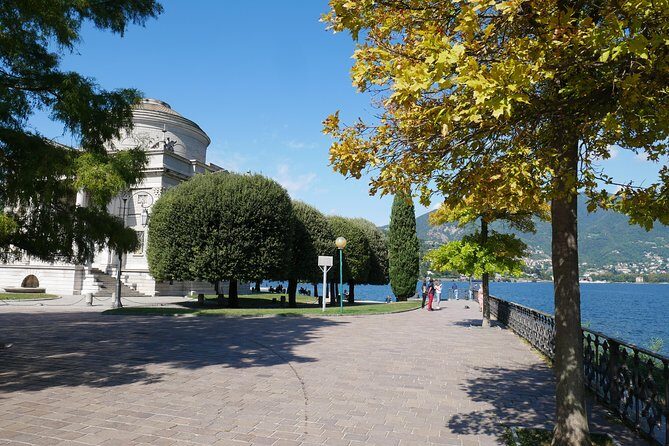
This is a guided walking experience designed to get you reading the city like a book, not just checking boxes. You meet at Piazza Camillo Benso Conte di Cavour, 26, in Como, and the tour ends right back at the starting point. That round-trip setup matters in a place where it’s easy to wander into the wrong street and lose time.
Expect a brisk but manageable walk with a moderate fitness level requirement. The good news: each landmark stop is short—mostly 10 to 15 minutes—so you’re not stuck standing around for long stretches. It’s offered in English, and the group is kept small (up to 10 people), so you’re not stuck listening from the back with no chance to ask questions.
One more practical plus: it’s near public transportation, and you’ll use a mobile ticket. Also, service animals are allowed. If you’re planning to combine this with trains or buses later, this format is easy to fit in.
If Como is your first stop after Milan, you’re going to love how quickly you get your bearings. The guide doesn’t just point. You learn what to notice next—street layout, building style, and why the city looks the way it does.
And yes, it’s popular. The average booking window is about 23 days in advance, which tells me this isn’t a “wait and see” kind of activity if you want a specific day.
You can also read our reviews of more walking tours in Lake Como



Cattedrale di Como: the last Gothic cathedral in Italy
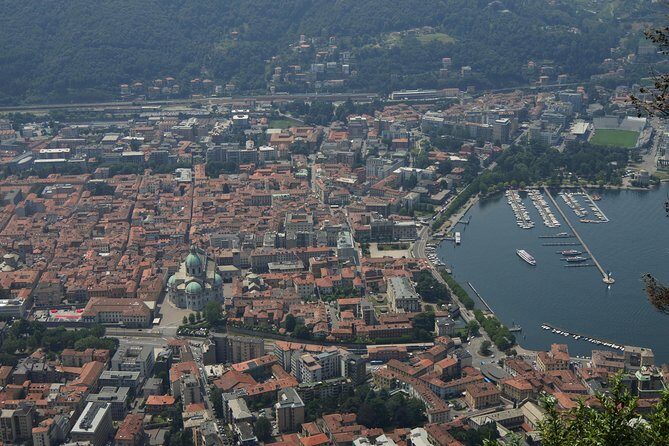
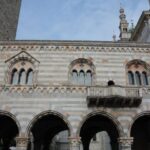
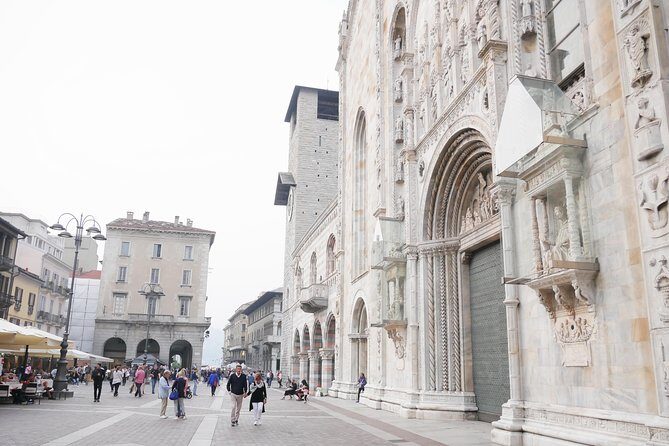
Your first major stop is the Cattedrale di Como. This is the Duomo of Como, and the tour frames it as the last Gothic cathedral of Italy. That’s a great hook, because it explains why this building feels both Italian and slightly unexpected once you start looking closely.
You spend about 15 minutes here, and the listed admission is free. Even with only a quarter-hour, the guide’s job is to help you see past the obvious. A Gothic cathedral isn’t just a tall building. It’s a design choice—how people wanted light, space, and faith to feel in a city that was growing and changing over centuries.
What you’ll likely appreciate most in this first stop is the “start the day right” effect. Once you understand the Duomo’s place in the story, the rest of the walk clicks into focus. You begin to notice style shifts you might otherwise miss.
Practical tip: wear comfortable shoes. Duomo areas can involve small uneven sections and crowds outside peak times.
Teatro Sociale: more than a pretty façade
Next up: Teatro Sociale. This is one of those stops where the guide turns a building into a timeline. You’ll spend about 10 minutes learning the history of the theatre, and again the admission at this point is listed as free.
Why a theatre matters on a city-walk is simple: it’s not just entertainment. It’s a signal of civic life. The guide helps you connect performing arts to how a city shows status, culture, and community.
Also, a theatre is a natural pause between bigger monuments. You get a change of scenery without losing momentum. If you’re the type who reads buildings visually, this one is a strong mid-walk anchor.
Ex Casa del Fascio: rationalist architecture with a story attached
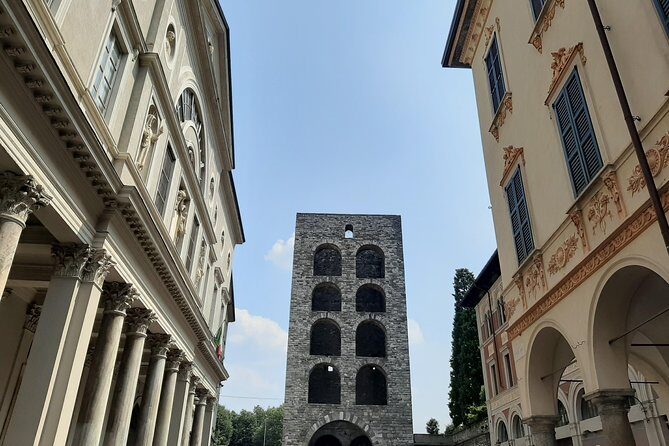
Then comes Ex Casa del Fascio—another short stop (about 10 minutes) that focuses on rationalist architecture. This is a great moment for people who like modern history mixed into older cities.
Rationalist architecture can look blunt if you’ve only seen it in textbooks. On the ground, it reads differently. The guide’s explanation helps you understand why these buildings were designed with logic and order, and what that means in Italy’s broader 20th-century story.
The value here isn’t that you’ll become an architecture critic in two hours. It’s that you’ll be able to walk by similar buildings later and know what you’re looking at. Once someone points out how rationalism thinks about form, it stops being “just a concrete building” and becomes a clue.
Basilica di San Fedele: layered faith, human scale
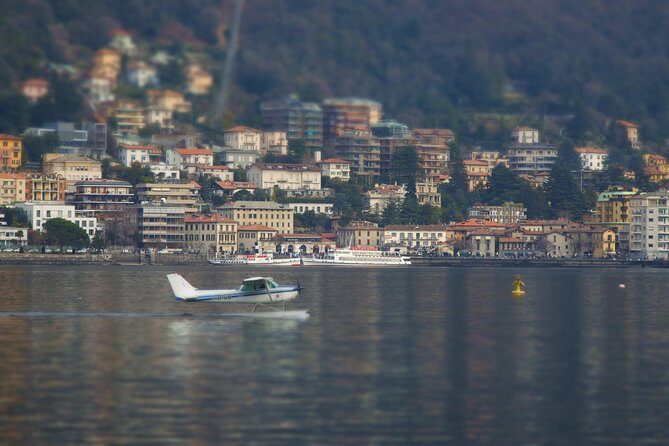
After the rationalist stop, you head to the Basilica di San Fedele. You’ll spend about 15 minutes, with free admission listed for this stop too.
This basilica works well as a counterpoint. Gothic and civic theatre energy fade into something more grounded and spiritual. The guide shows you how the city carries different eras at once, rather than sorting them neatly into separate boxes.
If you’ve ever felt overwhelmed trying to keep track of Italian church styles, this is where the walk helps. The basilica isn’t just a photo stop. It’s a chance to slow down and notice details like how the building reads at street level and how sacred places shape the feel of a neighborhood.
You can also read our reviews of more city tours in Lake Como




Porta Torre and Como’s city wall story you can actually see
The final stop is Porta Torre, where the guide explains the construction of the city wall. This is about 10 minutes, again marked as free.
Roman city walls are one of those things that can feel abstract until you stand near them. When you hear how construction worked and why the city built this kind of barrier, the old stone becomes a practical idea: protection, control, and the shape of the city’s growth.
This stop is a nice send-off because it helps you connect the dots between your earlier Gothic cathedral visit and the more ancient foundations of Como. The city isn’t random. It has a logic that shows up in different centuries—just with different materials and styles.
What Violetta adds beyond the monuments
A walking tour lives or dies on the guide, and this one leans heavily on Violetta’s style. The big theme from her approach is that she makes you feel like you’re walking with someone who cares about Como, not like you’re following a scripted lecture.
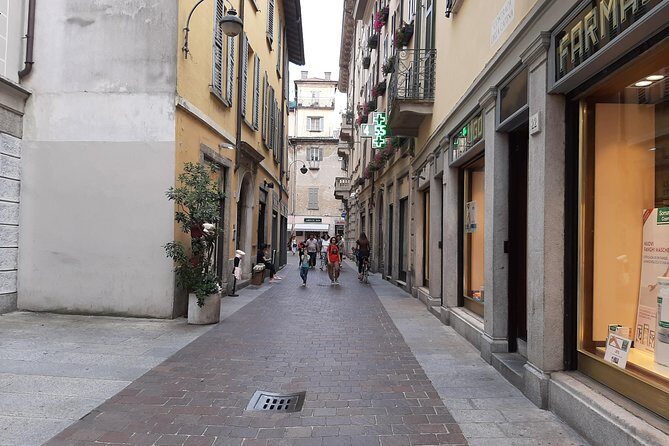
You’ll get tips for local shopping and dining, which is more useful than it sounds. Como is full of places that look nice but can drain time and money. When someone gives you a realistic shortlist, you save the kind of decision fatigue that ruins a good day.
You can also expect help with how to move through the city after the walk. People highlight that the tour helps them plan the rest of Como—things like where to take photos, where to eat, and what to do next. That kind of guidance matters, especially when you have limited time and want to avoid turning your vacation into a map-checking exercise.
One more thing I like: the group stays small, so your guide can keep conversation human. It’s not headsets and robot answers. If you’re the type who likes asking quick questions—How do I get there? What should I skip?—this format supports it.
Price and value: what you’re really paying for at $84.10
The price is $84.10 per person for about 2 hours. That’s not cheap, so I treat the math like this: you’re paying for (1) a guide, (2) a tight route through major highlights, and (3) local planning help you can use immediately.
If you’re comfortable wandering on your own with a guidebook, you could technically recreate part of this walk yourself. But the value here comes from the explanation layer—the way the guide turns each landmark into context you can carry with you while you keep walking.
The fact that the listed stops have free admission helps the value equation. You aren’t paying extra fees at each site. You’re mostly paying for the route, the guiding, and those practical suggestions that improve the rest of your day.
Also, because the group caps at 10, the guide experience tends to feel more personal than a big bus tour. You get more interaction, and that’s a real quality factor at this price.
Who should book this Como walking tour (and who might not)
This tour is a strong match if you:
- want a clear historical and architectural overview of the old town in a short time
- like walking through cities with a plan, but not a rigid, exhausting schedule
- care about the “why” behind buildings—Roman walls, Gothic features, rationalist architecture, and church history
- want local tips to steer food and shopping choices
It’s less ideal if you:
- mainly want lake views, boats, and villa tours during the same two-hour window
- prefer long, slow wandering where you set your own pace with zero structure
- dislike guided talking—because the walk is built around explanations at each stop
My practical advice: use this as your foundation tour. After it, you’ll be better at deciding what to do next.
Should you book this Como walking tour?
Yes—if you want orientation and you like history told in plain, usable terms. The route covers major highlights without dragging. The group is small, the language is English, and the stops focus on what you’ll actually see: Duomo, Teatro Sociale, Ex Casa del Fascio, San Fedele, and Porta Torre.
Book it earlier if your dates are fixed. And plan to use the guide’s tips right away, not later. That’s where the real payoff shows up.
FAQ
Where does the tour start?
The tour starts at Piazza Camillo Benso Conte di Cavour, 26, 22100 Como CO, Italy.
How long is the experience?
It lasts about 2 hours (approx.).
Is the tour in English?
Yes. The tour is offered in English.
How large is the group?
The tour has a maximum of 10 travelers.
Is there a mobile ticket?
Yes, you receive a mobile ticket.
Are admission tickets required for the stops?
Admission is listed as free for each of the featured stops on the route.
Are service animals allowed?
Yes, service animals are allowed.
What happens if the weather is bad?
This experience requires good weather. If it’s canceled due to poor weather, you’ll be offered a different date or a full refund.
What if the minimum number of travelers isn’t met?
If it’s canceled because the minimum isn’t met, you’ll be offered a different date/experience or a full refund.
Is it refundable if I cancel?
No. The experience is non-refundable and cannot be changed for any reason. If you cancel or ask for an amendment, the amount paid isn’t refunded.