REVIEW · MILAN
Milan: Natural History Museum Entry Ticket & Audio Guide
Book on GetYourGuide →Operated by Vox City International · Bookable on GetYourGuide
Fossils and minerals, guided by your phone. Milan’s Natural History Museum turns its big galleries into an easy, self-paced story with a smartphone audio guide and a digital map. It also sits in Indro Montanelli Gardens, so the experience feels less like a sprint and more like an afternoon you can slow down.
I like two things most: first, you get entry plus the audio guide in English, Italian, French, and German (German is listed as starting 15 April), so you can match the museum’s pace to your comfort level. Second, the setup uses 40+ audio points so you’re not wandering hoping to stumble onto the best explanations.
One thing to consider before you go: you’ll need your own headphones and a charged smartphone, since the audio guide depends on downloading and listening through your phone.
In This Review
- Key highlights to know before you book
- Natural History in a Park Setting on Corso Venezia
- Entry and the Smartphone Audio Guide: What Actually Makes This Easy
- Your 2-Hour Museum Walk: Paleontology to Botany
- Why the 40+ Audio Points Matter (and How to Use Them)
- The Building and the Public Gardens: A Great Milan Pairing
- Price and Value: Is $12 a Good Deal?
- Common Snags to Avoid: QR Codes, Apps, and Phone Power
- Who This Works Best For (and Who Might Want a Different Option)
- Quick Practicalities That Make the Visit Smoother
- Should You Book This Milan Natural History Museum Audio Guide?
- FAQ
- How much does the Milan Natural History Museum audio guide entry cost?
- How long is the experience?
- What languages are included for the audio guide?
- Do I need headphones?
- Where is the meeting point?
- How do I get the e-ticket and audio guide?
- Is the ticket line skipped?
- Is there free cancellation?
Key highlights to know before you book
- Skip-the-line entry with an e-ticket you show on your mobile device
- 40+ audio points with an onboard digital map to help you navigate
- Multilanguage audio: English, Italian, French, plus German (from 15 April)
- Self-guided format (no live guide), built for an easy 2-hour visit
- Museum plus city add-on included as a self-guided Milan component
- Public Gardens setting right at Indro Montanelli Gardens for a calmer start or finish
Natural History in a Park Setting on Corso Venezia

This is a museum visit that starts with location. The Natural History Museum is in the Indro Montanelli Gardens area, on Corso Venezia 55, which means you’re not stepping straight from traffic into a windowless maze. Even if you’re only there for the collection, the garden setting gives you a nicer arrival feeling—and it’s a pleasant way to plan your day in Milan without overstuffing your schedule.
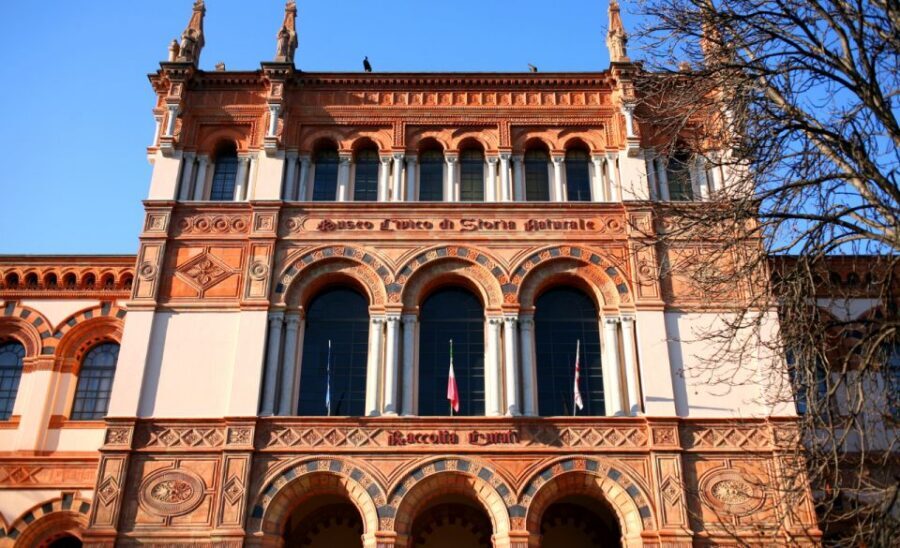
The museum itself is noted for its architectural elegance, and that matters more than you might think. When a building looks intentional, you can spend more time simply moving from room to room and letting the audio guide connect what you see to what it means. Instead of treating it like a checklist, you get a guided “what am I looking at?” rhythm.
The other big plus is how clearly the experience is structured for independent travelers. You’re not stuck waiting around for a group pace. You can stop, restart, backtrack a bit, and still stay within the 2-hour time window.
You can also read our reviews of more tours and experiences in Milan


Entry and the Smartphone Audio Guide: What Actually Makes This Easy
This experience is built around two practical ideas: mobile ticket entry and an audio guide that you control.
You’ll receive an e-ticket that’s available to download and is sent via WhatsApp within 24 hours of your travel date. At the museum, you enter by showing your mobile e-ticket to staff. That saves you time at the door, and it also cuts down on the usual “where’s my paper ticket?” stress.
For the audio guide, the key step is the QR code on your voucher. You scan it to download the audio guide. The goal is simple: get the audio ready before you arrive so you’re not fighting Wi‑Fi, signal, or a low-battery phone while you’re trying to start the museum.
Also, this isn’t included with headphones. Bring your own. I’d treat this like any other phone-based museum experience: headphones + charged phone are non-negotiable.
Your 2-Hour Museum Walk: Paleontology to Botany
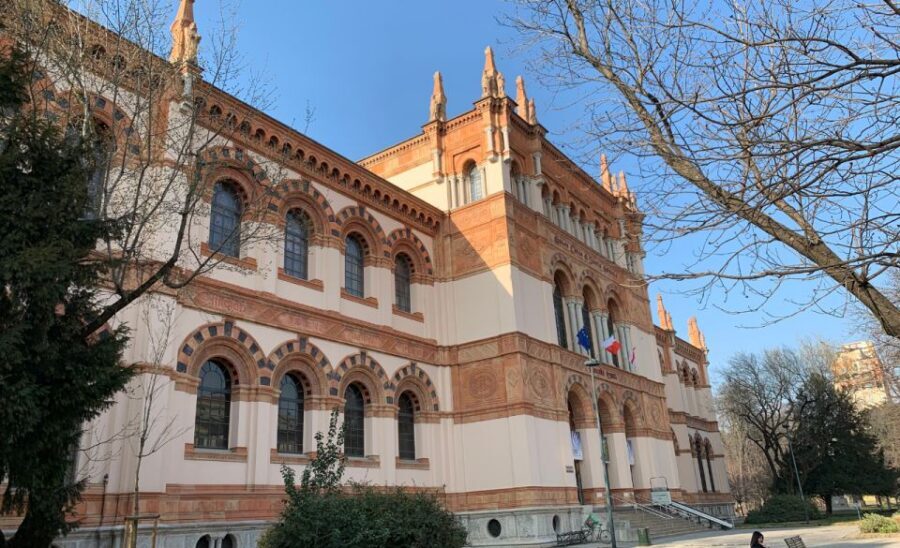
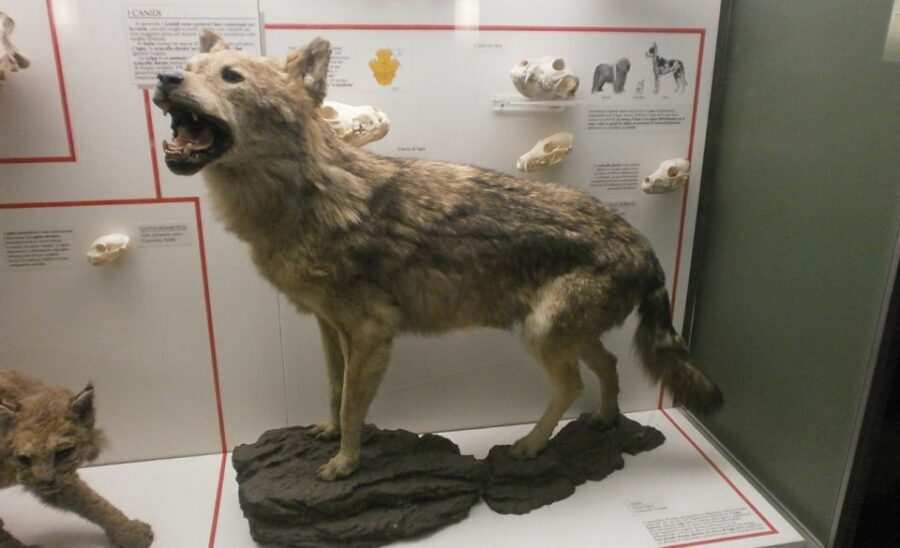
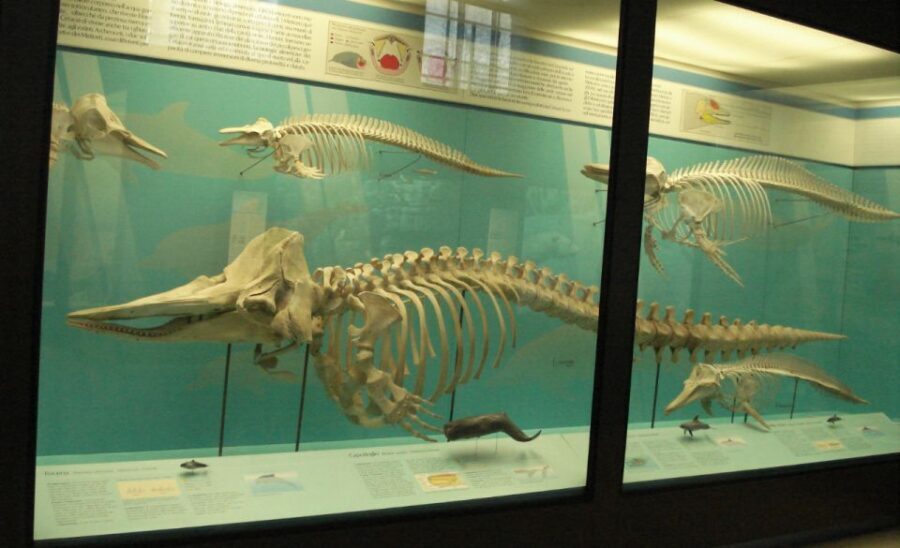
Think of your visit as a self-guided route through major branches of natural science. The audio program is designed to cover multiple areas, including paleontology, mineralogy, zoology, and botany. That’s a lot of ground for one sitting, but the “40+ audio points” approach helps you keep it organized.
Here’s how the experience typically feels as you move:
- You start with context—how the museum explains Earth’s history and the way scientists interpret evidence.
- Then you move into specific specimen stories. Fossils and fossil-like materials are a natural early focus in natural history museums because they give you that big-time timeline effect.
- As you go, the audio points shift from “what is it?” to “what does it tell us?”—like how minerals form, how animals diversify, and how plant life fits into Earth’s bigger changes.
- The visit ends with the human angle: conservation and why this research still matters today.
The museum also highlights its own 19th-century foundation and how its mission continues into the present. You don’t need to be a science expert here. The audio guide is doing the heavy lifting by turning display cases and specimens into plain-language explanations you can follow without mental gymnastics.
Why the 40+ Audio Points Matter (and How to Use Them)

A lot of audio guides are just narration. This one is structured with over 40 audio points of interest, plus a digital map. That pairing changes your experience in two useful ways.
First, it keeps you from wandering aimlessly. You’re not guessing what rooms to prioritize. The map plus audio points gives you a “route sense” even if you stop frequently to read labels or look twice at something.
Second, the audio points help you connect different disciplines without feeling disconnected. Paleontology, mineralogy, zoology, and botany can feel like separate worlds if you visit a museum casually. With the audio guide, you get story links—Earth’s evolution and the evidence scientists use to explain life’s changes.
Practical tip: don’t try to play every track from start to finish. Use the audio points like chapters. If you’re in front of a case and it grabs your interest, play that audio point immediately. If you’re bored or it doesn’t land, skip forward. The goal isn’t to “finish.” The goal is to understand enough to enjoy what you’re looking at.
The Building and the Public Gardens: A Great Milan Pairing

This museum isn’t just about specimens. The experience also builds in the setting: it’s described as offering immersive views toward the Public Gardens of Milan.
That’s useful because it gives you a natural “before and after” moment. You can step outside for a breather without rushing, then come back with fresh energy for the next room. It’s a small thing, but it makes a difference when you’re doing a museum in the middle of a travel day.
If you want a quieter experience, schedule matters. One of the best notes from prior visitors is that it felt calm, especially on a Sunday. So if your goal is low-stress museum time, consider visiting on days/times when you expect fewer crowds.
You can also read our reviews of more guided tours in Milan





Price and Value: Is $12 a Good Deal?
At $12 per person, this is priced like a practical add-on that doesn’t ask you to sacrifice your day. For that money, you’re getting two main value pieces:
- Museum entry included
- A smartphone audio guide in multiple languages (English, Italian, French, and German from 15 April), with 40+ points and a digital map
What’s not included is also clear: no headphones, no guided tour, and no food/drinks. So you should plan to bring headphones and treat this as a lightweight “museum education on your terms” rather than a full guided lecture.
In value terms, it’s especially good if you:
- Want to explore at your own speed
- Like audio explanations more than reading everything
- Prefer a structured museum route over total wandering
It’s less ideal if you need a human guide to answer questions on the spot. This is self-guided, so you’ll be doing the interpretation yourself using the audio points and labels.
Common Snags to Avoid: QR Codes, Apps, and Phone Power
This is the one area where you can protect your trip with a little prep.
Because your audio guide depends on downloading via QR code, I’d treat the voucher QR step as the official source. If the QR code download doesn’t work the first time, try scanning again rather than guessing. One bad experience reported was ended up with the wrong destination/guide link, which is exactly what you want to avoid.
Also make sure your phone is ready:
- charged smartphone (explicitly recommended)
- headphones ready to plug in or pair
- the e-ticket accessible on your screen
Finally, don’t plan to start audio at the very last minute. Scan the QR code and download before you walk into the museum area. It’s the difference between a smooth start and a tense “why isn’t it playing?” moment.
Who This Works Best For (and Who Might Want a Different Option)
This visit is a strong fit for:
- Families who want an educational route without managing a live guide schedule
- Couples or solo travelers who prefer self-paced museums
- People who want real science topics—fossils, minerals, animals, plants—explained in plain language through audio
It’s also good if you’re building a “Milan afternoon” that includes more than just churches and shopping. Museums in Milan can turn into long, text-heavy affairs. Here, the audio points give you momentum and reduce reading overload.
If you strongly want a live docent-style conversation, this format may feel limiting. This ticket includes entry and audio, not a guided tour.
Quick Practicalities That Make the Visit Smoother
You can head directly to the museum at Indro Montanelli Gardens, Corso Venezia, 55. That means there’s no long pre-meeting plan. The experience is listed as wheelchair accessible, so it should work well for visitors who need step-free access.
The activity description also notes “check availability to see starting times,” so if you’re planning your day tightly, look up your preferred slot and build around it.
Should You Book This Milan Natural History Museum Audio Guide?
I’d book it if you want a structured, science-focused museum visit without the cost and time of a guided tour. $12 plus entry plus multilingual audio is a sensible value, especially if you like the idea of moving through 40+ audio points with a map.
I’d hesitate only if you know your phone setup is unreliable or you hate app-based experiences. This is a “bring your gear and follow the QR” kind of ticket: charged phone, headphones, and the QR download step done calmly before arrival.
If you’re aiming for an enjoyable, organized 2-hour museum stop in Milan—one that covers paleontology, minerals, animals, and plants—this is a very workable choice.
FAQ
How much does the Milan Natural History Museum audio guide entry cost?
It costs $12 per person.
How long is the experience?
Plan on about 2 hours.
What languages are included for the audio guide?
The audio guide is available in English, Italian, and French, and German is listed as available starting 15 April.
Do I need headphones?
Yes. Headphones are not included, so you should bring your own.
Where is the meeting point?
Go directly to the museum at Indro Montanelli Gardens, Corso Venezia, 55.
How do I get the e-ticket and audio guide?
An e-ticket is sent via WhatsApp within 24 hours of your travel date. You also scan the QR code on your voucher to download the audio guide before you arrive.
Is the ticket line skipped?
Yes, it includes skip-the-ticket-line entry.
Is there free cancellation?
Yes, you can cancel up to 24 hours in advance for a full refund.