REVIEW · MILAN
Milan: City Sightseeing Hop-On Hop-Off Bus with Audio Guide
Book on GetYourGuide →Operated by Sightseeing Experience · Bookable on GetYourGuide
First-time Milan can feel like a lot. This hop-on hop-off bus pass gives you panoramic views plus multilingual audio as you bounce between major sights at your own pace. I like that the ticket links four different bus lines, so you can focus on what you actually care about instead of walking nonstop. One thing to consider: transfers can get tight if traffic is bad or if a bus is packed, and a few riders noted occasional audio-seat issues that you may need to sort out on the spot.
If you’re trying to get your bearings fast, this is a practical way to do it without committing to one neighborhood. The included map and onboard Wi‑Fi help you plan stops on the fly, which matters in a city where a wrong turn can turn into an hour. The biggest drawback is simple: you still have to walk a bit from most bus stops to the sights, and the stops are spread out across the city.
In This Review
- Key things I’d zoom in on before you ride
- Four connecting loops: a smarter way to cover Milan
- Where to board: Foro Bonaparte vs Piazza Duomo
- Audio guide in 10 languages, plus Wi‑Fi on board
- Line A (Castello to Moscova): classic center plus the fashion streets
- Line B (Duomo to San Babila): a line for classic + modern mixing
- Line C (Castello to San Siro): parks, City Life, and stadium energy
- Line D (Castello to Brera): Cenacolo, Navigli, and a great hop to Brera
- Price and value: $26 is good when you plan your hops
- Getting good seats and avoiding common snags
- Who should book this Milan hop-on hop-off bus pass
- Should you book this? My straight answer
- FAQ
- What areas does the Milan hop-on hop-off bus cover?
- How many bus lines are included in the ticket?
- Where is the first stop for Lines A, C, and D?
- Where is the first stop for Line B?
- What’s included with the ticket besides the bus ride?
- Are attraction tickets included?
- What languages are available on the audio guide?
- How long is the ticket valid?
- Are there any scheduled disruptions I should watch for?
- Is there any special inclusion for the weekend 72h ticket?
Key things I’d zoom in on before you ride
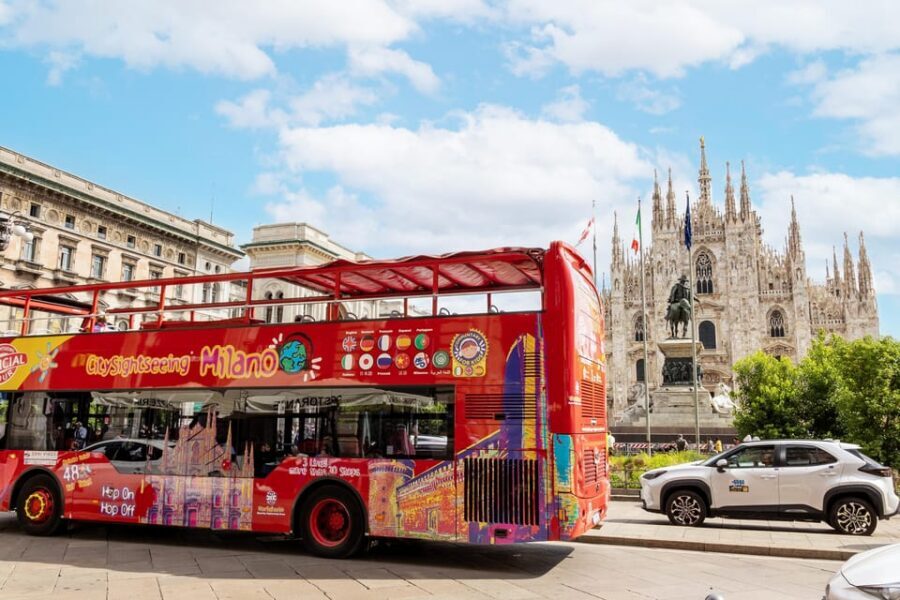
- Four connecting lines in one ticket so you can mix-and-match your day(s)
- Audio guide in 10 languages plus a kids’ audio track
- Wi‑Fi onboard and a city tour map to help you plan as you go
- Lots of major areas covered, from Duomo views to Brera and Navigli
- Easy hopping, but allow extra time for transfers between lines
Four connecting loops: a smarter way to cover Milan
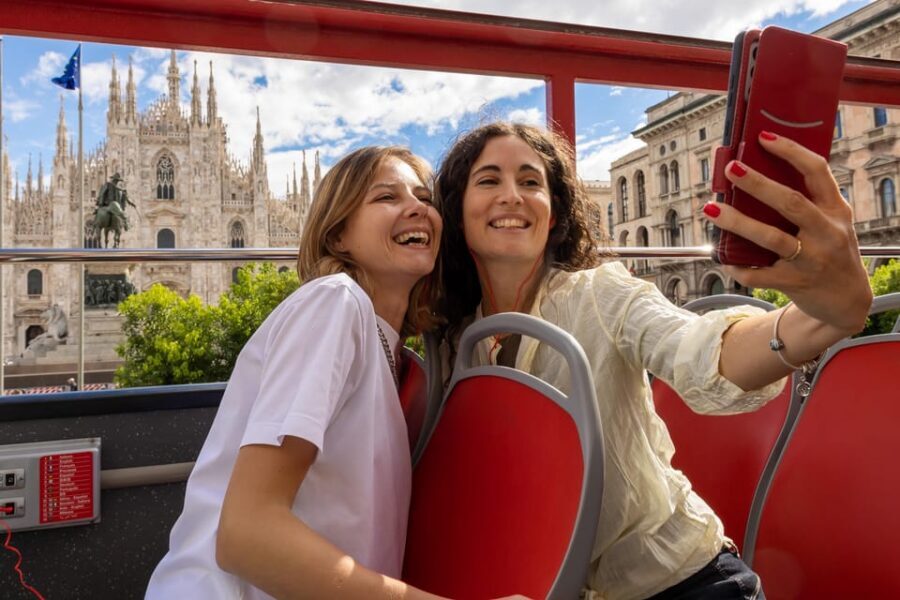
The real win here is the structure. Instead of one line that only grazes the highlights, you get four bus lines that connect across different parts of the city. That means you can do a quick “scan” of Milan first, then come back for longer time where you want it.
I also like that the audio isn’t just generic. It calls out notable stops and famous landmarks along the way, including references to the Opera House and Castello Sforzesco. It even touches on local food topics like cotoletta alla Milanese and the history of panettone—small details that make the ride feel like a guided overview instead of just scenery.
There’s also a practical angle: Milan is hilly in spots, and it’s easy to burn your energy walking when you’re only in town briefly. This pass gives you a comfortable “reset” between sights, especially if you’re doing museums and big churches back-to-back.
You can also read our reviews of more guided tours in Milan

Where to board: Foro Bonaparte vs Piazza Duomo
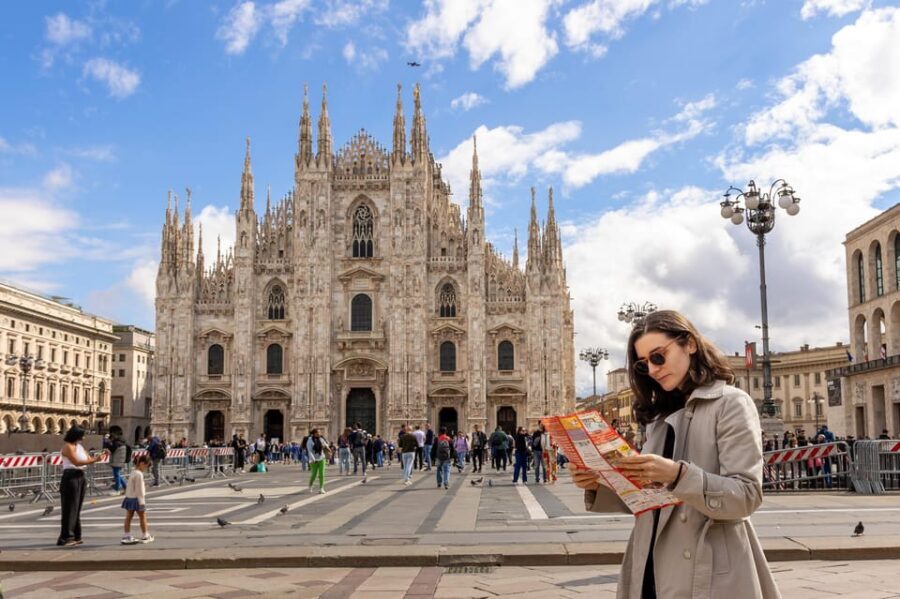
Getting started matters more than you’d think, and this system has two first-stop options. For Lines A, C, and D, your first stop is Foro Bonaparte. For Line B, your first stop is Piazza Duomo.
Foro Bonaparte is listed as a first stop, but one common headache shows up in real use: it can be hard to locate the exact place from a photo. My advice is to give yourself a little time at the start and look for the travel information area signage on site, not just a single building entrance.
If you’re in the Duomo area anyway, Line B’s Piazza Duomo start is straightforward and saves you from second-guessing your pickup point. Either way, once you’re on the right bus line, the rest of the day is the easy part.
Audio guide in 10 languages, plus Wi‑Fi on board
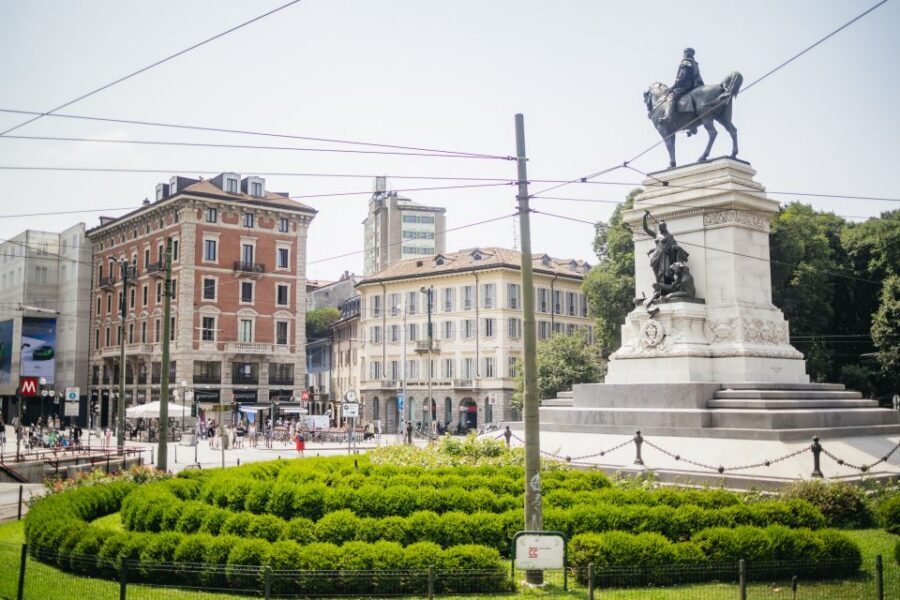
This pass is built for self-guided touring, and the tools are there. You’ll get an audio guide with Spanish, Chinese, English, French, German, Italian, Russian, Portuguese, Japanese, and Arabic. There’s also a special children’s audio commentary, which is useful if you’re traveling with younger kids.
You also get Wi‑Fi onboard, plus a city tour map. In practice, this is handy for two reasons. First, you can check where you want to hop next without hunting for data. Second, it helps you line up your time at sights so you’re not scrambling at the last minute.
Small heads-up: a few riders reported audio-seat issues where the audio didn’t work from certain seats. When that happens, switch seats or ask staff for help if you can. One report said it was easy to change headphones, which is exactly the kind of quick fix you want.
Line A (Castello to Moscova): classic center plus the fashion streets
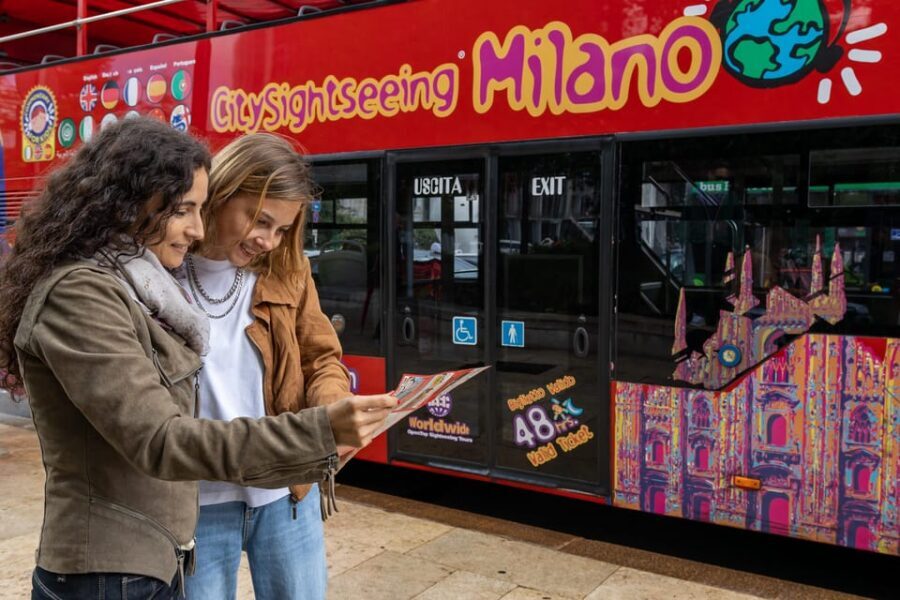
Line A links a cluster of central Milan stops that are ideal for first exposure. Your stops are: Castello, Cadorna, Cenacolo, Corso Magenta, Duomo, Monte Napoleone, Manin, and Moscova.
Here’s how I’d use it:
- Castello: Good starting point for the historic core feel. If you want a “Milan is old and proud” moment early, start here.
- Cenacolo: Great if you’re aiming for a major cultural stop in the middle of the city.
- Corso Magenta: Useful for connecting from big sights to nearby wandering routes.
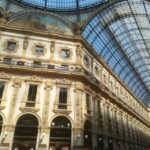
- Duomo: This is your anchor stop. If you’re coming for the headline landmark areas, this is the place to get off.
- Monte Napoleone: A strong choice if your idea of Milan includes upscale shopping streets and stylish atmosphere.
- Moscova: Helps you move away from the densest center without losing day-trip energy.
Keep in mind the flow: you’ll see a lot, but the best strategy is to hop off only where you want time, then re-board when you’re ready. The audio makes it easier to decide, because you’re hearing what each area is before you commit.
Line B (Duomo to San Babila): a line for classic + modern mixing
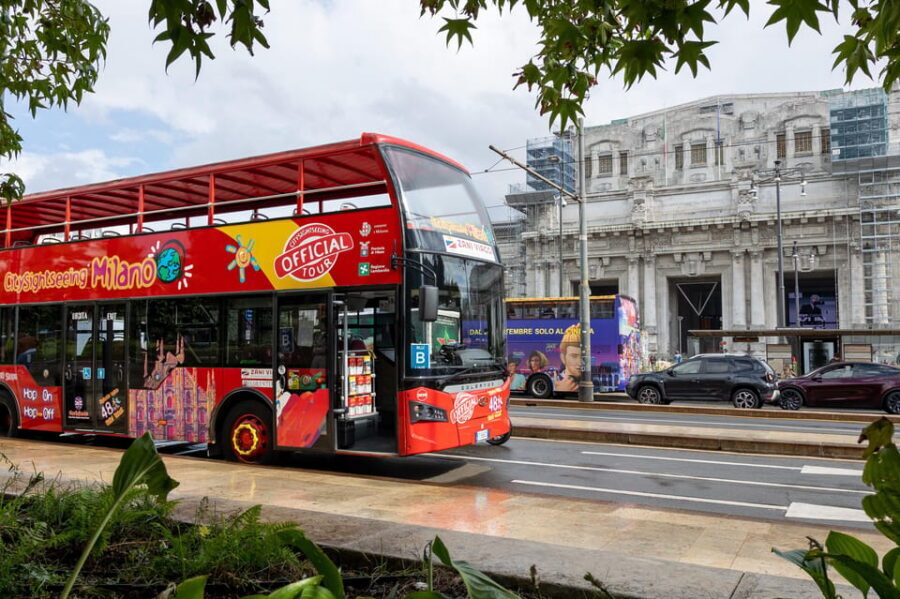
Line B runs from Duomo across a blend of central and “next layer” Milan. Stops: Duomo, Monte Napoleone, Manin, Repubblica, Palazzo Lombardia, Stazione Centrale, Buenos Aires, Porta Venezia, and San Babila.
This line works well when you want variety in one ride:
- Duomo + Monte Napoleone: You cover core landmarks and the stylish corridor in one direction.
- Repubblica + Porta Venezia + San Babila: These stops are a good way to reach areas that feel different from the strict cathedral-square zone.
- Stazione Centrale: If you’re coordinating travel logistics or you want to see the station district vibe from the outside, this is your access point.
- Palazzo Lombardia + business-center feel: Useful if you want a glimpse of Milan beyond its oldest icons.
A key practical note: a few riders said buses can get packed at transfer points. So if you’re switching lines, try not to assume you’ll always board right at peak load. If you see a jam, wait for the next bus or adjust your timing.
You can also read our reviews of more city tours in Milan
Line C (Castello to San Siro): parks, City Life, and stadium energy
Line C is built for people who don’t want just postcard Milan. Stops: Castello, Triennale, Arco della Pace, City Life, Casa Milan, Mico – Congress Centre, Lotto – Montebianco, Lido, Ippodromo, Stadio San Siro, Lotto – Monterosa, Buonarroti, Pagano, Conciliazione, and Parco Sempione.
This is the line I’d pick for a broader “whole-city” look:
- Castello + Arco della Pace: Classic landmarks plus grand city views.
- City Life: When you want modern Milan in the mix, this is where you do it.
- Casa Milan + Stadio San Siro: Perfect if football stadium atmosphere matters to your itinerary.
- Mico – Congress Centre: A useful stop if you’re curious about modern event spaces and architecture-adjacent zones.
- Parco Sempione: A strong choice for a break from sightseeing intensity. After museums and churches, this is a calmer target to hop off for a stroll.
Line C also includes many stops that feel like they reach beyond the usual tourist route. That’s the point. If you want to see Milan as a living city—sports, business, and everyday districts—this line is your friend.
One more note: the operating information warns that during the Winter Olympic Games, there may be disruptions, including Green Line Stop n.2 closed for all Winter Olympic Games long. If you’re traveling in that window, check for any temporary stop changes before you rely on Line C.
Line D (Castello to Brera): Cenacolo, Navigli, and a great hop to Brera
Line D runs through some of Milan’s most memorable wandering areas. Stops: Castello, Cadorna, Cenacolo, Navigli, Piazza XXIV Maggio, Duomo, Monte Napoleone, and Brera.
How to use it:
- Cenacolo: If you like culture stops clustered into one route, this is a clear reason to choose Line D.
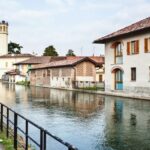
- Navigli: If your Milan trip includes evenings and atmosphere, this is the stop you want for that vibe.
- Piazza XXIV Maggio: A helpful connector if you’re trying to time your wandering around the Navigli area.
- Duomo + Monte Napoleone: You can still loop back through the headline corridor without feeling stuck in one neighborhood all day.
- Brera: This is an ideal stop for art-and-stroll energy when you want more than quick photo stops.
In my opinion, Line D is the “story” line. It’s the one that helps you move between major landmarks and areas that feel more like you’re living inside the city for a few hours.
Price and value: $26 is good when you plan your hops
At about $26 per person for a 1–3 day duration, this ticket can be a good deal—especially if you don’t want to spend your limited time figuring out transit routes and walking routes. Milan is not always intuitive on your first day, and hop-on hop-off is a way to buy back decision energy.
The best value comes from how you use it:
- If you have just one day, do a full ride first, then hop off once or twice for longer time. One rider said they covered a lot in just two rides.
- If you want the chance to see the major sites without rushing, plan at least two days. That lines up with the practical advice that you need time to truly enjoy the best bits.
- If you’re a “see everything” type and your schedule allows, go for the longer ticket window.
There’s also a special perk tied to the 72h rate valid for the weekend (Saturday and Sunday) from June to September, when the ticket includes the Milan Night Tour. If that matches your dates, it can push the value way up because you’re effectively adding an evening experience.
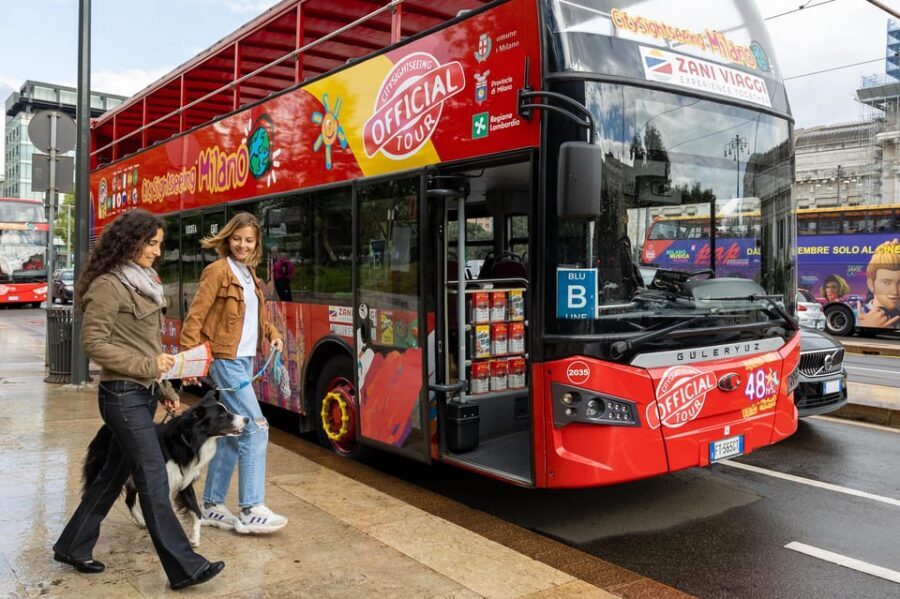
One more thing: check you booked the right operator. A review specifically warned that there are two different companies running similar tours, and to make sure you have the original one. If you’re comparing options, confirm you’re getting the pass that matches the lines and listed stops.
Getting good seats and avoiding common snags
This is usually smooth. Many riders described frequent buses and helpful staff at major stops. That matters because Milan traffic can stretch travel times, and you don’t want to spend your day waiting.
That said, I’d plan for two realistic issues:
- Transfers can take longer than you hope. One comment called out that the time between buses can feel long, and you may wait if you miss the next one.
- Some audio doesn’t always work from every seat. The fix is simple: switch seats and, if needed, ask staff to help you get working headphones.
If you’re traveling with kids, the good news is there’s a children’s audio track, so you’re less likely to get stuck with the same adult commentary no matter the child’s attention span.
And since you have Wi‑Fi onboard, use it to sanity-check your next hop before the bus arrives—so you’re not scrambling in the moment.
Who should book this Milan hop-on hop-off bus pass
I’d book this if:
- You’re a first-time visitor who wants quick orientation and easy hopping.
- You want to mix famous landmarks with neighborhoods like Brera and Navigli without building a complex route plan.
- You’re traveling with kids, since there’s children’s audio commentary.
- You want a comfortable way to cover a lot while saving your legs for walking in the areas you choose.
I wouldn’t make it your only plan if:
- You love deep, slow museum time every day and won’t use the hop flexibility much.
- You hate crowds at busy stops. Some buses can get packed during transfers, and that can slow things down.
Should you book this? My straight answer
Book it if you’re trying to see Milan efficiently and you’ll use the freedom to hop off, explore, then re-board. The four connecting lines are what make it work, and the 10-language audio turns the rides into an actual learning tool, not just transportation.
Skip it or reconsider if you already have a tight plan where you know exactly which sights you want at exact times and you don’t mind transit logistics. In that case, you might not get your money’s worth from the flexibility.
If your trip fits the weekend summer window, definitely check whether your ticket qualifies for the 72h weekend night tour add-on. That’s the kind of bonus that can justify the pass even more.
FAQ
What areas does the Milan hop-on hop-off bus cover?
It uses four connecting bus lines with multiple stops across central Milan and out toward areas like City Life and San Siro, plus routes that include Duomo, Brera, and Navigli stops.
How many bus lines are included in the ticket?
Your ticket covers access to four separate but connecting bus loops.
Where is the first stop for Lines A, C, and D?
For Lines A, C, and D, your first stop is at Foro Bonaparte.
Where is the first stop for Line B?
For Line B, your first stop is at Piazza Duomo.
What’s included with the ticket besides the bus ride?
Included items are the Milan hop-on hop-off bus tour for 4 bus lines, multilingual audio commentary, special audio for children, Wi‑Fi onboard, a free walking tour in the mobile app in 5 languages, and a city tour map.
Are attraction tickets included?
No. Attraction tickets are not included.
What languages are available on the audio guide?
The audio guide is available in Spanish, Chinese, English, French, German, Italian, Russian, Portuguese, Japanese, and Arabic. (You can also find Italian, English, and Spanish from the host or greeter.)
How long is the ticket valid?
The pass duration is listed as 1 to 3 days.
Are there any scheduled disruptions I should watch for?
The info notes that during the Winter Olympic Games, there may be disruptions, including Green Line Stop n.2 being closed for all Winter Olympic Games long. It also notes that on Saturday February 21, Stop Castello will be suspended.
Is there any special inclusion for the weekend 72h ticket?
Yes. For the 72h rate valid for the weekend (Saturday and Sunday) in the period from June to September, the Milan Night Tour is included.