REVIEW · MILAN
2 hour Vintage Fiat 500 Central City Tour in Milan
Book on Viator →Bookable on Viator
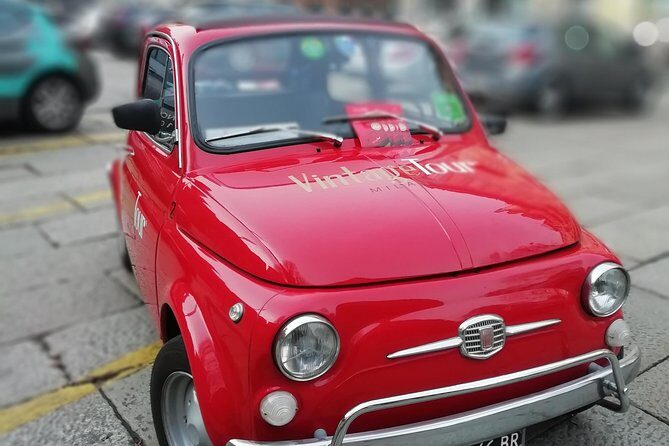
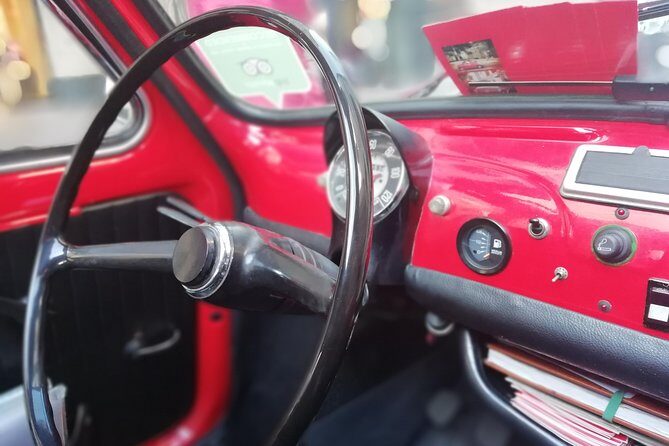
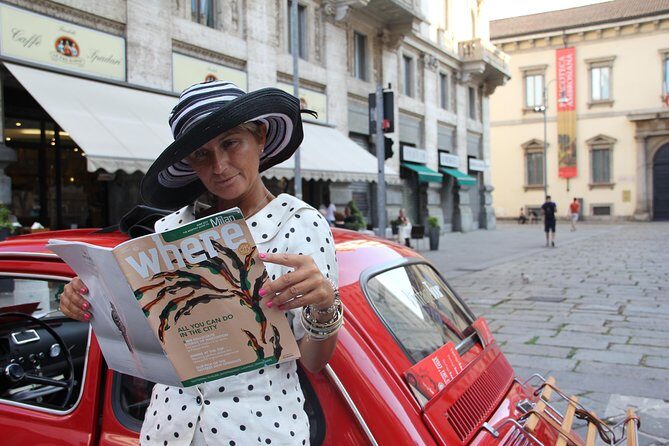
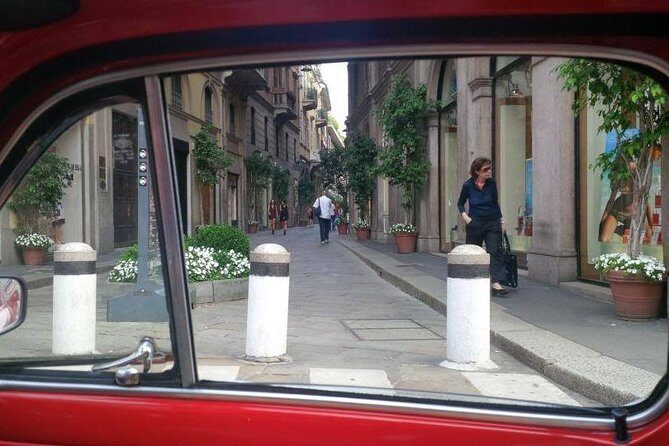
Vintage Fiat 500s make Milan feel like a movie. You get live English commentary as an expert driver threads traffic, and you also get the fun factor of a classic car that turns every stop into a photo moment. My favorite part is choosing two stops to step out and explore, but do note the car is tiny and there’s no A/C or seat belts.
This is set up as a true private ride for up to 3 people, so you’re not stuck watching from the sidelines. The guide-driver—often Luca, sometimes named Luka or Carlo in guest notes—keeps the pace light, chats about what you’re seeing, and makes room for photo breaks when you want them.
In This Review
- Key Points at a Glance
- Cruising Milan in a Classic Fiat 500
- Getting Picked Up (or Starting at Via Palestro)
- How the 2 Hours Work With Your Two Chosen Stops
- Art and Power: From the Sforza Era to Leonardo’s Work
- Santa Maria delle Grazie and the Last Supper Area
- San Maurizio al Monastero Maggiore: The Sistine Chapel of Milan
- Roman Ruins, Banking Palaces, and the Stuff You Miss at Speed
- Leonardo Sketches and the Codex Atlanticus Connection
- The Duomo Zone: Sights You See From Via Larga
- Smart Planning for Timing, Comfort, and Street Photo Moments
- Price and Value: Is $362.95 Worth It?
- Who This Tour Suits Best (and Who Might Want a Different Option)
- Should You Book the 2-Hour Fiat 500 Tour in Milan?
- FAQ
- How many people can ride per Fiat 500?
- Is hotel pickup included?
- Where does the tour start?
- Is the tour in English?
- Does the car have air-conditioning or seat belts?
- What kind of clothing should I wear?
- Do I need to bring a passport?
Key Points at a Glance
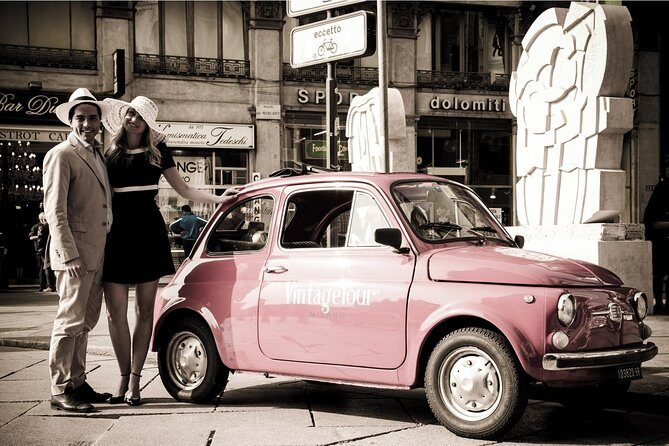
- Private Fiat 500 for up to 3 means you control the pace and the questions
- Two walking stops you choose along a route packed with Milan landmarks
- Live commentary in English as you glide past major sights without hunting transit
- Classic car photo magnet: you’ll likely get waves and plenty of street attention
- Pickup in Zone 1 hotels saves you time versus hauling luggage to a meeting point
- No A/C and a very tight cabin: plan for comfort limits, especially in warm weather
Cruising Milan in a Classic Fiat 500
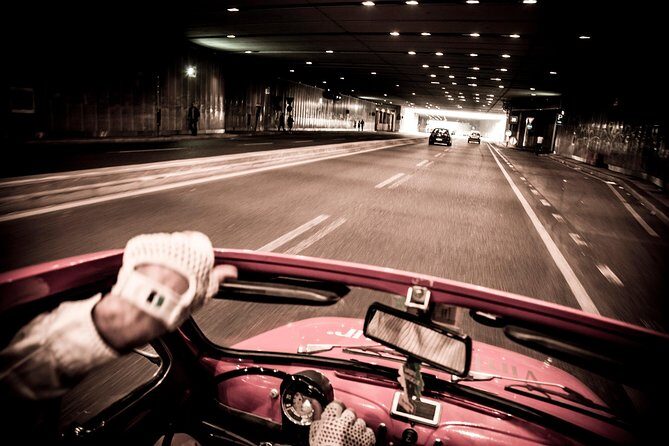
This tour sells a simple idea: see central Milan fast, but do it from something memorable. The classic Fiat 500 is small on purpose—so you’ll get the feeling of squeezing into the old-school Milan vibe, not rolling along in a modern van.
What makes it work is the format. You’re not just being transported; you’re moving with a professional tour leader driver and live commentary. That matters in Milan, where streets can look similar until you know what to look for. The driver handles traffic, so you can focus on the buildings and the stories instead of scanning signage.
And yes, the car gets attention. In guest notes, Luca (and other drivers) were described as drawing smiles and waves as they rolled through the city. If you’re the kind of person who likes a little street theater while sightseeing, this is a good fit.
You can also read our reviews of more city tours in Milan

Getting Picked Up (or Starting at Via Palestro)
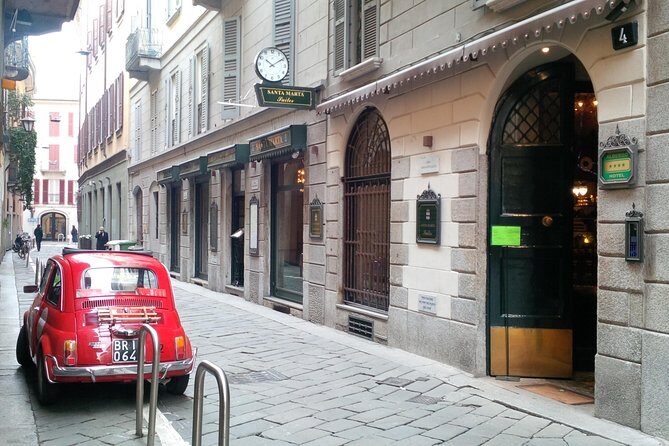
You have two ways to begin:
- Hotel pickup at selected Zone 1 downtown hotels
- Meet at Via Palestro, 16 (20121 Milano) if you’re not in the pickup zone
Either way, you’ll start and finish back at the meeting point. That’s useful if you want to stack your day: this tour can act like a guided warm-up before you go off on your own for museums, aperitivo, or a long walk toward the Duomo.
One practical note: the tour is smart casual. Milan can be warm in shoulder seasons and cool at night, so I’d dress in layers. The car itself is not air-conditioned, and the cabin is compact, so comfort is more about clothing and timing than about onboard amenities.
How the 2 Hours Work With Your Two Chosen Stops
The experience runs about 2 hours and includes two stops of your choice along the route. That’s the sweet spot for a city like Milan: you get variety without being stuck in a museum line for hours (and without needing to plan anything minute-by-minute).
Here’s how to think about those choice stops:
- Pick one stop that’s mainly about architecture or sculpture (church interiors can be the best use of time if they’re accessible for viewing).
- Pick another that matches your interests—Leonardo-related sites, fresco-heavy places, or a landmark you want to photograph up close.
From the road, you’ll also pass by several high-value sights, including the areas around Leonardo’s major works and the Duomo zone. So even if your two walking stops are short, the drive-by storytelling still gives you a “big picture” map of Milan.
Art and Power: From the Sforza Era to Leonardo’s Work
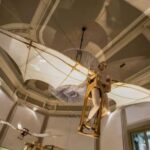
Early on, the route leans into Milan’s Renaissance identity and its connection to Leonardo da Vinci. One standout area is the art and design district, which sets the tone: Milan isn’t only churches and monuments—it’s also the city of creators.
Then the tour pivots toward power and place. You’ll learn that during the Renaissance, a key location was the residence of Milan’s Duke Ludovico Sforza, where Leonardo first worked in technical roles as a military and civil engineer before later becoming known primarily as an artist. The guide connects those dots so you understand why these buildings mattered, not just what they look like.
A specific highlight tied to this era is the Sala delle Asse, described as having a frescoed ceiling where Leonardo combined a naturalist depiction with symbolism. Even when you’re not going inside, the explanation helps you see the city as a timeline, not a checklist.
Santa Maria delle Grazie and the Last Supper Area
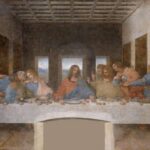
The tour includes the church of Santa Maria delle Grazie, noted for late Gothic Milan architecture. It was built by the Dominicans from 1463 to 1482. For many people, the bigger draw is what happened in the refectory: between 1495 and 1498, Leonardo da Vinci painted the famous mural The Last Supper.
Two thoughts to keep your expectations realistic:
- This experience is built around sightseeing and interpretation while riding.
- The data you have doesn’t state that you’re getting museum entry or guaranteed access to the mural itself.
So I’d treat it as a learning stop—great for understanding context and for orienting yourself before you decide whether you want to pursue timed access separately during your trip.
If your goal is to connect the names (Sforza, Dominicans, Leonardo) with the physical geography of Milan, this is one of the most satisfying segments.
You can also read our reviews of more tours and experiences in Milan
San Maurizio al Monastero Maggiore: The Sistine Chapel of Milan
If you want one stop that tends to feel like a reward, it’s San Maurizio al Monastero Maggiore. The church is described as Renaissance and was erected in 1503, based on a project by Giovanni Giacomo Dolcebuono.
What you’ll hear—and why it’s called the Sistine Chapel of Milan—is that the church hosts several frescoes and pictures. That’s a powerful combination in a city where so much attention goes to the Duomo. Even if you don’t spend long inside, the story sets you up to appreciate why this site earned its nickname.
This is also a smart choice stop if you want your itinerary to include something a bit less obvious than the main-ticket sights.
Roman Ruins, Banking Palaces, and the Stuff You Miss at Speed
One of the best values of a guided car tour is catching details you’d never notice on your own. Along the route, you’ll hear about:
- The Roman Imperial Palace ruins where Emperor Maximian resided in 286 A.D. (described as located behind the Marchesi 1824 pastry shop on Corso Magenta)
- The palace of the Banca d’Italia, built in 1907 by Luigi Broggi and Cesare Nava, inspired by architecture of the Vittoriano in Rome
The banking palace detail might sound random, but it’s exactly the kind of Milan texture that makes the city feel layered. You go from Renaissance stories to Roman traces to early 20th-century architectural ambition without changing your schedule.
And because you’re in a small car, you typically move through this kind of “in-between” Milan street fabric more naturally than you would if you were only riding subway stops.
Leonardo Sketches and the Codex Atlanticus Connection
The tour also references the Pinacoteca, including drawings from the Codex Atlanticus, described as the biggest collection of Leonardo’s drawings.
Again, you’ll want to think of this as guided interpretation rather than automatic museum access. The value is in putting the Codex in your mind as more than a name: Leonardo wasn’t only painting masterpieces—he was drawing constantly, thinking visually, planning, studying, and recording.
If Leonardo is your reason for coming to Milan, this stop-related story is one of the strongest ways to make the city feel coherent.
The Duomo Zone: Sights You See From Via Larga
Even when your time is short, this tour gives you a sense of where Milan’s biggest landmark dominates the skyline.
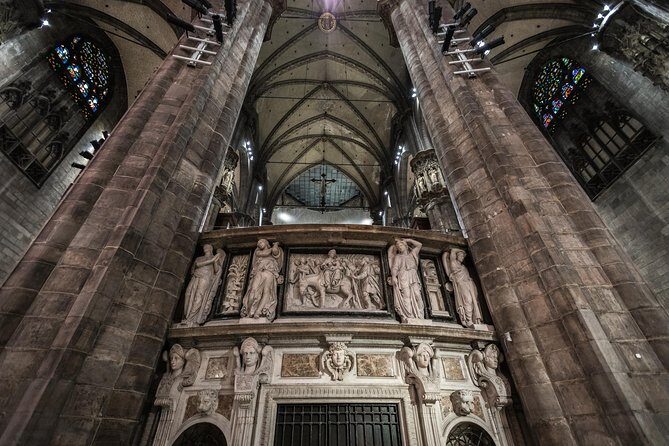
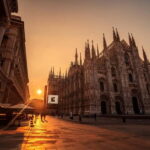
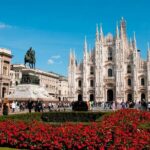
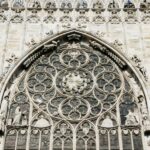
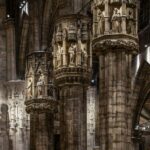
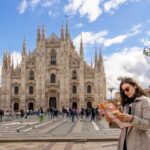
You’ll see the Duomo di Milano from via Larga, and the numbers are worth holding onto: it’s described as 515 ft (157 meters) long and 302 ft (92 meters) wide, one of the largest Catholic churches in the world. The construction is noted as beginning in 1386.
You’ll also hear the site’s earlier layers:
- Before the Duomo, the area is described as occupied by the Basilica of Sant’Ambrogio
- In 838, the Basilica of Santa Tecla was founded nearby
- A fire in 1075 devastated both buildings, and later the Duomo was established on the same location
That kind of backstory helps a lot. Otherwise, the Duomo can turn into a photo stop that leaves you thinking, so what. Here, you’ll understand the ground you’re standing on—literally and historically.
Smart Planning for Timing, Comfort, and Street Photo Moments
This is a tour where small factors matter:
- The car has no A/C.
- It also has no seat belts and no air bags, and the cabin is tight.
- Reviews specifically warn it can be tight for taller people, and sitting in the back can be less comfortable.
So if you’re tall or traveling with mobility or comfort concerns, I’d consider how long 2 hours feels in a compact vehicle. If you’re sensitive to heat, dress lightly and be ready for the open-air feel in warm weather.
The good news: many guests describe the ride as fun and relaxed. There’s a real “Milan in a day” energy here, plus the advantage that you’re not coordinating transit during traffic spikes.
One more practical bonus: the guide may give you time for photos. In guest experiences, Luca would stop to let people walk around and take pictures, and at least one note says he even helped with dinner recommendations. That’s the kind of payoff that makes a guided introduction feel like more than a drive-by tour.
Price and Value: Is $362.95 Worth It?
The price is $362.95 per group, up to 3 people. That pricing model is key. Instead of paying per person, you’re paying for a private car experience with a live English guide and expert driving.
So the value question becomes:
- If you’re traveling as a couple or small group, the cost per person can feel reasonable for a private, narrated ride.
- If you’re solo, it’s still a fun splurge—especially if your time in Milan is short and you want a fast orientation in one outing.
The main thing you’re buying here isn’t just transport. You’re buying:
- time saved by staying on the route
- interpretation as you pass landmarks
- the option to select two stops
- the novelty factor of the vintage Fiat 500, which also makes photos easy
If you’re comfortable with the car being tiny and you want guided context for Leonardo, the Duomo zone, and Milan’s architectural layers, this price is easier to justify.
Who This Tour Suits Best (and Who Might Want a Different Option)
This tour fits best if you:
- have limited time and want a guided overview of central Milan
- want Leonardo-related context without doing a full day of ticketed sites
- like photo-friendly experiences and small-group attention
- prefer being driven rather than navigating streets, traffic, and parking
It may be less ideal if you:
- need a fully accessible, roomy vehicle
- are very heat-sensitive (no A/C)
- expect modern safety features like seat belts (not included)
Should You Book the 2-Hour Fiat 500 Tour in Milan?
I’d book it if your priority is a fast, guided orientation that still feels playful. The vintage Fiat 500 turns a short window into a memorable tour, and the live English commentary helps you understand why places like Santa Maria delle Grazie and San Maurizio matter.
Pass on it only if you know you won’t be comfortable in a very small car for 2 hours, or if your main goal is guaranteed entry into specific interiors. For everything else—especially first-time Milan planning—this is a strong choice.
FAQ
How many people can ride per Fiat 500?
The tour is for up to 3 people per booking/ car, and it’s described as a private tour/activity.
Is hotel pickup included?
Yes. Pickup is offered at selected hotels in Zone 1 only.
Where does the tour start?
The meeting point is Via Palestro, 16, 20121 Milano, Italy.
Is the tour in English?
Yes, it’s offered in English, with live commentary on board.
Does the car have air-conditioning or seat belts?
No. The Classic Fiat 500 does not have air conditioning, seat belts, or air bags.
What kind of clothing should I wear?
The dress code is smart casual.
Do I need to bring a passport?
Yes. A current valid passport is required on the day of travel.