REVIEW · MILAN
The art of the Italian Aperitivo with a local: Learn & Enjoy in Milan
Book on Viator →Bookable on Viator
Aperitivo is Milan’s early-evening magic. This experience takes you into a local home with a Cesarine cook so you can build a classic Milan pre-dinner spread: five appetizers, paired with drinks, and explained with a Lombardy lens. It’s a simple plan on paper, but it feels like real life in Milan the moment you walk in.
I love the home-cooked feel and the relaxed pace. You’re not just tasting. You’re learning how to put together a platter that looks good and matches what you’re drinking, with five nibbles made using local ingredients. And I also like that the host talks you through what makes Lombardy food different from other parts of Italy—so your mouth learns, and your head learns at the same time.
One thing to consider: coordination can be fussy. Like any home-based activity, timing and the exact meet-up location matter. Double-check the message details ahead of time and plan to arrive a few minutes early, especially since the start time is 6:00 pm.
In This Review
- Key Points to Know Before You Go
- Milan Aperitivo in a Local’s Home: What the Night Feels Like
- Your Cesarine Host: Why the Certified-Home-Cook Model Works
- What You’ll Actually Make: The Five-Aperitivo Plan
- Milanese Aperitivo Logic: Matching Snacks to Your Drink
- Drinks and Wine of the Territory: What You’ll Be Offered
- Timing, Duration, and Group Size: Why 2 Hours Feels Right
- Accessibility and Getting There: Practical Milan Advice
- Price and Value: Is $122.17 Worth It?
- Who This Aperitivo Lesson Fits Best
- Should You Book This Milan Aperitivo Experience?
- FAQ
- How long is the aperitivo experience?
- What time does it start?
- Where does the experience take place?
- Is it a private tour?
- What will I prepare during the class?
- What kind of food should I expect?
- Will I have drinks or wine?
- Can I cancel for a full refund?
Key Points to Know Before You Go
- Cesarine home cooking: Learn in an actual local residence with a certified home cook from the Cesarine network.
- Five hands-on nibbles: You’ll prepare an aperitivo selection with local ingredients, not just watch and taste.
- Lombardy focus: You’ll get context for how Lombardy flavors and habits differ from other regions in Italy.
- Milan aperitivo timing: The early-evening window is built in, so you practice the real rhythm of the city.
- Pairing mindset: You’ll learn how to match the snack spread to the drink you’re enjoying.
- Friendly, practical hosts: Hosts like Debora are known for being welcoming and for making recipes easy to recreate at home.
Milan Aperitivo in a Local’s Home: What the Night Feels Like
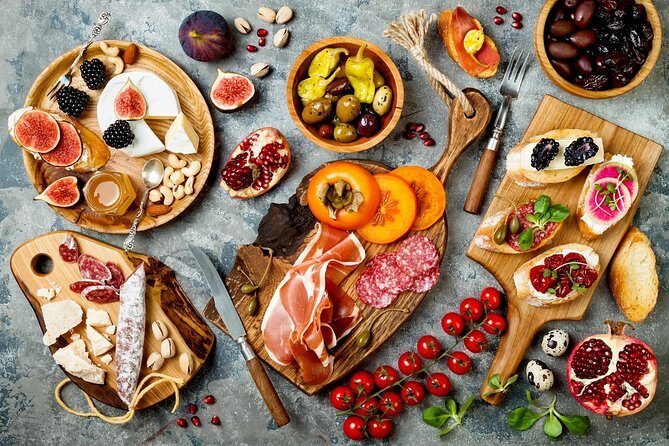
Milan starts early for aperitivo. At around 6:00 pm, people loosen up before dinner, and the bar-to-table culture kicks in. This tour recreates that feel, but with a twist: you’re doing it at a Cesarine cook’s home, not in a restaurant.
That setting changes the whole experience. In a home, the lesson feels personal and you get to ask small questions that don’t fit into restaurant timing. You can also slow down—taste, adjust, and learn without feeling like dinner service is rushing past you.
Even the concept of aperitivo matters. In Milan, it’s not just a drink. It’s a social ritual built around a spread of small foods. This class gives you the logic behind that: how you choose nibbles, how you balance flavors, and how you build a look that makes people want to graze.
You can also read our reviews of more tours and experiences in Milan.



Your Cesarine Host: Why the Certified-Home-Cook Model Works

Cesarine is Italy’s first national network of certified home cooks. The idea is straightforward: people with deep local food knowledge preserve and share regional culinary traditions from inside their own kitchens. That’s a big reason this kind of evening often feels more “Italian” than a standard tasting tour.
In practice, you’re spending time with one host who sets the tone. The atmosphere tends to be cozy and friendly, and the best hosts don’t just recite recipes. They connect food choices to the place: Lombardy habits, ingredient preferences, and the way locals think about an aperitivo spread.
There’s also a practical benefit. When you learn from someone who cooks at home, the food usually translates to your real-life kitchen later. In fact, one host named Debora has been highlighted for being friendly and informative, and for turning the food into something you can recreate without fancy shortcuts.
What You’ll Actually Make: The Five-Aperitivo Plan

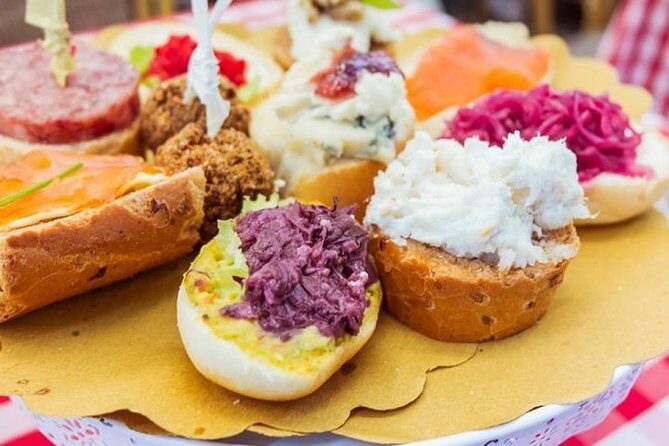
This experience is structured around five appetizers. That number is smart. It’s enough variety to understand balance, but not so much that you lose the plot.
You’ll work with traditional local ingredients, and you should expect a mix of familiar aperitivo-style foods and Lombardy touches. The examples given include:
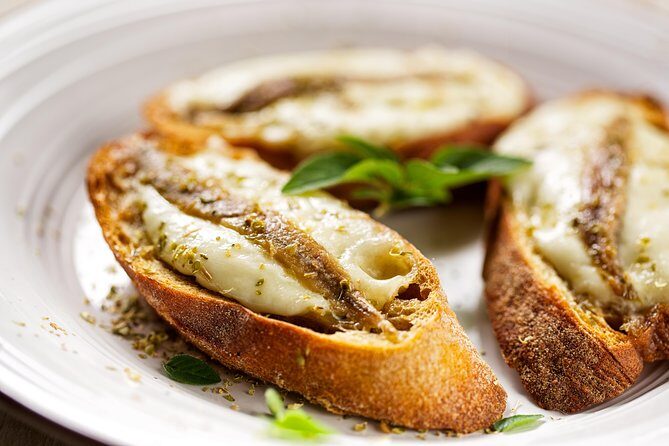
- Bruschetta drizzled with fragrant olive oil
- Freshly grilled market vegetables
- A selection of charcuterie and cheeses
Why this matters: aperitivo works because it’s easy to snack on. You want foods with clear textures and strong flavor cues—crisp, savory, salty, creamy—so you keep reaching for another bite between sips.
The teaching goal isn’t only taste. You learn how to make each component come together into an appealing spread. That can mean arranging foods so the platter invites grazing, and choosing bites that match the drink’s personality. A light snack with a heavy, oaky sip can feel weird; a properly matched spread feels effortless.
Milanese Aperitivo Logic: Matching Snacks to Your Drink
One of the most useful parts of this class is the pairing mindset. The experience focuses on how to build an aperitivo platter that goes with your drink, not just what to eat.
Here’s how to think about it as you learn:
- If your drink is more bitter or crisp, you want snacks that bring comfort or savory depth.
- If your drink is more mellow, you can lean into brighter flavors and crunchy textures.
- If you’ve got a platter with meats and cheeses, the rest of the spread should give contrast—vegetables, bread, and simple flavors that keep the bites moving.
You’ll also learn how to make the spread look inviting. That’s not about fancy plating. It’s about the basic aperitivo truth: people graze best when the food looks easy to pick up and varied enough to keep things interesting.
When you leave with that logic, you’ll order better during your own Milan nights. You’ll know why certain bar snacks are paired together, and you’ll feel less like you’re guessing.
Drinks and Wine of the Territory: What You’ll Be Offered
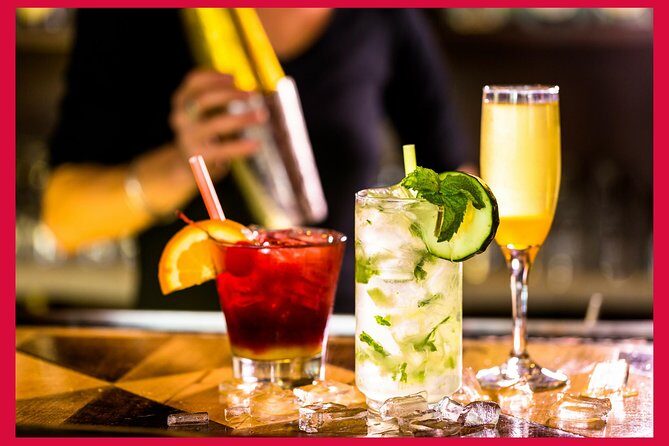
Aperitivo drinks are part of the lesson. Hosts offer a selection of wines from regional cellars, plus typical local drinks. The key detail is that hosts offer only wines of the territory, which keeps the tasting rooted in place.
That territorial approach is valuable for two reasons:
- You get a clearer sense of what locals actually drink alongside local food.
- You build a mental map of Lombardy flavors, so your future choices make more sense.
Even if you don’t consider yourself a wine person, this setup helps. The host can guide you through what’s being offered and what foods the drink is meant to complement. The goal is practical: understand the pairing, not memorize a tasting chart.






Timing, Duration, and Group Size: Why 2 Hours Feels Right
The experience runs about 2 hours and starts at 6:00 pm. That timing matters because aperitivo is most fun right before dinner. You’re not rushed into late-night nightlife, and you’re not stuck waiting for dinner plans to start.
Also, this is a private tour/activity. Only your group participates, which usually means:
- More time for questions
- Less pressure to keep up with a fast-moving crowd
- A calmer home-kitchen pace
This matters most if you’re traveling with a partner, friends, or family and you want the evening to feel like an event you share, not a performance you observe.
Accessibility and Getting There: Practical Milan Advice
The start is in Milan, and the tour ends back at the meeting point. It’s also near public transportation. That combination helps because it reduces the “where exactly do we meet?” stress that can happen with home-based experiences.
You’ll also have a mobile ticket, so you can keep everything on your phone instead of hunting for paper.
Still, for a home experience, your biggest advantage is arriving early. Get your bearings, confirm your exact meeting details, and keep your phone charged. If anything changes in timing or location, being ready avoids turning aperitivo excitement into logistical anxiety.
Price and Value: Is $122.17 Worth It?
At $122.17 per person for roughly 2 hours, this isn’t a budget activity. But it’s also not charging restaurant prices for a seat at the bar.
You’re paying for several value drivers:
- A certified home cook from the Cesarine network
- An in-home lesson (so you learn and interact)
- Five prepared appetizers using local ingredients
- Drinks, including wines from regional cellars and typical drinks
When food is the focus, this format can be good value because it changes what you take home. The practical skill—how to build a Milan aperitivo spread—lasts longer than a one-time meal.
You also get the social payoff. The evening is designed to feel like you’re spending time in a local home while learning. That’s why it earns a high rating: the vibe tends to be relaxed rather than stiff.
Who This Aperitivo Lesson Fits Best
I think this works best if you:
- Love eating experiences that teach you something you’ll actually use later
- Want a Lombardy-focused perspective rather than generic Italy food tips
- Prefer an evening that feels social and calm, not crowded
- Enjoy hands-on cooking, even if you’re not an experienced cook
It can be a strong pick for couples. One highlight from Debora’s kind of host style is that the experience feels stress-free, friendly, and easy to recreate at home—great ingredients for a date-night activity.
If you hate cooking or prefer sightseeing-only evenings, you might find it too food-centered. But if you’re food-first in Milan, this is a very direct hit.
Should You Book This Milan Aperitivo Experience?
Book it if you want to understand aperitivo like a Milanese, not just sample it. The mix of five appetizers, Lombardy context, and the drink-and-snack pairing lesson gives you more than a plate—you get a repeatable approach.
Skip it only if you’re very sensitive to location coordination or you need highly predictable, hotel-style logistics. Home-based tours can occasionally be a little messy, and the best way to handle that is simple: arrive early and confirm details.
If you’re deciding between doing one “food activity” and doing something more personal, I’d lean toward this. It’s one of those evenings where you leave with food memories and a practical skill set, ready for your next aperitivo night in Milan.
FAQ
How long is the aperitivo experience?
It lasts about 2 hours.
What time does it start?
It starts at 6:00 pm.
Where does the experience take place?
It starts in Milan and ends back at the meeting point. It is near public transportation.
Is it a private tour?
Yes. Only your group participates.
What will I prepare during the class?
You’ll prepare five appetizers with traditional local ingredients.
What kind of food should I expect?
The aperitivo selection may include bruschetta with olive oil, grilled market vegetables, and a selection of charcuterie and cheeses.
Will I have drinks or wine?
Yes. Hosts provide a selection of wines from regional cellars and typical drinks, offering wines of the territory.
Can I cancel for a full refund?
Yes. You can cancel up to 24 hours in advance for a full refund.