REVIEW · MILAN
Sforza Castle & Michelangelo’s Pietà Rondanini Guided Tour
Book on GetYourGuide →Operated by Milano Trip Tour · Bookable on GetYourGuide
A masterpiece hidden in plain sight. On this Sforza Castle & Michelangelo’s Pietà Rondanini tour, you get the story of Michelangelo’s last work and the castle around it, all in 1.5 hours. I like two things a lot: the Pietà Rondanini context inside the castle setting, and the Leonardo da Vinci stories that connect the Renaissance dots in Milan. One heads-up: it is a group tour (not private), so you’ll move at a steady pace with other people.
You meet your guide at Piazza Castello under the Clock Tower (Torre Filarete), then step straight into one of Milan’s power-and-art addresses. If you’re visiting the Duomo area anyway, this is a smart add-on because it keeps you close to the center while still feeling like you’ve gone “behind the scenes” of Renaissance Milan.
In This Review
- Key highlights worth planning for
- Why Sforza Castle and the Pietà Rondanini make sense together
- Starting at Piazza Castello: Torre Filarete is your anchor
- The 1.5-hour plan: what fits, what doesn’t
- Stop: Sforza Castle courtyard—where the architecture tells part of the story
- Inside the castle: rooms, galleries, and the Renaissance “power” link
- Michelangelo’s Pietà Rondanini: why the last-masterpiece detail changes everything
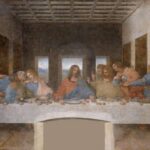
- Leonardo da Vinci stories: how Milan’s Renaissance connects art and science
- What about the rest of the collection?
- The guide, the group, and the headset details that actually matter
- Practical value: is $104.24 a good deal?
- Who this tour suits best (and who should skip it)
- Timing notes that can affect your day
- Bag storage and comfort: small details, big payoff
- Wheelchair and stroller access
- Should you book this guided tour of Sforza Castle and the Pietà Rondanini?
- FAQ
- How long is the Sforza Castle and Pietà Rondanini guided tour?
- How much does the tour cost?
- Where do I meet the guide?
- What’s included in the ticket price?
- What language is the tour guide?
- Is the tour wheelchair and stroller accessible?
Key highlights worth planning for
- Michelangelo’s Pietà Rondanini in the castle setting: not just a photo stop—this tour explains why the sculpture matters and where it lives.
- Leonardo da Vinci stories woven in: you hear how Renaissance art and science overlap in Milan.
- Courtyard + interior visit: you get the Renaissance architecture outside and the rooms and galleries inside.
- Small-group style with headsets: headset use is included for groups up to 11 participants.
- English live guide: designed for English speakers, with clear, guided narration through the main sights.
- Meet at Torre Filarete: easy to orient yourself in Piazza Castello before you start.
Why Sforza Castle and the Pietà Rondanini make sense together
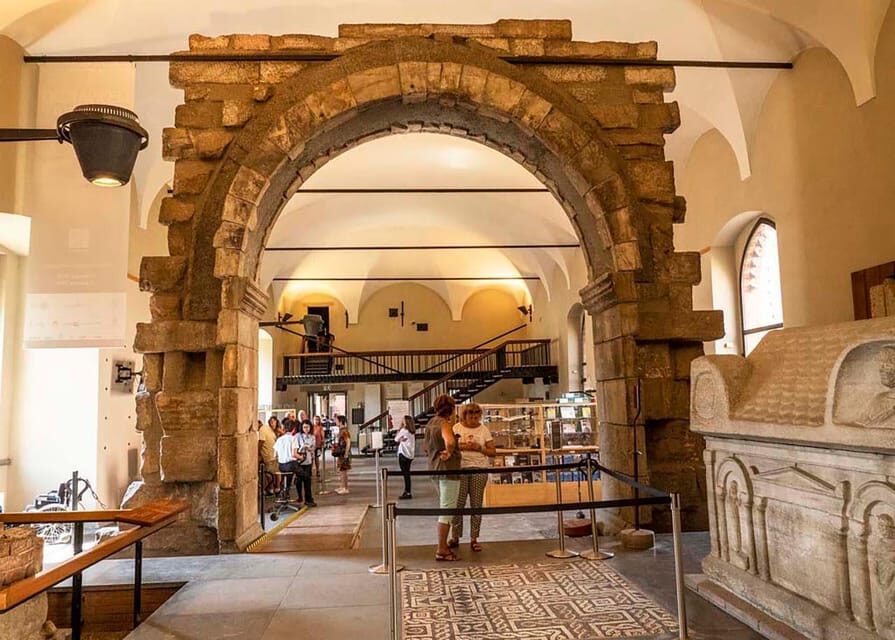
Milan is often sold on the Duomo, Last Supper, and shopping streets. But when you step into Sforza Castle, you’re looking at the political and cultural engine that helped art thrive there. The castle isn’t just walls and corridors. It’s a reminder that Renaissance Milan had leaders who treated art like power.
Then there’s Michelangelo’s Pietà Rondanini, which is a huge deal because it’s tied to the very end of his life. This tour is built to help you see the sculpture as more than an artwork behind glass. You’ll learn that Michelangelo created it when he was 89 years old, a few days before his death, and that changes how you look at it. Even if you don’t normally read about artists, that kind of timing gives the sculpture an emotional weight.
What I like: the tour doesn’t treat the Pietà as a lone “must-see.” It places it in Sforza Castle, where Milan’s history, families, and art collections all overlap.
You can also read our reviews of more guided tours in Milan


Starting at Piazza Castello: Torre Filarete is your anchor
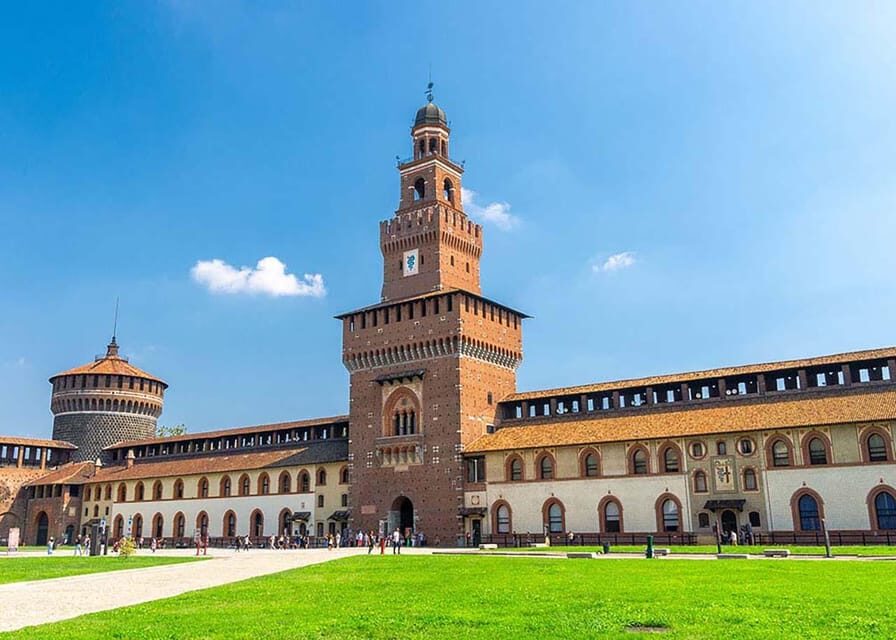
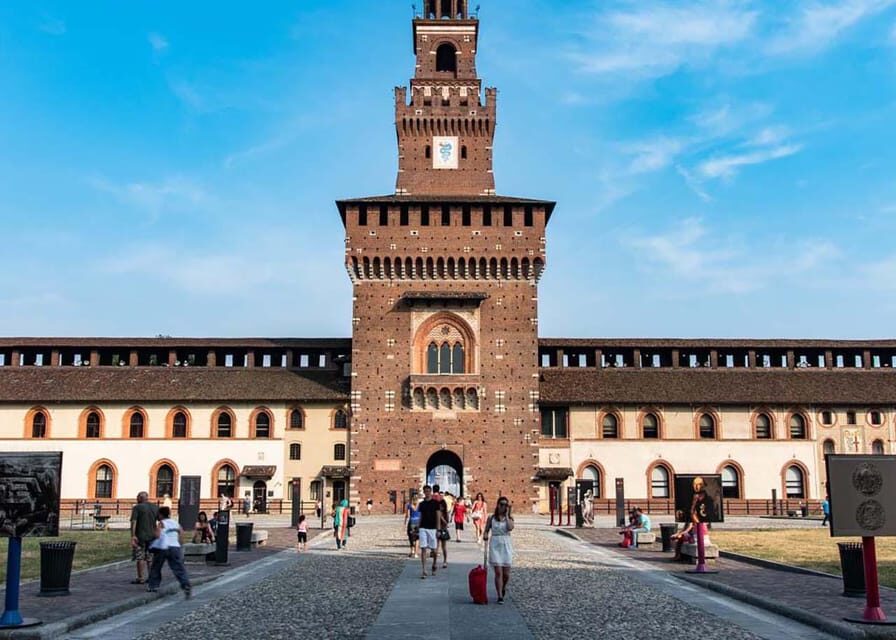
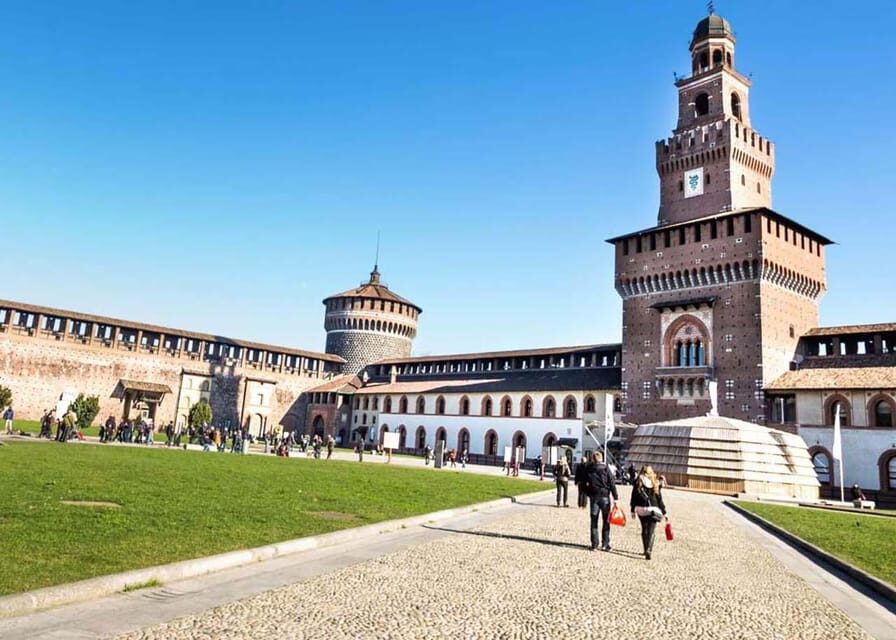
Your meeting point is Piazza Castello, and specifically: meet under the Clock Tower (Torre Filarete). You’ll look for the Italy Hidden Experiences sign, then your guide takes it from there.
Why this matters: Piazza Castello is busy, and meeting points that don’t use a clear landmark can turn into a frustrating scavenger hunt. Torre Filarete is hard to miss once you’re there, and that helps you get your bearings fast without stress.
Also, the tour includes an online consultant who sends boarding information, plus online support around the boarding process. That doesn’t replace showing up early, but it usually reduces last-minute confusion.
The 1.5-hour plan: what fits, what doesn’t
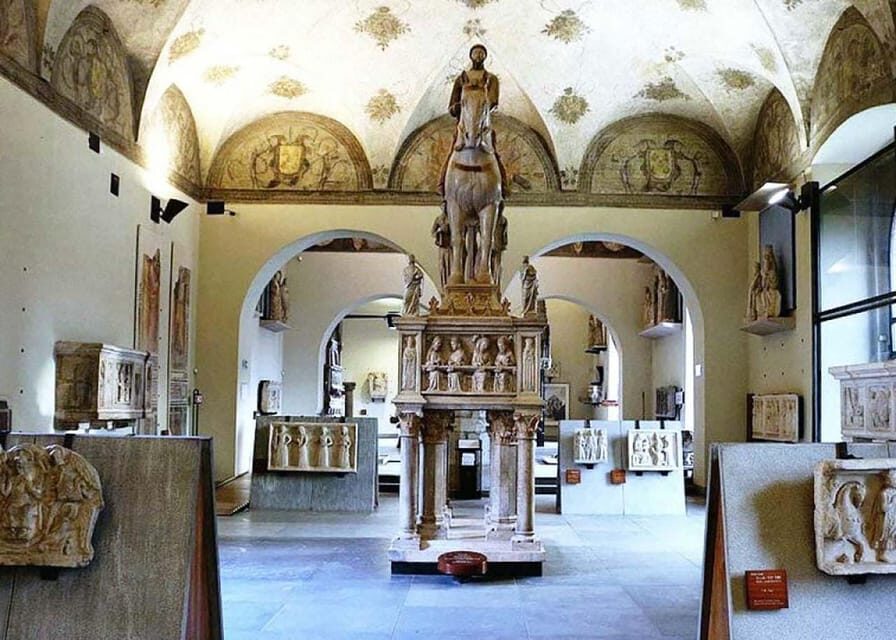
This is a 1.5-hour guided experience. That length is perfect if you want the main storyline without losing half your day in a museum maze.
Here’s what you should expect in practice:
- You’ll start at Piazza Castello.
- You’ll enter Sforza Castle for a guided visit.
- You’ll return back to Piazza Castello.
Because time is tight, the guide focuses on the key rooms and galleries that connect the castle to the Pietà Rondanini and to the Renaissance stories you’re there for. If you were hoping for hours of unhurried museum wandering on your own, this might feel a bit focused. But if you want “see the right things and understand them,” the timing is a win.
Stop: Sforza Castle courtyard—where the architecture tells part of the story
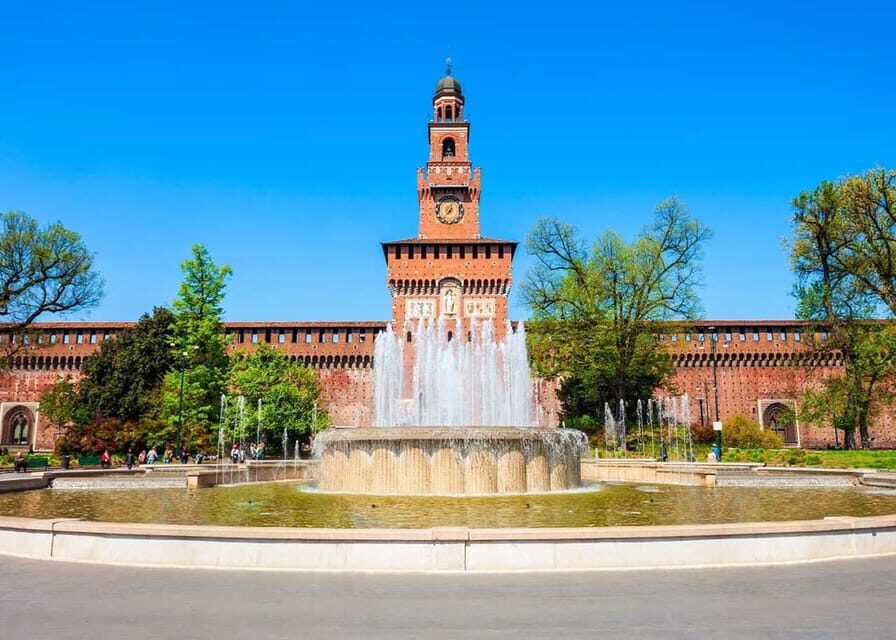
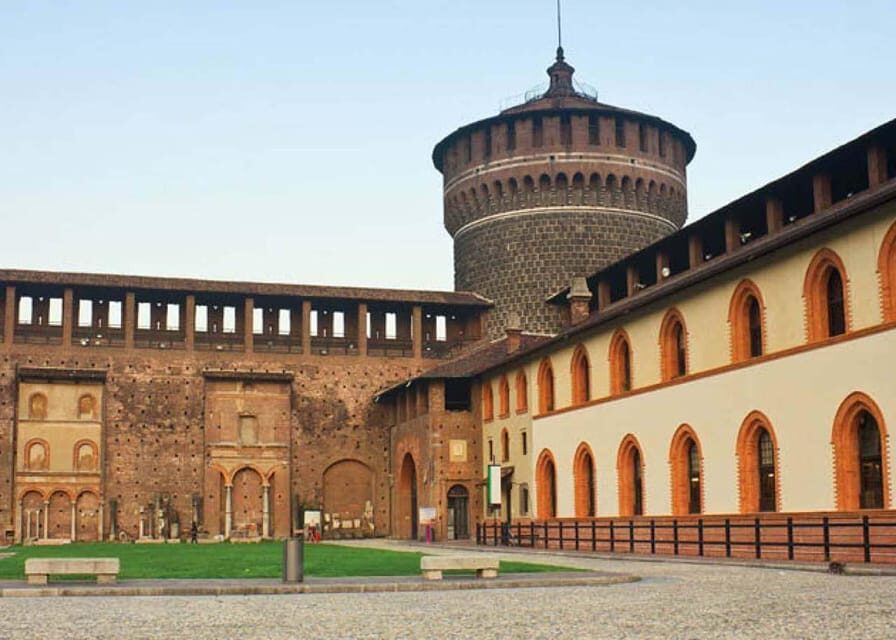
Once you reach Sforza Castle, you don’t jump straight into a dark interior room. You start with the courtyard and the Renaissance architecture there.
I find courtyards to be a turning point on tours like this, because they give you scale. You can actually sense the castle’s layout and how it functioned as a center of influence. In Milan, that matters: the guide explains how the castle operated as a focus of power and culture during the Renaissance, and the space helps the explanation land.
This courtyard segment also helps with photos, even if you’re not going for a “perfect angle.” You get open sightlines that make the castle feel less like a building and more like a complex designed for movement, authority, and gathering.
Inside the castle: rooms, galleries, and the Renaissance “power” link
After the courtyard, the tour moves through the interior rooms and galleries. You’re not just walking through random halls—you’re following a guided historical narrative that ties the castle to Milan’s powerful families and to major art housed there.
The tour includes entrance to the castle and museum, so you’re covered for access during the guided time. Your guide explains the importance of what you’re seeing and how it connects into the larger story of Renaissance Milan.
One value here is interpretation. You might recognize the names of big artists, but museums can still feel like a stack of objects. A good guide connects those objects to the people and ideas that shaped them. On this tour, that connection is anchored by the Pietà Rondanini and the tour’s Renaissance storyline.




Michelangelo’s Pietà Rondanini: why the last-masterpiece detail changes everything
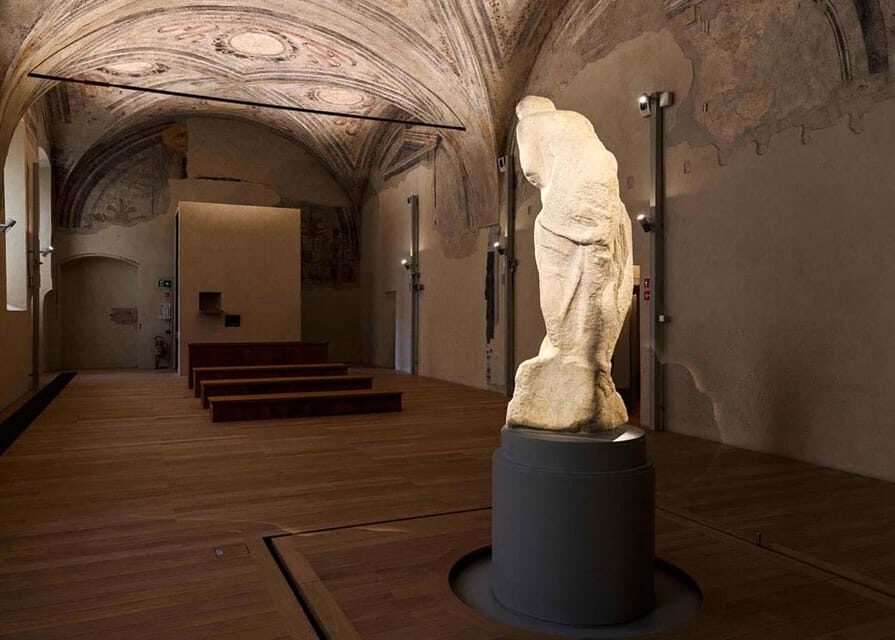
The headline is Michelangelo’s Pietà Rondanini, presented as his last masterpiece. The tour emphasizes that Michelangelo made it at 89, just days before his death. That single fact is more than trivia—it changes your posture as you look.
When you’re standing in front of it, you’re not only seeing a religious subject or a sculptural technique. You’re also seeing the end of a lifetime’s worth of work, distilled into a final statement. That’s why context matters so much here, and why I’d rather do a guided tour than rush through on my own without the emotional and historical frame.
Also, having the Pietà inside Sforza Castle is meaningful. This isn’t a sterile gallery experience. It’s part of a collection shaped by Milan’s own taste and priorities over time—so the artwork feels like it belongs to the city’s story.
Leonardo da Vinci stories: how Milan’s Renaissance connects art and science
This tour also gives you Leonardo da Vinci context. You’ll hear stories about him and his contributions to both art and science, and how that legacy still shows up in Milan.
I like this part because it makes the Renaissance feel like one connected world. You don’t get Leonardo as a separate “celebrity artist” you only associate with sketches. You get him placed into the broader network of ideas that overlapped with artists and patrons in the same era.
If you’re the type of traveler who enjoys seeing the “why” behind famous artworks, this is a good match. It also helps if you’re pairing Milan sights together—Leonardo shows up in the city’s cultural identity in more than one way, and the tour gives you a narrative that makes other stops easier to understand.
What about the rest of the collection?
In addition to the Pietà, the castle collection includes works by other great artists and historical artifacts. The guide uses them to build a wider panorama of Renaissance art and culture.
One thing to keep in mind: the exact objects you see depend on how the visit is managed inside the castle that day. But the structure of the experience is consistent: you’ll get a guided view where the Pietà and the Renaissance storyline are the center of gravity.
So you’re not just checking a single box. You’re getting enough surrounding material to make that box mean more.
The guide, the group, and the headset details that actually matter
This is a live guided tour in English, led by a certified guide. There are headsets included (the info specifically notes headsets for 11 participants), which is a practical perk in a castle setting where acoustics and spacing can make it hard to hear clearly.
Because it’s not private, you’ll be part of a group rhythm. The upside is that group pacing helps you cover key areas without thinking too hard about logistics. The downside is you won’t have the freedom to pause for 30 minutes in one corridor if you find something you love.
Also, the tour is designed for monolingual guidance (English only). If you’re comfortable in English, great. If not, you’ll want to choose a different option.
Practical value: is $104.24 a good deal?
At $104.24 per person, the price isn’t “cheap,” so you should ask what you’re actually paying for: a guided experience with entrance to the castle and museum, live English narration, and headsets.
You’re also paying for time efficiency. In 1.5 hours, you cover:
- a major museum/castle entry,
- the courtyard and interior rooms/galleries,
- and the tour’s two anchor topics: Pietà Rondanini + Leonardo da Vinci stories.
If you already plan to spend time around central Milan (near the Duomo) and you want an informed visit without spending hours figuring things out, this is good value for how much meaning the guide adds per minute.
If you prefer slow wandering, then the per-hour value might not feel as strong. But for most people who want structure and context, it’s a solid way to spend a morning or early afternoon.
Who this tour suits best (and who should skip it)
This tour is a great fit if you:
- want one high-impact art stop with strong context,
- enjoy Renaissance stories tied to place, not just names,
- like guided museum time that keeps you moving efficiently,
- are spending limited time in Milan and want to hit a meaningful site near the center.
It may not be the best choice if you:
- want lots of free time to roam and stop wherever you want,
- are only interested in a quick exterior view (this is focused inside the castle),
- need a private, silent pace.
Timing notes that can affect your day
The tour runs at starting times that depend on availability, and if your chosen time isn’t available, you may be transferred to another time on the same day. In last-minute cases, if there aren’t seats, you might be placed on the day following your reserved date.
Also, double-check your schedule so you’re not counting on a very specific minute window. This tour is built to be straightforward, but availability shifts can happen.
Bag storage and comfort: small details, big payoff
Big bags and backpacks must be checked in the locker room. That’s common for castle/museum spaces, but it matters for your planning—if you’re carrying a lot of stuff, you’ll want to budget a little extra time and keep your essentials easy to grab.
Good shoes help too. Even though the total duration is short, you’ll move through courtyard and indoor rooms.
Wheelchair and stroller access
The experience is listed as accessible to wheelchairs and strollers, which is excellent news for families and mobility needs. If you’re traveling with a stroller, you’ll still want to keep the pace in mind since group movement can be tight in some museum corridors, but the tour is designed with access in view.
Should you book this guided tour of Sforza Castle and the Pietà Rondanini?
I’d book it if you want the cleanest route to seeing Michelangelo’s Pietà Rondanini with context and you’re happy to trade a little independent wandering for a guided narrative. The big strengths are the pairing of the Pietà with Sforza Castle and the Leonardo da Vinci stories that make the Renaissance feel connected instead of like separate facts.
Skip it if you’re the kind of traveler who wants long, quiet time to wander and you already know you’ll read everything on your own. In that case, you might prefer a slower museum visit on your schedule.
For most visitors in Milan, though, this is a strong use of 1.5 hours: you get a major artwork, the right setting, and a guide to translate the place into story.
FAQ
How long is the Sforza Castle and Pietà Rondanini guided tour?
The tour lasts 1.5 hours.
How much does the tour cost?
The price is $104.24 per person.
Where do I meet the guide?
Meet your guide under the Clock Tower (Torre Filarete) in Piazza Castello, and look for the Italy Hidden Experiences sign.
What’s included in the ticket price?
Included are entrance to the castle and museum, a certified tour guide, headsets, and online support for boarding information.
What language is the tour guide?
The live tour guide speaks English.
Is the tour wheelchair and stroller accessible?
Yes, the tour is listed as accessible to wheelchairs and strollers.