REVIEW · MILAN
Share Your Pasta Love in a Local’s Home in Milan
Book on Viator →Operated by Cesarine: Cooking Class · Bookable on Viator
Fresh pasta starts with your hands.
This Milan experience is interesting because you learn hands-on pasta-making in a real, stylish local home, not a crowded workshop. I also love the order of things: you begin with an aperitivo and wine, then you roll up your sleeves and turn flour into dinner. One drawback to keep in mind: you only have about 1.5 hours, so it’s not the kind of class where you linger for hours perfecting every detail.
What makes it feel especially Milanese is the small group size (max 10), which keeps the pace friendly and the questions flowing. A couple of hosts I kept noticing in the stories people shared—Davide, Enrico, and Cristina—sound like the kind of people who treat this like hospitality first, instruction second.
In This Review
- Key things to know before you go
- A Milanese Home Kitchen, Not a Factory Classroom
- Who this suits best
- Aperitivo First: The Wine-Soaked Start That Sets the Tone
- From Flour to Fresh Pasta: What You’ll Learn in 90 Minutes
- A small reality check
- Tagliatelle, Fettuccine, or Ravioli: Choosing Your Pasta Moment
- The Aperitivo to Dinner Transition: Sitting Down and Eating What You Made
- The best part: conversation time
- Price and Value: Why $63.88 Can Actually Make Sense
- How to Make the Most of the Class (Without Overthinking It)
- Should You Book This Milan Pasta Experience?
- FAQ
- How long is the pasta-making experience?
- Where does the experience start?
- Is there a return to the starting point?
- What’s the group size limit?
- Does the class include food and wine?
- What types of pasta will I learn to make?
- Can I add dessert or espresso?
- How do I get the ticket?
- Is it near public transportation?
- What is the cancellation policy?
Key things to know before you go
- Aperitivo-style welcome first, then pasta work
- Max 10 people, so you actually get time at the counter
- You’ll learn classic Northern shapes like tagliatelle, fettuccine, and ravioli
- You eat what you make, seated in the home
- Wine included with a complimentary glass (and wine sharing by group)
- Casual, lived-in home atmosphere, often with a relaxed kitchen/living-room setup
A Milanese Home Kitchen, Not a Factory Classroom
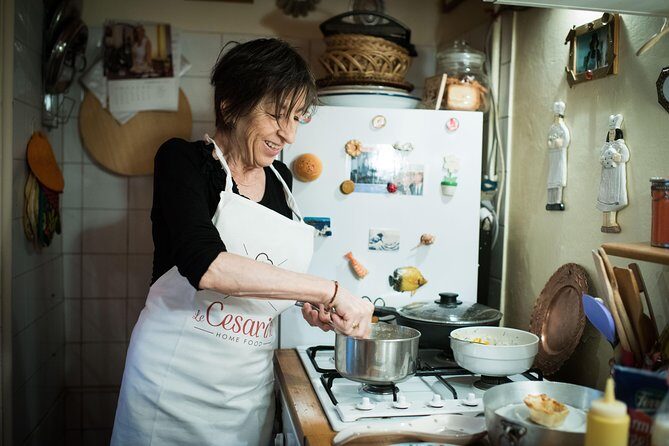
This is the sort of food experience that makes you feel like you’ve stepped into someone’s normal week. You’re not shuttled through a showroom or stuck watching from the sidelines. The setting is a local home, so the vibe tends to be warm and informal, with room for conversation. One person described the feel as even more relaxed than expected—more living-room cozy than “serious culinary school.”
That home setting matters. In a real kitchen, the class doesn’t feel like a performance. You’re learning technique that people use every day (or close to it): how dough should feel, how to work it without overthinking, and how shaping creates that final bite. It’s also a good reminder that Milanese and Northern Italian cooking isn’t about fancy sauces first. It’s about the base—fresh pasta—that lets simple flavors shine.
You can also read our reviews of more tours and experiences in Milan.



Who this suits best
If you like interactive food moments and you’re happy getting slightly flour-dusted, this fits well. It’s also ideal for couples, friends, and anyone who wants a change from museum-and-mirrors days.
Aperitivo First: The Wine-Soaked Start That Sets the Tone
The pacing here is smart: you begin with an Italian aperitivo and a small welcome appetizer before you start rolling dough. That early snack-and-sip moment isn’t just for fun. It also lowers the stress level. You’re not walking into a class already hungry, and you’re not trying to learn texture and timing on an empty stomach.
Then comes the wine part. The experience includes a complimentary glass of wine, and the celebration includes a bottle shared by about three guests. For me, that signals the intention of the evening: this isn’t only about skill-building. It’s also about sitting down together afterward and actually enjoying what you made.
If you’re the type who likes to understand culture through daily habits, the aperitivo approach is a win. It’s a small slice of Italian rhythm—eat together, talk first, cook second, taste always.
From Flour to Fresh Pasta: What You’ll Learn in 90 Minutes
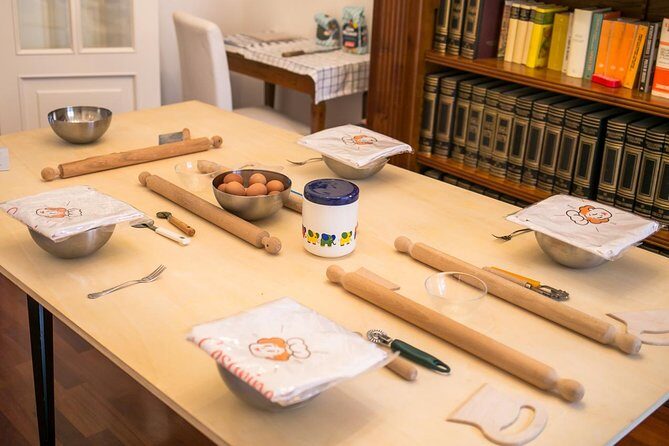
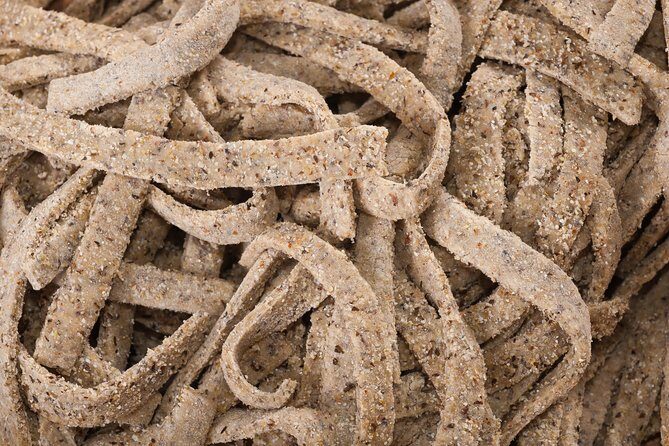
The core of the experience is straightforward: you’ll make fresh homemade pasta from scratch with expert guidance. In just about 1.5 hours, you’ll mix, knead, and shape classic pasta styles. The class focuses on Northern Italian favorites—especially tagliatelle, fettuccine, and ravioli.
Here’s what you should pay attention to while you work:
- How the dough feels as you knead. You’ll learn that pasta dough is more about texture than measuring perfection.
- How shaping changes the bite. Even if you’re not aiming for restaurant-level symmetry, the technique teaches you what matters.
- Timing. Fresh pasta doesn’t wait. When you’re ready, you move.
A hands-on class can sometimes feel rushed, but with a group size limited to 10, you’re less likely to feel stranded. You’ll still need to move at the class pace, but the teacher support is the difference between learning and just following steps.
A small reality check
You’ll do a lot in a short time. If you’re expecting a super slow, slow-motion lesson, plan to treat this as a “skills + dinner” evening rather than a multi-hour craft workshop.






Tagliatelle, Fettuccine, or Ravioli: Choosing Your Pasta Moment
This is one of the most enjoyable parts because the pasta shapes aren’t interchangeable at the table. Tagliatelle and fettuccine teach you about rolling and cutting—getting the strips consistent enough to cook evenly and taste right. Ravioli adds another layer: shaping and forming individual pieces, which helps you understand how pasta works when it holds something inside.
You don’t need to be a pro cook to do well here. The value is in the learning process: you’ll follow technique, then you’ll see the result with your own eyes. That’s the kind of “I get it now” moment that food classes are supposed to create.
Also, ravioli is a great choice if you want a more memorable takeaway. A shaped pasta you made with your own hands is more satisfying to cook again later, even if you simplify.
The Aperitivo to Dinner Transition: Sitting Down and Eating What You Made
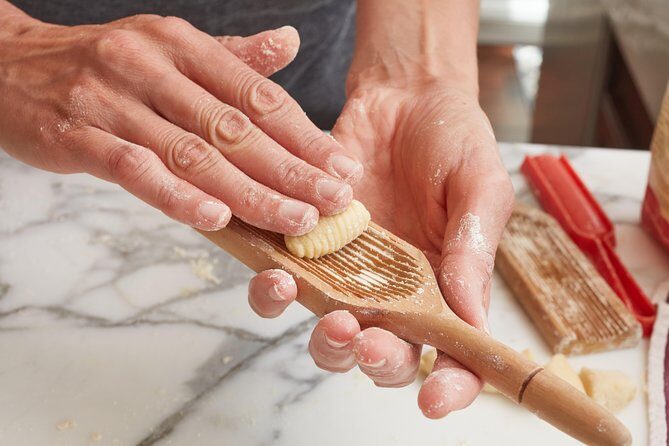
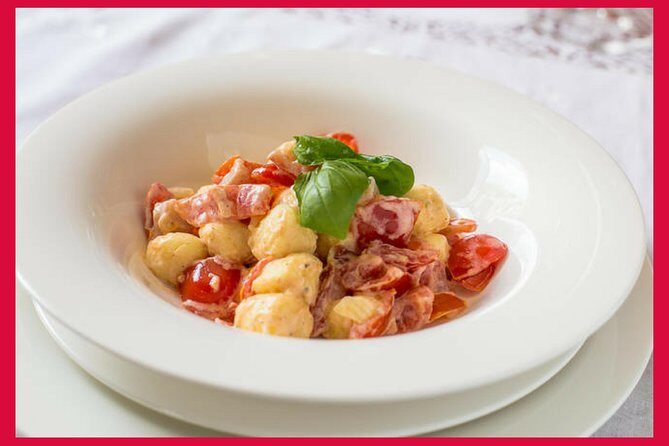
Once your pasta is ready, you shift from workshop mode to dinner mode. You sit down in the home and enjoy the dish you created. This is where the experience becomes more than a class.
You’ll also get a proper toast moment with wine—again, the bottle-sharing setup means it stays social rather than stiff. For me, that matters. There’s a big difference between tasting a pasta sample and eating your own work with a glass in hand. The satisfaction hits differently, especially because you’ve handled the dough yourself.
And if you want to extend the meal, the experience offers an optional finish: you can end with homemade dessert or an authentic Italian espresso, depending on what’s available and how you feel. Even when dessert isn’t the main event for you, an espresso finish is a classic Italy move—short, focused, and part of the after-dinner calm.
The best part: conversation time
Because this takes place in someone’s home, there’s usually room to chat. One person highlighted how welcoming the hosts felt, including one couple who celebrated a birthday surprise. That kind of warmth is exactly what you should look for—people who treat you as a friend for the evening.
Price and Value: Why $63.88 Can Actually Make Sense
At $63.88 per person, this isn’t the cheapest way to eat in Milan—but it also isn’t trying to be. The value comes from what’s included and what you’re paying for.
You’re getting:
- Guidance to make fresh pasta from scratch
- The ingredients and equipment needed for the session
- A welcome aperitivo and appetizer
- Wine included (complimentary glass, plus bottle shared by the group)
- A sit-down meal where you eat what you made
- A small-group setting (max 10)
In a typical restaurant meal, you pay for the dish. Here, you’re paying for the skill and the experience around the dish. And because it’s in a local home, your “overhead” isn’t a giant venue with a big staff—you’re funding the host’s time and teaching effort.
Is it worth it? If you love food and want a hands-on memory you can repeat, yes. If you only want a quick meal and hate workshops, you might prefer a dinner out.
How to Make the Most of the Class (Without Overthinking It)
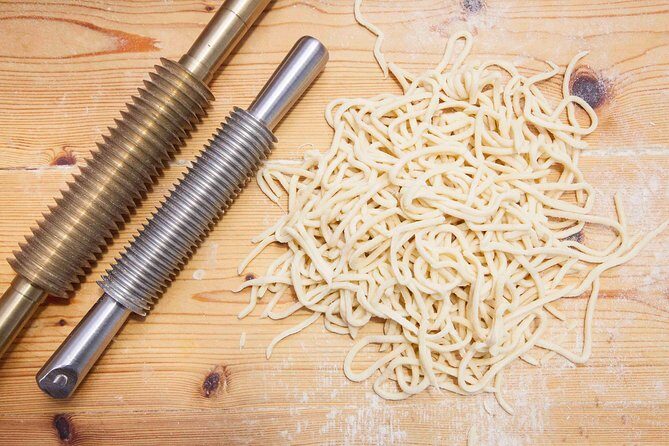
This kind of activity rewards simple preparation. Keep these in mind so the 90 minutes feel fun, not frantic:
- Wear comfortable clothes. You’ll likely handle dough. Even if you try to stay clean, it happens.
- Arrive with a calm mindset. Your best results come from focusing on feel, not perfection.
- Ask questions while you’re working. The teacher guidance is most useful while you’re still shaping and adjusting.
- Don’t ignore the wine-and-aperitivo window. It sets the tone and helps you relax before the dough.
- Be ready to eat soon after cooking. This isn’t a long, slow meal. The pacing is part of the charm.
If you’re coming for a special occasion, this is also a great format. Celebratory home-style meals have a way of turning a trip into a story you’ll remember.
Should You Book This Milan Pasta Experience?
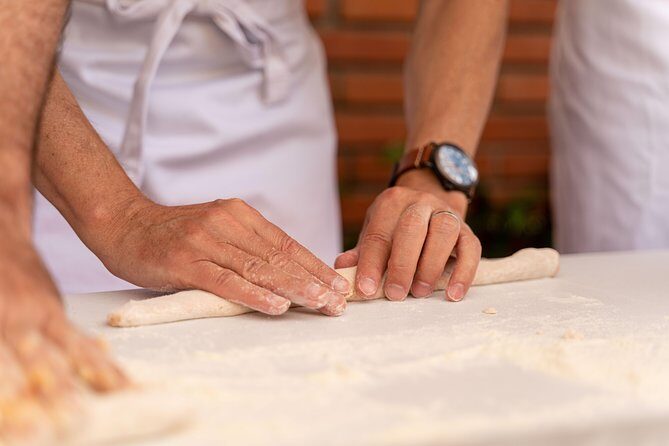
Book it if you want a local-home food evening where you learn and eat in the same night. The combination of aperitivo, guided hands-on pasta making, wine, and a sit-down meal is exactly the kind of “Italy you can taste” experience that feels worth the time.
Skip it if you want a strictly sightseeing schedule or you hate anything hands-on. Also, know that it’s about 1.5 hours, so you shouldn’t expect a slow, step-by-step journey with plenty of downtime.
If you’re traveling with friends and you like cooking experiences that feel personal, this one is a strong pick. And if you want a food memory that goes beyond a photo of a plate, making fresh pasta in a Milan home is about as direct as it gets.
FAQ
How long is the pasta-making experience?
It lasts about 1 hour 30 minutes.
Where does the experience start?
It starts at Corso Vercelli, Milano MI, Italy.
Is there a return to the starting point?
Yes. The activity ends back at the meeting point.
What’s the group size limit?
The experience has a maximum of 10 travelers.
Does the class include food and wine?
You’ll have an Italian aperitivo to start, and there’s a complimentary glass of wine. You’ll also enjoy the pasta dish you make during the meal.
What types of pasta will I learn to make?
You’ll learn to prepare and shape classic pasta such as tagliatelle, fettuccine, or ravioli.
Can I add dessert or espresso?
If you’d like, you can end the meal with homemade dessert or an authentic Italian espresso.
How do I get the ticket?
You’ll have a mobile ticket.
Is it near public transportation?
Yes, it’s near public transportation.
What is the cancellation policy?
Cancellation is free up to 24 hours in advance for a full refund.