REVIEW · MILAN
Milan: 4-Hour Art and History Private Walking Tour
Book on GetYourGuide →Operated by Segway Bike Walk Tour CITY GUIDED TOUR · Bookable on GetYourGuide
Milan clicks faster with the right guide. This private 4-hour walk is built for art-and-history lovers, with Duomo entry included and a licensed guide who can explain what you’re seeing without rushing you. I especially like the go-at-your-own-pace setup, which makes it easier to slow down, ask questions, and actually look. The main thing to watch: the dress code for churches is strict (no shorts, no sleeveless tops), and you can be refused entry.
One highlight for me was how clearly the guide (Emilio, in one set of comments) talked through Milan’s layers—history that connects buildings, not just dates. You also get headsets, so you’re not craning your neck trying to hear over a busy square. If you’re hoping to add the Last Supper, plan ahead: those tickets aren’t included, and you can’t grab them last minute.
In This Review
- Key Things You’ll Get From This Duomo-to-Castle Walk
- Why This Milan Private Walking Tour Fits Real Sightseeing
- Starting at Galleria Vittorio Emanuele II: Where the City Looks Its Best
- Duomo di Milano: The Included Entrance That Changes the Whole Trip
- Dress code matters more than you think
- Duomo Exterior Time: Knowing What You’re Looking at
- Galleria Vittorio Emanuele II: The City’s Old-World Shopping Arcade
- La Scala (Outside): Opera House Energy Without the Ticket Trap
- Brera District: Student Creativity Meets Historic Streets
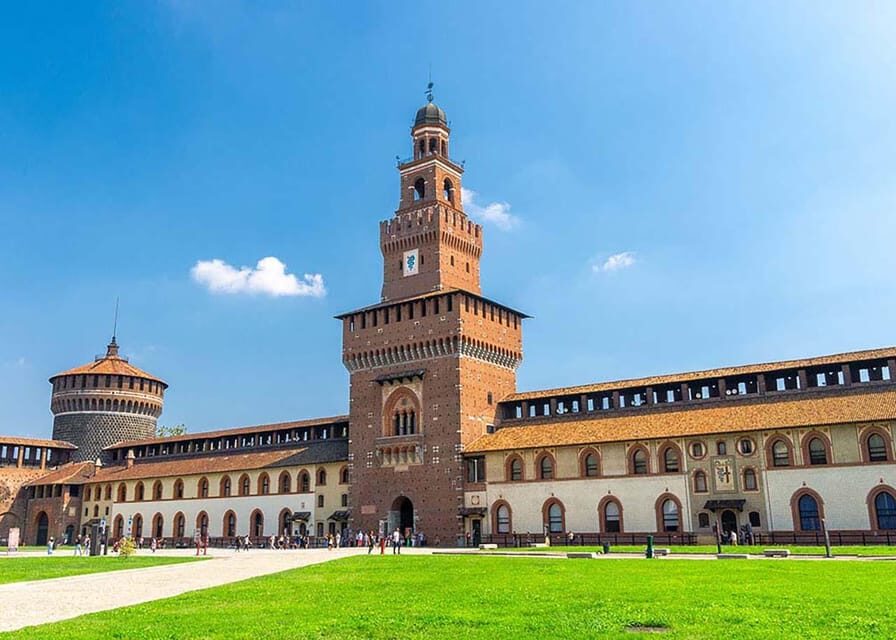
- Sforza Castle: Where Milan’s Dukes Made Power Visible
- The Licensed Art-History Guide: Where the Experience Really Becomes Yours
- How you can personalize the route
- Pacing, Headsets, and the Real Comfort of a Private Group
- Price and Value for Up to 4 People
- Things to Know Before You Go (So No One Gets Turned Away)
- Should You Book This Milan 4-Hour Art and History Private Walking Tour?
- FAQ
- How long is the Milan private walking tour?
- Is this tour private?
- Where does the tour start and where does it end?
- What is included in the price?
- Do I need to pay separately for the Duomo?
- Which sights are typically covered during the 4 hours?
- Are Last Supper tickets included?
- What languages are the guides available in?
- Is there a dress code?
- Is there a cancellation policy or a way to pay later?
Key Things You’ll Get From This Duomo-to-Castle Walk
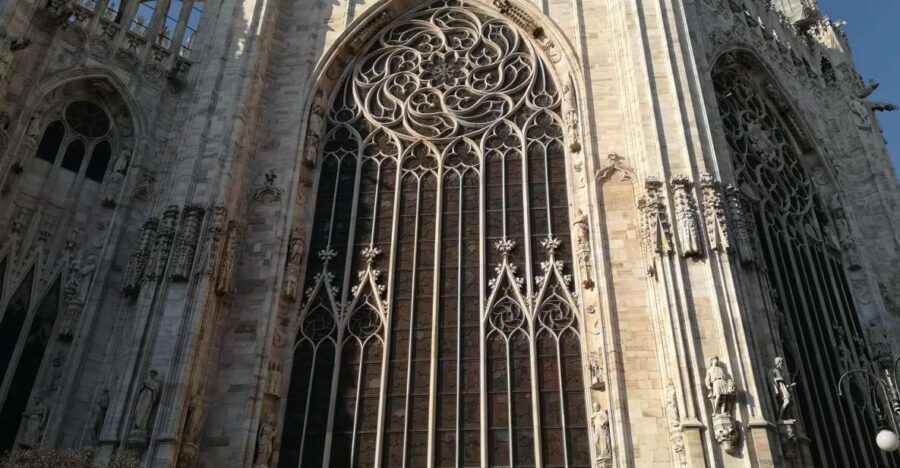
- Duomo Cathedral entrance fee included (inside and outside)
- Skip the ticket line for the Duomo visit
- Headsets included, so you hear the guide clearly while walking
- A tight center route covering Duomo, Galleria, La Scala, Brera, and Sforza Castle
- Personalization time, so you can add places you care about most
- Private group format, for up to 4 people and a calmer pace
Why This Milan Private Walking Tour Fits Real Sightseeing
A 4-hour walking tour can sound long on paper, but in central Milan it’s a smart length. You get a real slice of the city’s core without spending your day inside venues that sap your energy. The private format is the big advantage: you’re not stitched into a big pack, so you can linger at the Duomo as long as you want and still finish on time.
Value-wise, this works because the Duomo piece is the costly, timed part for many visitors. You also get a guide with an art history background, which changes the tone of the trip. Instead of just pointing and moving on, you learn how Milan’s landmarks connect to each other—church power, court power, and the city’s creative energy.
The tour is offered for either a morning or an afternoon slot. That matters because Milan’s streets can feel very different depending on the light and crowd flow, and you’ll want the calmer moments if you’re photographing.
You can also read our reviews of more walking tours in Milan

Starting at Galleria Vittorio Emanuele II: Where the City Looks Its Best
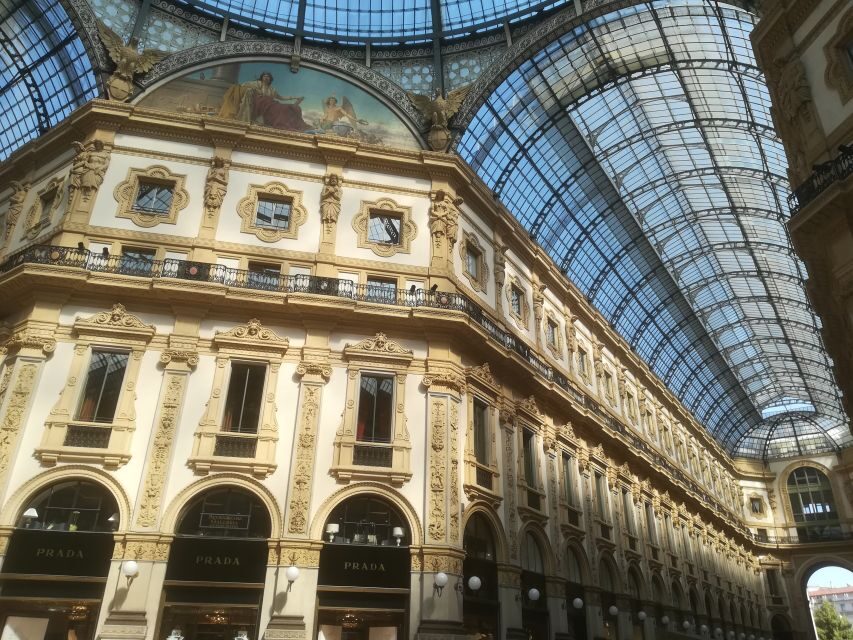
You meet at the entrance under the lodge of Galleria Vittorio Emanuele II, right at the corner with Piazza del Duomo. It’s a brilliant start, because you’re already standing in one of Milan’s best-known architectural spaces before you even begin your walk.
This matters for two reasons. First, it gives you instant orientation. Second, it sets a tone: Milan isn’t just a cathedral stop—it’s also a city of clever design, art, and public spaces. From here, it’s easy to understand the next beats of your route without feeling lost.
Duomo di Milano: The Included Entrance That Changes the Whole Trip
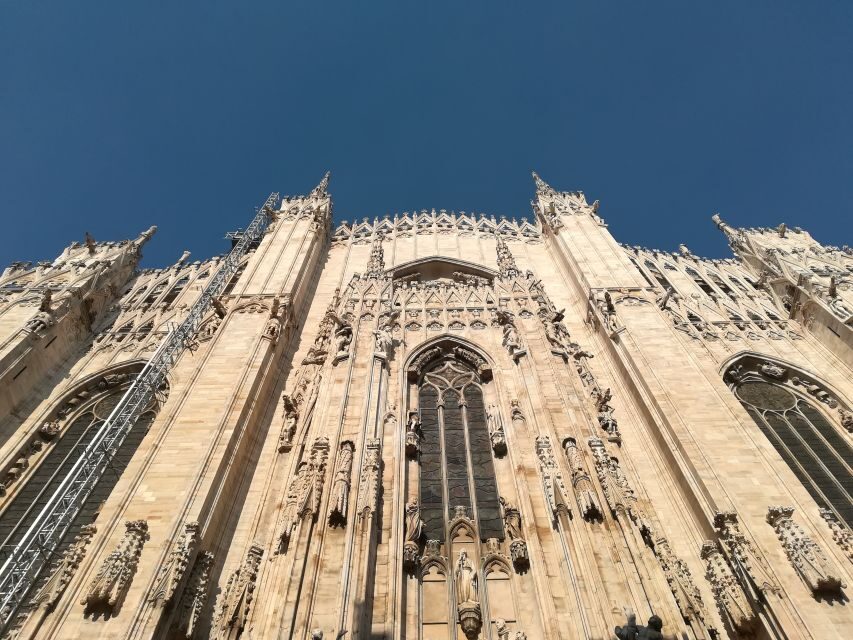
The Duomo is where this tour earns its keep. You get the entrance fee included, and you can visit both inside and outside as part of the 4-hour experience. That’s huge, because many self-guided plans either cut the interior visit short or force you to wrestle with ticket timing.
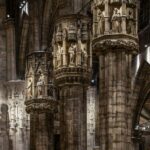
Inside the Duomo, the experience is about scale and detail. You’ll see why it’s described as one of the largest and most richly decorated cathedrals in the world. The guide’s job here is practical: pointing out what to focus on so you don’t just get overwhelmed by “pretty architecture” in every direction.
Dress code matters more than you think
If you’re planning to enter, treat the dress code like a hard rule, not a suggestion. You need shoulders and knees covered for both men and women. No shorts, no sleeveless tops. If you don’t comply, there’s a real risk of being refused entry, and that would waste one of the tour’s core benefits. Plan your outfit with this in mind—light layers help in Milan.
Duomo Exterior Time: Knowing What You’re Looking at
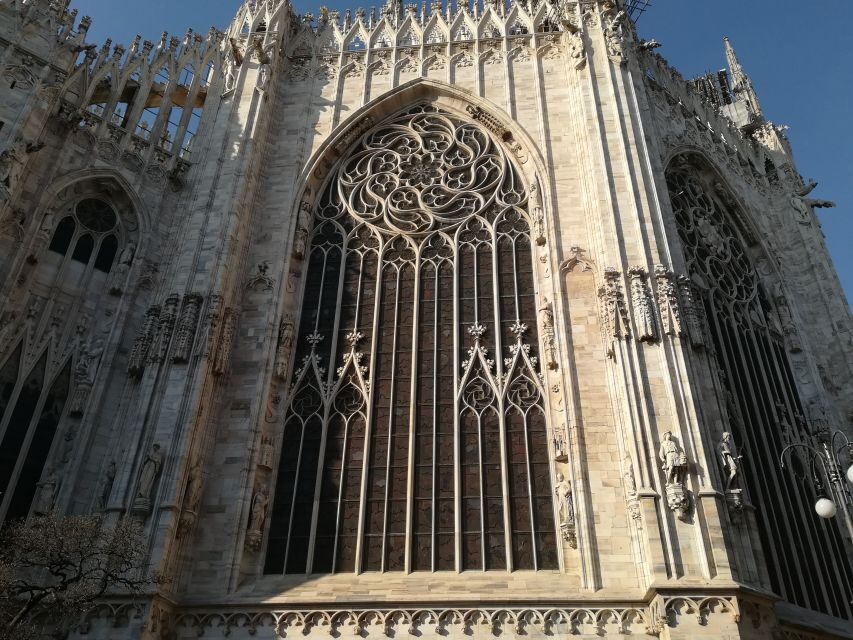
Outside time isn’t filler here. The Duomo’s facade work is part of the story, and you’ll want a few minutes to read the building rather than just stand and photograph. A good guide makes this easier by turning the facade into a set of clues, so you understand what you’re seeing instead of collecting random images.
If you like your sightseeing with a bit of meaning, this is one of the best spots on the route. You can spend extra minutes here without throwing off the rest of the tour because the walking plan is designed around this centerpiece.
You can also read our reviews of more private tours in Milan




Galleria Vittorio Emanuele II: The City’s Old-World Shopping Arcade
After the Duomo, you step into the Victorio Emanuele II shopping arcade, a predecessor of modern shopping malls. That line matters. This isn’t just a pretty corridor—it’s a snapshot of how public life and commerce got stitched together under a roof.
This stop is valuable even if you’re not shopping. You’re watching Milan’s design thinking at work. The guide can help you connect why the arcade feels like a “main street,” even though it’s enclosed. It’s a good pause from big open squares, and it keeps the tour from becoming one long string of churches and monuments.
La Scala (Outside): Opera House Energy Without the Ticket Trap
Next comes La Scala, Milan’s opera house. The tour typically includes it from the outside only. That can actually be a relief if you don’t have opera tickets or if your timing doesn’t line up with performances.
From the outside, you can still understand why La Scala is such a big deal in the city’s cultural identity. The guide’s art history lens helps you place it in Milan’s larger story—court culture, public spectacle, and the city’s long relationship with the performing arts.
Practical note: even without entering, it’s worth treating this as a moment to look closely. The facade and setting give you a clear sense of scale, and you’ll feel more confident later if you decide to plan an opera visit on your own.
Brera District: Student Creativity Meets Historic Streets
Then you head into Brera, an area known for art-school presence—the Academy of Fine Arts and its creative students. The point of this stop isn’t just the neighborhood vibe. It’s that Brera makes sense when you understand the people shaping it, not just the buildings.
With a guide, you’ll learn how art education changes a district’s rhythms. That makes Brera more than a background for photos. You start to notice details like how streets meet plazas, where life concentrates, and why this part of Milan feels made for walking and lingering.
I like Brera because it breaks up the “monument” feeling of the day. The tour shifts from stone power (Duomo, castle) to human energy—where you can better imagine artists working, studying, and moving through the city.
Sforza Castle: Where Milan’s Dukes Made Power Visible
Your walk finishes with Sforza Castle, described as the luxury residence of Milan’s dukes. Even if you don’t go deep into rooms (since the data here focuses on the visit as part of the walking route), it’s still an anchor point. Castles are built to make authority readable from far away, and Sforza is a clear example of that.
A good guide helps you connect the castle to the rest of the tour. The Duomo represents religious and civic identity. The Galleria shows design and public life. La Scala points to culture and status. Then Sforza ties it all together with political power—Milan as a city that liked to show its strength.
The Licensed Art-History Guide: Where the Experience Really Becomes Yours
This tour is led by a licensed Milan tourist guide who has majored in art history. That matters on a private walk because you’ll get explanations tailored to what you actually want to know.
In one set of comments, Emilio was praised for impeccable French and for explanations that ran deep into Milan and Italy in general. Even if your guide isn’t Emilio, you can still expect that style: clear, history-minded storytelling instead of generic facts.
How you can personalize the route
You can personalize your tour depending on what you care about. You can tell the provider beforehand about places you’ve always wanted to see, and the guide may adjust the walk to fit. That’s a big deal because Milan has more than one “perfect day” itinerary—your day should match your interests.
If it helps, think of this tour as a backbone. You’ll start with core highlights, then shift emphasis toward what you prefer: architecture, art-world context, or simply learning how the city works.
Pacing, Headsets, and the Real Comfort of a Private Group
The tour is private, so you set the walking rhythm. The guide also uses headsets, which is a practical upgrade in a city like Milan. It means you can keep your attention on the street and the buildings, not on trying to hear through background noise.
That matters most if you’re traveling with family members who move at different speeds or if one person wants more time at the Duomo while another wants to get to Brera quickly. This isn’t a rigid checklist where one slow stop ruins everything.
Also, note the “group up to 4” price structure. It’s built for small parties, which usually helps the guide respond to your questions without turning the tour into a lecture.
Price and Value for Up to 4 People
The price is $215.24 per group, up to 4 people, for a 4-hour private walking tour. On its face, that’s not cheap. But the included Duomo entrance fee and the skip-the-ticket-line benefit do real work, especially in a city where timed entry can make or break your plans.
The other value element is the guide time plus headsets. You’re paying for organized route flow, art history interpretation, and fewer wasted minutes. If you were to piece that together yourself, you’d likely spend time researching, then spend more time figuring out what to prioritize once you’re there.
Where it can be less cost-effective is if you’re traveling solo and don’t want a guide—though even then, the Duomo entry included and the headsets can still make it feel efficient. For small groups of 2 to 4, it tends to feel like one of the smarter ways to buy back time.
Things to Know Before You Go (So No One Gets Turned Away)
A few straightforward rules and limits can save you stress:
- No luggage or large bags are allowed.
- Sleeveless shirts aren’t allowed.
- A dress code is required for places of worship: no shorts, and both knees and shoulders must be covered.
- Entrance fees are included only for the Duomo visit. Other stops on the route are not included here.
- Transportation to and from attractions isn’t included, so you’ll need to arrive on your own.
- Last Supper tickets aren’t included, and you won’t be able to buy them last minute.
If you’re wearing something borderline—capris that are short, a tank top, or a shirt with straps—err on the side of coverage. Milan church rules are not the place to argue.
Should You Book This Milan 4-Hour Art and History Private Walking Tour?
Yes—if you want a guided, art-history flavored walk through Milan’s core highlights, without the stress of managing tickets and timing for the Duomo. The included Duomo entry plus skip-the-line access is the big reason I’d book, and the private pacing helps you actually enjoy the landmarks instead of speed-running them.
I’d skip it only if your priority is purely to see everything on your own with no guide, or if you’re hoping to add the Last Supper at the last minute (this tour won’t solve that). For couples, families, and small friend groups who want a smarter first pass through central Milan, this one is a solid, practical choice.
FAQ
How long is the Milan private walking tour?
The tour lasts about 4 hours.
Is this tour private?
Yes. It’s a private group experience.
Where does the tour start and where does it end?
You meet at the entrance under the lodge of Galleria Vittorio Emanuele II at the corner with Piazza del Duomo, 20121 Milano. The tour ends back at the same meeting point.
What is included in the price?
The price includes a licensed tour guide, a private walking tour, headsets, and the entrance fee for the visit to the Duomo Cathedral.
Do I need to pay separately for the Duomo?
No. The Duomo entrance fee is included, and you also skip the ticket line for the Duomo visit.
Which sights are typically covered during the 4 hours?
The tour typically includes the Duomo (inside and outside), the Victorio Emanuele II shopping arcade, La Scala from outside, Brera district, and Sforza Castle.
Are Last Supper tickets included?
No. Tickets for the Last Supper are not included, and you won’t be able to buy them last minute.
What languages are the guides available in?
The live tour guide is available in English, French, and Italian.
Is there a dress code?
Yes. For places of worship, no shorts or sleeveless tops are allowed. Knees and shoulders must be covered for both men and women.
Is there a cancellation policy or a way to pay later?
There is free cancellation up to 24 hours in advance for a full refund. You can also reserve now and pay later.