REVIEW · MILAN
The secrets to Learn Fresh Pasta & Gelato in a Glam Home
Book on Viator →Bookable on Viator
Fresh pasta, family secrets, and an elegant Milan home. This 3-hour cooking class turns a central apartment into a hands-on pasta workshop, with a private art-gallery feel and plenty of guided practice. I really liked that you’re taught by hosts such as Marco, Caterina, and Federico, and you also get the story behind the menu—from grandmother Bruna and her family’s cooking tradition. You’ll also sit down to eat what you made, with Italian wine and homemade limoncello.
One thing to think about before you book: gelato isn’t always the main focus. The class centers on tiramisu and pasta, and the sweet part can lean more toward tiramisu than gelato depending on the session.
In This Review
- Key highlights at a glance
- Milan’s “glam home” pasta class: art gallery setting, family rules
- Price and timing: what $90.74 buys you in 3 hours
- Getting there fast: V. Giuseppe Dezza 47 and subway-friendly Milan
- Your 3-hour “menu arc”: pasta first, then tiramisu and ice cream style desserts
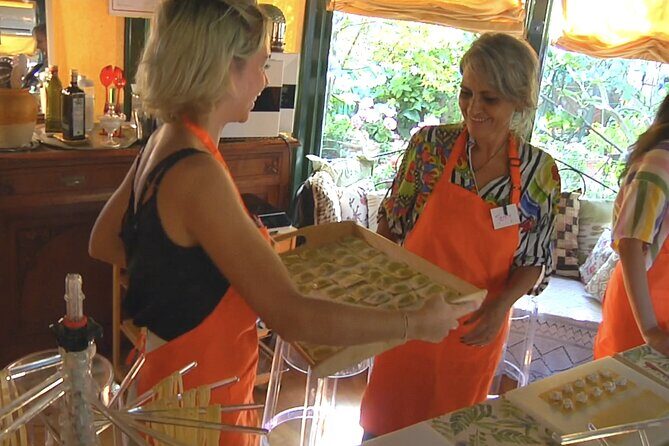
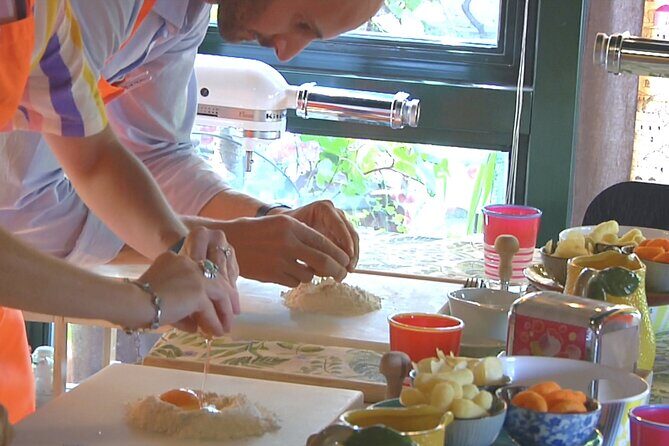
- The pasta-making part: ravioli dough, filling, and shaping without drama
- Sauces and flavor: butter-sage ravioli and tomato basics you can repeat
- Tiramisu cream and the sweet logic behind it
- Gelato vs tiramisu focus: how to read the session vibe
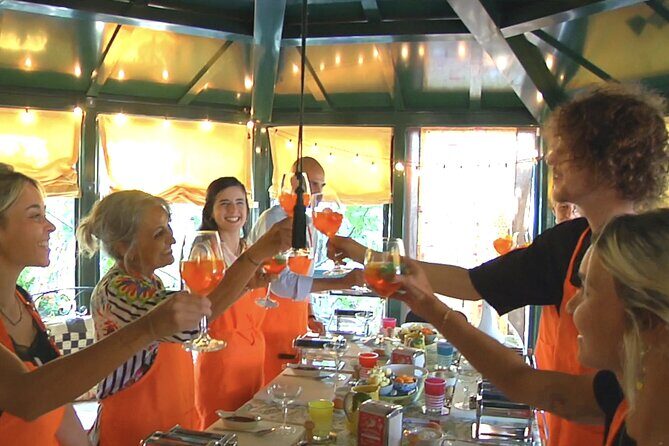
- Wine, limoncello, and the meal-table pace
- Group size and instruction: why small matters in a dough-based class
- What you’ll walk away with (besides dessert)
- Who should book this class?
- Potential hiccups to plan for before you go
- Should you book this pasta and gelato class in Milan?
- FAQ
- How long is the class?
- Where do we meet for the cooking class?
- Is the lesson taught in English?
- What dishes will we make?
- Is gelato included?
- Will we get wine or limoncello?
- How many people are in the group?
- Is a mobile ticket used?
- What’s the cancellation window?
Key highlights at a glance
- English-only instruction (other languages available by request for private groups of 10+)
- Small group format (described as max 15) for more attention and real practice
- A central meeting point at V. Giuseppe Dezza 47 that gets you to the door fast
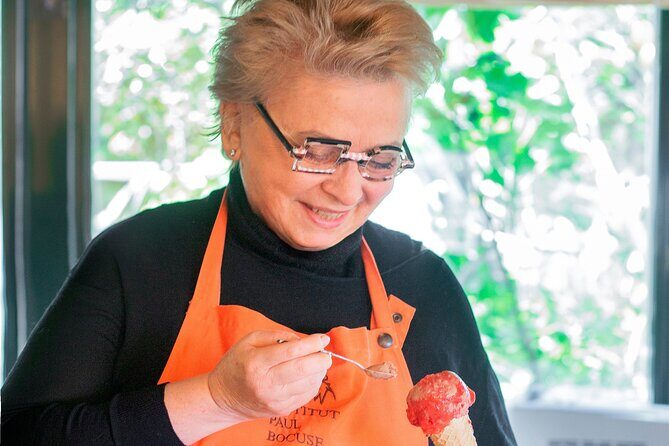
- Grandmother Bruna’s family methods, including a link to Paul Bocuse’s school training via the family
- You’ll make fresh classics: ravioli, tagliatelle, and tiramisu-style cream plus chocolate ice cream/gelato
- Wine and homemade limoncello during the meal, served with the dishes you prepare
Milan’s “glam home” pasta class: art gallery setting, family rules
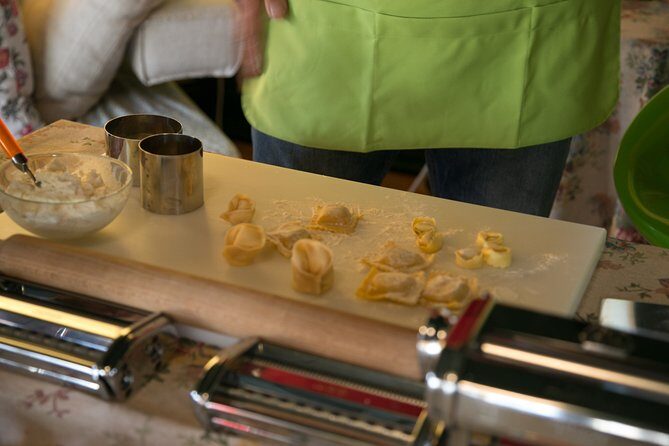
This isn’t a kitchen lab in some back-of-house basement. It’s an elegant home in central Milan, and the experience is set up like you’re being welcomed into a family space—not herded through a factory workflow. Before you start cooking, you’re in an atmosphere that feels polished and calm, surrounded by a private art gallery vibe. That matters because pasta making is hands-on and a little physical. When the space is comfortable and orderly, you actually learn instead of rushing.
The best part is that the teaching style is serious about technique but not rigid about fun. Several instructors (names like Marco, Luca, Paolo, and Caterina) are described as humorous, patient, and actively involved. One review noted strict rules but easy-to-follow steps—exactly what you want when you’re trying to roll dough and not turn it into abstract art.
You can also read our reviews of more tours and experiences in Milan.



Price and timing: what $90.74 buys you in 3 hours

At $90.74 per person for about 3 hours, you’re paying for three things: instruction, ingredients, and the fact that you eat a full meal you helped create. This matters in Milan, where a “quick food stop” often costs close to the same once you add drinks and dessert.
The schedule is built around a doable rhythm:
- You learn the pasta dough and shaping workflow.
- You prepare classic fillings and sauces.
- You make the sweet component (pasta first, sweets second), with tiramisu techniques tied into the dessert course.
Is it a long cooking class? Not really. But it’s long enough that you come away with repeatable steps you can use at home—especially for dough texture, rolling, and assembling ravioli.
Getting there fast: V. Giuseppe Dezza 47 and subway-friendly Milan
The meeting point is V. Giuseppe Dezza, 47, 20144 Milano MI, Italy, and the activity ends back there. That “round-trip to the same door” detail is a big quality-of-life upgrade in Milan, where you can waste time hunting for the exact building.
The class is in a central location and is accessible by subway from different parts of the city. The operator also sends an email the day before with directions, which is helpful when apartment addresses can be tricky. In practice, many people report the instructions lead right to the front door of the apartment—exactly what you want if you’re arriving hungry and trying not to start a midnight mission with gelato in your head.
Also good to know:
- It uses a mobile ticket
- It’s near public transportation
- Service animals are allowed
Your 3-hour “menu arc”: pasta first, then tiramisu and ice cream style desserts
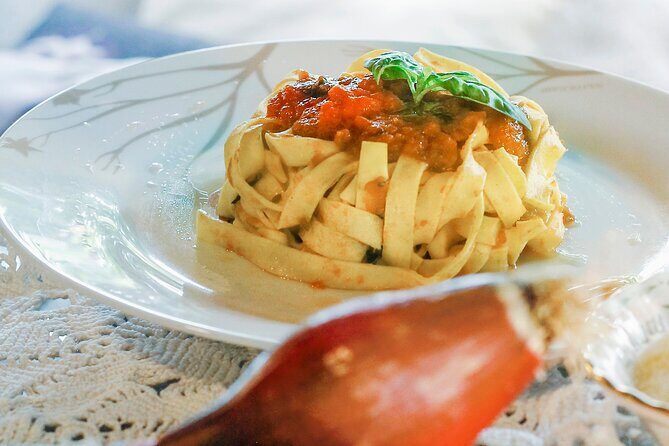
The meal is structured around Italian classics. The experience describes that you’ll make pasta including ravioli and tagliatelle, plus a sweet course with tiramisu and gelato/ice-cream-style desserts.
Here’s what you should expect to see on the menu (the exact balance can vary by session, but these items are part of the offering):
- Ravioli (including a ravioli concept described as having a 1-star Michelin filling)
- Ravioli with butter and sage (traditional recipe)
- Tagliatelle with traditional tomato sauce
- Dark chocolate ice cream (organic and homemade)
- Tiramisu in an ice-cream format (and you’ll learn the tiramisu cream and how to make tiramisu)
That last bullet is key. Even if the sweet outcome looks like a “gelato moment,” you’ll still be taught tiramisu cream techniques and shown how tiramisu is assembled. In other words: the class gives you more than just a frozen dessert photo. You’re learning a method.
The pasta-making part: ravioli dough, filling, and shaping without drama
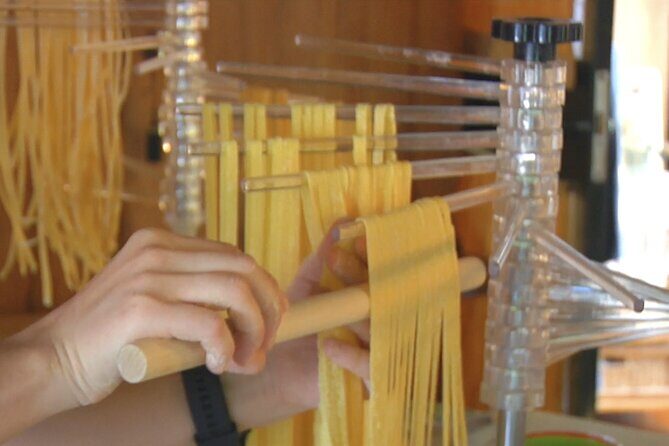
Fresh pasta is one of those skills that looks harder than it is. This class is set up to make it feel manageable.
You start with the dough workflow and move toward:
- Rolling techniques (how to get thin sheets without tearing)
- Shaping steps for ravioli
- Assembly habits that help the finished ravioli hold together
Ravioli can be finicky at home, but in a guided setting, the difference is timing and consistency. In a small group you can get nudged in real time—like when the dough is too dry, when the filling amount is off, or when your edges need a cleaner seal.
Then there’s the satisfaction part. One common theme is that people end up with ravioli that turned out amazing, even when they thought they had no business touching dough. The class seems designed for first-timers and people who want a practical skill, not just an expensive meal.






Sauces and flavor: butter-sage ravioli and tomato basics you can repeat
The program includes at least two savory directions:
- Butter and sage with ravioli (traditional recipe)
- Traditional tomato sauce with tagliatelle
This is a smart split. Butter-sage is simple but high-impact, and it teaches balance: enough fat to carry aroma, enough technique to avoid overcomplicating. Tomato sauce is the opposite kind of lesson—how to build comfort flavor without needing fancy shortcuts.
One review did wish there were slightly more focus on sauce work, so if you care deeply about sauce technique, keep your expectations practical: you’ll get solid guidance, but pasta dough and assembly are likely the bigger teaching focus.
Tiramisu cream and the sweet logic behind it
Tiramisu gets talked about like it’s one recipe. In reality, it’s a system: cream texture, layering timing, and how you handle ingredients so the dessert doesn’t break when it’s served.
The class explicitly teaches you how to make tiramisu cream, which you’ll use for the ice cream style dessert. You’re also shown how to make tiramisu itself. That combination is useful because it gives you two routes home:
- You can recreate the tiramisu method with proper cream behavior.
- You can use the same flavor logic for a frozen dessert variation.
A heads-up from one review: the tiramisu/ice cream uses raw egg (pasteurized). If you have an egg sensitivity or strict dietary limits around raw egg, you should know this upfront and ask before you go.
Gelato vs tiramisu focus: how to read the session vibe
The class name and description strongly point to gelato. But in real life, the sweet portion can vary.
Some people say they learned gelato and made gelato. Others say their session leaned more toward tiramisu, and gelato wasn’t the centerpiece. Another note also said gelato wasn’t really the focus and tiramisu was the focus.
So here’s the practical advice: if gelato is your top priority, treat this as a pasta class with a sweet finale that includes tiramisu as a major anchor. Expect gelato/ice-cream style dessert to be part of the day, but don’t assume it will take more time than tiramisu every single session.
Wine, limoncello, and the meal-table pace
Food classes can be dry—just tasting spoonfuls and polite nods. This one leans toward an actual meal with drinks. You sip Italian wine and homemade limoncello with your meal.
One detail to consider: at least one review mentioned only sweet white wine and only served during the last section. If you prefer red wine, it might be worth asking ahead of time what will be offered in your session.
Limoncello is also described as homemade, which fits the family-home theme. Think of it as the end-of-class reward: you’ve worked with dough and sweet cream, now you get the celebratory finish.
Group size and instruction: why small matters in a dough-based class
A maximum of 15 travelers is listed, and that small-group setup shows up in the reviews. People highlight hands-on participation and getting enough attention while making ravioli and managing dough.
This is the big reason the class works for families too. Reviews mention kids ranging from young ages through teens, and many families say the pace and structure keep everyone engaged. One review even pointed out that the outcome is very satisfying for kids: messy hands, real food, and something to take home as confidence.
If you go with a group, you’ll likely feel like you’re cooking with friends rather than watching a demonstration.
What you’ll walk away with (besides dessert)
By the end, you’ll have more than a full stomach. You’ll have:
- A set of recipes (mentioned in at least one review) you can actually use later
- A clearer sense of how homemade pasta feels when it’s right (dough texture and rolling thickness)
- Tiramisu cream technique you can repeat
- The ability to make a classic tomato sauce and a butter-sage option
That’s the real value. Restaurants in Milan can’t teach your hands how to seal ravioli edges. This does.
Who should book this class?
I’d put this on your shortlist if:
- You want a hands-on fresh pasta experience in central Milan
- You like learning from real cooks with family stories behind the technique (grandmother Bruna’s story shows up in the description)
- You’re traveling with kids or teens who need an activity that holds attention
- You want to eat well and still feel like you learned something practical
It’s also a good pick if you’re a solo traveler. Reviews include people doing it solo and finding it friendly and easy to mix into the group.
If you already make pasta at home regularly and want advanced techniques (like advanced fillings, complex sauces, or high-end plating), you might find it more beginner-to-intermediate than advanced.
Potential hiccups to plan for before you go
This is where I keep it honest. Based on what’s described and what people reported, watch for these points:
- Gelato focus can vary. Some sessions feel more tiramisu-centered than gelato-centered. If gelato is your main goal, plan accordingly.
- Wine choice may be white only. One review mentioned sweet white wine only, and only during the end part.
- Egg ingredient note. The tiramisu/ice cream may use raw egg (pasteurized). If eggs are an issue for you, check beforehand.
- Rules are strict but the process is walk-through easy. That’s a good thing. Just don’t expect a casual “cook however” free-for-all.
Should you book this pasta and gelato class in Milan?
Yes, I’d book it if your goal is to leave Milan with a skill, not just a photo. The setting is special, the group is small, and the meal is built around what you make: ravioli and tagliatelle plus tiramisu and ice-cream-style sweets. The family-story angle adds warmth, and the teachers’ styles (from Marco to Caterina to Federico and others) consistently get mentioned as fun and engaging.
My only “skip or ask questions” moment is if you’re traveling specifically for gelato and you’ll be disappointed if tiramisu takes priority in your session. If that’s you, send a quick question when booking and confirm how the sweet timing will be handled.
FAQ
How long is the class?
The experience lasts about 3 hours.
Where do we meet for the cooking class?
You meet at V. Giuseppe Dezza, 47, 20144 Milano MI, Italy. The activity also ends back at that meeting point.
Is the lesson taught in English?
Yes. The lesson is always in English. Other languages are available only upon request and for private groups with a minimum of 10 students.
What dishes will we make?
You’ll prepare fresh pasta classics such as ravioli and tagliatelle (with traditional tomato sauce). Dessert includes tiramisu and tiramisu cream, plus dark chocolate ice cream and/or tiramisu ice cream (ice-cream-style desserts).
Is gelato included?
Gelato/ice-cream style dessert is part of the experience, but the sweet portion can vary by session. Tiramisu is a consistent part of what you learn and how you make the dessert cream.
Will we get wine or limoncello?
Yes. You’ll sip Italian wine and homemade limoncello with your meal.
How many people are in the group?
The activity is described as having a maximum of 15 travelers.
Is a mobile ticket used?
Yes, it’s listed as a mobile ticket.
What’s the cancellation window?
You can cancel for a full refund up to 24 hours before the experience starts. If you cancel less than 24 hours before, the amount paid is not refunded.