REVIEW · MILAN
Cesarine: Market Tour & Cooking Class at Local’s Home in Milan
Book on Viator →Operated by Cesarine: Cooking Class · Bookable on Viator
Markets set the table before you cook. This Cesarina experience pairs hands-on Milan food shopping with a private cooking class at the host’s home, so you see what makes Milan cuisine taste the way it does, then eat what you make.
I especially like the flow: you’re not just watching a cooking demo. You’re learning what to buy (and why), sampling along the way, and turning those ideas into a real meal.
The main thing to consider is logistics and hands-on expectations. One experience flagged a meeting-point mix-up and another noted the host had some components ready ahead of time, so it’s smart to double-check the exact meeting spot and go in with flexible expectations about how much cooking you’ll do step-by-step.
In This Review
- Key things to know before you go
- Market-to-kitchen Milan: why this format works
- Viale Papiniano Market: your first taste of how locals shop
- Mercato Sabato (Via Fauche area): where everyday Italian flavors appear
- Porta Romana market stop: Milan beyond the postcard center
- Back at the Cesarina home: what the 3-course class feels like
- Starter, fresh pasta main, and a Milan dessert: the menu you should picture
- Local wine at lunch: pairing that makes the learning stick
- Price and value: is $227.58 worth it?
- Who should book this Milan market tour and cooking class
- Timing, shoes, and the 10:00 AM start
- Should you book this Cesarine Milan market tour + cooking class?
- FAQ
- How long is the Cesarine Market Tour & Cooking Class in Milan?
- What time does the tour start?
- What does the price include?
- Is this tour private or shared?
- What language is the class offered in?
- Where does the tour stop?
- Is there a mobile ticket?
- Can I cancel for free?
- Is the meeting point close to public transportation?
Key things to know before you go
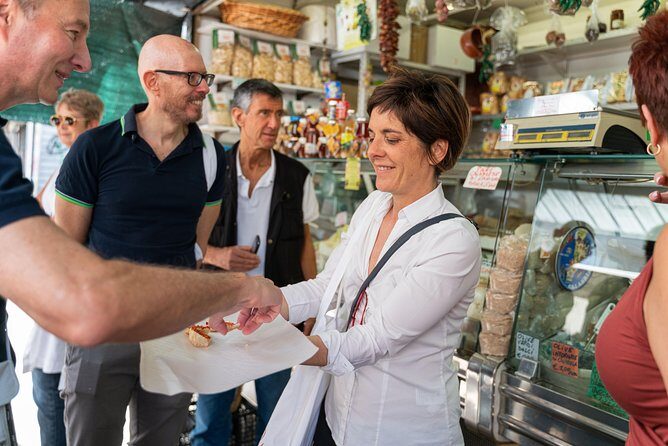
- Three Milan market stops that feel like everyday shopping, not a staged food walk
- A private host (English-speaking) who can tailor the pace to your group
- A 3-course meal centered on fresh pasta and a typical Milanese dessert
- Local wine with your lunch, plus a warm, home-style meal setting
- An experience that can handle special needs in at least some cases (like gluten intolerance and vegetarian preferences), but still confirm when booking
Market-to-kitchen Milan: why this format works
This class nails the part most cooking tours skip. In Milan, food isn’t just recipes on a page. It’s produce choices, local shop culture, and timing. By starting at the markets with a Cesarina, you get a quick education in what’s available, what’s seasonal, and what’s considered normal to buy that day.
Then you move to the home kitchen. That matters because you’re not just learning techniques. You’re seeing how those ingredients turn into a real 3-course lunch—starter, fresh pasta main, and a Milan dessert—served in a relaxed setting with wine. It’s practical learning, not theory.
And since it’s private, you’re not stuck in a large group where one person always asks the questions and everyone else waits. The host can slow down for explanations, answer ingredient questions, or guide your cooking in a way that fits your pace.
You can also read our reviews of more shopping tours in Milan

Viale Papiniano Market: your first taste of how locals shop
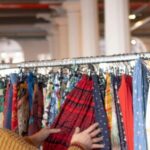
Your first stop is Viale Papiniano Market, a strong starting point because it gives you a sense of how locals build a meal: cheese, fruit, and other everyday staples appear right alongside prepared foods. You’re likely to do more than look. You’ll sample what’s sold there, so you can connect taste to what you’ll later cook.
Why this stop is useful: the earlier you learn what good ingredients feel like, the easier it is to follow the cooking. You’re also better prepared to understand why certain dishes are associated with Milan in the first place—because the market is showing you the raw materials of that cuisine.
A practical note: market stops can involve standing and walking on uneven surfaces. If you’re planning sensible shoes, this is the moment to wear them.
Mercato Sabato (Via Fauche area): where everyday Italian flavors appear
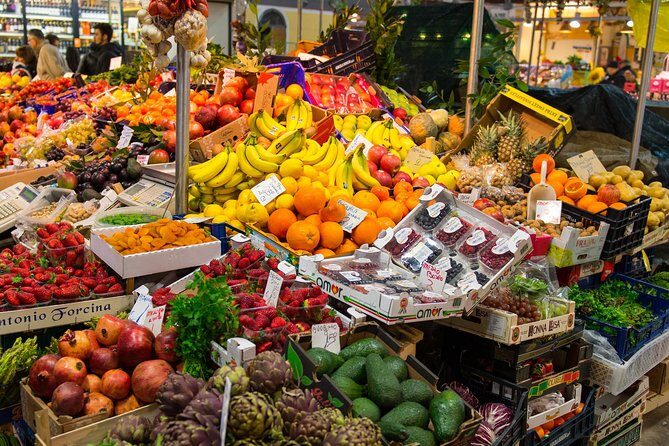
Next you’ll head to Mercato Sabato (Via Fauche area)—the kind of market stop where you get a look at local shopping rhythm. These are the stores and outdoor stalls that support normal weeknight cooking, not just the tourist trail.
This is also where you’ll pick up cues for what to buy (and how vendors talk about their products). Even when your role is sampling and listening, you’ll come away with a clearer mental checklist for Italian cooking basics: what to look for in dairy, when fruit is best, and how local shops think about flavor balance.
If you like food tours where you can actually picture yourself returning to a shop and buying ingredients again, this stop is a good match.
Porta Romana market stop: Milan beyond the postcard center
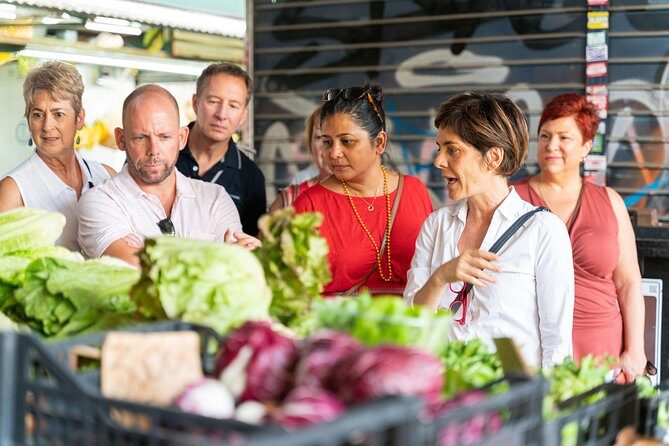
Your third market stop is Mercato di Porta Romana, which helps you get a wider snapshot of Milan’s food culture. Porta Romana has a more neighborhood feel than the most central tourist areas, and that’s a plus for this type of experience.
Here, you’re building context. You’re seeing that Milanese eating habits are shaped by local markets and traditional shop offerings across different areas of the city. That makes the cooking class feel less like an activity and more like a lesson in how Milanese meals come together.
One more reason I like this added market stop: it helps you arrive at the home kitchen with less guesswork. By the time you’re shopping for ingredients in your mind, your cooking feels more grounded and less abstract.
Back at the Cesarina home: what the 3-course class feels like
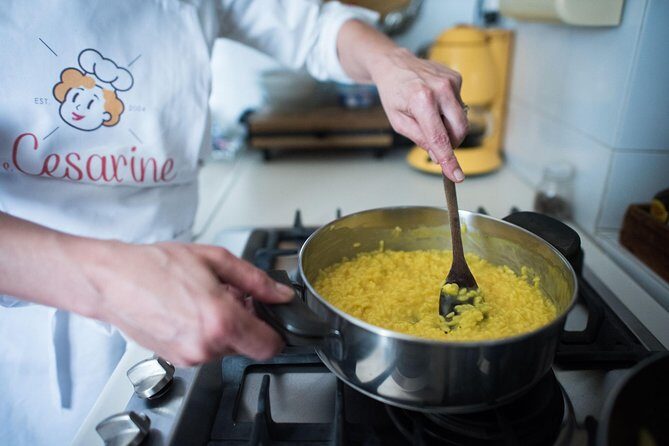
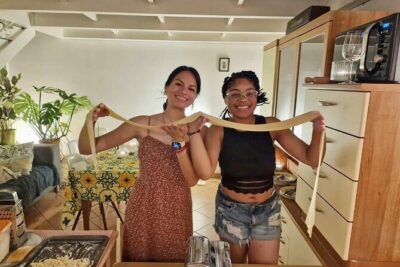
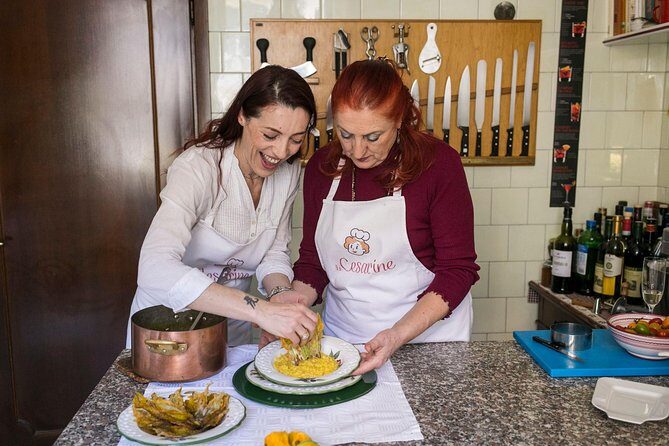
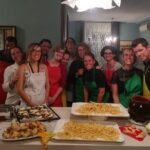
After the markets, you’ll head to the Cesarina’s home for a private cooking class and lunch. This is where the experience becomes very “real life.” You’re working in a home kitchen environment, not a demo studio, and that changes everything about the vibe.
What you can expect is a guided process toward a 3-course Italian meal. The structure is typically: you learn, you cook, then you sit down and eat what you made, paired with local wines.
One important nuance: based on a reported experience, the exact hands-on level can vary by host. Some kitchens may do certain prep ahead of time, then guide you through key steps. Don’t assume you’ll do every single motion from start to finish—think of it as learning the method and getting involved where your host wants you most.
Either way, the payoff is the same: you end up with a full lunch, not just a plate of small bites.
You can also read our reviews of more tours and experiences in Milan

Starter, fresh pasta main, and a Milan dessert: the menu you should picture
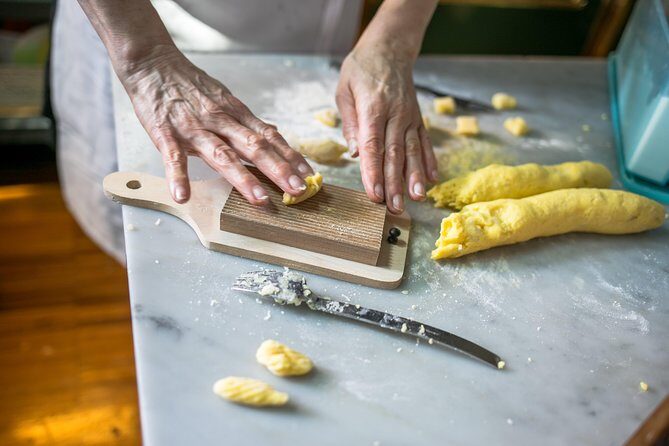
Your class meal is built around a clear template:
- Starter: a seasonal starter
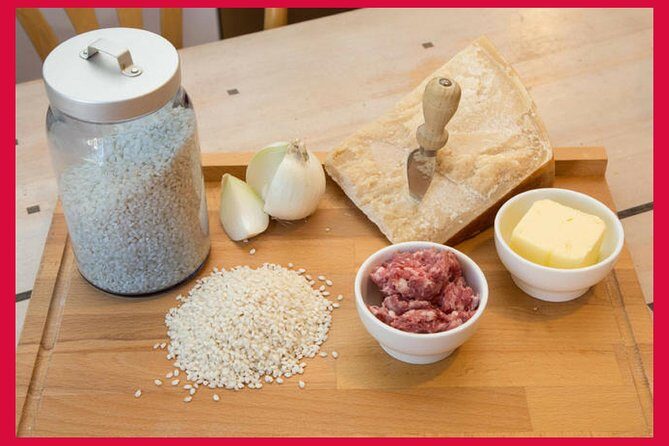
- Main: fresh pasta, with options like Pizzoccheri, Risotto, or Lasagna
- Dessert: a Milanese dessert, with examples like Sbrisolona or Tiramisu
That variety is good for two reasons. First, it keeps you flexible if a certain ingredient isn’t at its best during your visit. Second, it gives you a few “Milanese identity” anchors—especially the pasta and dessert portion.
From a practical standpoint, this menu also helps you plan your expectations. You’re not leaving hungry, and the meal stays coherent: the starter sets the stage, the pasta-style main does the heavy lifting, and the dessert finishes with classic sweetness that matches Milan’s traditions.
If you’re a home cook, you’ll likely come away with something you can repeat: the logic of how to build a sauce/pasta moment and how to handle a dessert that’s more than just generic tiramisu.
Local wine at lunch: pairing that makes the learning stick
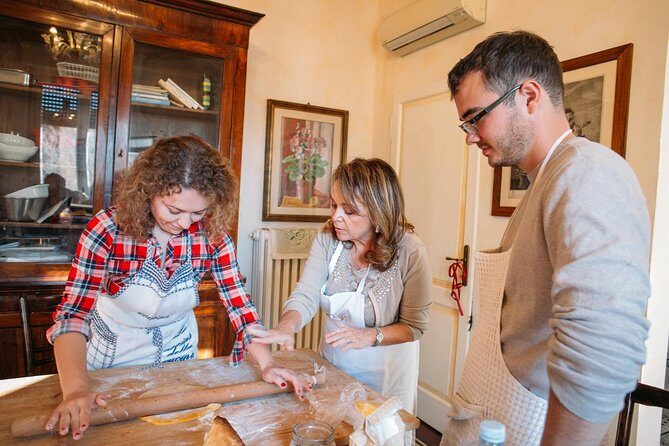
Food lessons stick best when you get to eat in the middle of learning. After cooking, you’ll sit down for your meal with a selection of local wines.
Wine also changes the way the lunch feels. You’re not rushing through ingredients and techniques. You’re settling in, tasting, and letting the host explain parts of the dishes while you’re actually enjoying them.
In at least one reported version of the experience, the evening-style finish included Limoncello after lunch. That doesn’t mean it’s guaranteed every time, but it’s a good clue about the kind of warm, hospitable rhythm this class often follows.
Price and value: is $227.58 worth it?
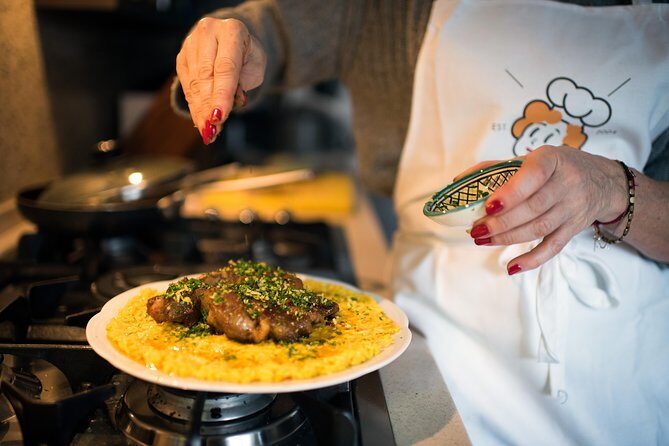
At $227.58 per person, this isn’t a bargain-cooking workshop. But it can be good value if you’re paying for three things at once:
- Market time with sampling, not just a cooking-only class
- Private instruction from a Cesarina in a home setting
- A full 3-course meal plus local wine
If you already love food shopping and you want a Milan meal that feels like it came from a real family table, that bundle makes sense. You’re paying for access—both to local markets and to a home kitchen with an English-speaking host.
Where it may not be the best fit: if you want a class that feels like you personally do every step with minimal prep from the host, confirm your expectations when booking. One experience suggested some components were prepared in advance, which may reduce your hands-on intensity.
Who should book this Milan market tour and cooking class
I think this works best for you if:
- You enjoy markets and want to connect shopping choices to cooking
- You want a private English-language experience without joining a big mixed group
- You’re open to learning classic Milan dishes through a structured 3-course meal
- You like the idea of eating with a host, not just taking a seat at the end
It can also be a nice family option. One review described booking with a daughter and having a friendly, warm experience in an apartment setting. Another reported that the host considered gluten intolerance and avoided meat by request, which suggests these hosts may be flexible—just don’t assume it without confirming.
Timing, shoes, and the 10:00 AM start
Your start time is 10:00 am, and the whole experience runs about 4 hours 30 minutes. That means you’ll be eating lunch during the late morning to early afternoon window, which is ideal if you want food as your main focus rather than trying to squeeze it between other sightseeing.
A few practical tips that will make this easier:
- Wear comfortable shoes for market walking
- Plan to arrive early to your meeting area so you can find the right spot
- Bring a phone for your mobile ticket
- If you have dietary needs, mention them clearly when booking, and ask how they’ll handle them
Also, it’s near public transportation, so you should be able to reach the meeting point without relying on a taxi.
Should you book this Cesarine Milan market tour + cooking class?
If your idea of a great Milan day is part food shopping, part cooking education, and a proper sit-down lunch, I’d say yes—book it. The strongest reasons to choose it are the private host format and the way the menu is designed around Milan staples like fresh pasta and a classic dessert.
Just do two things before you commit:
1) confirm the exact meeting point for your day, and
2) set your expectation that you’ll learn and participate, but your host may do some prep ahead of time.
If you want a hands-on, market-to-table meal lesson with local wine in a home kitchen, this is one of the more satisfying ways to spend half a day in Milan.
FAQ
How long is the Cesarine Market Tour & Cooking Class in Milan?
It lasts about 4 hours 30 minutes.
What time does the tour start?
The start time is 10:00 am.
What does the price include?
The experience includes a market tour with sampling, a private cooking class in the host’s home, a 3-course meal, and a selection of local wines.
Is this tour private or shared?
It’s a private activity. Only your group participates.
What language is the class offered in?
The experience is offered in English.
Where does the tour stop?
It includes three market stops: Viale Papiniano Market, Mercato Sabato (Via Fauche Banco Di Luca & Marika), and Mercato di Porta Romana.
Is there a mobile ticket?
Yes, you’ll receive a mobile ticket.
Can I cancel for free?
Yes. You can cancel up to 24 hours in advance for a full refund.
Is the meeting point close to public transportation?
Yes, it’s near public transportation.