REVIEW · MILAN
Milan: Design and Fashion Walking Tour
Book on GetYourGuide →Operated by Guydeez Tours · Bookable on GetYourGuide
Milan’s fashion world has a darker side. This 3-hour walking tour ties together design shopping and storytelling, from San Vittore Prison to standout vintage boutiques in the Navigli and Brera areas. I especially like how the route mixes major landmarks with places that feel lived-in, not staged.
Two things I’m glad you’ll get: a real sense of Milan’s fashion rhythm through a local guide, and targeted browsing at vintage and design shops where you can actually spot details (not just look at storefronts). One consideration: because it’s a walking tour with store time, it rewards people who enjoy wandering and paying attention, not those who want nonstop big sights.
In This Review
- Key Takeaways Before You Go
- Why This Milan Design and Fashion Tour Works in Just 3 Hours
- Meeting at Fontana dei Tritoni and Finding Your Pace Through Navigli and Brera
- San Vittore Prison and the Lady Gucci Story That Adds Real Edge
- Robertaebasta Formentini: Vintage Italian Design, Not Just Another Store
- Cavalli e Nastri in Brera: Vintage Clothing Browsing Made Smarter
- I Navigli Che Vorrei and Brera Landmarks: Atmosphere Without the Guesswork
- Via Alessandro Manzoni and Piccolo Teatro Strehler: Culture in the Stretch Between Stops
- Private vs Group Tour: Choosing the Right Fit for Your Fashion Mood
- Price and Value: What $47 Buys You in Fashion Milan
- Who This Tour Suits Best (and Who Might Want Something Else)
- Should You Book This Milan Design and Fashion Walking Tour?
- FAQ
- Where does the tour start?
- How long is the Milan design and fashion walking tour?
- What are the main stops during the tour?
- Is the tour available in English or other languages?
- Is this tour wheelchair accessible?
- Can I book a private tour instead of a group?
Key Takeaways Before You Go
- Fontana dei Tritoni is your launch point, so you start with easy orientation in central Milan
- You’ll hear the controversial San Vittore Prison and Lady Gucci story and why it still matters
- Robertaebasta Formentini brings you into Italian design through vintage furniture and accessories
- Cavalli e Nastri in Brera is built for vintage clothing browsing, and you get more than one guided pass
- The walk threads Navigli landmarks like I Navigli Che Vorrei, then keeps going toward Brera culture
Why This Milan Design and Fashion Tour Works in Just 3 Hours
Milan can be overwhelming if you try to do fashion and sight-seeing separately. This tour avoids that trap by pairing neighborhood walking with specific stops that match what fashion-minded people actually want: vintage pieces, design objects, and context for how Milan became Milan.
The timing is smart. At 3 hours, you’re not stuck in museum mode or in a slow shuffle between far-apart neighborhoods. You get the feeling of the fashion districts, plus focused time inside shops like Robertaebasta Formentini and Cavalli e Nastri—places where a guide can help you notice what to look for.
And there’s a human side to it. Guides are described as attentive and willing to tailor recommendations to your tastes. You’ll feel that especially if you speak up early about what you like—more classic, more bold, more vintage accessories, or more clothing.
One practical note: comfy shoes matter here. The tour is a stroll, and you’ll be on your feet through multiple districts and shop entrances.
You can also read our reviews of more walking tours in Milan

Meeting at Fontana dei Tritoni and Finding Your Pace Through Navigli and Brera
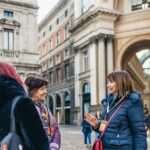
You meet your guide next to Fontana dei Tritoni, with the tour tied to Via Andegari, 8 as the starting/return area. That’s a good setup for two reasons: it’s central, and it’s easy to orient yourself before you start walking.
From there, the route heads into Navigli, then keeps moving toward Brera. You’ll pass landmarks as you go, including the I Navigli area and points that connect Navigli to the broader fashion-and-arts feel of Brera.
As a format, this tour is best if you like momentum. You’ll get a running narrative as you walk—then guided time at shops—so you’re not left wondering what you should care about. It also means you can ask quick questions on the move: how to read a vintage label, what makes a piece worth looking at, or which streets are most worth a solo wander after the tour ends.
If you’re the type who hates stopping often, the shop visits might feel like a pause. But if you enjoy browsing with a purpose, the structure is exactly right.
San Vittore Prison and the Lady Gucci Story That Adds Real Edge
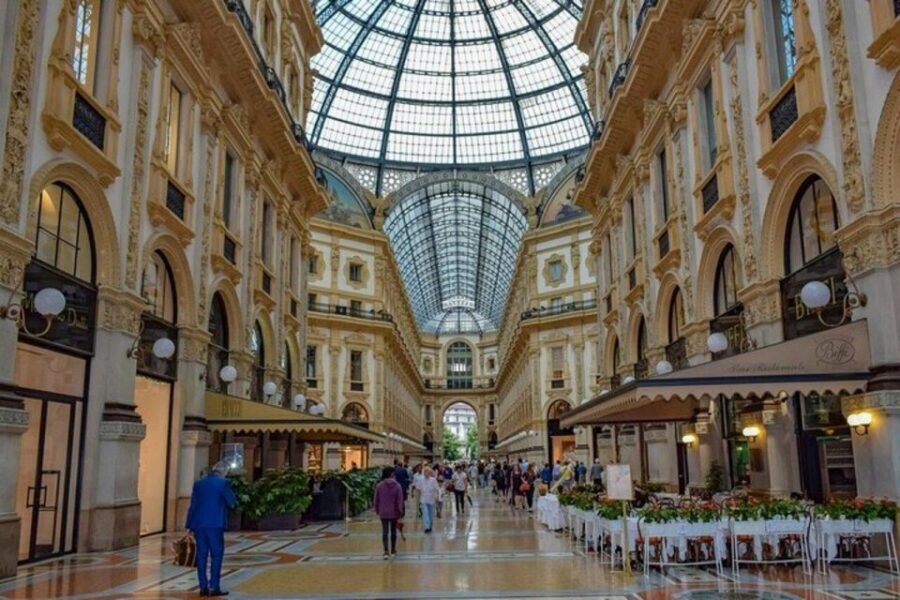
The standout story stop is San Vittore Prison. Here, the tour gets into a scandalous, controversial chapter involving the former Lady Gucci. You don’t just hear a name and a date—you get the reason it’s remembered in Milan’s fashion world and how “fashion history” can include messy, complicated power.
Why this matters for you: fashion isn’t only runway glamour. Milan’s creative scene is tied to money, reputation, and the people who had access to influence. The guide’s take gives you a sharper lens when you later see the clean lines of design shops and the polished presentation of designer stores.
It also breaks the mood in a useful way. After the darker context, the tour’s shift into vintage and design stops feels more than decorative. You start connecting the dots between brand myth, social status, and the objects people collect.
If you’re sensitive to heavy stories, this part may be intense. Still, it’s one of the most memorable segments because it explains why Milan’s fashion industry can’t be separated from human drama.
Robertaebasta Formentini: Vintage Italian Design, Not Just Another Store
Next up is Robertaebasta Formentini, described as a vintage Italian furniture and accessories store. This is a different angle than typical fashion shopping. Instead of focusing only on clothes, you’re seeing how Milan’s design culture shows up in interiors and everyday objects.
What I like about this stop for your planning: it gives you something to look for even if you don’t plan to buy. You learn how to spot quality and craftsmanship in accessories and furnishings—details you can carry home as “visual literacy.”
A good guide also helps you avoid the common browsing mistake: staring at the overall look and missing the materials, proportions, or distinctive styling cues. With the right commentary, you start noticing the parts that make Italian design feel intentional, not accidental.
Possible drawback: if you’re only interested in fashion clothing (not furniture or accessories), you may want to spend less time admiring displays and more time asking where to focus. The good news is that this tour format gives you time to adjust your attention without feeling rushed.
Cavalli e Nastri in Brera: Vintage Clothing Browsing Made Smarter
One of the most practical parts of this tour is Cavalli e Nastri in Brera, one of Milan’s best-curated vintage clothing stores. The itinerary lists this stop more than once, which is a hint that you’re meant to slow down and browse in stages, not just pop in and out.
Here’s what you can do with a guided stop like this:
- Ask the guide what to look for in vintage clothing quality
- Compare styles and eras quickly with context
- Get pointed toward pieces that match your preferences, instead of getting lost in racks
This is where you benefit most from a tailored guide. In particular, guides like Fernando and Daniela are mentioned as warm and tuned-in, with recommendations that reflect your tastes. That’s a big deal when you’re browsing vintage—because the store will look great to everyone, but the right picks feel personal.
If you’re hoping to buy something, keep your mindset realistic. You’re not shopping online with endless sizes and duplicates. Vintage is specific. The upside is that you might find something that looks like it was made for a version of you that doesn’t exist in mass production.





I Navigli Che Vorrei and Brera Landmarks: Atmosphere Without the Guesswork
After the shop stops, the walk keeps moving through Navigli and the energy shifts toward Brera. You’ll pass landmarks along the way, including I Navigli Che Vorrei, and you’ll also experience the broader Brera District atmosphere.
I like this part because it helps you understand why these neighborhoods matter. Navigli is known for its style and street-level charm, while Brera carries a more arts-and-design vibe. By the time you reach the Brera segment, you’re not just seeing districts—you’re understanding how Milan organizes its creative life geographically.
You’ll also get a gentle rhythm: walk, look, listen, then glance around on your own. That’s an underrated skill in travel. If you can’t interpret what you’re looking at, the city turns into a blur of streets. Here, the guide gives you a framework so you notice more after the tour ends.
In terms of drawback: if you’re only interested in store purchases and you hate “walking with story,” you might wish you could compress this section. But for most people, it’s the connective tissue that makes the fashion stops feel meaningful.
Via Alessandro Manzoni and Piccolo Teatro Strehler: Culture in the Stretch Between Stops
As you continue, you’ll head through Via Alessandro Manzoni and finish up toward Piccolo Teatro Strehler. These points aren’t just names on a map. They add a layer of Milan beyond fashion boutiques—reminding you that the city’s design mindset touches theater, architecture, and public life.
This is especially useful if you’re combining shopping with cultural sightseeing. Once you know that Milan’s creative scene spans beyond clothing, you’re more likely to enjoy what you’d otherwise skip—like a performance space or a striking streetscape.
It also gives you a clean ending. Piccolo Teatro Strehler is a recognizable cultural landmark, so it’s easier to decide what to do after the tour—whether you want to keep exploring Brera, grab a meal nearby, or head back toward your hotel.
Private vs Group Tour: Choosing the Right Fit for Your Fashion Mood
You can choose private or group. This is one of those decisions that feels small until you’re actually in Milan deciding how to spend time.
A private tour makes the most sense if:
- You already know Milan and want more tailored recommendations
- You have specific interests like vintage clothing over design objects, or vice versa
- You want the guide to slow down for questions without worrying about matching group pace
A group tour can be great if you:
- Like hearing other people’s questions
- Want a social vibe while still getting guided stops
- Prefer a set pace instead of steering the conversation
A detail that came through strongly: guides are described as attentive, but you get the best outcome if you tell them exactly what you want. That’s true in either format, but it’s amplified in a private setting. If your goal is a certain style of vintage, say so early.
Price and Value: What $47 Buys You in Fashion Milan
At $47 per person for 3 hours, you’re paying for three things at once: a local guide, guided time at multiple fashion and design stops, and neighborhood context that connects the dots.
This is not just a “walk and look” fee. Your money goes toward:
- A narrative that makes fashion history feel less abstract
- Access to shops where browsing is part of the experience
- The practical help of a guide in how to shop vintage without getting overwhelmed
If you love design and fashion, the value lands quickly—especially with stops like San Vittore Prison, Robertaebasta Formentini, and Cavalli e Nastri. Even if you don’t buy anything, you’ll still leave with a better eye for details and a clearer sense of where to go next.
If you’re only mildly interested in fashion and vintage, you may feel like you’re paying for a theme you could partially get from self-guided browsing. In that case, I’d look at your priorities: do you want guided interpretation and curated shopping time, or do you prefer to spend your money on museums and major sights?
Who This Tour Suits Best (and Who Might Want Something Else)
This tour is a strong fit if you:
- Love vintage shopping and want help noticing what matters
- Want a fashion-focused route that includes real Milan neighborhoods like Navigli and Brera
- Like cultural stories even when they’re controversial, like the Lady Gucci connection
- Want a short, efficient plan that still feels thoughtfully connected
It may be less satisfying if you:
- Only want famous big monuments and zero store time
- Dislike walking and prefer vehicles or indoor attractions
- Have no interest in vintage clothing, design objects, or accessories
Should You Book This Milan Design and Fashion Walking Tour?
I’d book it if your ideal Milan day includes walking with a guide, stopping in places you can actually browse, and hearing why fashion stories stick around. The mix of San Vittore Prison, Robertaebasta Formentini, and Cavalli e Nastri gives you variety, and the route through Navigli and Brera keeps everything grounded in real neighborhoods.
If you’re the type who likes to shop with a plan, you’ll come away with direction. If you’re more about sightseeing than shopping, ask yourself whether the vintage stops are still your kind of fun. At 3 hours, you can still pivot afterward—so booking doesn’t trap you in one style of day.
FAQ
Where does the tour start?
Meet your guide next to Fontana dei Tritoni. The tour is associated with Via Andegari, 8 for starting and returning.
How long is the Milan design and fashion walking tour?
The tour lasts 3 hours.
What are the main stops during the tour?
You’ll visit San Vittore Prison, Robertaebasta Formentini, Cavalli e Nastri in Brera (listed more than once), I Navigli Che Vorrei, and the Brera District area, with the walk continuing toward Via Alessandro Manzoni and Piccolo Teatro Strehler.
Is the tour available in English or other languages?
Yes. The live guide is available in English, French, Italian, and Spanish.
Is this tour wheelchair accessible?
Yes, it is wheelchair accessible.
Can I book a private tour instead of a group?
Yes, a private group option is available.