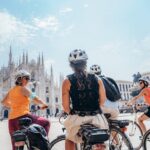
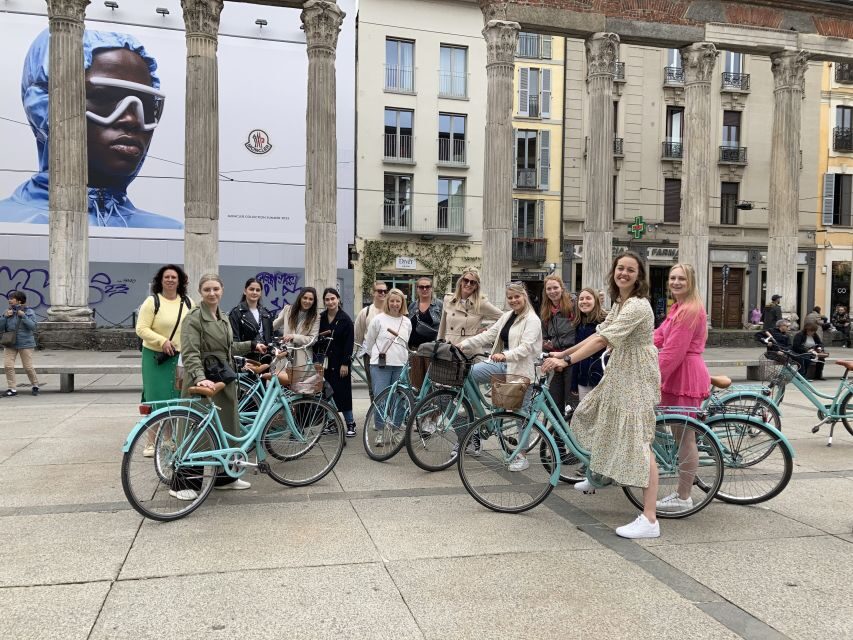
Milan looks different from a bike seat. I love the iconic aquamarine bike and how guides such as Paulo connect each stop to what locals actually care about. In a few relaxed hours, you get a real sense of where Milan goes beyond the postcard areas.
I also like that the ride is built for a “see more, stress less” day: flat streets, frequent stops, and lots of stories as you move district to district. One drawback to plan around: this tour is not for people who cannot ride a bike, and it has a height limit of 135 cm.
In This Review
- Key Highlights You’ll Actually Feel on the Ride
- Getting Your Bearings Fast with Milan by Bike
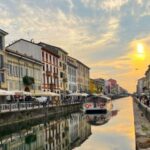
- Ticinese to the Center: The Route That Explains How Milan Works
- Duomo, Palazzo Reale, and Galleria Vittorio Emanuele
- La Scala and the Cultural Side of Milan
- Brera: Art Streets, Pinacoteca Energy, and Easy Momentum
- Porta Nuova to Castello Sforzesco: Where Milan Changes Gears
- Parco Sempione and Arco della Pace: A Green Pause That Feels Earned
- Roman Ruins That Explain Milan’s Longer Story
- Bikes, Safety, and How Hard Is It Really
- Price, What You Get for About $44, and Who This Fits
- My Quick Take: Should You Book This Milan Bike Tour?
- FAQ
- How long is the bike tour?
- Where is the meeting point?
- Do they provide the bike and helmet?
- What languages are the guides?
- Is the tour okay in light rain?
- Is this suitable for anyone who cannot ride a bike?
- Is alcohol allowed during the tour?
Key Highlights You’ll Actually Feel on the Ride
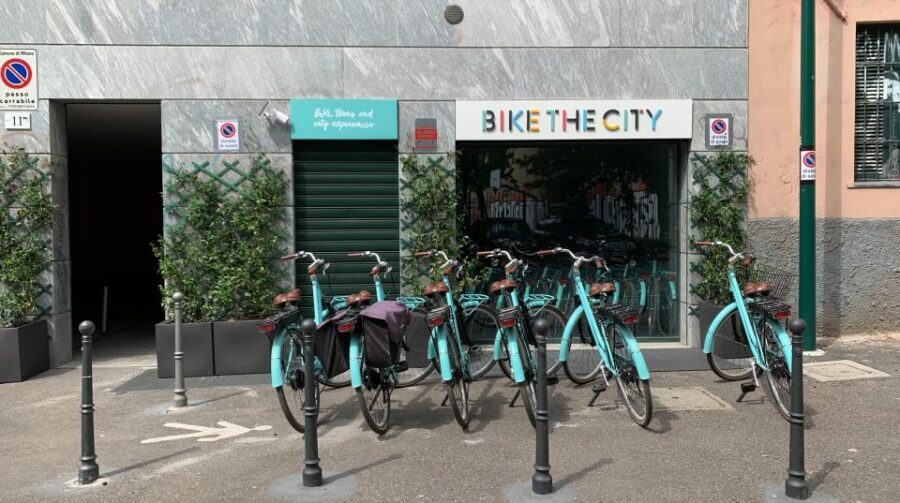
- Aquamarine bikes and a setup that keeps you comfortable for 3.5 hours
- Landmarks plus lesser-known streets, so you get orientation fast
- Stops led by guides like Paulo, Sandra, and Martha, with clear, story-driven narration
- A route that works at an easy pace, with safe navigation through busy areas
- Mix of “power and beauty” sites: Duomo, La Scala, Sforzesco, and Roman remains
Getting Your Bearings Fast with Milan by Bike
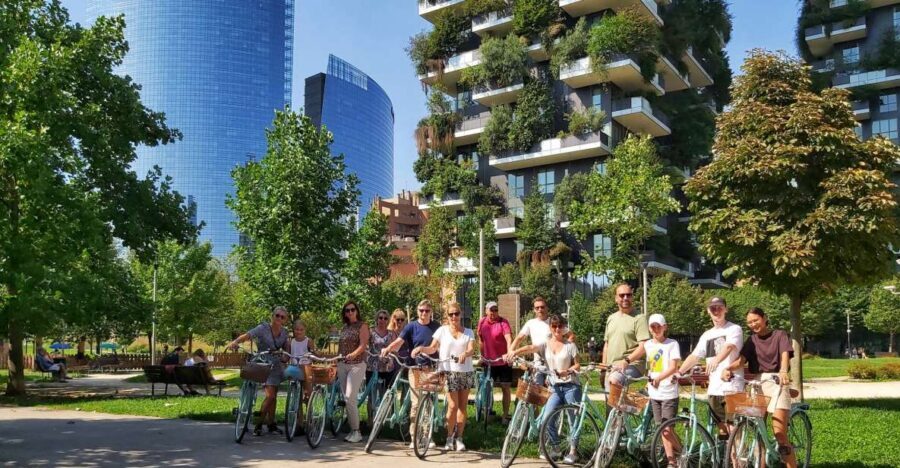
If Milan is your first stop in Italy, bike time is the smart cheat code. In just 3.5 hours, you cover major sights and the neighborhoods between them, so the rest of your trip makes more sense. It is not about rushing; it is about helping you map the city in your head.
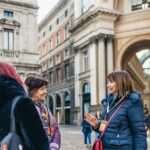
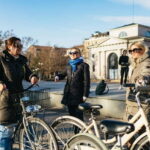
I like how the tour starts in the Ticinese district, which feels lively and lived-in compared with the most touristy corners. From there, you pedal into the city center and get a guided walkthrough of the big icons and the side streets you would not naturally pick out on your own. The group stays international, but the guide keeps everyone together with a calm rhythm.
You also get practical support that makes a bike tour feel less like a gamble. Helmets are included, and you are given a waterproof jacket if rain shows up. That means you can focus on the ride instead of dressing like a weather-proof astronaut.
You can also read our reviews of more cycling tours in Milan
Ticinese to the Center: The Route That Explains How Milan Works
The first stretch is where the city starts to click. You roll through the historic core, with the guide pointing out not only monuments, but also how each district “does things” differently. It is the kind of storytelling that helps you understand Milan as a place, not just a list of stops.
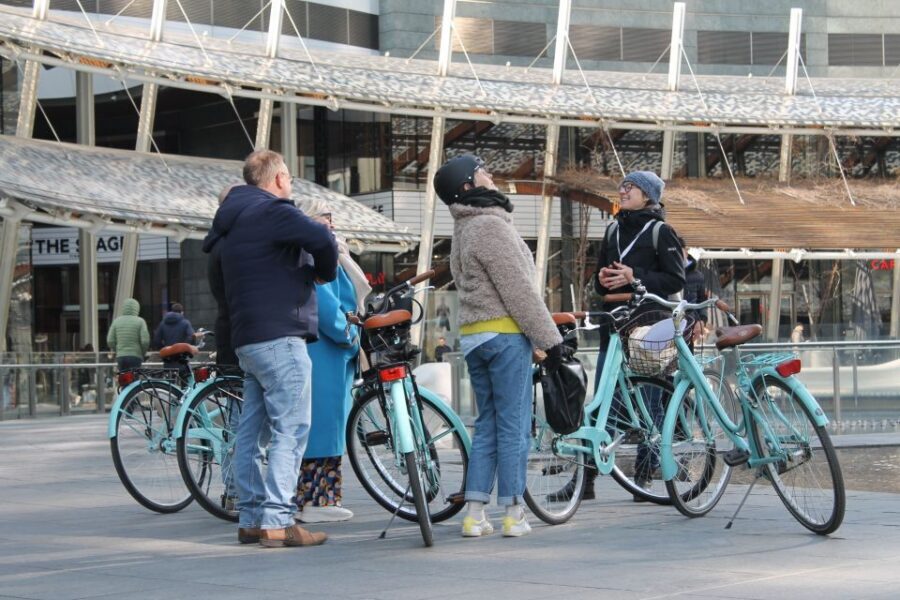
Expect your pace to feel leisurely, with built-in moments to look up and around. The flat route matters here. Even people who usually avoid bike tours often feel fine, because the ride is set up for easy pedaling—one reason Milan is a great city for two wheels.
And you get a steady rhythm of context. Instead of one long speech, the guide shares short anecdotes as you pass key locations. That also helps the group stay engaged, especially if you are traveling with people who want both photos and history explained in plain terms.
Duomo, Palazzo Reale, and Galleria Vittorio Emanuele
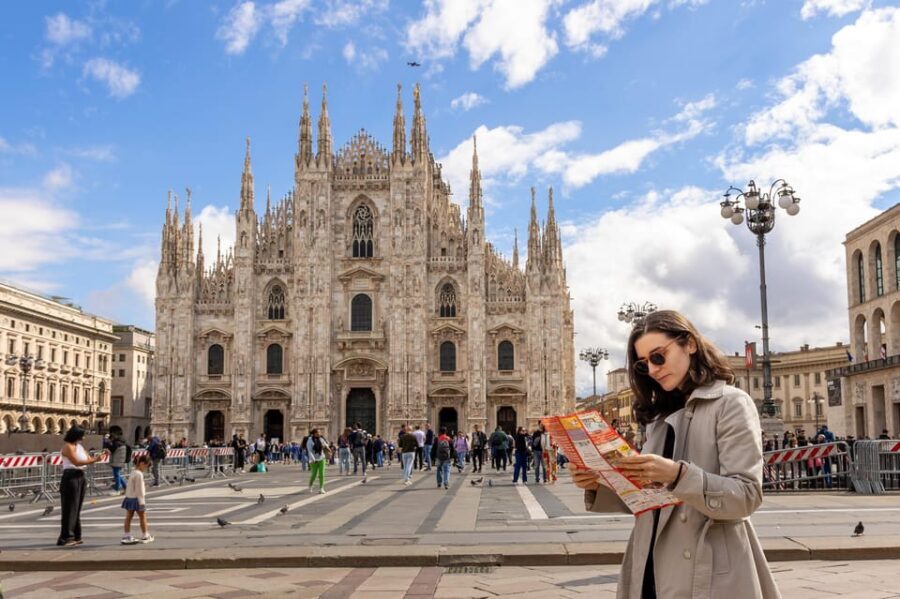
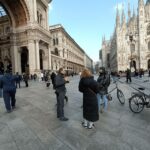
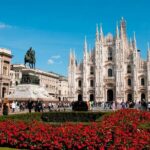
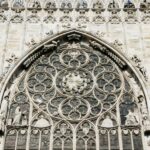
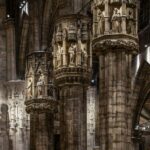
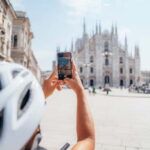
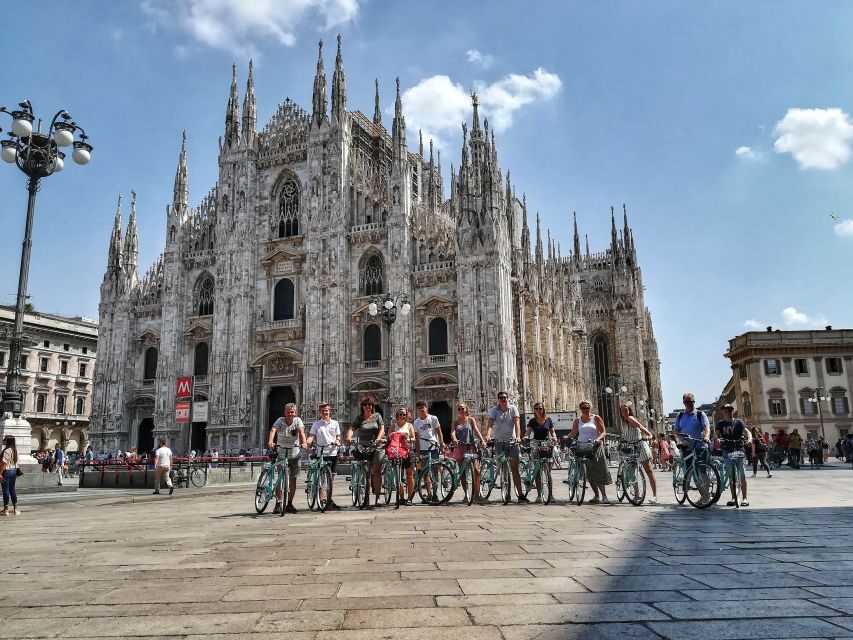
This is the “wow” zone, and the tour treats it that way. You pass the Duomo Cathedral, where the Gothic details look even sharper when you are moving slowly enough to take them in. The guide’s stories add meaning, so the cathedral becomes more than a huge building you stand next to for 30 seconds.
From there, you glide toward the Palazzo Reale, a classic symbol of refinement in Milan. It is elegant in a way that feels different from the Duomo’s drama, and riding by lets you notice scale and layout without fighting crowds as intensely as on foot.
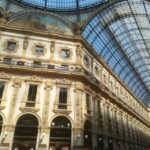
Then comes the stylish charm of the Galleria Vittorio Emanuele. Walking in there is nice, but cycling by gives you a cleaner mental map of how the center connects. You also start to see the “connections” theme the guide is building: religious power, royal style, then cultural and commercial prestige right next to each other.
The big benefit for you: after this stretch, you understand what areas are worth your extra time later. You do not leave staring at a map. You leave with a sense of direction.
La Scala and the Cultural Side of Milan
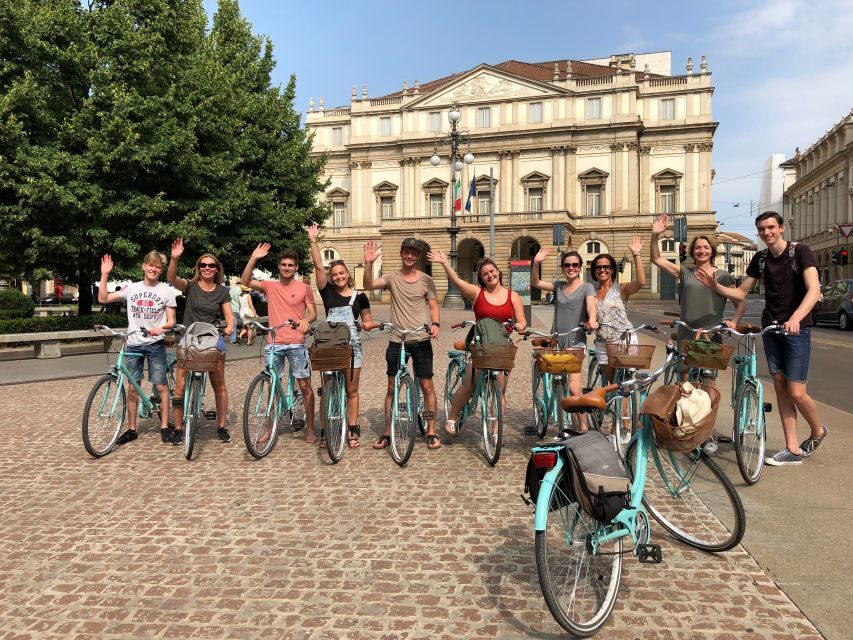
You also get close to La Scala, the world-famous opera house. Even if opera is not your thing, this stop helps you grasp what cultural prestige looks like in real life: it sits in the middle of everyday city movement, not behind museum walls.
Riding past it is a smart way to see it without turning the day into an all-day theater tour. The guide’s stories help you connect the building to the broader Milan vibe—art, performance, and public identity. If you like understanding why a place matters, you will enjoy the narration here.
This is also a good stretch for photo moments. Being on a bike means you are not stuck in one tight viewing spot. You can keep moving, pause when it matters, and still feel like you covered ground.
If you have limited time in Milan, La Scala is one of those stops that makes the bike tour feel justified. It is a landmark people talk about for a reason, and the tour gives it context fast.
Brera: Art Streets, Pinacoteca Energy, and Easy Momentum
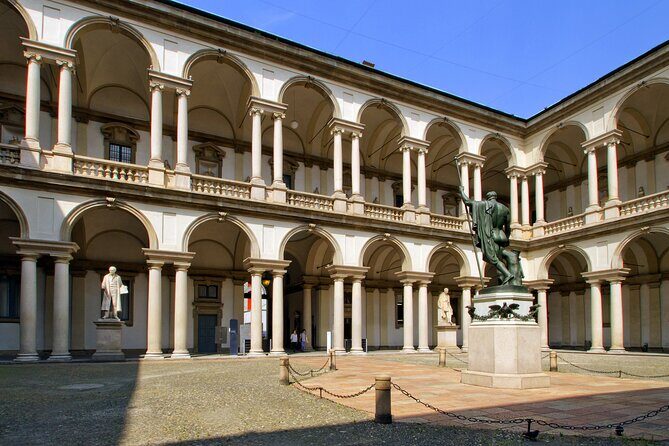
Next is Brera, often described as an artistic heart for Milan. On the bike, Brera feels like a change of tempo. The streets and mood shift from monumental to creative, and the route naturally slows down in feel even when your speed stays steady.
You will reach the area where the Pinacoteca awaits. Even if you do not go inside, the guide’s framing makes it easier to decide whether that is a “yes” stop for your own schedule. The tour helps you identify what you might otherwise skip because you did not know what you were looking for.
Brera is also a great place to take in street life. You get the benefit of seeing the neighborhood structure—where the art institutions sit, how the streets funnel toward the next attraction, and how Brera connects visually to the rest of central Milan.
I like that the guide makes this area feel accessible. You are not only looking at famous names; you are learning how to “read” the district as you move through it.
You can also read our reviews of more guided tours in Milan

Porta Nuova to Castello Sforzesco: Where Milan Changes Gears
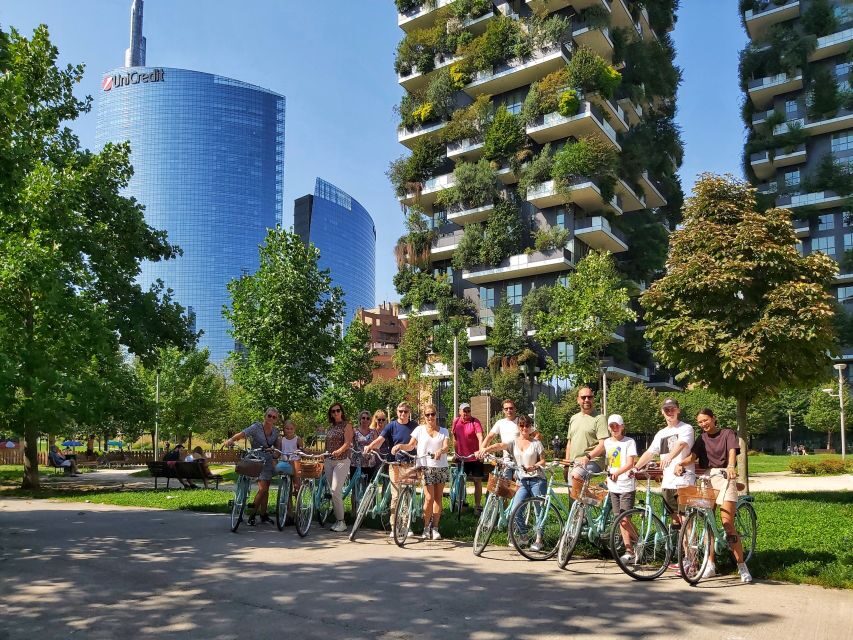
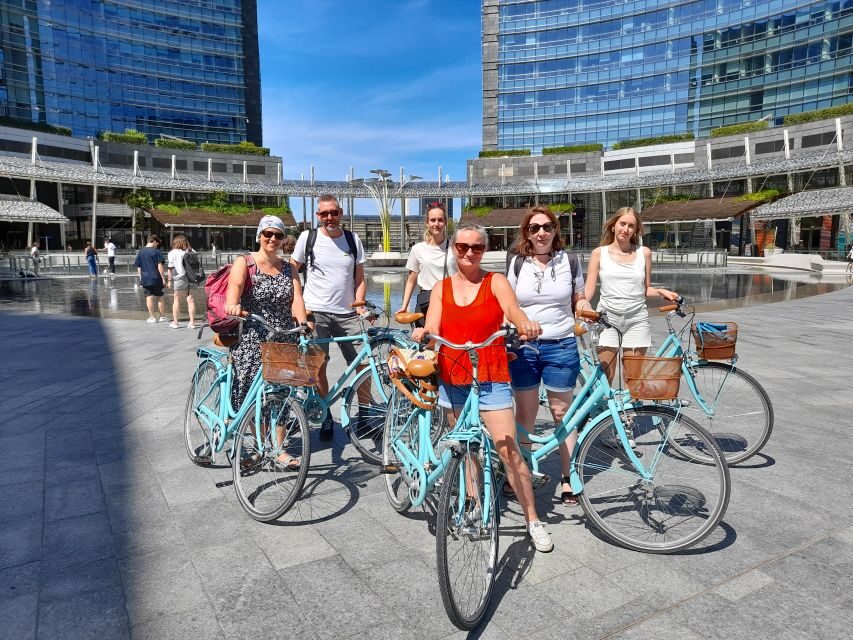
Then the tour jumps forward in time with the modern energy of Porta Nuova. The point is not just to see bold architecture; it is to feel how Milan evolved. Riding through gives you clear contrasts—old and new living side by side without feeling like a theme park.
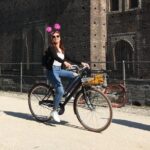
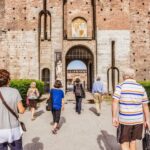
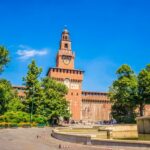
After that comes a grand entrance at Castello Sforzesco. This is one of those stops where slowing down really helps. From the saddle, you get the fortress feel and the scale of the grounds in a way that walking a few blocks might not deliver as quickly.
If you are the type who gets tired after too much indoor sightseeing, this part is great. Castello and the surrounding areas offer a sense of open space and pacing reset.
Also, you can treat Sforzesco as a decision point. If you feel pulled toward it, you can plan an add-on later. If you feel “checked it off,” the tour still did its job because you came away with a strong mental picture of where the castle sits in the city.
Parco Sempione and Arco della Pace: A Green Pause That Feels Earned
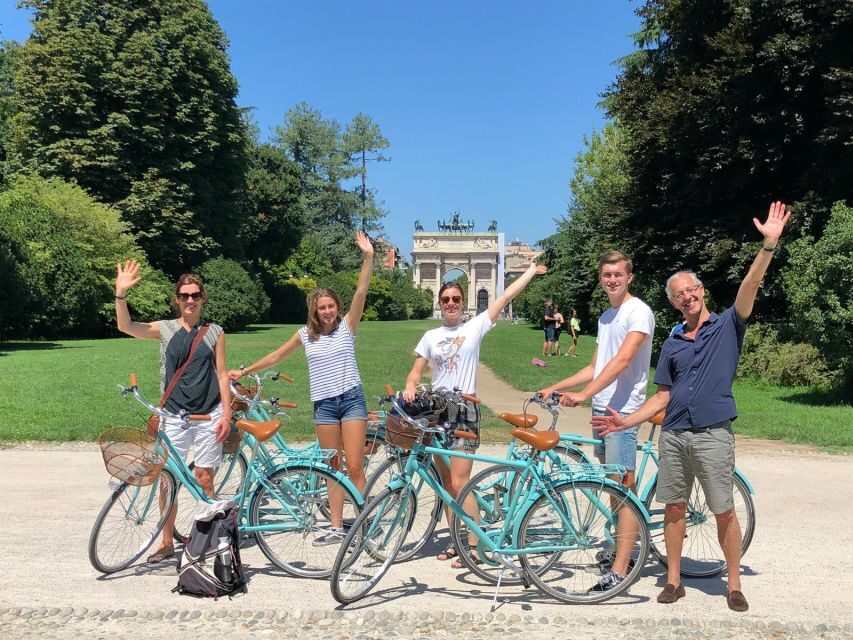
After the castle, you get Parco Sempione, Milan’s green lung. The tour basically gives your legs and brain a break here. You pedal into the park feeling the shift from stone-heavy streets to open space, and that makes the ride feel easier overall.
Crowned by Arco della Pace, this is a calm, elegant finish to the “major monuments” stretch. You get to breathe, look around, and reset before the tour takes you deeper back in time.
This park segment also helps you travel like a local. Milan is not only about museums and shopping corridors; it is also about where people go to unwind in the middle of the city. A bike tour is good at showing those in-between spaces, because you are not trapped inside one attraction area.
If you are with family members or friends who need periodic comfort breaks, this is the kind of stop that makes the whole day work.
Roman Ruins That Explain Milan’s Longer Story
The tour ends with a time jump back to Roman-era remains tied to Milan’s past as a capital of the Roman Empire. You visit remnants related to an imperial palace complex area, plus a circus and amphitheater remains.
This part matters because it explains how layers build. Milan is not one story told in a single era. It is a city that keeps changing what sits on top of what came before. Even if you know very little about Roman history, the guide’s framing helps you understand why these ruins still shape how Milan is laid out.
Riding through to these sites also keeps it from turning into a museum-only feeling. You are outside, moving, and listening. It is a different way to absorb the past than reading a plaque.
When the tour returns to the starting point, you should feel like you can place the main areas on a map immediately. That is the hidden value: you get a mental GPS for the rest of your Milan days.
Bikes, Safety, and How Hard Is It Really
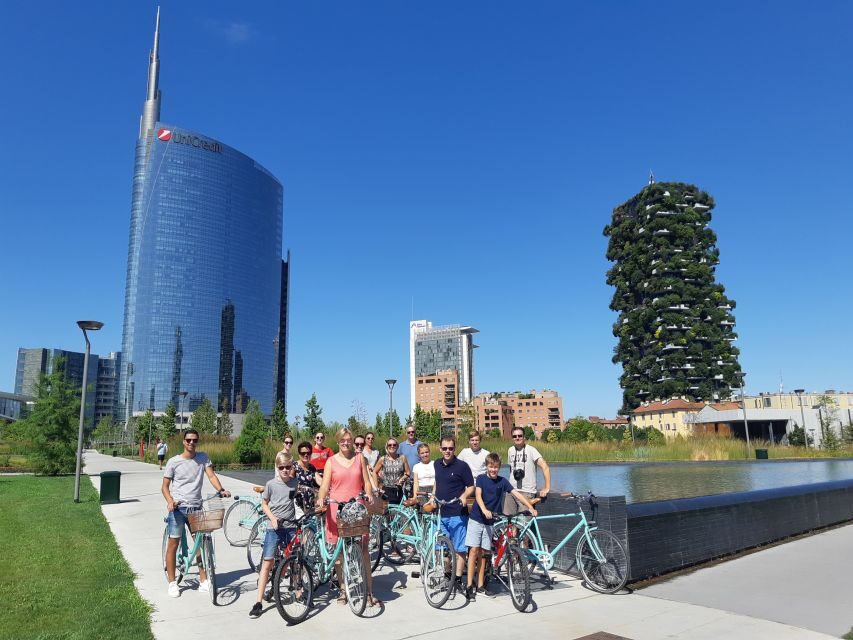
Practical matters can make or break a bike tour, and this one is set up to be easy. You get a bike and a helmet, plus third-party liability insurance. In Milan, that peace of mind matters because traffic can look intense even when you are just watching from the curb.
In terms of effort, the ride is designed for comfort. Reviews note that routes are flat and very easy to pedal, and the bike setup means you do not need gears to feel in control. If you want a cycling day that does not turn into a leg workout, this fits.
Size options also matter. People mention having multiple sizes available, which helps you actually ride comfortably instead of doing the awkward adjust-and-suffer routine.
And the guide style seems built for safety and clarity. On my kind of trip, I want someone who can navigate confidently and keep the group together. Here, guides are often praised for expert street navigation and keeping things smooth.
Price, What You Get for About $44, and Who This Fits
At about $44.41 per person for roughly 3.5 hours, you are paying for more than a bike rental. You are buying guided structure: a route that links Duomo, La Scala, Brera, Porta Nuova, Sforzesco, a park stop, and Roman remains—plus helmets and a waterproof jacket if you need it.
That is good value if you have limited time or if walking-only days leave you drained. It is also a smart way to reduce decision fatigue. After the tour, you will know which areas you want to return to on your own (or with a museum ticket).
This tour is best for:
- First-timers who want a strong overview fast
- People who like history told in story form, not lecture form
- Travelers who prefer a bike for transit over long walks
It is not for:
- Anyone who cannot ride a bike
- Anyone under 135 cm height
- Anyone who plans to bring alcohol or drugs along (not allowed)
My Quick Take: Should You Book This Milan Bike Tour?
Yes, if you want a practical introduction to Milan that does not waste your limited hours. This tour hits the city’s big names, but it also helps you understand how different districts connect. The guide-led stories—often credited to guides like Paulo, Sandra, and Martha—are a big part of why the experience works.
Book it early in your trip if possible. After this ride, you will know where to spend extra time, whether that means returning for a closer look at the Pinacoteca area or planning a longer stop around Sforzesco. If you are staying near the historic center, the meeting points around Vetra (M4) make it easy to start.
If you are purely looking for quiet, do-not-talk sightseeing, this might feel like a lot of guided focus. But if you want momentum, context, and an easier way to cover Milan, this is a strong pick.
FAQ
How long is the bike tour?
The tour lasts about 3.5 hours.
Where is the meeting point?
It starts near Metro Station Vetra (M4), about a 3-minute walk away. Other options include Duomo (M1 and M3) with about a 14-minute walk or tram, S. Ambrogio (M2) with about a 12-minute walk or bus, and Porta Genova (M2) with about a 1.3 km walk.
Do they provide the bike and helmet?
Yes. The bike and helmets are included.
What languages are the guides?
The live guide is available in Dutch and English.
Is the tour okay in light rain?
The tour goes ahead even if there is a gentle sprinkle. If the weather becomes worse, the operator will contact you about rescheduling or offering a full refund.
Is this suitable for anyone who cannot ride a bike?
No. It is not suitable for people who cannot ride a bike, and there is also a height requirement of at least 135 cm.
Is alcohol allowed during the tour?
No. Alcohol and drugs are not allowed.