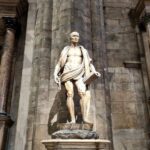
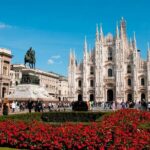
Milan can feel like a lot at once. This private 3-hour walking tour turns the biggest sights into a clear story, with breaks that let you ask questions and get useful local guidance. You’ll see the Duomo area, tour inside the Galleria Vittorio Emanuele II, and then move into quieter corners like Brera.
What I like most is the format: it’s private and customizable, so the pace and focus can match your interests. I also like that the guide doesn’t just point and go; you get practical ideas for what to do next in Milan, from architecture to daily life.
One thing to consider: in a small number of cases, a guide may have trouble understanding complex questions in certain languages. If you’ll ask detailed follow-ups, pick your language carefully and keep questions specific.
In This Review
- Key highlights you’ll feel during the walk
- A 3-hour private Milan walk that starts at Piazza dei Mercanti
- Piazza del Duomo: why Milan starts with the cathedral square
- Galleria Vittorio Emanuele II: the shopping arcade as a design lesson
- Brera District: the Milan neighborhood stop away from the main crush
- Basilica di San Simpliciano: a long-standing church that tells a different story
- Castello Sforzesco courtyards: the landmark beyond the postcard
- Guides and customization: what makes the tour feel personal
- Price and value: is $77 per person worth it?
- Who should book this Milan private walking tour
- Should you book? My practical call
- FAQ
- FAQ
- How long is the Milan private walking tour?
- Where does the tour start and end?
- Is the tour private?
- What sights are included during the walk?
- Are public transport rides included?
- What language options are available for the guide?
- Is food or drinks included?
- Can I customize the tour?
- What’s included in the price?
- Is there free cancellation and a pay-later option?
Key highlights you’ll feel during the walk
- Private, 3 hours, one guide: a focused route with room for questions.
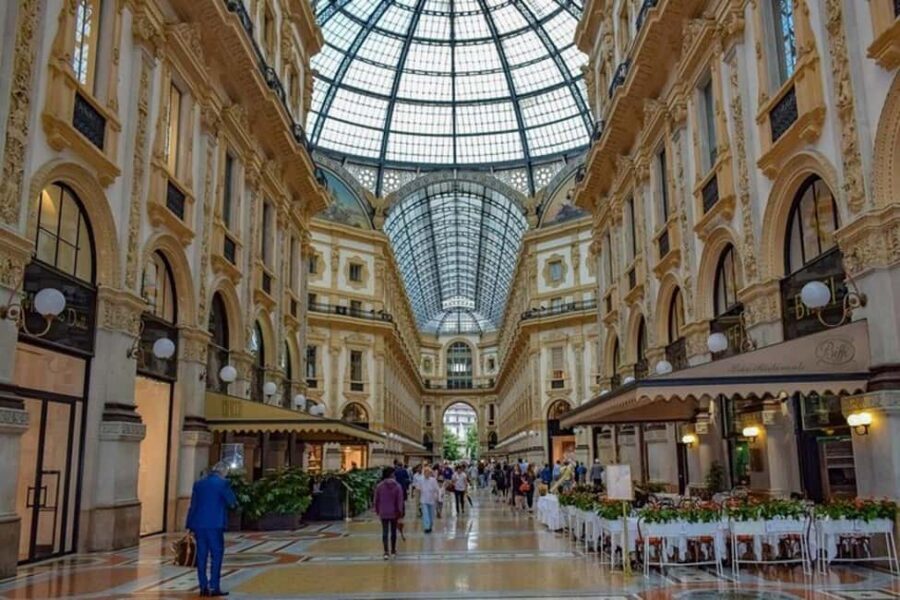
- Duomo and Galleria first: start with the city’s visual identity, then learn the arcade’s design story.
- Brera with fewer crowds: you get a local-feeling neighborhood stop instead of just a photo spot.
- San Simpliciano: a major church you may not plan on your own, explained in context.
- Sforza Castle courtyards: you see the landmark’s main outdoor areas without rushing.
- Advice beyond the route: guidance for how to spend your remaining time in Milan.
A 3-hour private Milan walk that starts at Piazza dei Mercanti
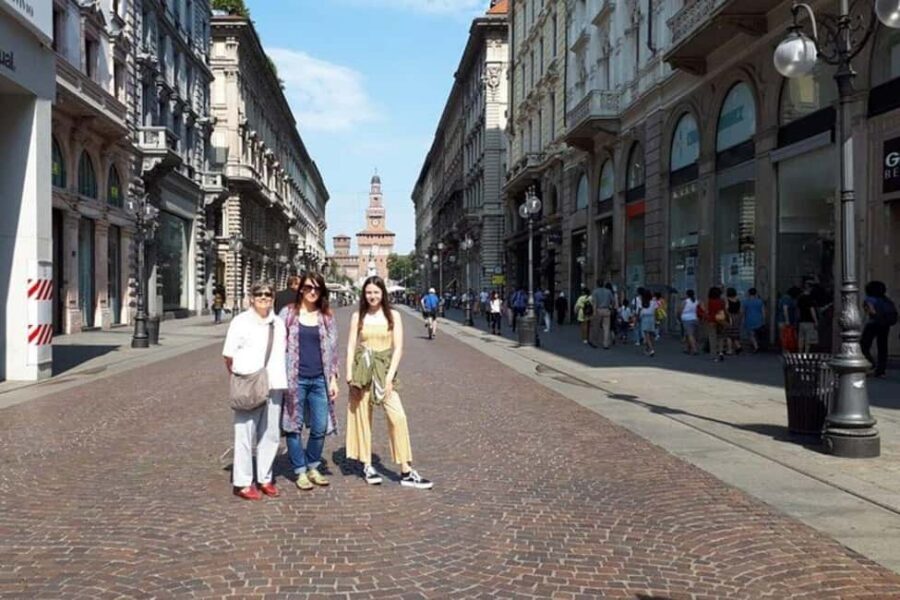
You meet at Piazza dei Mercanti, 1, a smart choice because it’s near the historic center and easy to orient yourself. The whole experience is designed as a short, concentrated introduction: big monuments on foot, plus a few places that help you understand how Milan lives day to day.
The private setup matters here. With a single group, you can slow down for a façade you care about, speed up when you’re ready, or ask the guide to explain how Milan’s design and fashion worlds connect. It’s also the kind of tour where your guide can shape the route around what you find interesting, rather than running you through a fixed script.
One practical note: it’s a walking tour with some public transport included depending on the options you choose. That’s useful in Milan because distances can add up quickly if you’re trying to do everything alone. Even with transit, plan on comfortable shoes and a light layer, especially if you’re traveling in shoulder seasons.
You can also read our reviews of more walking tours in Milan

Piazza del Duomo: why Milan starts with the cathedral square
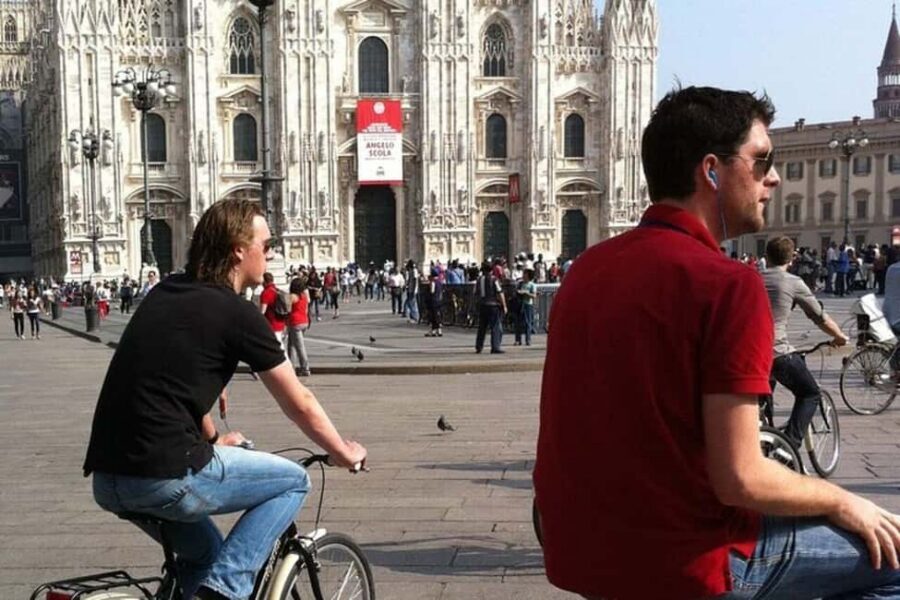
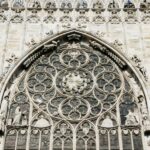
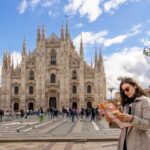
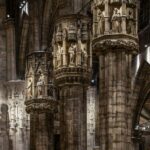
The tour begins at Piazza del Duomo, and that’s a good move. Even when you don’t go inside, the cathedral’s exterior changes how you read the city. From this square, the scale is obvious, and your guide can point out what makes the cathedral so central to Milan’s identity.
Outside viewing is not a compromise. It’s often the fastest way to get oriented, because the Duomo area is where you’ll keep coming back to later. You’ll also likely hear how the Duomo’s presence influenced the surrounding streets and how Milaners think about major civic and religious architecture.
If you’re the type who wants details, this is the stop to lean in. The guided time here works best if you bring a couple of themes: Do you care about design? Do you want stories about the city’s past? Are you trying to understand why people dress and shop the way they do around this part of town? Asking those questions early helps your guide tailor the rest of the route.
Galleria Vittorio Emanuele II: the shopping arcade as a design lesson
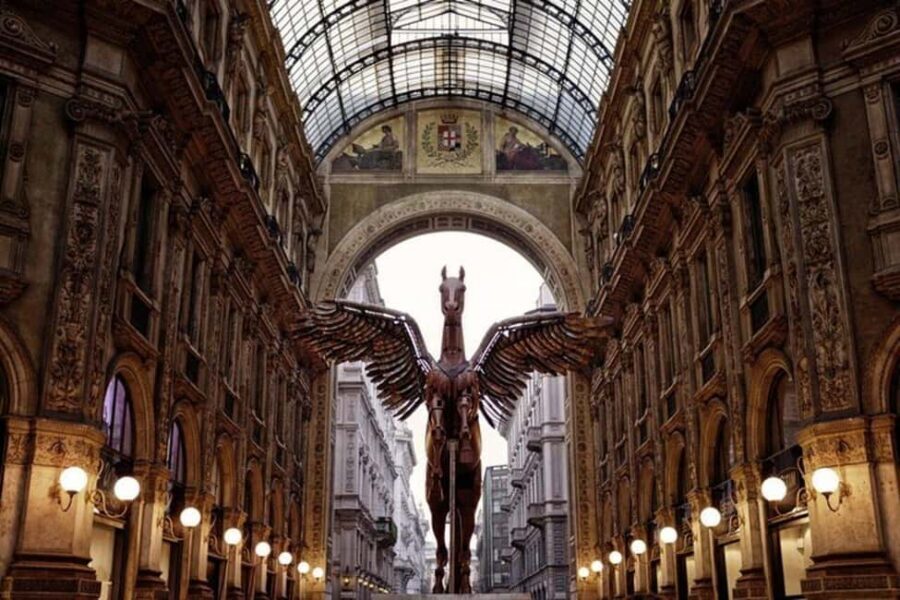
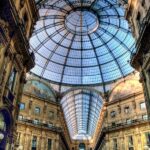
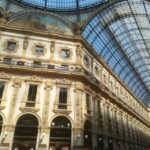
Next you’ll head to Galleria Vittorio Emanuele II, and you actually walk inside. That’s the advantage of doing it with a guide: you don’t just admire it for five seconds. You learn what you’re looking at—how the space is laid out, why it looks the way it does, and how such arcades became social and commercial hubs.
This building is a key Milan experience even if you don’t shop. The arcade has its own rhythm: people pass through, linger, and use it as a shortcut and a meeting point. Your guide can also connect the Galleria to the city’s broader relationship with style and industry.
A quick tip for your comfort: if you’re sensitive to crowds, pay attention to timing. The Galleria can get busy, but with a guide you’re less likely to get stuck trying to find a good moment. The pacing here also sets you up for Brera later, when the mood shifts.
Brera District: the Milan neighborhood stop away from the main crush
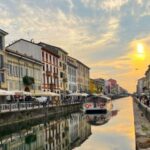
After the grand sights, the tour moves into Brera, and that neighborhood choice is one of the best reasons to book. Brera is where Milan starts feeling like a place people actually live, not a stage set for visitors.
You’ll get a guided walk through the district known for its artistic heritage and its day-to-day energy. This part of the route is valuable because it adds texture. You’re not just seeing what Milan looks like from the outside—you’re getting a feel for the kind of streets that shape conversations, cafes, and creative culture.
What to do with this stop: use it to calibrate your own Milan plan. If you like the vibe in Brera, ask your guide what else is worth your time nearby—churches, squares, or the kind of local places that don’t make it into every quick itinerary. In past walks, guides like Rosaria have been praised for explaining Milan in a way that helps people plan the rest of their days, not just the next hour.
Basilica di San Simpliciano: a long-standing church that tells a different story
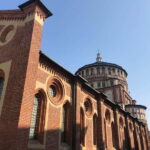
Then you visit Basilica di San Simpliciano, described as Milan’s most important church with a history reaching back centuries. This stop matters because it adds depth that you don’t always get when a tour focuses only on the headline monuments.
You’ll learn how the church fits into Milan’s identity over time, and your guide can share context that makes the architecture and atmosphere feel more intentional. Even if you’re not a “church person,” a stop like this is often where the guide’s storytelling becomes most memorable—because it’s not just about a building. It’s about what the building has meant for generations of people.
Keep your expectations realistic: this isn’t framed as a long museum-style visit. It’s a guided walk-and-understand stop. For the best experience, come in with a question like: How does this church compare to what we already saw near the Duomo? Or, What makes it especially significant in Milan?
You can also read our reviews of more private tours in Milan




Castello Sforzesco courtyards: the landmark beyond the postcard
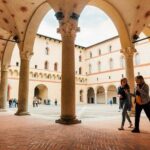
The tour ends at Castello Sforzesco, one of the most iconic Milan landmarks. Instead of trying to sprint through every possible area, you’ll wander the main courtyards. That approach works well because courtyards are the part of the castle that communicate scale fast.
This is also a strong closing stop because it connects Milan’s visual identity to its power story. Castles and palaces aren’t just scenic. They help you understand why cities developed the way they did, how rule and culture were tied together, and how symbols shaped the streets around them.
If you enjoy photos, you’ll get plenty of angles here. If you don’t, you’ll still benefit from the guide’s explanation. The courtyards give you open space to slow down and digest what you’ve seen: Duomo’s civic-religious presence, the Galleria’s public-commercial elegance, Brera’s creative streets, San Simpliciano’s deep roots, then the castle’s “Milan in the big league” feeling.
And because it’s private, you can spend a few extra minutes on the part you care about most—usually the kind of courtyard views you’ll remember later when you’re back in the city on your own.
Guides and customization: what makes the tour feel personal
A private walk only works if the guide brings Milan to life in a useful way. The strongest praise for this tour focuses on storytelling and explanation, not just logistics. Guides like Davide and Rosaria have been singled out for sharing lots of stories and answering questions about Milanese architecture, industry, and fashion.
That’s exactly the kind of information that helps your trip. Milan is a city where visuals connect to real-world industries—design, textiles, manufacturing, and how people present themselves. When your guide links those dots, you start noticing patterns quickly: materials, street layout, and the way neighborhoods support different lifestyles.
Customization is also practical. If you’re more interested in architecture, you can ask for a slower pace and more façade focus. If you’re into design and shopping culture, you’ll likely want extra time around the Galleria and the routes leading toward it. If your focus is history and churches, you can ask for extra context at San Simpliciano.
One caution from an uneven experience: one participant noted that although the guide spoke French, there was difficulty understanding and responding to questions. That doesn’t mean it will happen to you. It just means it’s worth being mindful—especially if you’re planning to ask very specific, multi-part questions in a second language.
Price and value: is $77 per person worth it?
At $77 per person for about 3 hours, this tour sits in the “short but focused” category. Here’s how I’d judge value.
First, it’s private. You’re not splitting attention among a larger group, so the guide can tailor pace and answer questions without rushing you. Second, it covers several major anchors of central Milan in one compact route: Duomo area, Galleria, Brera, San Simpliciano, and Castello Sforzesco. Third, you also get guidance on what to do next—often the hidden value of a good orientation tour.
Food and drinks aren’t included, so you’ll want to plan a café stop either before or after. Also, the tour includes walking and public transport depending on the option you select, which helps reduce the effort of planning between stops.
If you’re traveling with limited time—especially for a first visit—this price can feel reasonable because it compresses planning and explanation into one session. If you’re the kind of independent traveler who already has detailed knowledge and just wants photos, you might feel the cost more. But if you’d like a structured route plus local insight, the format gives you clear returns.
Who should book this Milan private walking tour
This works especially well for:
- First-timers who want orientation without spending days piecing together routes.
- People who like architecture, design, and how cities connect to industries.
- Travelers who prefer private pacing and direct Q&A over group listening.
- Anyone who values a guide’s “what to do next” advice so you don’t waste time guessing.
It may be less ideal if:
- You want long indoor time at major sites. This tour’s focus is guided walking and key exterior/interior experiences at selected stops.
- You’re hoping for lots of food experiences, since drink/food isn’t included.
- You need highly technical answers in a specific language; the experience depends on the guide.
Should you book? My practical call
I’d book this tour if you want a smart first look at Milan with a private guide who can answer questions and help you build the rest of your itinerary. The route is short enough to keep energy up, but it still hits the city’s most recognizable anchors and then adds a neighborhood feeling with Brera. The private customization is the real advantage, especially when you care about design, architecture, or the way Milan works day to day.
If you’re unsure, do this simple test: ask yourself whether you’d rather spend your first hours walking with context or wandering on your own and piecing together stories later. If you want context now, this is a strong use of time.
FAQ
FAQ
How long is the Milan private walking tour?
It lasts about 3 hours.
Where does the tour start and end?
It starts at Piazza dei Mercanti, 1 and returns to the same place.
Is the tour private?
Yes. It’s a private group, and the description indicates there won’t be anyone else in your group.
What sights are included during the walk?
You’ll visit the Duomo area (outside), Galleria Vittorio Emanuele II (inside), Brera District, Basilica di San Simpliciano, and Castello Sforzesco courtyards.
Are public transport rides included?
Walking is included, and public transport is included as well, except if you select one of the options mentioned in the activity details.
What language options are available for the guide?
The live guide is available in English, French, Spanish, and Italian.
Is food or drinks included?
No. Drink or food is not included.
Can I customize the tour?
Yes. The tour can be customized.
What’s included in the price?
The tour includes the private and exclusive experience, customization, walking and public transport (with the option noted), and help from the team to book tickets for the visits you want.
Is there free cancellation and a pay-later option?
Free cancellation is available up to 24 hours in advance for a full refund, and there is a reserve now & pay later option.