REVIEW · MILAN
Milan : Historic Private Walking Tour
Book on GetYourGuide →Operated by Guydeez Tours · Bookable on GetYourGuide
Milan feels smarter when you walk it. This historic private walking tour stitches together modern towers and old churches in just 2 hours. You get a local guide to point out what matters, not just what’s famous.
I especially liked the way the tour treats art like part of the street scene, not a separate museum chore. You’ll hit Pinacoteca Ambrosiana for guided art time, then continue toward other major cultural stops like Gallerie d’Italia. I also came away with practical, everyday advice; one guide even shared an espresso spot at Armani and a simple rule about cappuccino being a breakfast drink.
The main downside to watch for is guide-to-guide variation. I saw one lower rating where the experience felt more like a relaxed stroll among bars, restaurants, and shops, with less building-and-architecture focus than expected. If you care a lot about architecture depth, tell your guide what you want early.
In This Review
- Key points to know before you go
- First, what this 2-hour private Milan walk really delivers
- Piazza Gae Aulenti: a modern starting point that sets the tone
- Pinacoteca Ambrosiana and the art-stop rhythm (what to watch for)
- Bosco Verticale: design you can understand at street level
- UniCredit Tower and Porta Garibaldi: the business-meets-city section
- Basilica di San Simpliciano and Santa Maria Incoronata: old Milan with personality
- Piazza Mercanti and the city’s in-between squares
- N’Ombra de Vin and SUPER Milano: local flavor between landmarks
- How the walking and transport mix affects your day
- Guides matter: what the best ones do differently
- Price and value: what you’re actually paying for
- Who should book this tour (and who might not)
- Should you book? My honest take
- FAQ
- How long is the Milan historic private walking tour?
- Where does the tour start and end?
- Is the tour private or shared?
- What languages are available for the guide?
- Is the tour wheelchair accessible?
- What’s included in the price, and what’s not?
- What’s the cancellation policy and pay-later option?
Key points to know before you go
- Private by default: it’s just your group, so you can steer the pace and questions
- Modern Milan + classic churches: towers, squares, and real local hangouts
- Art and culture stops: guided time at major venues such as Pinacoteca Ambrosiana and Gallerie d’Italia
- Local know-how: you’ll get tips for where to eat and what to do next
- Wheelchair accessible: the tour is designed to be possible for wheelchair users
First, what this 2-hour private Milan walk really delivers
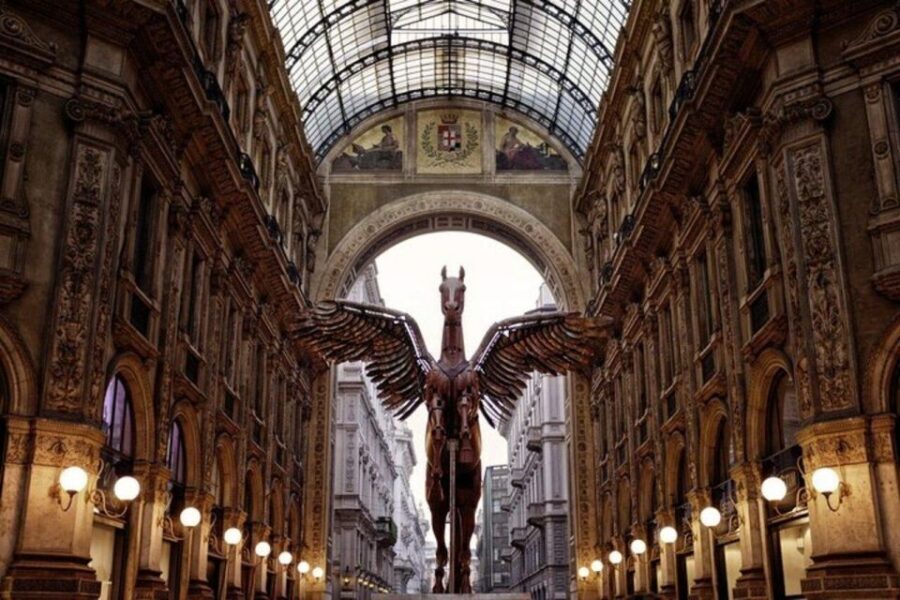
A good short tour does one thing well: it gives you bearings. This one is built for that. You start at Piazza Gae Aulenti, 8, then work through a tight route that mixes Milan’s modern showpieces with older, more human-scale spaces.
You’ll be walking the city with a live guide in English, French, Italian, or Spanish, and the pace is flexible. That matters because Milan is a mix of neighborhoods with very different vibes. In two hours, the tour keeps you moving while still letting your guide explain what you’re actually looking at.
Price-wise, $41 per person for a private 2-hour format can be a solid value—especially if you’re traveling with a partner or small group and you want the guide to tailor your stops. It’s not a cheap group-bus deal. It’s more like paying for a smart local lens.
You can also read our reviews of more walking tours in Milan


Piazza Gae Aulenti: a modern starting point that sets the tone
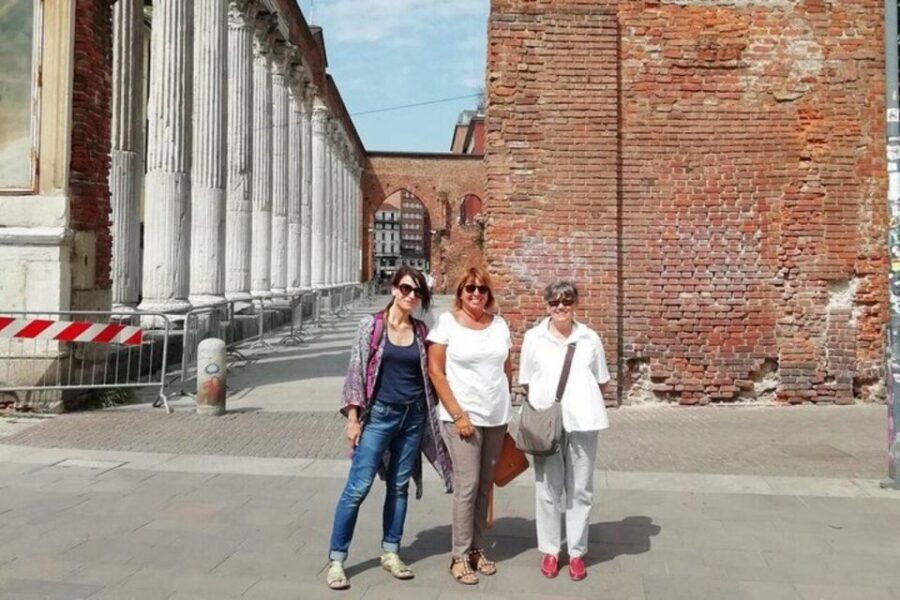
You begin at Piazza Gae Aulenti, 8, and that’s a smart choice. This is one of those Milan spots where the city suddenly looks futuristic—clean lines, modern design, and energy that feels very “right now.” It’s a good place to start because it primes your eyes for what comes next.
From there, the route leads you toward nearby landmarks and art/culture venues. You’re not stuck in a single style of Milan. Instead, you’re constantly switching gears, which is exactly what helps first-timers understand the city.
Also, starting in a central, recognizable square makes your day easier. You won’t waste your only prime time doing guesswork about where to meet.
Pinacoteca Ambrosiana and the art-stop rhythm (what to watch for)
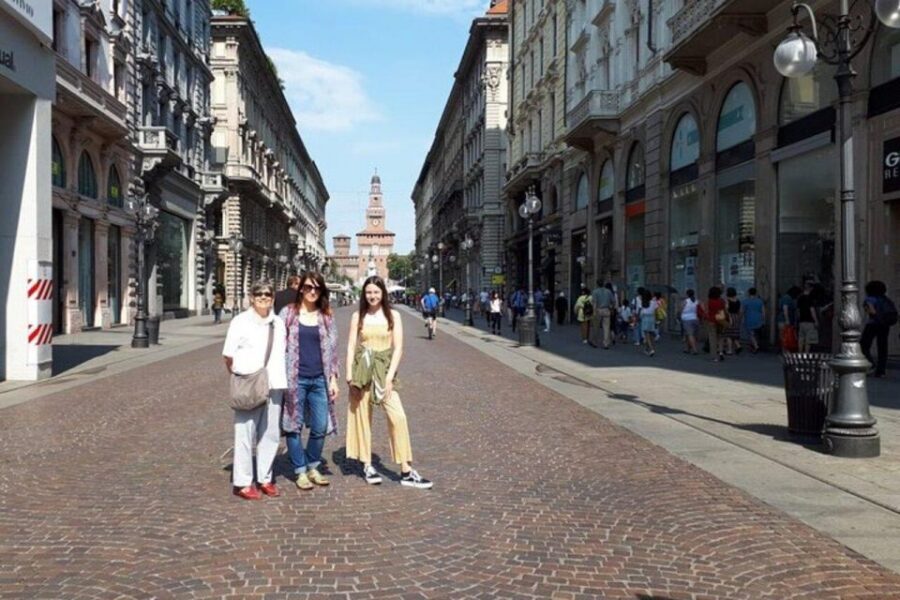
Pinacoteca Ambrosiana is one of the tour’s anchors. If you want more than photo stops, this is where the guide can connect the dots between artwork, setting, and Milan’s identity.
Here’s what I like about this kind of stop in a short tour: it gives your brain a “reason” to slow down. Even if you’re not an art superfan, a guided look helps you notice details you’d miss on your own. You also get a break from outdoor walking, which helps you keep energy for the rest of the route.
One practical note: the tour description emphasizes major art houses, and it also mentions Pinacoteca di Brera in its overview. The confirmed walk includes Pinacoteca Ambrosiana and Gallerie d’Italia. If you care specifically about Brera versus Ambrosiana, message your provider ahead of time to confirm exactly what’s included on your date.
Bosco Verticale: design you can understand at street level
Bosco Verticale is a head-turner, and it’s also teachable. You’ll see the famous residential towers covered with trees on terraces. The guide can explain why the design is more than decoration—why it’s tied to sustainability and how cities try to manage greenery in dense areas.
What makes this stop valuable on a short tour is that it’s visual, but not empty. You’ll have something concrete to discuss: how the towers use vertical space, how the greenery changes the look of the buildings, and why Milan’s modern planners keep showing up in design like this.
And yes, it’s a great photo spot—but your guide should help you go beyond the selfie moment by explaining the concept in plain terms.
UniCredit Tower and Porta Garibaldi: the business-meets-city section
Then the tour shifts to the modern skyline side of Milan. You’ll pass landmarks like the UniCredit Tower and move through areas around Porta Garibaldi and the broader business district feel.
This part can be surprisingly useful even if you don’t care about corporate architecture. You’re learning how Milan organizes space and movement—what’s pedestrian-friendly, what’s car-heavy, and how the city’s newer areas create their own rhythm.
At Porta Garibaldi, the atmosphere typically reads more “neighborhood with a pulse” than “tourist postcard.” That blend is why it works in a 2-hour structure: you see the symbols, then you get a hint of everyday life around them.
You can also read our reviews of more private tours in Milan


Basilica di San Simpliciano and Santa Maria Incoronata: old Milan with personality
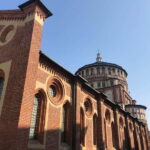
When the tour hits the churches, you get a different kind of Milan lesson. Basilica di San Simpliciano brings you into a calmer, older layer of the city. Churches like this are useful stops because they show how faith, art, and local identity overlap over centuries—not as a textbook, but as physical space you can stand in.
Later, you’ll also reach Chiesa di Santa Maria Incoronata. The value here is contrast. You’ve just seen modern design and a business district. Now you see how the city expresses meaning through architecture in a completely different language.
If you care about details—facades, layout, and what makes each building distinct—this is where your guide’s interpretation really matters. If you want a deeper architecture angle, this is the moment to ask targeted questions.
Piazza Mercanti and the city’s in-between squares
Piazza Mercanti is the kind of stop I love on guided walking tours. It’s not only about the attraction itself—it’s about understanding how Milan used to operate around squares and civic spaces.
Squares are where your mental map forms. After a few stops, you start to “feel” how neighborhoods connect. You also notice how people actually use the space: where they pause, where they walk through, and what directions matter.
In a short tour, these squares act like glue. They connect the big sights so your final impression of the city is coherent, not scattered.
N’Ombra de Vin and SUPER Milano: local flavor between landmarks
Some tours only hit monuments. This one squeezes in places that feel more like lived-in Milan.
N’Ombra de Vin is the kind of stop that helps you understand the city’s everyday social scene. Even if you don’t stop for a drink, you’ll get the vibe—how people linger, where they gather, and how the city relaxes between sightseeing.
SUPER Milano also fits this idea of the city as culture in motion. It’s another example of Milan beyond the classic must-sees. This is the part of the tour that can feel either perfect or slightly off-target depending on your preferences. If you’re looking for pure architecture facts, lean into the “ask questions” approach here. If you like social atmosphere, this section will feel like a win.
How the walking and transport mix affects your day
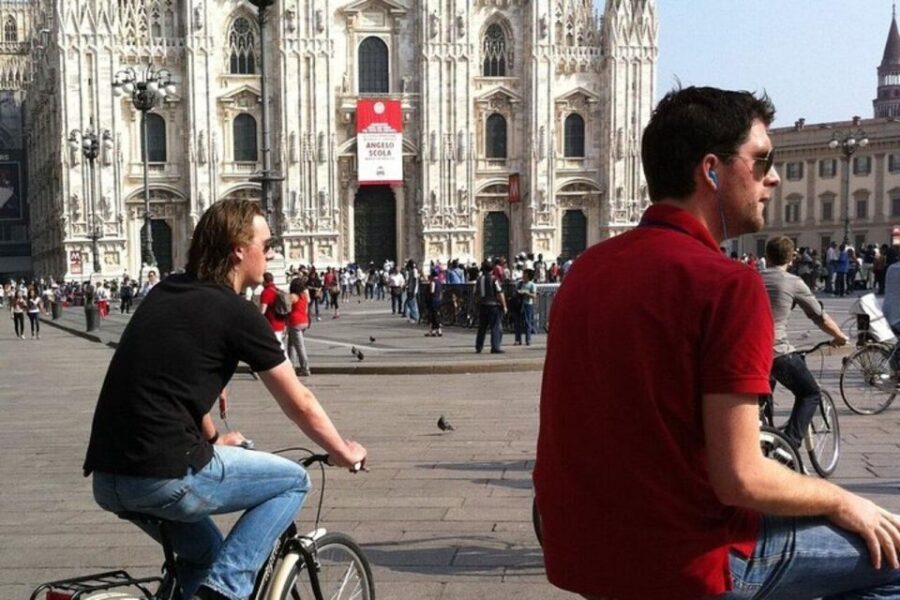
The tour includes a walking route and public transport, unless you select an option without transit. That detail matters because Milan’s layout can chew up time if you insist on walking every link.
Using transit strategically is often what keeps a 2-hour tour from becoming a stamina test. You still get street-level views, but you also get to keep enough time for inside visits and guided explanations.
Because the tour includes guided time at multiple venues, you’ll want comfortable shoes. Plan for a fairly steady pace, not a slow amble.
Guides matter: what the best ones do differently
One of the most helpful things about this experience is that it’s a private tour, which makes the guide’s style more influential than on group tours.
Some guides are clearly strong at adapting the walk to what you already saw. One guide named Daniela adjusted the tour based on your likes and what you’d done earlier, then followed up with extra suggestions for where to go next. Another guide, Davide, was highlighted for clear historical explanations and answering detailed questions.
There’s also a reminder that guide focus can change the feeling. A lower rating mentioned a guide named Ismail who was friendly but didn’t deliver the architecture-and-history depth expected. Instead, the walk felt like a stroll with lots of bars and shops. That doesn’t mean the tour is wrong—it means your preferences need to be stated.
If you book, send a quick note about what you want most: architecture details, art, or local-life stops. Then start asking questions early so the tour stays aligned.
Price and value: what you’re actually paying for
$41 per person for a private 2-hour walking tour can make sense when you compare what you get in one go: major landmarks, guided art/culture stops, and tailored guidance.
What you’re paying for isn’t just the route. It’s the guide’s ability to:
- connect what you see to why it matters,
- steer you away from dead ends,
- and give you practical “what to do next” advice.
The tour is also set up to help with tickets for the visits you want, so you’re less likely to lose time figuring things out mid-day. Food and drinks are not included, so you’ll need to plan meals separately—though your guide’s restaurant tips can make that part easier.
Who should book this tour (and who might not)
This tour fits you if:
- you want a fast, structured introduction to Milan,
- you like a mix of modern design and historic churches,
- and you want a guide to recommend what to do after the tour.
It can be less ideal if:
- you want a deep, lecture-style architecture walkthrough with no detours into neighborhood atmosphere,
- or you’re extremely sensitive to pacing and want only quiet, minimal-street scenes.
The best move is to treat it like a guided sampler. Then you can go deeper on your favorite area afterward.
Should you book? My honest take
If you’re in Milan for a first visit and you want a guided route that covers both iconic modern sights and older landmarks in a short time, I think this is a good booking. The private setup, the guided culture stops like Pinacoteca Ambrosiana and Gallerie d’Italia, and the chance to get real local advice are the big wins.
If your priority is architecture detail only, tell your guide what you want before you start. With the right guide, this tour feels like a smart Milan orientation you can build on for the rest of your trip.
FAQ
How long is the Milan historic private walking tour?
It lasts 2 hours.
Where does the tour start and end?
The tour starts and ends at Piazza Gae Aulenti, 8.
Is the tour private or shared?
It’s private and exclusive, meaning there is no one else in your group.
What languages are available for the guide?
The live guide is available in English, French, Italian, and Spanish.
Is the tour wheelchair accessible?
Yes, the tour is wheelchair accessible.
What’s included in the price, and what’s not?
The tour includes a walking tour and public transport (unless you choose an option without transport) and help from the team to book tickets for the desired visits. Food and drinks are not included.
What’s the cancellation policy and pay-later option?
You can cancel up to 24 hours in advance for a full refund. There is also a reserve now & pay later option.
If you tell me your travel dates and what you care about most (art, architecture, or local food life), I can help you pick the right approach for this tour so it matches your style.