REVIEW · MILAN
Milan: Small Group Walking Tour with Last Supper Access
Book on GetYourGuide →Operated by LivTours - We craft tours, you live them · Bookable on GetYourGuide
Seeing the Last Supper up close changes everything. This small group Milan walking tour pairs timed, skip-the-line entry to Leonardo da Vinci’s The Last Supper with guided stops that connect art, architecture, and everyday city life. I like two things most: the limited group size (up to 6), so the room feels manageable, and the way the guide ties each stop together instead of treating Milan like a checklist. The main drawback to consider is that Duomo entrance isn’t included, so you’ll see the cathedral from the square rather than going inside on this tour.
You’ll spend about 3 hours walking, with a professional English-speaking guide, and you’ll finish back near the main meeting point area at the Duomo. Plan for steady walking, and bring your valid picture ID—the Last Supper ticket requires it.
In This Review
- Key Highlights You’ll Actually Feel On This Tour
- Why This Tour Starts at the Convent Door, Not the Ticket Line
- The ID Rule That Can Make or Break Your Day
- Stop 1: The Meeting Point and How to Start Without Stress
- Stop 2: The Last Supper in a Small Room With Big Meaning
- Stop 3: San Maurizio al Monastero Maggiore and Frescoes All Over the Place
- Stop 4: Coffee Tasting Break That Keeps the Tour Human
- Stop 5: Piazza degli Affari, 1808 Beginnings, and Cattelan’s L.O.V.E
- Stop 6: San Satiro and Bramante’s Perspective Trick
- Duomo Square and the Cathedral You’ll Want to Revisit
- The Guides Make This Tour: Barbara, Larissa, and Elisa
- Price and Value: What You’re Really Paying For
- Who Should Book This (and Who Might Skip It)
- Should You Book This Milan Small-Group Tour?
- FAQ
- Where does the tour start?
- Where does the tour end?
- Do I need a picture ID for this tour?
- How long is the walking tour?
- How big is the small group?
- Is entrance to the Duomo included?
- What attractions are included besides the Last Supper?
- Is there a café stop?
- Is hotel pickup included?
- Do I get skip-the-line access?
Key Highlights You’ll Actually Feel On This Tour
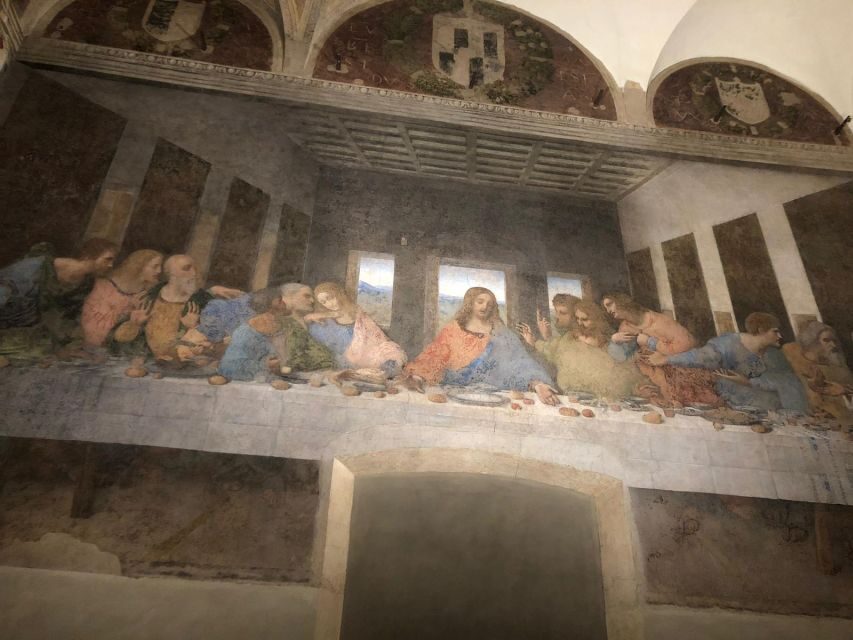
- Skip-the-line access to The Last Supper with a separate entrance
- Small group of up to 6 for a quieter, more question-friendly visit
- San Maurizio al Monastero Maggiore and its ceiling-and-wall fresco program
- Coffee tasting stop in a local café to break up the walking time
- Piazza degli Affari plus the story behind Cattelan’s L.O.V.E (Il Dito)
- Bramante’s San Satiro and its famous perspective trick
Why This Tour Starts at the Convent Door, Not the Ticket Line
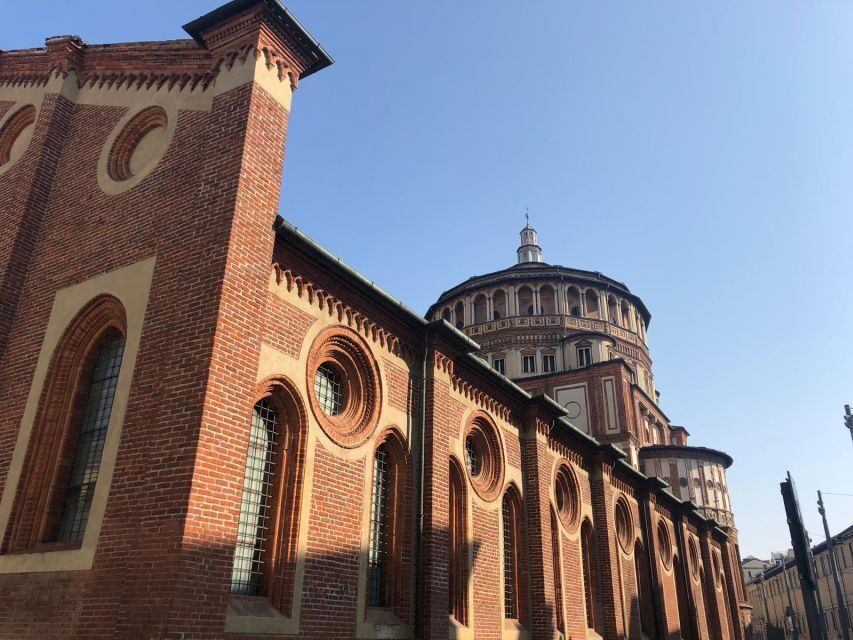
The best part of this Milan experience is where it begins: the Convent of Santa Maria delle Grazie, home to The Last Supper. Getting to that painting is half the battle—timed access matters, and security lines can be time-consuming. This tour’s biggest practical win is entrance to the Last Supper, plus skip-the-line access through a separate entrance.
Inside the viewing space, you’re not stuck in a long, chaotic crowd. The tour is designed for a small group, capped at 6 participants, and that makes a difference. You can actually look. You can also hear the guide explain what you’re seeing without competing with 60 other people whisper-shouting at elbows.
The tour also covers more than one “famous postcard” moment. You’ll connect the painting with Milan’s wider artistic and architectural story—fresco churches, perspective tricks, public art, and the slow-built Duomo. That’s the value here: not just seeing landmarks, but understanding why Milan grew the way it did.
You can also read our reviews of more walking tours in Milan

The ID Rule That Can Make or Break Your Day
Bring a valid picture ID for the Last Supper ticketing process. The tour data is clear: you need the original document or a photocopy. No ID means no ticket validation.
It’s also smart to book with full names that match your ID exactly. The ticketing administration requires full names when you reserve. This is the kind of rule that sounds boring until it ruins your plan in the real world—so take it seriously.
One more small tip: keep your ID accessible at the start of the tour. Don’t wait until you’re at the counter with people behind you.
Stop 1: The Meeting Point and How to Start Without Stress
You meet at the box office area for the Last Supper in Piazza Santa Maria delle Grazie. From there, the group heads straight into the Last Supper portion with the ticket you’ve been assigned.
This matters because the tour’s flow depends on timed access. If you show up rushed or late, you can end up stressed instead of excited. I suggest building in extra buffer time around your arrival—especially if you’re taking public transit, or if you’re using Milan as your “walk-everywhere” city day.
Stop 2: The Last Supper in a Small Room With Big Meaning
You’ll visit The Last Supper with a guided explanation. The tour includes entrance and uses the separate entrance option, which helps you avoid the worst of the lines.
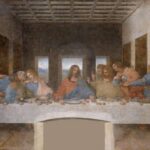
Here’s what I think is worth your attention: Leonardo didn’t just paint a scene; he created a composition that draws your eyes and keeps your attention. The guide’s job is to help you look like an art-historian without turning it into homework.
Because this is a small group experience, you can focus on details that you’d miss in a larger crowd. You’re also less likely to feel like you’re constantly stepping aside for someone trying to take a photo from the middle of your view.
If art is your priority in Milan, this is the anchor. If it isn’t, you’ll still appreciate it because the rest of the tour is built to connect to this moment—Milan’s later churches, fresco traditions, and the city’s talent for visual storytelling.
Stop 3: San Maurizio al Monastero Maggiore and Frescoes All Over the Place
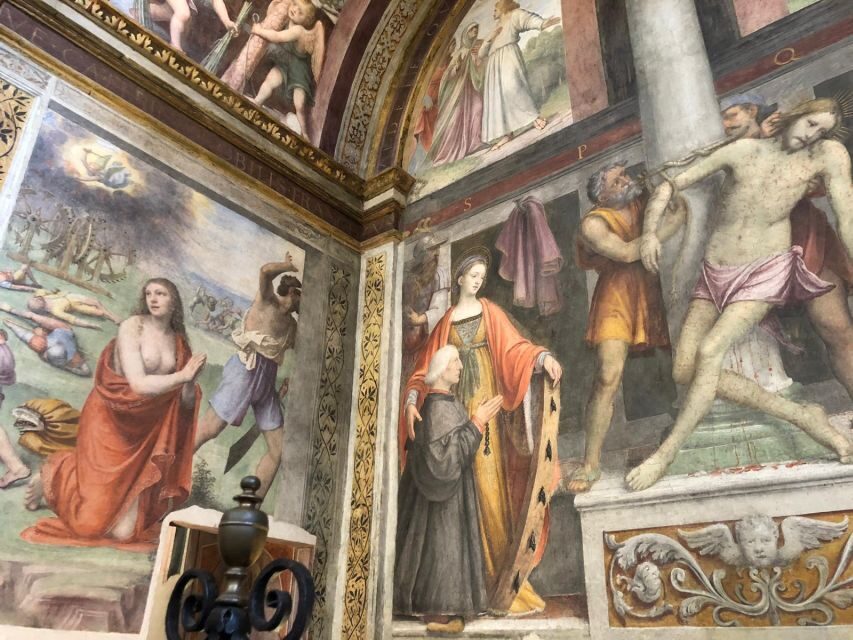
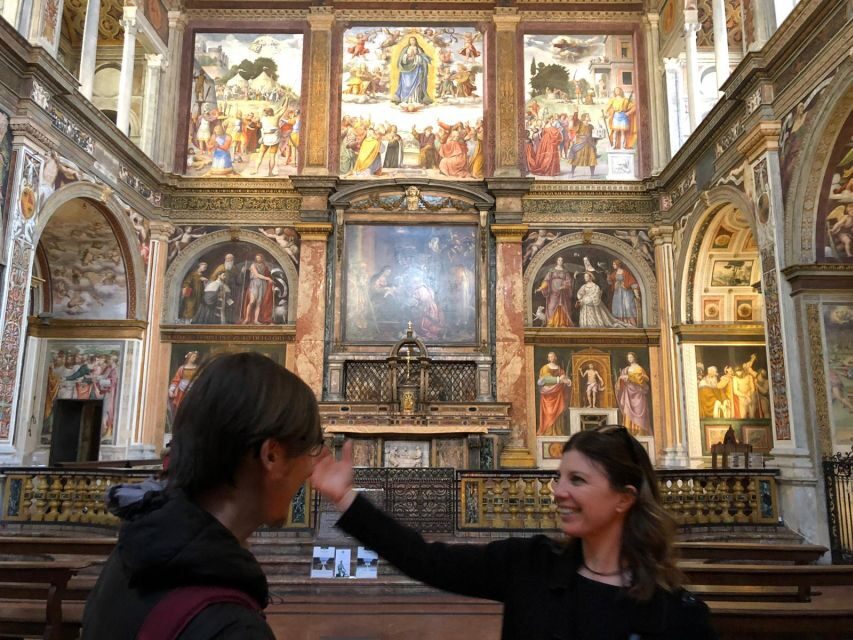
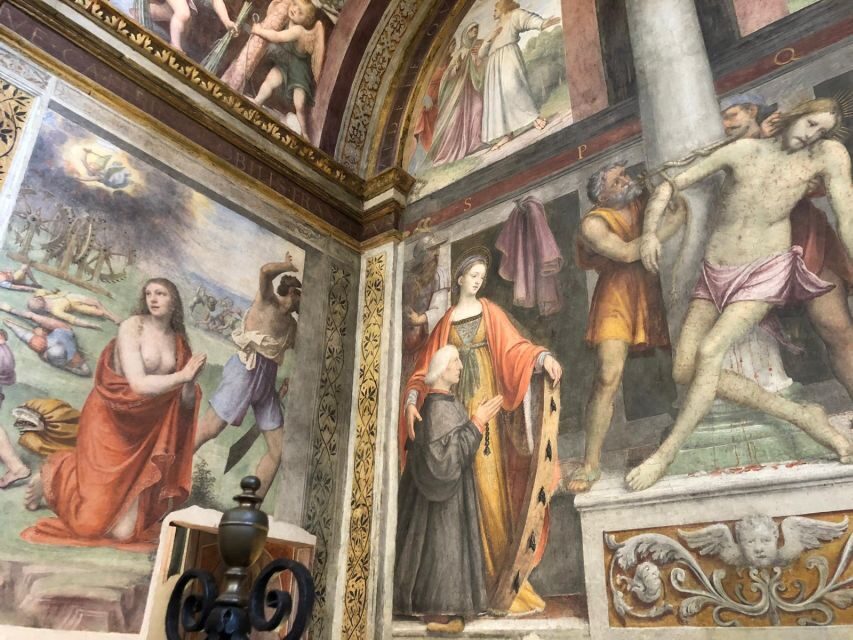
Next you move to San Maurizio al Monastero Maggiore, where you’ll see 16th-century frescoes across the ceiling and walls. This church is often nicknamed the Sistine Chapel of the north of Italy, and that comparison is there for a reason: the decoration is dense, coordinated, and made to be looked at as a whole.
What makes this stop especially valuable is the guide’s storytelling framework. You’ll hear about Santa Caterina’s life and death, and how those stories inspired the chapels inside the church, along with the connection to Luini frescoes.
A practical note: churches with lots of frescoes can feel overwhelming if you’re just walking through. With a guide, you’re not left guessing what you’re meant to notice. You’ll know where to look first, what themes matter, and what the overall program is trying to communicate.
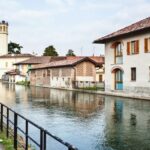
Stop 4: Coffee Tasting Break That Keeps the Tour Human
At some point, you’ll want to reset your feet and your brain. That’s why the tour includes a local café stop with a guided experience and coffee tasting.
This is more than a perk. It’s a pacing tool. After The Last Supper and a fresco church, you’ll have learned a lot and stood in a few compact spaces. Coffee helps you regroup before heading into the more street-level parts of Milan—public squares, monuments, and the big architectural finale.
If you’re the type who tends to power through tours without pausing, I’d still take this break. It helps you enjoy the last stretch instead of just “surviving” it.
Stop 5: Piazza degli Affari, 1808 Beginnings, and Cattelan’s L.O.V.E
From the café you move into Piazza degli Affari, Milan’s financial district. This stop is a reminder that Milan isn’t only art museums and Gothic stone. It’s also deal-making, fashion, and folklore all living in the same neighborhoods.
The guide gives you key context—like the financial district’s beginnings in 1808—and then stretches the timeline further by touching on Emperor Augustus’ reign. That “past to present” storytelling helps you understand why this area feels modern but also layered.
Then comes a piece of modern-provocation: Maurizio Cattelan’s L.O.V.E. The tour notes it’s controversial, and locals also call it Il Dito—the middle finger. Even if you’re not into contemporary art, this is a fun moment because it makes you notice the city’s attitude: Milan can be serious and playful at the same time.
Stop 6: San Satiro and Bramante’s Perspective Trick
Next is San Satiro, designed by Bramante, the same architect connected with the planning of St Peter’s Basilica in Rome. The big thing to understand here is perspective.
San Satiro is famous for an architectural use of perspective that was innovative for its time. The guide helps you see how the design creates space where you might not expect it, which is one of those “how did they do that?” moments that makes architecture feel like a magic trick.
This stop balances the earlier art focus. Instead of frescoes filling ceilings and walls, you get a spatial puzzle. You’ll walk away with a better sense of how Renaissance-era thinking changed what people believed buildings could do visually.
Duomo Square and the Cathedral You’ll Want to Revisit
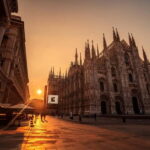
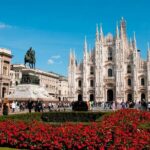
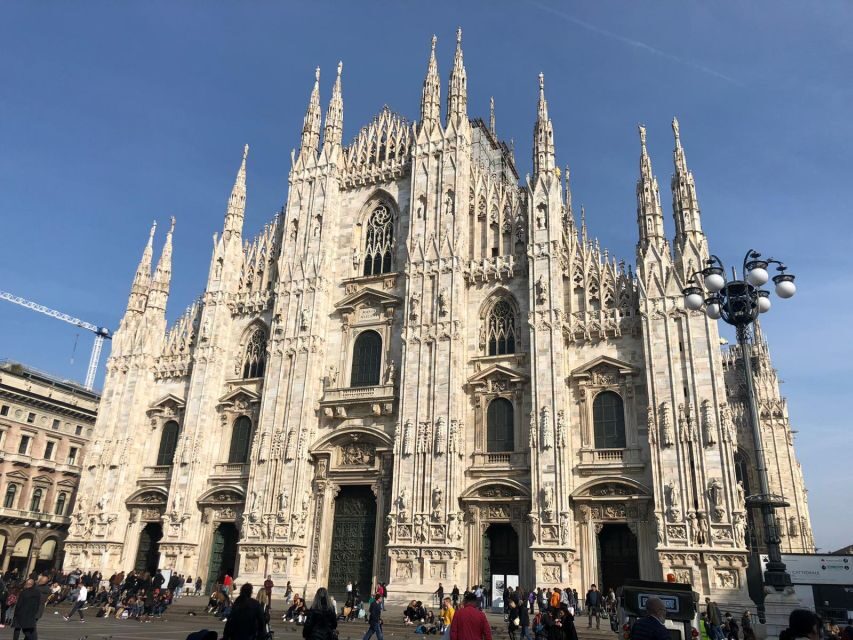
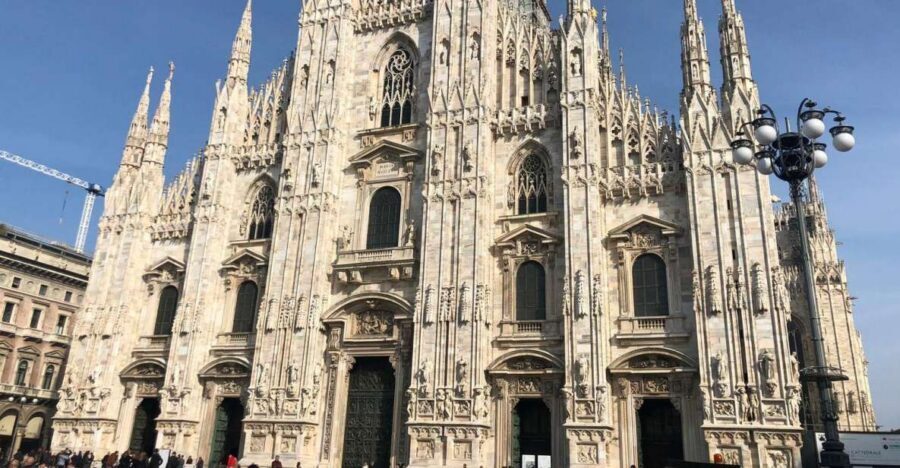
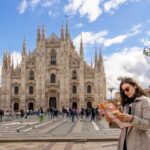
Your tour culminates at Duomo di Milano—but the key detail is this: entrance to the Basilica isn’t included. So you’ll admire the Duomo from Piazza del Duomo and get a guided explanation of what you’re seeing, while the interior remains something for a later visit.
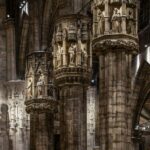
Even from outside, the Duomo is the main character. You’ll learn it’s an example of Italian Gothic architecture, it was begun under Archbishop Antonio da Saluzzo, and the building took nearly 600 years to finish. The guide also points out that it remains the seat for the Archbishop of Milan.
One more context point the guide adds: this area marks the heart of the city center, built over the Roman-era identity of Mediolanum (during the time of the Roman Empire). That makes the square feel less like a random stop and more like a long-running civic center.
The tradeoff is simple. If you specifically want to go inside the Duomo during this trip, you’ll need a separate plan. If you’re okay with a great exterior introduction that sets you up for a return, this tour is a strong first step.
The Guides Make This Tour: Barbara, Larissa, and Elisa
The biggest “quality signal” here isn’t the landmarks—it’s the way the tour gets explained. People who’ve been on this experience highlight guides like Barbara, Larissa, and Elisa for being both friendly and strong at connecting facts to what you see in front of you.
In practical terms, that means you’re not just hearing dates. You’re getting guidance on what matters in the Last Supper, how fresco themes work in San Maurizio, and why Milan’s modern contrasts—like L.O.V.E.—fit the city’s personality.
If you’re the kind of visitor who wants to understand what you’re looking at, that makes the difference between a “walk and take photos” day and a “now I get it” day.
Price and Value: What You’re Really Paying For
At $191.45 per person for about 3 hours, you’re paying for two things that usually cost extra time and effort on your own: Last Supper entrance and a professional guide for the broader sweep of Milan’s core sights.
If you were to DIY this, you’d spend hours piecing together timed entry, finding your way between sites, and figuring out what each stop means. Here, the structure is handled. The guided pace also helps because several of these places reward looking carefully: fresco interiors, perspective architecture, and the slow-built Duomo.
Is it cheap? No. But it’s not overpriced for what you get: a timed-ticket art highlight plus a guided circuit through major Milan streets. The main reason it may not feel like good value is if your top priority is only the Duomo interior, since the Basilica entrance isn’t included.
Who Should Book This (and Who Might Skip It)
This tour is a great fit if:
- You want the Last Supper experience handled with skip-the-line access
- You prefer a small-group setting where you can actually hear the guide
- You enjoy art and architecture when it comes with clear context
- You want a balanced Milan day: painting, fresco churches, public art, and the Duomo square
You might consider a different option if:
- You need to enter the Duomo interior during the same outing (this tour doesn’t include that)
- You hate walking or want a more relaxed pace
- You’re already deeply familiar with these sites and only need a quick look
Should You Book This Milan Small-Group Tour?
If The Last Supper is on your Milan list, I’d seriously consider booking this. The combination of small group size, Last Supper entrance, and a guide who helps you read what you’re seeing makes it feel efficient in the best way.
Then, use that Duomo “preview” to plan a follow-up visit for the interior if you want it. Think of this tour as your guided on-ramp to Milan’s big art moments—art and architecture explained while you’re still standing in the exact places where it happens.
FAQ
Where does the tour start?
The tour starts at the box office area of the Last Supper in Piazza Santa Maria delle Grazie.
Where does the tour end?
The tour ends back at the meeting point area.
Do I need a picture ID for this tour?
Yes. A valid picture ID is required for the Last Supper ticket validation. A photocopy is also accepted.
How long is the walking tour?
The duration is about 3 hours.
How big is the small group?
The group is limited to 6 participants.
Is entrance to the Duomo included?
No. Entrance to the Duomo Basilica is not included, though you’ll visit Duomo Square and see the cathedral area.
What attractions are included besides the Last Supper?
You’ll also visit San Maurizio al Monastero Maggiore, stop in Piazza degli Affari, see San Satiro, and have a Duomo Square guided segment.
Is there a café stop?
Yes. There is a local café stop with a coffee tasting.
Is hotel pickup included?
No. Hotel pickup and drop-off are not included.
Do I get skip-the-line access?
Yes. The tour includes entrance to the Last Supper and uses a separate entrance to help you skip the line.