REVIEW · MILAN
Sforza Castle guided tour – Small Group -Skip-the-line
Book on Viator →Operated by Keys of Italy / Milan · Bookable on Viator
A castle in the middle of Milan. This guided visit to Castello Sforzesco turns big-name art into a walkable story, with skip-the-line style entry and a max-9 group so you can actually hear your guide.
I especially like the art highlights packed into a short window. You get time with Michelangelo’s Pietà Rondanini and a Leonardo da Vinci fresco, then move into the rooms and collections tied to the Sforza era.
One consideration: it’s only about 2 hours, so it’s a highlights tour, not an everything-and-then-some marathon. If you want total freedom to wander every gallery at your own pace, plan something more self-guided too.
In This Review
- Key things to know before you go
- Sforza Castle in 2 Hours: Why This Format Works
- Piazza Castello Meeting Point and Getting There Smoothly
- Stop 1: Michelangelo’s Pietà Rondanini (and why it lands first)
- Stop 2: Leonardo da Vinci’s fresco in Milan (the second one)
- Stop 3: Sforza rooms and the Renaissance court world
- Small-group reality: hearing the guide and keeping your pace
- Skip-the-line and included entry: what you’re really paying for
- What to expect from the pace (and what to do if it feels fast)
- When this tour is the right choice
- Should you book the Sforza Castle guided tour?
- FAQ
- How long is the Sforza Castle guided tour?
- What is the group size for this tour?
- Does the tour include an entrance ticket?
- Are headsets provided?
- What stops and highlights are included?
- Where do I meet the tour?
- What time does the tour start?
- Is food or hotel pickup included?
- What is the cancellation policy?
Key things to know before you go
- Max 9 people keeps the tour personal and less chaotic
- Headsets (from 6 participants) help you hear the guide clearly
- Michelangelo plus Leonardo are built into the schedule, not left to chance
- Sforza rooms and collections give context beyond the single artworks
- Comfortable shoes matter because you’ll be moving through multiple areas
Sforza Castle in 2 Hours: Why This Format Works
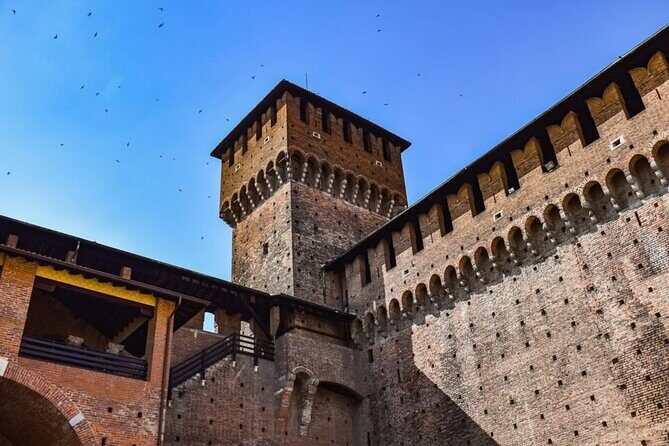
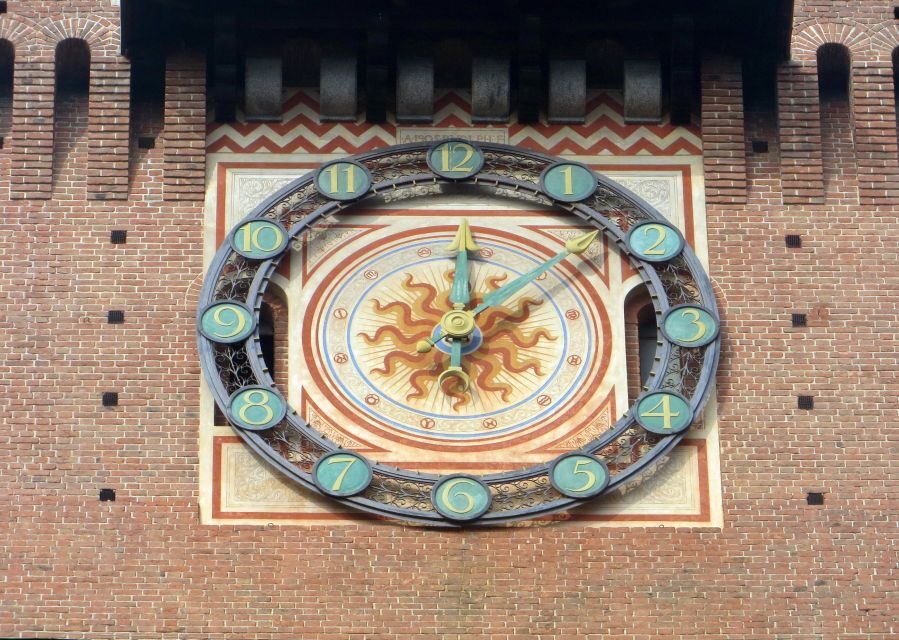
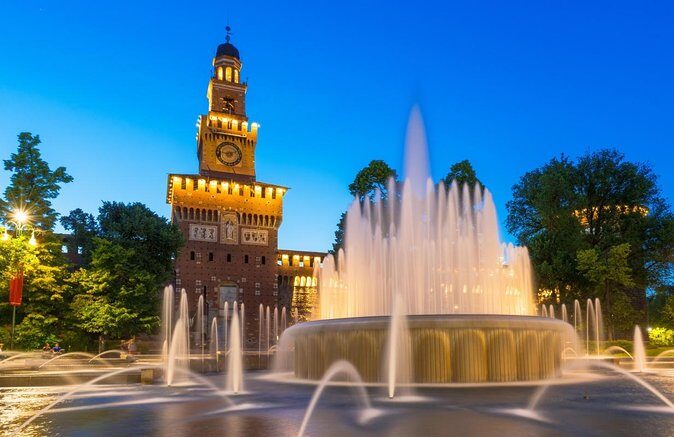
Sforza Castle is one of those Milan landmarks that sounds intimidating until you’re actually there. It’s large, full of museum spaces, and linked to centuries of power and change. The best way to make it feel manageable is a guided tour that filters the noise and points you toward the key moments.
What I like about this tour’s structure is that it matches how most people experience the castle: first you land on the star artwork, then you widen into the bigger setting. The schedule is built around three anchor points, with a short chunk for each so you don’t get stuck in one room too long.
You also get a guide who can connect the dots between what you’re seeing and why it matters. The castle’s story has been more than one thing over time—fortress to barracks to private residence to a cultural center. That kind of context turns the visit from I saw paintings into I understand what this place is doing.
You can also read our reviews of more guided tours in Milan


Piazza Castello Meeting Point and Getting There Smoothly
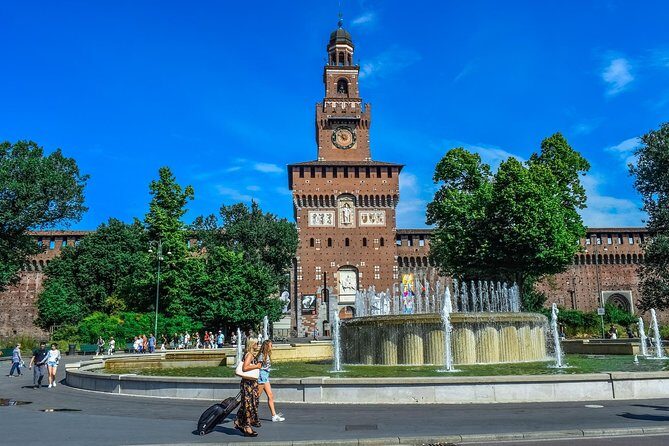
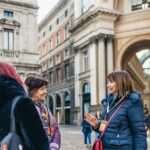
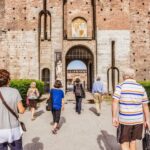
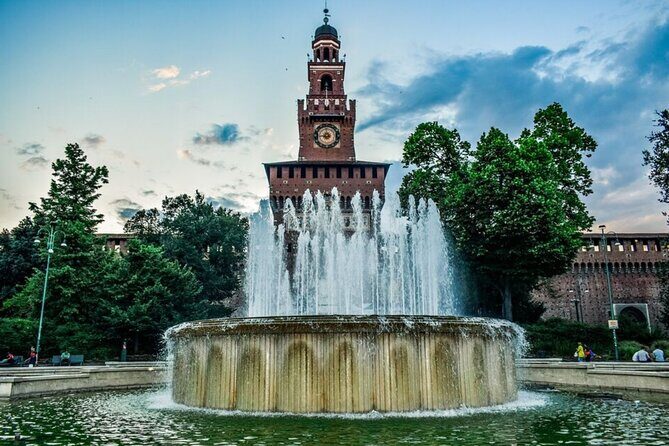
The meeting point is Piazza Castello (20121 Milano). It’s a central location with public transportation nearby, which helps you avoid the “how do I get there” stress.
The tour starts at 2:30 pm, and you’ll want to arrive at least 10 minutes early. That isn’t just a formality—small-group tours work because everyone shows up on time. If you’re late, the group can’t comfortably wait without breaking the flow to your first stop.
Bring a bottle of water and wear comfortable shoes. Castello Sforzesco has enough walking that your feet will remind you if you dressed for fashion instead of traction. And since you’ll be inside for parts of the tour, a light, breathable layer can help if temperatures swing during the day.
Stop 1: Michelangelo’s Pietà Rondanini (and why it lands first)
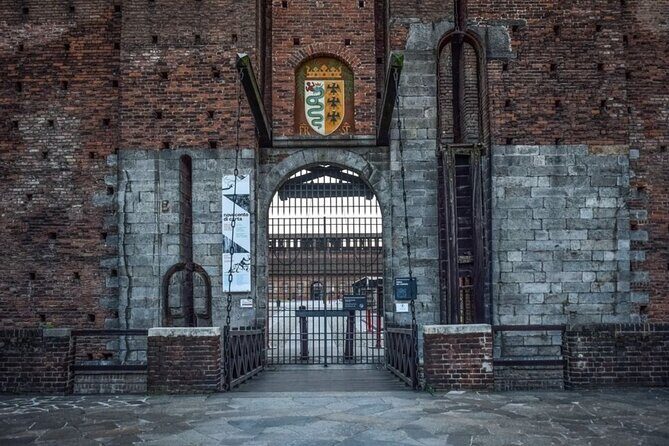
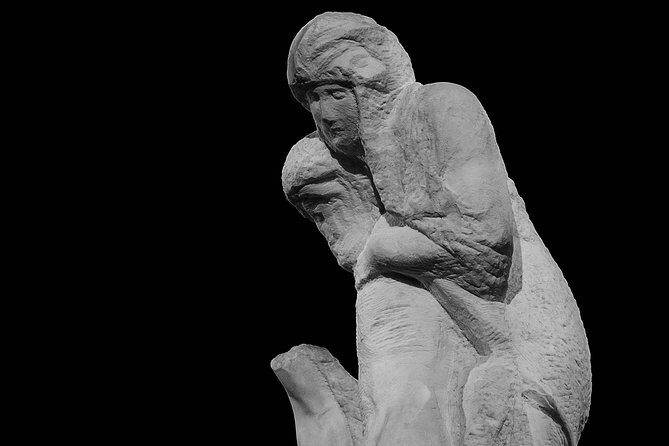
Your first scheduled stop is the Pietà Rondanini. This is the last sculpture by Michelangelo, and it’s the kind of work that stops time. It can feel intimate even though it’s famous—partly because of the emotion in the subject, and partly because you’re seeing one of the final moments of the artist’s life.
Why it’s a great opening stop: it gives you an instant “wow” before the tour starts explaining the larger setting. You’ll likely focus on what makes this sculpture different from more traditional Renaissance religious scenes: it’s less about perfection and more about weight, vulnerability, and unfinished tension. That theme tends to make the guide’s later connections to the Sforza world click faster.
Time is about 20 minutes here. That’s enough to really look without turning it into a rushed photo sprint—just remember that the main value is reading the details your guide points out, not just glancing and moving on.
Stop 2: Leonardo da Vinci’s fresco in Milan (the second one)
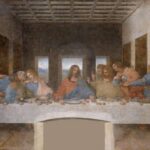
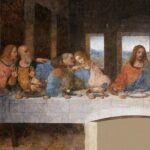
Next is a Leonardo da Vinci fresco described as the second fresco by the artist in Milan. Even if you’ve seen Leonardo’s work before, this kind of stop matters because it helps you notice what makes each Leonardo work feel like a different chapter rather than repetition.
Leonardo frescoes aren’t just pretty. They’re about observation—how light shapes faces, how movement can appear frozen, how expression tells a story. A good guide can help you spot the choices Leonardo makes that you might miss on your own, especially if you only have a short window.
This stop is about 15 minutes. That’s brief, so the best strategy is to slow down inside your own head. Look first, then listen for the guide’s specific point. If you catch yourself photographing everything, pause and really study one section your guide mentions.
Stop 3: Sforza rooms and the Renaissance court world
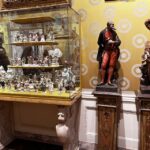
The longest part of the tour—about 1 hour—is the visit to the rooms and art collection tied to the Sforza. This is where the castle stops being a backdrop and becomes a character.
This stop is valuable because the Sforza are not just a name on a map. The castle’s Renaissance identity is tied to the power and patronage of the Visconti and Sforza families, and the tour uses that connection to explain why certain spaces matter.
Also, this is where you get the broader restoration arc mentioned in the tour description: the castle’s life has shifted from fortress to barracks to private residence to a cultural center. When you walk through rooms used for different purposes across time, you start to see why restoration is not a single event—it’s a series of choices that shape how you experience the building today.
If your goal is to leave the castle feeling like you understand what you saw (not just that you saw it), spend your full attention in this section. Ask questions if you can. With a max-9 group, your guide should have room to answer without shutting you down.
You can also read our reviews of more tours and experiences in Milan


Small-group reality: hearing the guide and keeping your pace
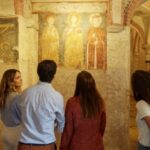
This is a small group tour with a maximum of 9 travelers, and it’s built for clarity. Headsets are included and used from 6 participants, so you’re less likely to strain to hear someone across a room.
That matters more than you’d think. In major museum spaces, sound bounces and people naturally drift. Headsets keep your attention on the guide’s words and reduce the awkward moment where you realize you missed the explanation but it’s too late to rewind.
This is also where the human factor shows up. One standout review specifically praised the guide Valeria and described the tour as especially enjoyable and instructive. I love that kind of feedback because it usually means the guide isn’t reading off a script. They’re translating big art-history ideas into something you can follow in real time.
Skip-the-line and included entry: what you’re really paying for
The tour is priced at $165.54 per person and runs for about 2 hours. That’s not cheap, so I look for what makes it worth the money beyond the headline.
Here’s what you’re getting that supports the value:
- A professional guide doing the interpretation (the part that’s hard to DIY well)
- Entrance ticket included, so you’re not juggling separate admissions
- Headsets included, improving comfort and comprehension
- A small group that helps the tour feel more like a guided visit than a cattle-call
About skip-the-line: the name suggests smoother entry, and the included admission helps reduce friction. I’d still treat it as a convenience perk, not a promise that you’ll never wait. Museums have their own rules and security rhythms.
If you’re the type who enjoys art but gets bored when the visit becomes “walk, look, move,” this format tends to feel fair. You’re paying for momentum plus context.
What to expect from the pace (and what to do if it feels fast)
The schedule is tight: 20 minutes on the Pietà Rondanini, 15 minutes on the Leonardo fresco stop, and 1 hour for the Sforza rooms and collection. That’s a lot to pack into 2 hours, and it can feel quick if you’re a slow reader or someone who likes to linger.
My practical suggestion: treat each stop like a mini-mission.
- Pick one detail to focus on during the Michelangelo sculpture time.
- Choose one area of the Leonardo fresco to study during the short window.
- In the Sforza rooms, let the guide lead you to the “why this matters” parts, then you’ll feel satisfied even if you don’t cover every corner.
Also, arrive early enough to settle in. When you start relaxed, the pace feels like a good sprint through highlights rather than a rush.
When this tour is the right choice
This tour fits best if:
- You have limited time in Milan and want a focused plan
- You care about Renaissance art and want quick, clear context
- You don’t want to fight audio issues or crowd flow inside the castle
- You’d rather follow a route than guess where to go first
It may not be ideal if:
- You want to spend hours in one gallery or roam freely without structured stops
- You dislike timed museum experiences
- You need extra time to move between areas at your own pace
And one more real-world note: there’s at least one reported case where a tour was cancelled due to a political demonstration affecting nearby transit, and communication didn’t land properly because of a phone issue. That doesn’t mean it’s common, but it’s a reminder to keep your contact details workable and watch for updates the day of.
Should you book the Sforza Castle guided tour?
If you’re visiting Milan and want a smart, art-centered introduction to Castello Sforzesco, I think this is a strong booking. The combination of Michelangelo, Leonardo, and the Sforza-focused rooms in just 2 hours is exactly the sort of high-return plan that keeps your day from turning into random wandering.
I’d book it if you value hearing a guide’s explanations through headsets and you like small groups where questions aren’t awkward. I’d also book it if you’re the kind of person who wants to understand what you’re looking at, not just check off a landmark.
Skip it only if you already know you want to go slow, cover everything, and build your own route. In that case, you might prefer time on your own inside the museum spaces.
FAQ
How long is the Sforza Castle guided tour?
The tour lasts about 2 hours.
What is the group size for this tour?
The group is limited to a maximum of 9 travelers.
Does the tour include an entrance ticket?
Yes. Admission/entrance ticket is included.
Are headsets provided?
Headsets are included to help you hear the guide clearly, and they are used from 6 participants.
What stops and highlights are included?
You’ll see Michelangelo’s Pietà Rondanini, a Leonardo da Vinci fresco (described as the second fresco by Leonardo in Milan), and the rooms and art collection connected to the Sforza.
Where do I meet the tour?
You meet at Piazza Castello, 20121 Milano MI, Italy.
What time does the tour start?
The start time listed is 2:30 pm.
Is food or hotel pickup included?
No. Food and drinks are not included, and there is no hotel pickup or drop-off.
What is the cancellation policy?
You can cancel for a full refund up to 24 hours before the experience starts. Free cancellation is available.