One wall painting can change your whole trip. This is a focused Last Supper tour in Milan that gets you into the refectory smoothly, then puts Leonardo’s art in plain, human context with expert commentary and headsets.
I love the way the tour is designed for control and clarity: you get priority access and a small-group setting capped at 15 people, so you can actually look at the fresco without constant shoulder-to-shoulder jostling. I also love the guided storytelling—covering how the work was made, why it sits in this specific place, and what the faces, hands, and layout are saying.
One consideration: the time you’re in front of the painting is limited (about 50 minutes), so you’ll want to show up ready to listen and look.
In This Review
- Key points before you go
- Getting into Il Cenacolo fast at Piazza di Santa Maria delle Grazie
- The 50 minutes that make or break the experience
- Seeing Leonardo’s composition with a guide’s “map” in your head
- Headsets and small-group pacing: a better way to hear the story
- Guide quality matters: when Katerina delivers the context
- Price and value: what $66.25 per person is really buying
- Timing, crowd pressure, and how to get the calmest viewing
- Who should book this tour (and who should skip it)
- Quick FAQ
- FAQ
- Is the tour in English?
- How long is the visit?
- What’s included in the price?
- Where do I meet the group?
- How big is the group?
- Does the tour require good weather?
- Should you book this Da Vinci’s Last Supper tour?
Key points before you go
- Priority access to the Last Supper so you waste less time on the day
- Headsets included so you can hear the guide’s explanation in the refectory
- A guide-led art and history walkthrough that connects composition to meaning
- Small group cap (max 15) for a calmer experience and better viewing
- Admission ticket included, so you’re paying for more than just entry
Getting into Il Cenacolo fast at Piazza di Santa Maria delle Grazie
The meeting point is Piazza di Santa Maria delle Grazie (20123 Milano MI), right by the church area. That matters because the Last Supper visit is tightly scheduled, and the experience starts the moment your group is lined up and checked.
I like that this tour aims to reduce day-of stress. With priority access, you’re not trying to figure out timing while everyone else is doing the same math. It also helps that the meeting spot is near public transportation, so you’re less likely to arrive frazzled if your tram or metro route shifts.
Practical tip: bring your confirmation and arrive a bit early. One of the frustrations I’ve seen with this sort of timed attraction is when people guess the meeting details instead of following them closely. You’ll also want to be ready for the venue’s check-in steps before you head into the viewing area.
You can also read our reviews of more tours and experiences in Milan.
The 50 minutes that make or break the experience
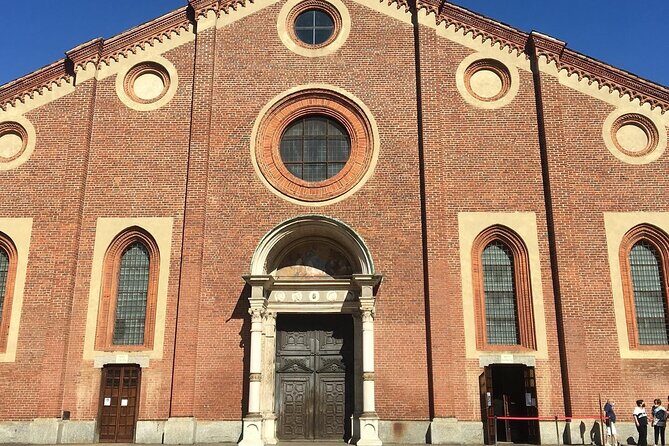
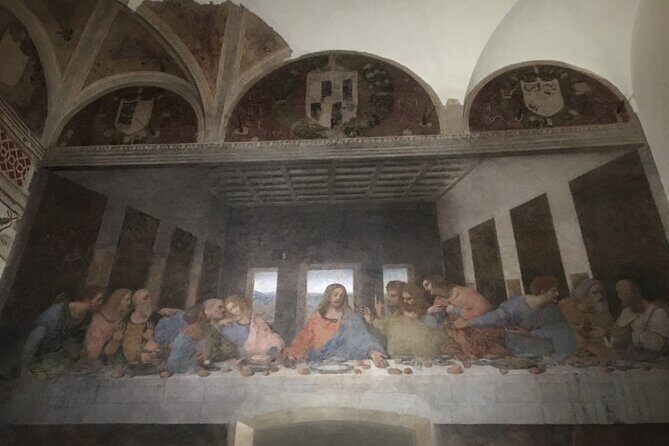
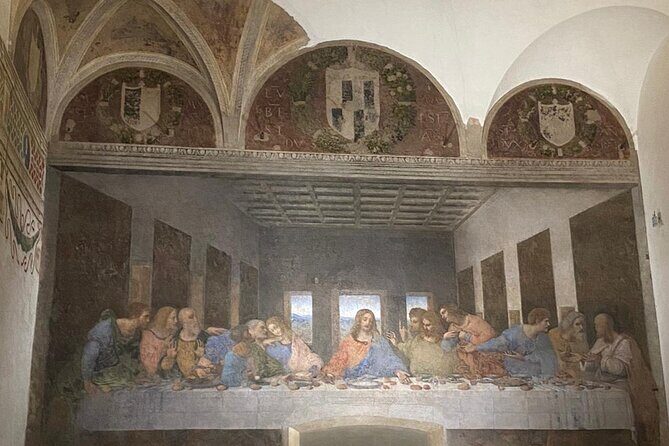
The main stop is Il Cenacolo, the refectory space where Leonardo da Vinci’s The Last Supper is displayed. You’ll get a guided explanation before and during your time with the painting, with a total visit of about 50 minutes at the fresco.
Here’s what the guide-focused format is really doing for you: it turns the work from an iconic photo into something you can read with your eyes. You’ll be guided through why it’s located here—tied to the refectory setting—and why moving it elsewhere would miss the point of the commission. You also learn about the Renaissance approach behind the painting, plus how it has survived and changed over centuries.
And yes, you’ll talk about the symbolism. The tour is built around what Leonardo encoded into the scene: who’s positioned where, what gestures suggest, and how the story unfolds across the table instead of sitting frozen as a single image.
Seeing Leonardo’s composition with a guide’s “map” in your head
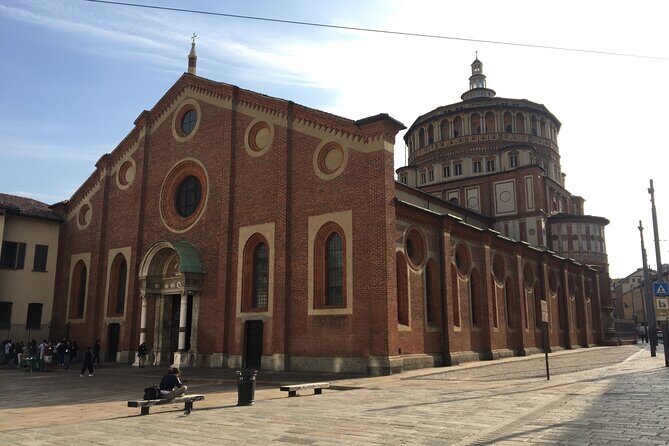
A lot of people stand in front of the Last Supper and feel… wow. Then they leave with “wow” and not much more. This style of tour is meant to prevent that by giving you a route to follow visually.
You can expect your guide to walk you through the key elements that make the painting work:
- the placement of figures and the overall composition
- the artist’s techniques as they relate to what you’re seeing
- the restoration story, including how experts in modern times helped preserve the painting
- the scene’s meaning and hidden symbology, explained in clear language
Even if you’ve seen the image a dozen times, hearing how the composition supports the message changes what you notice. You start looking for relationships—who seems turned toward whom, how reactions are grouped, and what the artist is doing with expression and posture.
Headsets and small-group pacing: a better way to hear the story
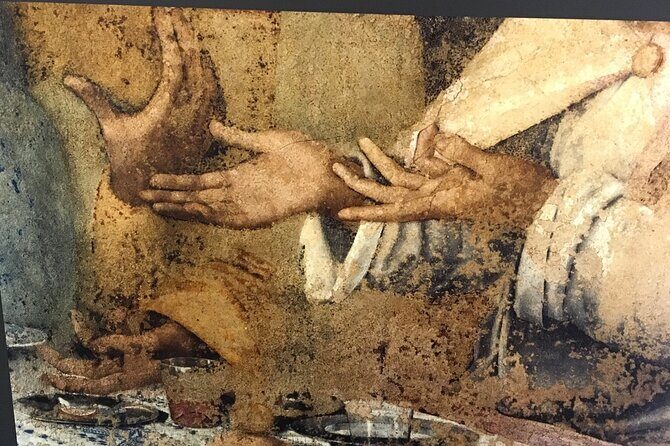
This tour includes headsets, and that’s not a small detail. In a room with restrictions and other groups moving around, hearing your guide clearly can be the difference between following the explanation and mentally drifting.
With headsets, you can concentrate on the fresco instead of playing a loud game of guess-and-wait. And because the group is limited to 15 people, the tour tends to feel more orderly and less chaotic than the typical large-bus version of this attraction.
What I like about this setup is that it supports both modes of viewing:
- listen mode: you track the guide’s points
- look mode: you’re not stuck asking people to repeat themselves
- reflect mode: you spend real moments studying faces and gestures instead of being rushed away
Guide quality matters: when Katerina delivers the context
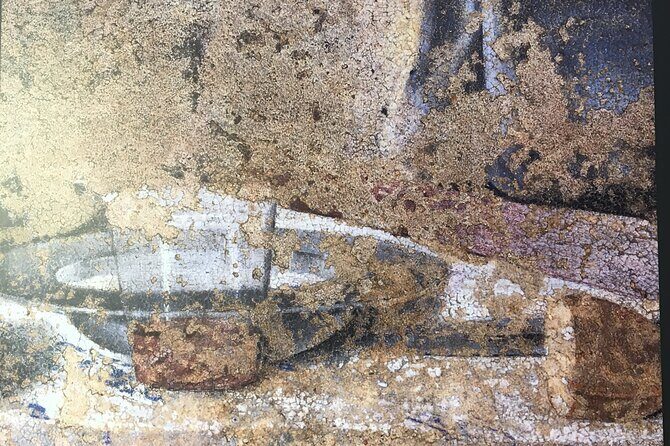
In the experiences shared, the guide role is a big part of why this tour earns such strong ratings. Names you may see come up include Katerina, and the recurring theme is that she connects the painting to what Leonardo was doing—art, culture, and craft—without turning it into a lecture that forgets you’re standing in a room with restrictions.
In particular, the better moments in the tour are the “how” stories: how the work was commissioned, how the stages of the painting fit together, and how the guide explains each figure’s position and symbolism in a way you can actually see.
If you like asking questions, this format is also set up for it. Some people mention that their guide answered questions and kept things moving at a pace that still gave time to look.
English note: the tour is offered in English. If English isn’t your comfort zone, plan carefully. One of the common complaints from other visitor experiences is when speech speed doesn’t match expectations, and with English-only delivery, there’s no fallback.
Price and value: what $66.25 per person is really buying
At $66.25 per person, this is not the cheapest way into the Last Supper. But it’s also not just a basic ticket. The tour price bundles several things that usually cost extra when you piece them together:
- guided narration for about an hour total
- admission included
- headsets
- priority access so your day runs smoother
One guest noted that the on-site entrance fee is around 15€ for the venue ticket itself. That makes the extra cost feel more reasonable when you compare it to the guide-led explanation and the audio support.
So who is it best for? If you love art history, want the symbolism explained clearly, or you hate wandering around trying to piece together what you’re looking at, the value tends to feel strong. If you just want a quick look at the fresco and you’re comfortable reading about it later on your phone, you might prefer the venue ticket route instead of paying for narration.
Timing, crowd pressure, and how to get the calmest viewing
The biggest challenge at the Last Supper isn’t the ticket—it’s the pressure of time and attention in a controlled room. This is exactly why the tour’s structure helps: limited group size, headsets, and a set time window mean you aren’t fighting for space.
One practical idea: if you have any choice in time slot, later in the day can sometimes feel calmer. That’s not a guarantee, but it matches what’s been felt during at least one visit experience described: a later-hour visit created a more reflective atmosphere and fewer crowd headaches.
Also, if you’re sensitive to waiting, plan your arrival with buffer. Because entry is tied to venue timing, arriving late can cut into the early part of the guide’s setup and context.
Who should book this tour (and who should skip it)
This tour is a good fit if you:
- want priority access at a timed, capacity-limited attraction
- enjoy understanding what you’re seeing, not just taking photos
- appreciate a guided walk through meaning, composition, and restoration
- like a small group (max 15) rather than a huge crowd
It may not be your best choice if you:
- expect a private experience for just your party (this is not positioned as private)
- need a non-English guide, since the tour is offered in English
- want a long, self-paced viewing time; the fresco time is limited to around 50 minutes
If you fall into any of those categories, consider whether you want a guide-led framework—or whether you’d rather spend that money on additional Milan sightseeing and self-study.
Quick FAQ
FAQ
Is the tour in English?
Yes. This experience is offered in English.
How long is the visit?
The tour is about 1 hour total (with around 50 minutes at the painting stop).
What’s included in the price?
Admission ticket for Il Cenacolo is included, and headsets are provided to follow your guide’s commentary.
Where do I meet the group?
You meet at Piazza di Santa Maria delle Grazie, 20123 Milano MI, Italy. The tour ends back at the meeting point.
How big is the group?
The group is capped at a maximum of 15 travelers.
Does the tour require good weather?
Yes. The experience requires good weather. If it’s canceled due to poor weather, you’ll be offered a different date or a full refund.
Should you book this Da Vinci’s Last Supper tour?
If your goal is to leave with more than an iconic photo—if you want the painting’s composition, symbolism, and restoration story explained in a way you can see in front of you—this is a strong choice. The headsets, priority access, and small group cap are practical upgrades that make the timed experience easier on your nerves and better for your attention.
I’d book it if you’re comfortable with an English guide and you’re okay with the time limit at the fresco. I might skip it if you’re expecting something private or you’d rather save money for a self-guided visit.
My final nudge: tickets for this attraction can be hard to land, so planning ahead matters. If you can, grab your slot early and arrive with your documents in hand so you start the story on time.