REVIEW · MILAN
Discovering Milan’s fashion soul
Book on GetYourGuide →Operated by Keys Of Italy / Milan and Venice · Bookable on GetYourGuide
Milan’s fashion map is surprisingly walkable. This 2-hour experience traces how the city became a global style hub by bringing you into the streets where major brands and designers put down roots, then connecting those shopfronts to the people and moments behind them. I especially like the way the expert local guide turns brands into stories, not just store names, and I also love walking the real fashion quadrangle lanes where you can almost feel the competition for taste and status.
You start on Via Manzoni, right by Montenapoleone, and the group is kept small (max 9). That matters, because it’s not a cattle-car tour—plus you’ll use a radio-guide system when the group hits five people, so you can actually hear the guide’s anecdotes without craning your neck.
One possible drawback: this is a street-walk, not a museum. If you’re looking for museum-level detail (or a personal shopper experience), the price can feel steep for what’s essentially a highly focused 2-hour route.
In This Review
- Key Highlights You’ll Care About
- Starting at Via Manzoni: Where the Tour Places You First
- Quadrilatero della Moda: Why These Streets Became Fashion Power Centers
- Via della Spiga and Via Gesù: Designer Storefront Energy Up Close
- Via Sant’Andrea: Chanel and Hermès Behind the French-Style Shine
- Via Montenapoleone: The Legendary Fashion Street With Gucci, Versace, and Louis Vuitton
- Via Manzoni to Piazza della Scala: The Tour’s Milan Finale
- Price and Value: Is $143.87 Worth It for a 2-Hour Walk?
- What This Tour Is Best For (and What It Isn’t)
- Should You Book This Milan Fashion Walk?
- FAQ
- What is the duration of the Milan fashion walking tour?
- Where does the tour start?
- Where does the tour end?
- How big is the group?
- Will I be able to hear the guide?
- What languages are the tours offered in?
- What streets and areas does the route include?
- What’s included in the price?
- Is food or drinks included?
- FAQ
- Is the tour wheelchair accessible?
- Is there pickup or drop-off?
- Is the guide a personal shopper?
- Can I cancel for a refund?
- Do I have to pay right away?
Key Highlights You’ll Care About

- Quadrilatero della Moda streets on foot: Via della Spiga, Via Sant’Andrea, Via Montenapoleone, plus the photo stop areas
- Brand history with people behind it: you’ll connect designer ideas to where they showed up in Milan
- Small group format (max 9): easier questions and better pacing than big tours
- Radio guide from 5 participants: helps you follow the conversation without falling behind
- A classic Milan finisher: the walk ends near Piazza della Scala and the Galleria Vittorio Emanuele II area
Starting at Via Manzoni: Where the Tour Places You First
The tour begins at Via Manzoni 31, on the corner of Via Croce Rossa (near MM3 Montenapoleone). That’s a smart starting point if you’re trying to understand Milan’s fashion geography in a hurry. You’re dropped right into the high-end zone where the streets feel like a “who’s who” of Italian and international style.
After you meet the guide, you get a quick orientation that helps you read what you’re seeing. The guide explains how Milan became such a magnet for fashion attention, especially after it rose as a major textile producer in the 19th century. That context is useful because the Quadrilatero can look like just expensive storefronts at first glance. With the background, the streets feel purposeful—like each block has a reason for being there.
You should also expect a lively, story-first approach. One guide name that comes up for this tour is Valeria, praised for weaving fashion with history and biographies in a way that feels both knowledgeable and human. Even if you don’t get Valeria, the format aims for that same kind of narrative: you’ll learn, but you’ll also keep moving and looking up at details.
You can also read our reviews of more tours and experiences in Milan.
Quadrilatero della Moda: Why These Streets Became Fashion Power Centers
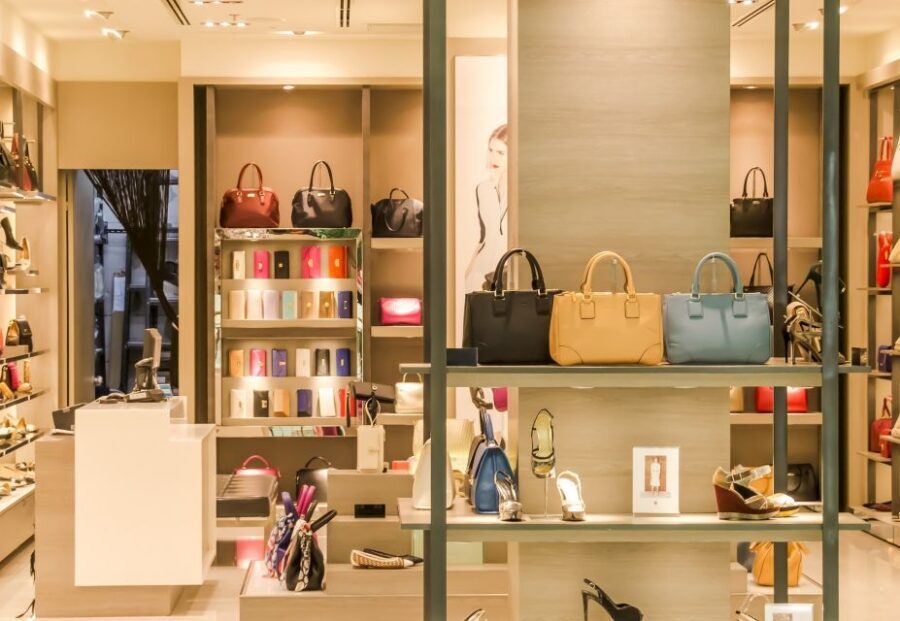
The heart of the walk is the Quadrilatero della Moda, Milan’s famed shopping district where luxury shops, palazzi (grand buildings), and courtyards created a stage for fashion. The tour frames this as more than shopping. You’re seeing how location, wealth, and design culture turned certain streets into permanent branding machines.
Here’s what the route helps you notice:
- How brands cluster in a way that creates a fashion “ecosystem”
- How the street-level experience (facades, entries, courtyards) supports the image of exclusivity
- How Milan’s rise as a textile producer helped build credibility for the fashion industry later on
This is one of the best values of the tour: it gives you a lens for Milan. Instead of leaving with only a list of brand names, you leave with a map of why the area became a magnet for wealthy fashion houses. You’ll also see why the Quadrilatero concept still matters today—brands aren’t only selling clothes. They’re selling place, heritage, and status.
Via della Spiga and Via Gesù: Designer Storefront Energy Up Close
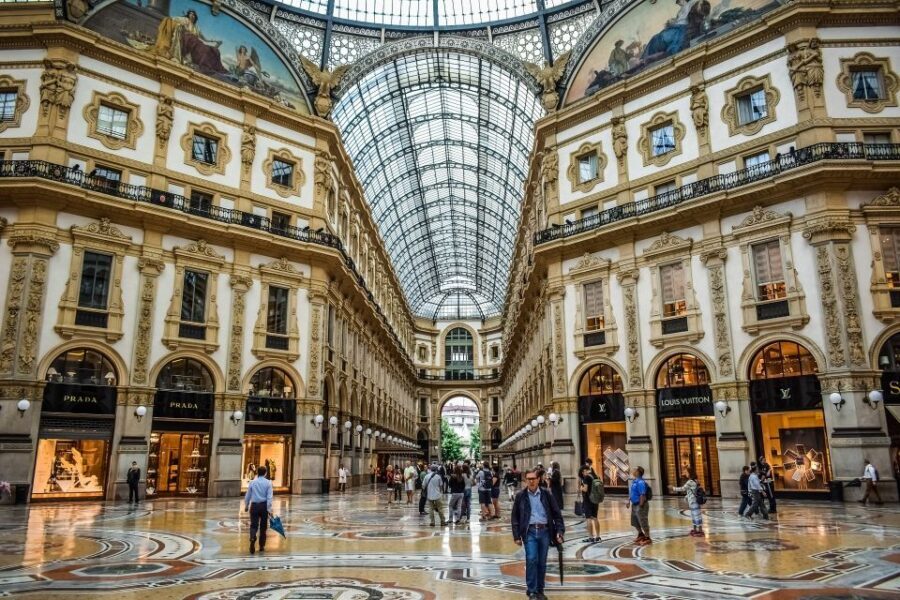
Next, you walk along Via della Spiga, one of the most recognizable lanes in Milan’s fashion core. This stretch is where you can do something simple but satisfying: slow down and actually watch people shopping. It’s not just window-shopping sightseeing—it’s a chance to see how Italian designer stores operate in everyday life, with locals and the rhythm of a high-fashion neighborhood.
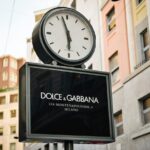
The tour also points out big names you’ll see along the way, including Bulgari and Sergio Rossi, plus Dolce & Gabbana. It’s useful that you don’t have to hunt these stores down yourself, especially if you only have one day in Milan and want your time to mean something.
Then you stop for photos along Via Gesù. The reason that matters is practical: photo stops in fashion districts are often the moment you try to capture the feeling of the place, not only the building. If you want that classic Milan look—sleek facades, recognizable signage, and the sense of being in the middle of the fashion world—this is your cue to take a few photos before the tour moves on to more streets.
Tip: wear comfortable shoes and be ready to glance up as well as forward. In this kind of neighborhood, the most interesting details are often on the building edges and entrances, not only at eye level.
Via Sant’Andrea: Chanel and Hermès Behind the French-Style Shine
On Via Sant’Andrea, the walk shifts slightly in tone. This is where the storefront vibe feels extra polished—glossy, elegant, and very “here’s the entrance to something exclusive.” The tour highlights French designer shops such as Chanel and Hermès, which helps you compare how Milan’s mix of Italian and international fashion plays out on the street.
This stop is valuable because it trains your eyes. You start looking beyond the logo and noticing the visual language of luxury—window layout, facade materials, and the way brands create a sense of arrival. Even if you’re not shopping, that kind of observation makes the walk feel richer. You’re learning how fashion branding works in physical space.
If you’re the kind of traveler who likes architecture and design cues, Via Sant’Andrea is one of the best segments for that. The street itself becomes part of the story, not just a corridor between locations.
Via Montenapoleone: The Legendary Fashion Street With Gucci, Versace, and Louis Vuitton
Then comes Via Montenapoleone, the legendary strip in Milan’s fashion quadrangle—probably the street you already associate with “Milan luxury,” even if you’ve never been here. The tour frames it as the place where you see major fashion names and learn what makes the designers behind them so prestigious.
As you walk, you’ll encounter luxury facades for stores such as Gucci, Versace, and Louis Vuitton. The benefit of having an expert guide isn’t that you memorize brand names—you already could. The real value is understanding what your eyes are catching:
- Why these brands choose to be here
- How Milan built credibility in textiles and fashion culture
- How designers became linked to specific parts of the city
This stretch also works as your reality check. Luxury neighborhoods can feel intimidating if you’re not a shopper. But the tour gives you permission to treat it like a cultural walk. You’re not there to buy. You’re there to understand how fashion became part of Milan’s identity.

Via Manzoni to Piazza della Scala: The Tour’s Milan Finale
As the tour winds down, you wander down Via Manzoni again and pass the Grand Hotel of Milan tucked between impressive buildings and chic boutiques. This moment is more than a landmark. It helps you connect the fashion district to the wider city ecosystem—where luxury hotels and designer shopping often sit close to each other in fashion capitals.
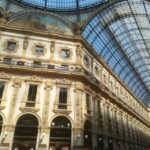
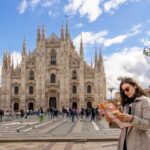
The final part includes a stroll through Piazza della Scala, with the Galleria Vittorio Emanuele II area as the finish point in spirit. Even though this part feels more “classic Milan postcard,” it’s actually a good way to end a fashion-focused walk. You get the big-city feel: architecture, crowds, and the sense that Milan’s fashion identity is part of a larger cultural machine.
If you want to extend your day after the tour, this area is a convenient launching pad. You’re close to major sights and easy connections, and the vibe changes from ultra-fashion storefronts to a more general central Milan atmosphere.
Price and Value: Is $143.87 Worth It for a 2-Hour Walk?
At $143.87 per person for a roughly 2-hour experience, you should judge value by two things: guidance quality and how efficiently the tour saves you planning time.
Here’s what you’re paying for, based on what’s included:
- A professional and certified tour guide
- A radio-guide system when the group is larger (from five participants)
- Small groups (max 9), which usually means better pacing and more chance to ask questions
If you enjoy street-level storytelling—history, brand context, and the “why” behind what you see—this can be a strong use of limited time. Milan’s fashion district is easy to wander on your own, but it’s not always easy to connect the dots. This tour gives you that connection fast.
The main value risk is depth. With only two hours, you’re not going to get a full, museum-style treatment of Italian fashion. Also, one recurring concern in the overall feedback is that some tours can feel either too basic for the price or slightly off in accuracy. You can reduce that risk by being an active participant: ask the guide a question early, request a quick clarification if something doesn’t feel right, and treat the walk as an overview rather than a graduate seminar.
What This Tour Is Best For (and What It Isn’t)
This experience is best for you if:
- You want a compact, high-impact way to understand Milan’s fashion geography
- You like shopping districts but prefer them with context
- You enjoy learning fashion history tied to streets and real places
- You’re traveling with limited time and want an efficient route
It may not be the right match if:
- You’re craving deep, museum-level detail on designers and eras
- You’re expecting a personal shopping session (this guide is not a personal shopper)
- You’re hoping for food as part of the experience (food and drinks aren’t included)
One practical note: since the tour doesn’t include food, plan a drink or snack before or after. Two hours passes quickly in luxury districts, and once you’re walking and looking up, you may forget you’re hungry.
Should You Book This Milan Fashion Walk?
I’d book this tour if you want the fastest way to learn why Milan looks the way it does in fashion—on the street, in real time, with an expert guide and a small group. The route through Via della Spiga, Via Sant’Andrea, and Via Montenapoleone is exactly where Milan’s fashion reputation becomes tangible, and the guide adds meaning so you don’t leave with only store names.
If you’re very price-sensitive or you want deep fashion scholarship, consider tempering expectations. This is a focused street tour, not a museum tour or a personal shopping service. With that mindset, it can be a satisfying use of a short stay.
FAQ
What is the duration of the Milan fashion walking tour?
The tour lasts 2 hours.
Where does the tour start?
It starts at Via Manzoni 31, corner of Via Croce Rossa (MM3 Montenapoleone).
Where does the tour end?
The tour ends back at the meeting point.
How big is the group?
The group is small, with a maximum of 9 participants.
Will I be able to hear the guide?
Yes. You’ll use a radio-guide system when there are from 5 participants.
What languages are the tours offered in?
The live tour guide speaks Italian and English.
What streets and areas does the route include?
The highlights include walking along Via della Spiga, Via Sant’Andrea, and Via Montenapoleone, plus a stop for photos on Via Gesù and a finish near Piazza della Scala and the Galleria Vittorio Emanuele II area.
What’s included in the price?
Included items are a professional and certified tour guide, a radio-guide system (from 5 participants), and a small group size (max 9).
Is food or drinks included?
No. Food and drinks are not included.
FAQ
Is the tour wheelchair accessible?
Yes, the tour is wheelchair accessible.
Is there pickup or drop-off?
No. Pickup and drop-off are not included.
Is the guide a personal shopper?
No. The tour guide is not a personal shopper.
Can I cancel for a refund?
Yes. You can cancel up to 24 hours in advance for a full refund.
Do I have to pay right away?
No. You can reserve now and pay later.