REVIEW · MILAN
Guided Tour: Discover Sforza Castle and Michelangelo’s Art
Book on GetYourGuide →Operated by Barcelona Exp · Bookable on GetYourGuide
Milan has a way of surprising you at street level. This short tour packs Sforza Castle plus Michelangelo’s Pietà Rondanini into 1.5 focused hours, and I love how the guide keeps the art readable instead of lecture-y. I also like the Leonardo angle, since it connects Renaissance Milan to what you’ll see in the city. One thing to consider: it’s a group tour, so you won’t get a slow, unhurried museum drift.
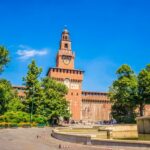
You start in the heart of Piazza Castello, meeting the guide at the Clock Tower (Torre Filarete). The best part is the pairing: Michelangelo’s final, unfinished emotional punch right next to the castle’s Renaissance setting—and then a clear explanation of how Leonardo fit into Milan under the Sforza family. Guides like Maria and Lorella (names that have come up in past groups) are known for making the era-to-era differences easy to grasp, including the big Michelangelo vs. Leonardo themes.
If you have limited time near the Duomo area, this is a smart use of it. If you hate being shepherded to a schedule, this may feel too structured. Also, note the info you’re given about wheelchair access is a bit mixed—so if mobility is a factor, confirm directly with the operator before you go.
In This Review
- Key things I’d plan around
- Starting at Piazza Castello and Torre Filarete
- Sforza Castle: from fortress walls to Renaissance rooms
- Michelangelo’s Pietà Rondanini: why unfinished feels so powerful
- Leonardo in Milan: Ludovico Sforza and the Last Supper connection
- Courtyards, interiors, and the art of power
- How the timing (1.5 hours) affects what you’ll remember
- Price and value: what $106 buys you
- Who should book this tour
- Should you book this Sforza Castle and Michelangelo plus Leonardo tour?
- FAQ
- How long is the tour?
- Where do we meet the guide?
- Is the tour in English?
- What’s included in the price?
- Do I need to bring ID?
- Is food included?
- Can I cancel for a full refund?
- Is it wheelchair accessible?
Key things I’d plan around
- Pietà Rondanini, Michelangelo’s last work: the unfinished look is part of the story.
- Sforza Castle interiors and courtyards: you get architecture, not just paintings on walls.
- Leonardo in Milan under Ludovico Sforza: you connect artists to power and place.
- A guide who explains the eras clearly: the Michelangelo vs. Leonardo comparison is a big focus.
- Short and efficient 1.5 hours: great add-on if you already have Duomo plans.
Starting at Piazza Castello and Torre Filarete
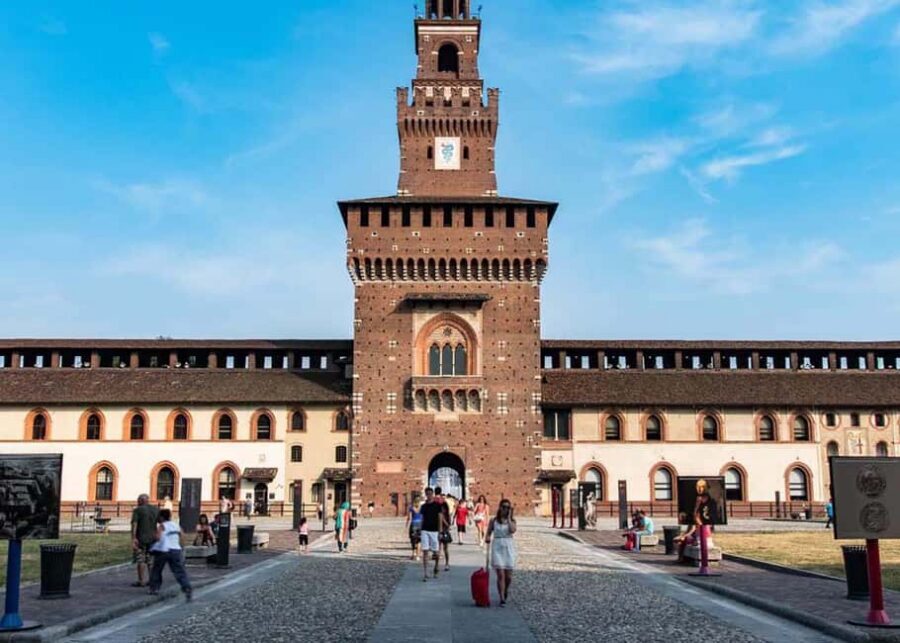
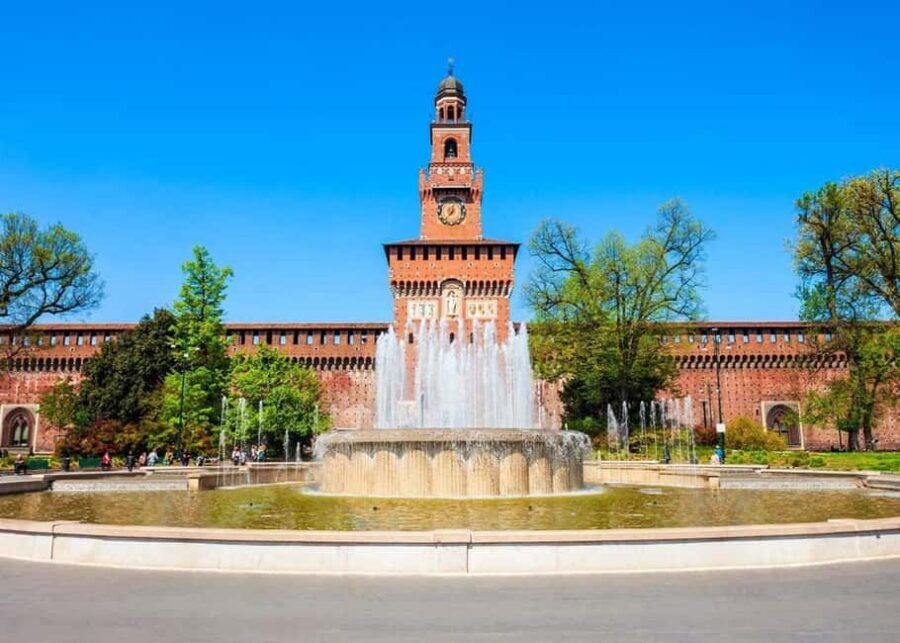
Your tour begins at Piazza Castello, right by the Clock Tower (Torre Filarete). That meeting point matters because Sforza Castle sits in a classic “busy-but-centered” spot—easy to find once you’re oriented, but not the place to wander aimlessly for 20 minutes.
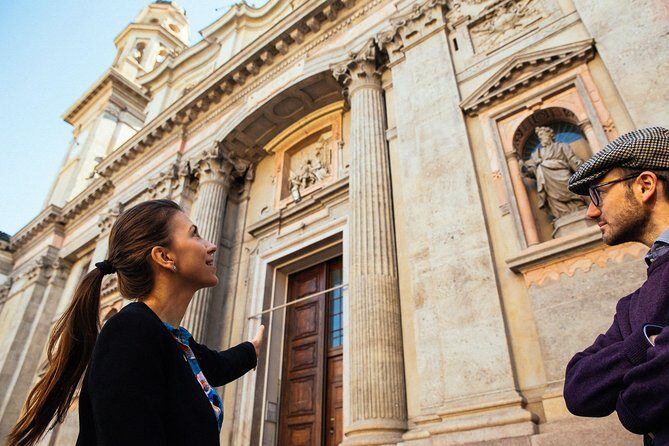
Expect a guided pace. This is not a self-guided “take your time until your feet file a complaint” museum visit. Instead, the guide keeps you moving between the castle areas where the stories land best: Renaissance politics, patronage, and the art that came out of it.
You’ll also want to show up with ID (passport or ID card), since it’s required. If you travel with big bags, plan to check them in the locker room—large backpacks and suitcases aren’t your friend inside.
You can also read our reviews of more guided tours in Milan


Sforza Castle: from fortress walls to Renaissance rooms
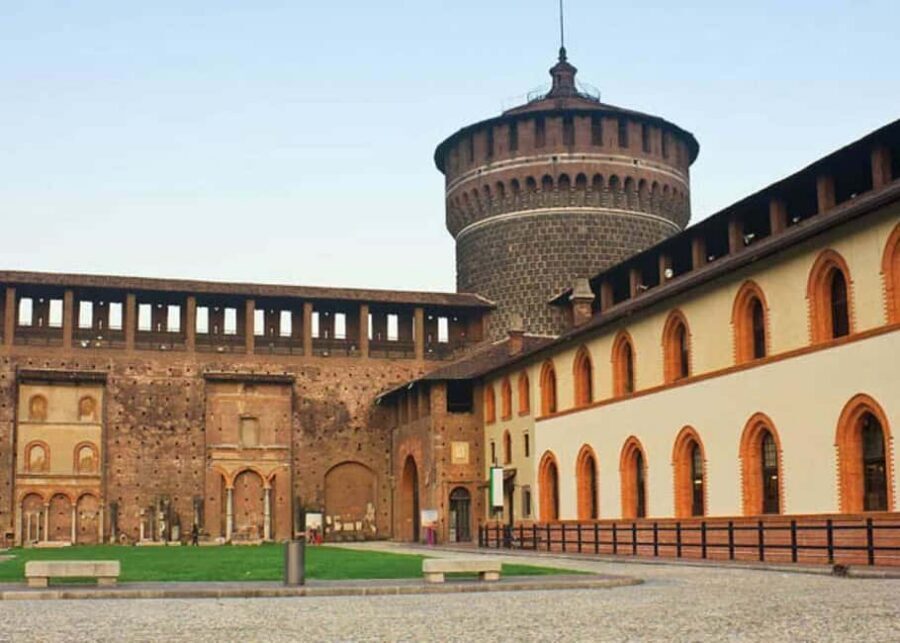
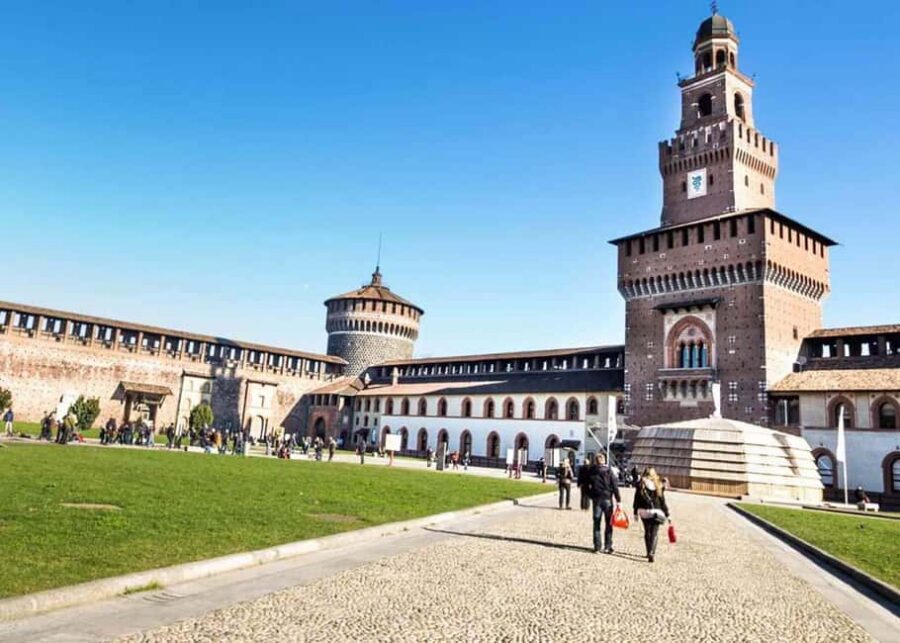
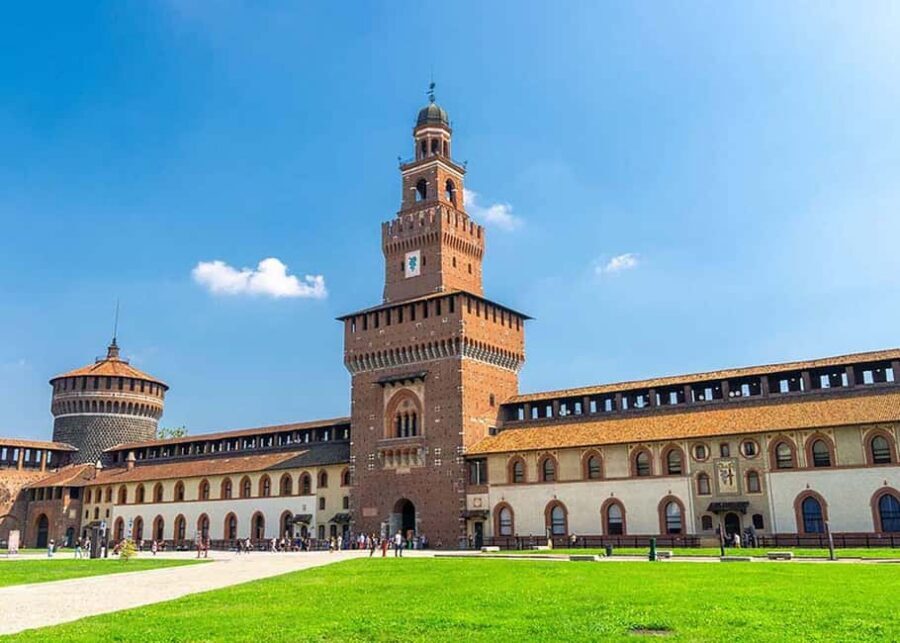
Sforza Castle is the kind of building that changes how you walk. From outside, the walls and towers look built to protect power. Inside, the feel shifts into something more “museum and court life,” which makes the Renaissance context click faster.
During the tour, you’ll go beyond one hallway stop. You’ll see courtyards and interiors, which is important because Sforza Castle isn’t just a container for art—it’s the political stage that shaped it. The guide’s job here is to connect architecture to people: how the powerful families ruled, collected, commissioned, and used culture like public messaging.
One practical note: you’re moving through indoor museum spaces and open courtyards within a short 1.5-hour window. That’s great for efficiency, but it means you should wear shoes you can do repeatedly—steps, floors, and short lines all add up.
Michelangelo’s Pietà Rondanini: why unfinished feels so powerful
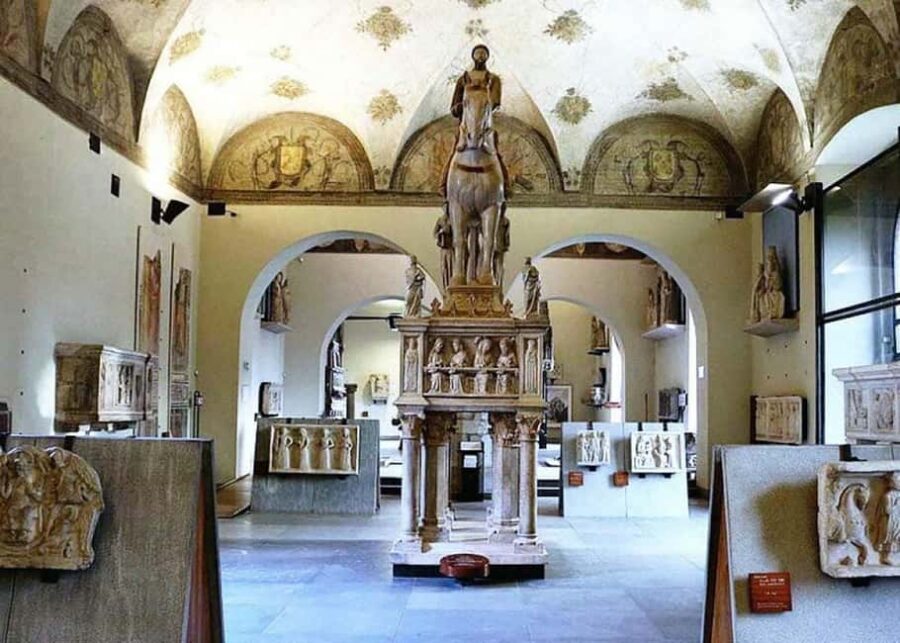
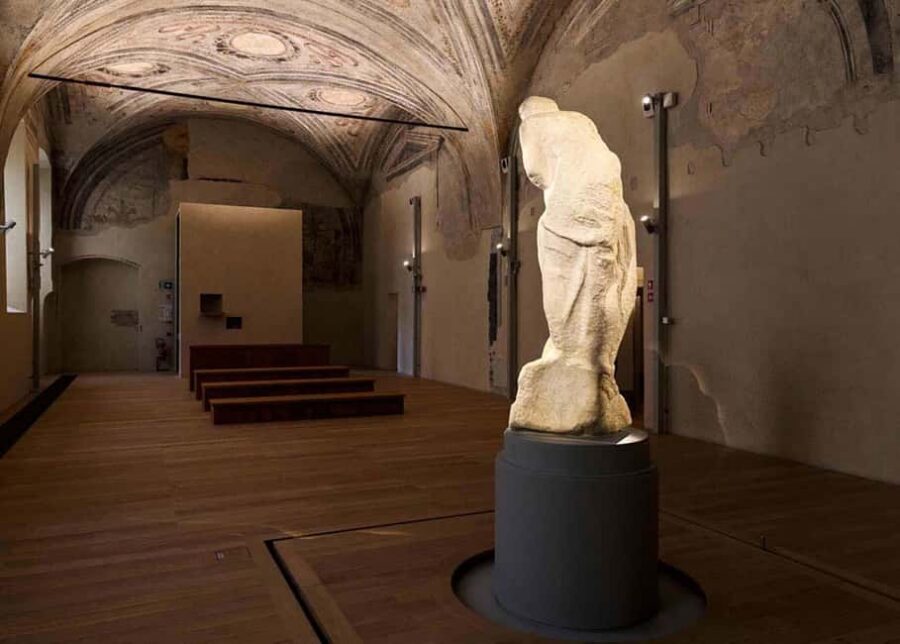
The emotional centerpiece is Michelangelo’s Pietà Rondanini, presented as his final masterpiece created at the age of 89. What you’re really going to notice is the unfinished appearance. That detail isn’t just trivia—it’s the whole point.
Unlike Michelangelo’s more polished works (where you often feel the final result is the goal), this one lets you feel the artist’s final phase: a process shaped by age, mortality, and an ever-tightening focus. Standing in front of it, you get an intimacy that’s hard to describe until you’re there—Mary holding Christ’s body is depicted with a close, human weight, not just idealized perfection.
Your guide should point out what changes when a sculpture is allowed to look unfinished. The forms feel more immediate, and the piece can read almost like a private message left for the end of a life. If you’re the type who loves meaning in art, this stop is the one you’ll talk about afterward.
Leonardo in Milan: Ludovico Sforza and the Last Supper connection
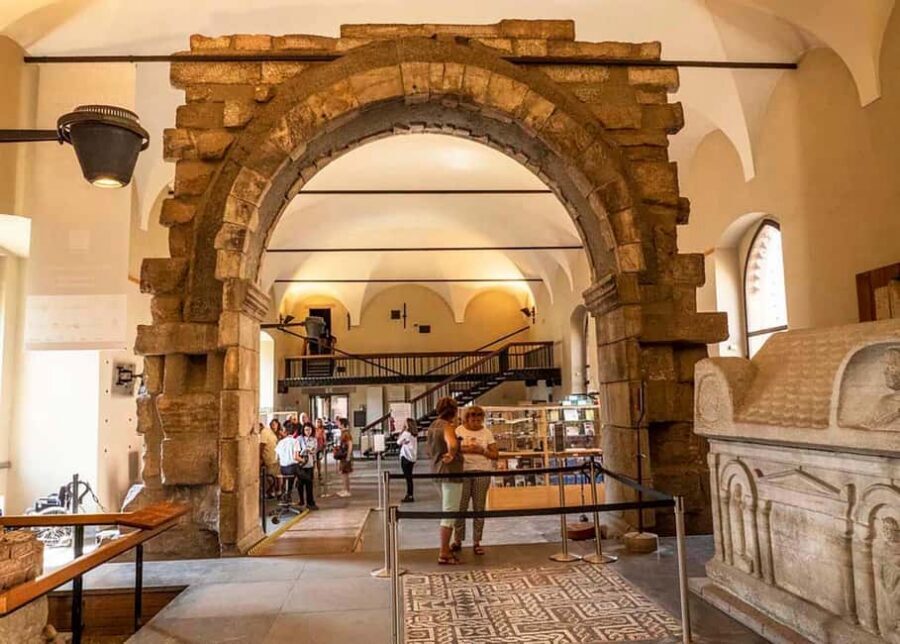
After Michelangelo, the tour pivots to Leonardo da Vinci’s time in Milan—specifically his work under the patronage of Ludovico Sforza, Duke of Milan. This is where the tour becomes more than museum sightseeing, because it answers a big question: why were these artists in Milan at all?
You’ll learn about Leonardo’s contributions to the city, including innovative engineering projects and architectural designs. That matters because Leonardo wasn’t only a painter; he was a whole problem-solver mindset. In a short time, the guide should connect that approach to how Renaissance Milan functioned—brains were valued, and patrons funded experimentation as much as decoration.
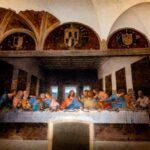
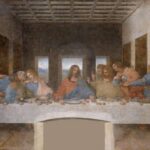
The tour also references Leonardo’s famous fresco The Last Supper, housed in the nearby Convent of Santa Maria delle Grazie. Even if you don’t enter that site on this particular tour, the mention gives you an easy “see-it-next” plan. It turns your castle visit into a Milan art route rather than a single-island stop.
And yes, you’ll hear stories that humanize Leonardo’s world—friendships, rivalries, and the cultural impact he had while operating in the orbit of Milan’s ruling family. That context helps you understand the art style, but it also helps you understand why the art mattered.
Courtyards, interiors, and the art of power
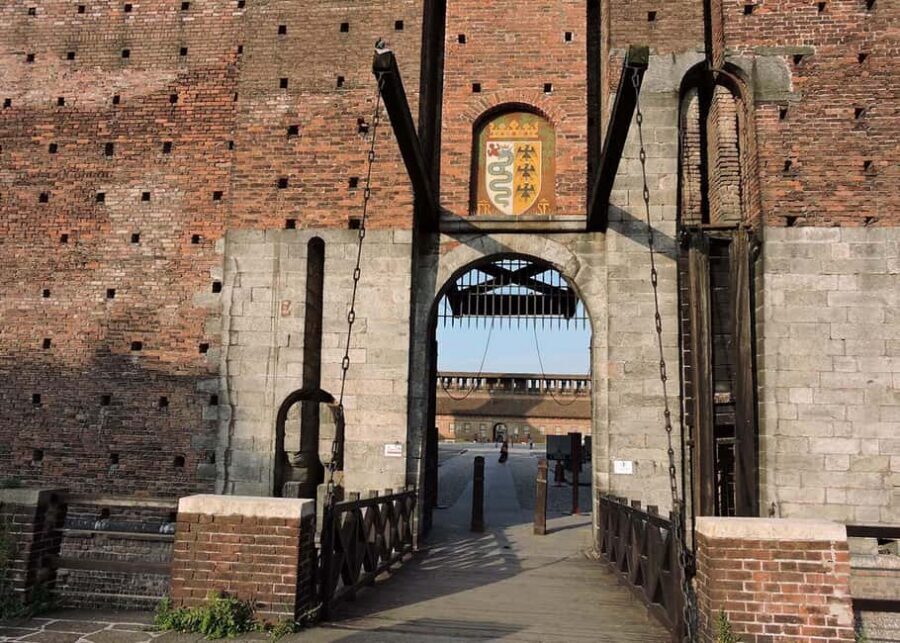
One of the best values in this tour is that it doesn’t treat Sforza Castle like a backdrop. Courtyards and interior rooms let you see how Renaissance power felt in real space.
The guide shares stories of Milan’s powerful Renaissance families—basically, who paid for what, who gained prestige by collecting, and how art became part of governance. If you like when history explains the “why” behind what you’re looking at, this is the section that pays you back.
A small drawback: because the tour is just 1.5 hours, you won’t get a slow museum deep-read. You’re getting the most important threads, not every possible detail. If you’re traveling with someone who likes to read every placard, you’ll likely need to do one or two extra stops on your own after the tour.



How the timing (1.5 hours) affects what you’ll remember
A tour that’s 1.5 hours is either a gift or a curse, depending on your style.
For me, the gift part is focus. In a short slot, you’re likely to remember the two major anchors:
- Pietà Rondanini as Michelangelo’s last emotional statement
- Leonardo’s Milan as an artist shaped by Sforza patronage
The curse part is that there’s no long buffer for detours, bathroom breaks, or lingering. So if you want photos of everything, plan to move quickly when the guide stops and then circle back on your own afterward.
This timing is also ideal as a second-act activity if you already explored the Duomo area earlier. Sforza Castle is nearby enough that you can build a coherent half-day without hopping across town.
Price and value: what $106 buys you
At $106 per person, you’re not paying for a mega-day or multiple museum entries. You’re paying for three specific things that matter in Milan:
- Guided entrance to Sforza Castle and the museum
- A certified English-speaking guide
- A structured explanation of two Renaissance titans—Michelangelo and Leonardo—inside their actual setting
That’s good value when you’re short on time and you want more than a walk-through. It’s also fair if you like guided context—because art history gets way easier to understand once someone connects patrons, politics, and the artworks on the wall.
If you’re traveling extremely budget-first, you could always visit Sforza Castle on your own. But if your priority is understanding the significance of Pietà Rondanini and why Leonardo’s Milan story connects to what you’ll see around the city, the guided format justifies the price.
Who should book this tour
This is a great fit if you:
- Want a focused Renaissance hit without spending half the day in museums
- Enjoy big-art storytelling—artists + patrons + place
- Like clear explanations and comparisons between Michelangelo and Leonardo
- Are staying near Duomo and want an efficient add-on
It may be less ideal if you:
- Hate group pacing and prefer wandering at your own speed
- Expect a museum that turns into a quiet, long contemplative experience
Also double-check the wheelchair information before booking. The details provided say the tour is accessible to wheelchairs and strollers, yet another line says it’s not suitable for wheelchair users. That contradiction is worth resolving directly with the operator so you can plan confidently.
Should you book this Sforza Castle and Michelangelo plus Leonardo tour?
Yes—if you want the smartest way to connect Milan’s Renaissance art to its power centers in a short time. The tour’s real strength is the pairing: Michelangelo’s Pietà Rondanini (unfinished, deeply human) followed by Leonardo’s Milan (engineer-thinker shaped by Sforza patronage). When those two stories land together, you leave with more understanding than you’d get from ticking boxes.
I’d book it if you’re the type who likes to walk out of museums saying, “Now I get it.” If you’re more of a slow reader and plodding photo-taker, plan extra time before or after so you can linger independently.
One last practical tip: wear comfortable shoes and keep your expectations aligned with 1.5 hours. This tour is built for focus, not for wandering.
FAQ
How long is the tour?
The tour lasts 1.5 hours.
Where do we meet the guide?
Meet your guide under the Clock Tower (Torre Filarete) in Piazza Castello.
Is the tour in English?
Yes, the live tour guide speaks English.
What’s included in the price?
It includes entrance to the castle and museum, a certified tour guide, and online support (including an online consultant who sends boarding information and help when boarding).
Do I need to bring ID?
Yes. You should bring a passport or ID card.
Is food included?
No. Food and beverages are not included.
Can I cancel for a full refund?
Yes. You can cancel up to 24 hours in advance for a full refund.
Is it wheelchair accessible?
The provided information is mixed: it says the tour is accessible to wheelchairs and strollers, but it also lists that it is not suitable for wheelchair users. If you need wheelchair access, confirm directly with the operator before you go.