REVIEW · MILAN
Jewish Guided Tour in Milan
Book on Viator →Operated by Milano Mia · Bookable on Viator
Milan can look like a straight line of grand streets and big churches—until you start noticing what’s underneath. This Jewish guided tour in Milan strings together key sights in the city center, then adds an in-person synagogue visit and a guided escort to the Holocaust Memorial so the story doesn’t stay in theory.
I like the way the guide connects each stop to a bigger timeline, from royal Italy to World War II to Jewish life in Milan. I also like that the group stays small (up to 8 people), so the conversation stays human instead of rushed. One thing to keep in mind: the synagogue entrance depends on a donation and needs coordination in advance—especially in August.
You’ll meet at Corso Monforte, 2 and finish at Via Dante, with guidance to the Holocaust Memorial site entrance (not a museum tour). It runs about 3 hours, in English, and it’s priced at $120.48 per person—a fair number when you’re getting a licensed guide, multiple stops, and that synagogue access.
In This Review
- Key things to love about this Jewish history tour in Milan
- Price and what you’re really paying for
- Starting at Corso Monforte: getting oriented fast
- San Babila: Milan’s general story in miniature
- Corso Vittorio Emanuele II: royalty, power, and the shape of the city
- Piazza del Liberty: Mussolini and World War II in plain sight
- Cesare Beccaria: law, thinking, and Milan’s intellectual footprint
- Sinagoga Centrale: the highlight stop (plan for the donation)
- Piazza del Duomo: comparing faiths and reading symbols on the Domo
- Rinascente Milano: city views and the skyline story
- Ending at the Holocaust Memorial: what’s included, what isn’t
- What makes the guides matter here (and why Galit and Nuki come up)
- Who this tour suits best (and who might want something else)
- Practical tips so the day runs smoothly
- Should you book this Jewish history tour in Milan?
- FAQ
- How long is the Jewish guided tour in Milan?
- What does the tour cost?
- Is the tour in English?
- Do I need to pay extra for the synagogue?
- Does the tour include a Holocaust Museum tour?
- Where do I meet the guide?
Key things to love about this Jewish history tour in Milan
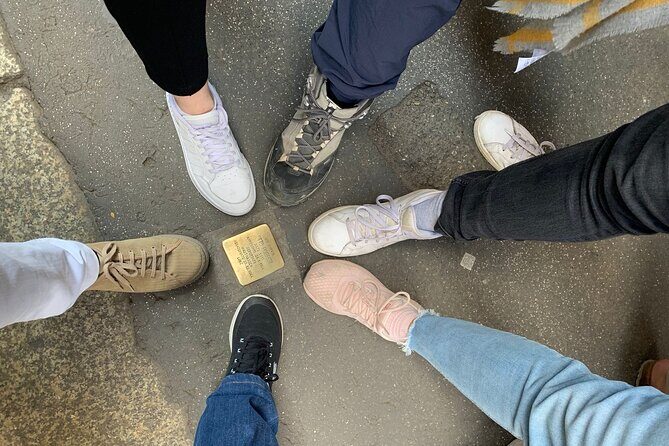
- Small group size (max 8) keeps the pace calm and lets you ask questions.
- Duomo stop with Jewish symbols gives you a new way to read the cathedral from street level.
- Sinagoga Centrale visit with a minimum donation turns “history” into an actual place of worship.
- World War II and Mussolini context is handled right where the city shows it.
- Licensed guide support means you’re not relying on a phone app for the hard parts.
- Ends at the Holocaust Memorial with an escort and metro ride together.
Price and what you’re really paying for
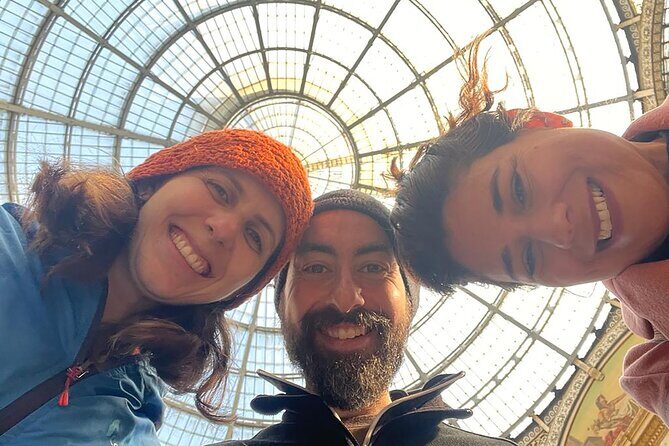
At $120.48 per person for about three hours, this isn’t a “cheap bus tour.” It’s priced like a curated walking experience with access points that cost time and coordination. The value shows up in three ways.
First, you’re paying for a licensed or certified in-person guide. That matters when the subject touches religion, history, and painful events. Second, the route covers several major Milan landmarks in the city center, so you’re not spending your sightseeing time “traveling to traveling.” Third—and this is the big one—you get a planned visit to Sinagoga Centrale, where entry requires a donation of at least 10 euros per person and needs prior coordination.
The tour also does not include a tour of the Holocaust Museum itself. You’ll still be guided to the Holocaust Memorial site entrance, but if you want to go inside and do the museum, you’ll need to plan that separately (since it’s not included here).
You can also read our reviews of more guided tours in Milan

Starting at Corso Monforte: getting oriented fast
The tour starts at Corso Monforte, 2. That’s a smart choice for a short, focused walk, because it puts you close to the central streets without making you crisscross the whole city.
Before you even hit the big monuments, you’ll get a baseline: how Milan works, how it changed over time, and what to watch for as you move. Think of this as getting your bearings fast. A good guide helps you see patterns—street layouts, power shifts, religious symbolism—so later stops land harder.
Also, you’ll be in English with a group kept to a maximum of 8 travelers, which makes a difference. You can actually follow the logic of the story without your brain catching up every few minutes.
San Babila: Milan’s general story in miniature
The first stop is San Babila, with a quick talk about Milan’s past, present, and future. It’s a short segment, but it does a useful job: it sets up Milan as more than just fashion and speed.
You’ll be there for about 20 minutes, and the ticket here is free. This is the kind of early stop that helps when you’re visiting for the first time. If Milan feels intimidating, this kind of orientation talk makes the rest of the walk feel easier.
Corso Vittorio Emanuele II: royalty, power, and the shape of the city
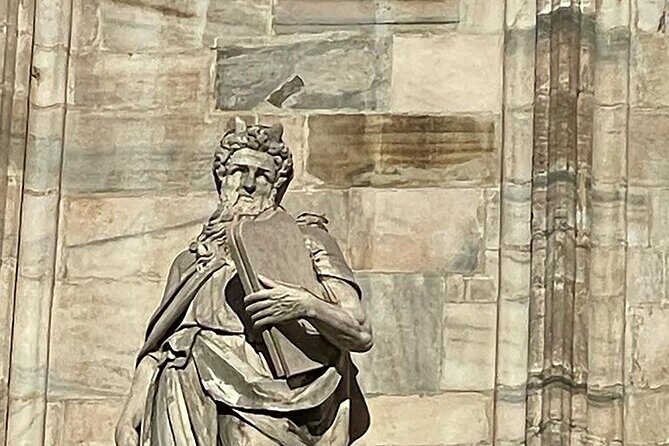
Next comes Corso Vittorio Emanuele II. This is where the tour shifts from general orientation to how Milan was built—politically and physically.
You’ll hear about Vittorio Emanuele and the dynasty of royal houses in Italy, plus how that era’s story shows up in the city’s layout. You’ll get about 25 minutes here, and the admission is free.
Why this matters: Milan’s streets aren’t neutral. When you understand who had power and why, you start noticing why certain corridors look the way they do, and why the city’s center feels engineered for display and movement.
Piazza del Liberty: Mussolini and World War II in plain sight
At Piazza del Liberty, the guide talks about World War II and Mussolini. This is one of those stops where you’re not just learning names—you’re learning context. Milan wasn’t just a backdrop during those years. It was involved.
Expect about 20 minutes. Admission ticket is free. The takeaway here is how modern cities carry old political layers in their public spaces. You’ll likely start connecting what you see in front of you with what the guide is explaining behind it.



Cesare Beccaria: law, thinking, and Milan’s intellectual footprint
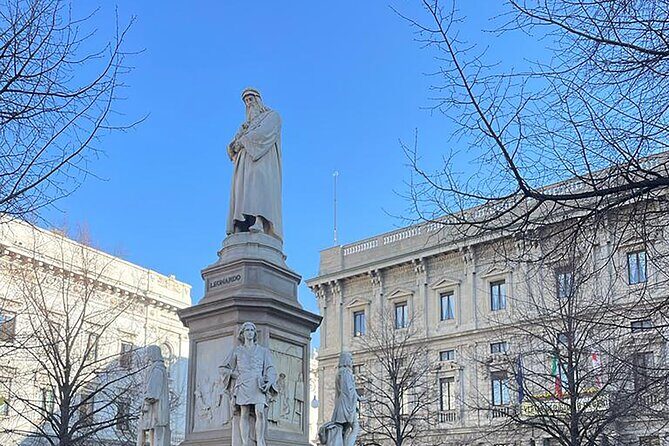
The tour moves to Monumento a Cesare Beccaria for another 20-minute stop. Here you’ll hear about Beccaria and his contribution to the world of law in Italy.
This works well because it broadens the tour beyond religion and war. You’re seeing Milan as a place where ideas mattered, not just armies and architecture. If you like tours that avoid one-track storytelling, this is a good checkpoint.
Sinagoga Centrale: the highlight stop (plan for the donation)
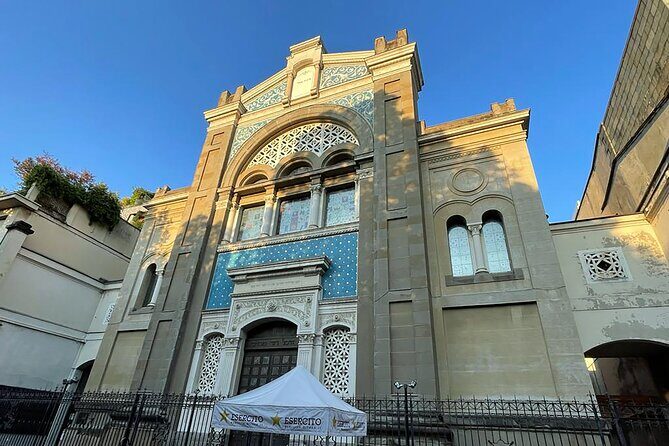
Then comes the main event: Sinagoga Centrale. The guide explains Jewish religion, history in Italy, and Jewish life in Milan, and you’ll be guided through the visit.
Here’s the practical part you need to take seriously: synagogue entry requires a donation of at least 10 euros per person, and you need to coordinate your entrance with the tour in advance. In August, visits require prior arrangement because opening hours can be limited.
Expect about 20 minutes at the synagogue, and the ticket is not included. Also, this is where the “licensed guide” value really shows. You’re not just looking at a building; you’re learning how to understand it.
One of the strongest bits of feedback I’m looking for on this kind of visit is whether the guide notices details you might walk past. In previous tours, guides like Galit were praised for pointing out specifics that many people miss. That’s exactly what you want here: clear, respectful context so the synagogue visit feels meaningful rather than checkbox-like.
Piazza del Duomo: comparing faiths and reading symbols on the Domo
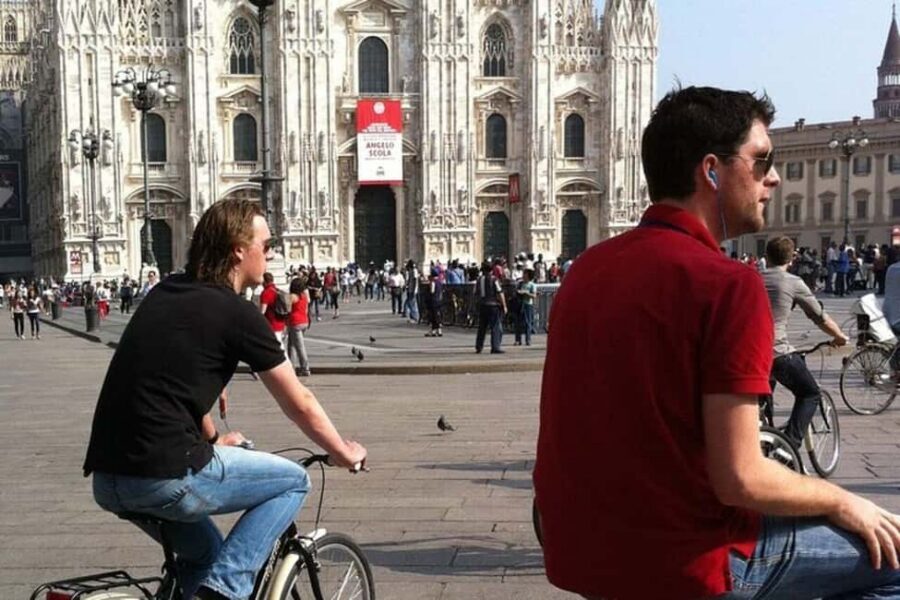
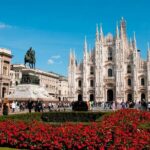
After the synagogue, you’ll reach Piazza del Duomo for about 25 minutes. This is a great “visual payoff” stop.
The guide talks about similarities and differences between Judaism and Christianity, and how Jewish symbols can appear on the Duomo. You’ll also get some architecture framing—how churches and synagogues reflect different religious needs and traditions.
This is where you’ll start seeing Milan with different eyes. Even if you’re not the type who reads every plaque, you’ll leave with a framework for what to look for next time you’re standing in the square staring up at stonework.
Rinascente Milano: city views and the skyline story
Next is Rinascente Milano, about 15 minutes. The guide uses this stop to talk about high-rise buildings in Milan and Italy, and you get the chance to see the city from above.
This is a nice change of pace after heavier historical stops. It also helps you connect story to geography: you can look out and understand how the modern city rose over earlier layers.
Ending at the Holocaust Memorial: what’s included, what isn’t
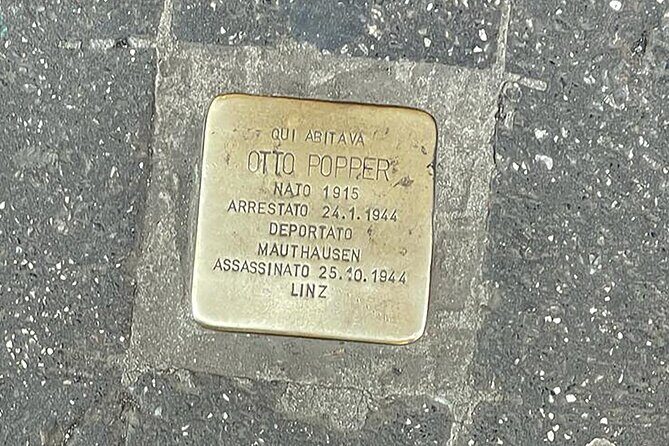
The tour ends in front of the Holocaust Memorial site in Milan, also described as the Holocaust Museum area. You’ll travel together by metro with escort and guidance to the entrance.
Important detail: the tour includes guidance to the Holocaust Memorial site entrance, but it does not include a tour of the Holocaust Museum. So if you want to go inside for exhibits, plan extra time and check hours separately.
This ending matters because it keeps the emotional and historical weight from getting lost in the middle of a walk through scenic streets. The structure of the tour nudges you to hold the full picture: Jewish history in Milan, the trauma of persecution, and the city’s physical reminders.
What makes the guides matter here (and why Galit and Nuki come up)
Good guides can talk facts. Great guides help you notice meaning.
In the feedback tied to this tour, two names come up: Galit and Nuki. Galit was praised for pointing out details people often bypass. Nuki was praised as warm and informative, and also for explaining a key geographic reality: unlike some cities, Milan doesn’t have a single obvious Jewish quarter you can tour street-by-street. Instead, the Jewish presence is woven through the city in a way that often means many residents lived outside a defined neighborhood.
That’s not a flaw. It’s part of what this tour does well: it focuses on Jewish presence in the heart of Milan and pairs street-level sights with the human story behind them.
Who this tour suits best (and who might want something else)
This Jewish guided tour in Milan is a good fit if you want:
- a 3-hour, guided experience that connects landmarks to real historical context
- a synagogue visit (with coordinated entry)
- a structured route that ends with guidance to the Holocaust Memorial site
It’s not the best match if you want a long, freeform wandering day or if you’re hoping for a broader “neighborhood tour” of a traditional Jewish quarter. Milan’s Jewish story here is told through central sites and connections rather than one compact district.
If you’re traveling with limited time, this also helps. You get the kind of big-picture orientation that takes days to piece together on your own.
Practical tips so the day runs smoothly
- Wear comfortable shoes. The walk moves between multiple central stops.
- Budget for the synagogue donation of at least 10 euros per person and make sure you coordinate entrance with the tour in advance.
- If you’re visiting in August, plan ahead. The synagogue may have limited opening hours and needs prior arrangement.
- Keep expectations realistic at the Holocaust Memorial area: you’ll get escort and guidance to the entrance, but not a museum tour included in the price.
- Book ahead if you can. The experience is commonly booked about 25 days in advance, which suggests it’s popular when schedules align.
Should you book this Jewish history tour in Milan?
I’d recommend booking if you want a small-group, guided Jewish history experience that connects Milan’s landmarks to the people and events behind them—especially if synagogue access is high on your list. The combination of a structured city-center route, respectful framing, and the guided finish at the Holocaust Memorial site makes it feel purposeful rather than scattered.
Skip it or consider alternatives if you’re mostly after independent sightseeing or you’re not willing to handle the synagogue donation and coordination. Also, if you specifically want an in-depth guided Holocaust Museum visit, this tour won’t cover that inside-the-museum part.
If you’re here for understanding Milan beyond the obvious postcard views, this is a strong, practical choice.
FAQ
How long is the Jewish guided tour in Milan?
The tour lasts about 3 hours (approx.).
What does the tour cost?
It costs $120.48 per person.
Is the tour in English?
Yes. The tour is offered in English.
Do I need to pay extra for the synagogue?
Yes. Entrance to Sinagoga Centrale requires a donation of at least 10 euros per person, and you need to coordinate the entrance in advance.
Does the tour include a Holocaust Museum tour?
No. The tour includes escort and guidance to the Holocaust Memorial site entrance, but it does not include a tour of the Holocaust Museum.
Where do I meet the guide?
You meet at Corso Monforte, 2, 20122 Milano MI, Italy, and the tour ends at Via Dante, Milano MI in front of the Holocaust Memorial site.