REVIEW · MILAN
Learn to Cook Italian Recipes with an Italian Chef
Book on Viator →Operated by Chef and the City · Bookable on Viator
Three courses, one small kitchen, lots of hands-on. In Milan, this class stays relaxed while you cook a starter, first course, and dessert from scratch, and you do not know the exact menu until you walk in. I especially love the hands-on focus on technique you can repeat at home, like pasta by hand and desserts you’ll actually be able to nail later. On top of that, you leave with the recipes so the meal doesn’t end when dinner is over.
One thing to plan around: it is a shared format with a surprise menu, and the included wine is not built to be unlimited throughout the night. If you’re the type who wants a specific dish every time or expects endless pours while you’re prepping, it may feel different than you hoped.
In This Review
- Key things that make this Milan class worth your time
- A Milan cooking class that refuses to run on autopilot
- What you’ll cook: starter, pasta/dumplings, and dessert (the useful kind of surprise)
- How the 3 hours tend to flow in the real kitchen
- Chef energy, teaching style, and why it affects your results
- Dinner with Italian wine: what’s included and what to watch
- Finding the place in Milan: simple directions that save time
- Price and value: why $82.27 can make sense here
- Who this cooking class is best for
- Tips to get the most out of your apron
- Should you book this Milan cooking class
- FAQ
- How long is the cooking class?
- What language is the class taught in?
- What dishes will we cook?
- What’s included in the price?
- Is transportation included?
- Where do I meet, and how do I find the kitchen?
- Is the activity a small group?
- Is the wine unlimited?
- What’s the cancellation policy?
Key things that make this Milan class worth your time
- Surprise menu on arrival: you find out what you’ll cook only after you’re in the kitchen.
- Three-course, from-scratch learning: starter, pasta/dumplings, and dessert all get hands-on time.
- Technique-first teaching: the chef explains how, when, and why each step matters.
- Recipes delivered at the end: you can cook again at home without guessing.
- Wine and dinner included: you finish with your meal plus Italian wine and spirits.
- Small-kitchen feel: the class is capped at 20 people, and it often feels intimate.
A Milan cooking class that refuses to run on autopilot
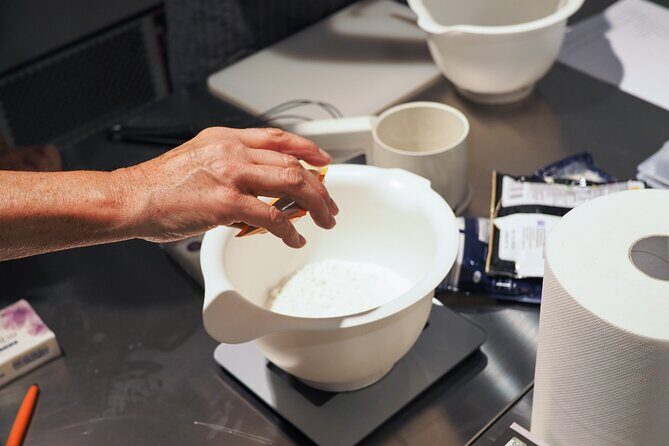
If you’ve done the usual “watch then eat” food experiences in big cities, this one feels like a reset. The kitchen is active from the first minutes: you’re chopping, shaping, stirring, and learning what makes each Italian dish work. The chef’s setup also keeps things playful, not stiff, so you can ask questions instead of just nodding along.
The biggest twist is also the best part: you do not pick the dishes in advance. You’ll see sample ideas (like bruschetta, pasta, and classic sweets), but the exact menu is revealed once you arrive. That means the class is built around learning methods, not memorizing a fixed script.
I like that the teaching style targets the parts people usually skip. It’s not just recipe steps. You get the why behind each phase, so you can troubleshoot at home. And yes, the dessert is part of the lesson too, not a token afterthought.
You can also read our reviews of more tours and experiences in Milan.


What you’ll cook: starter, pasta/dumplings, and dessert (the useful kind of surprise)
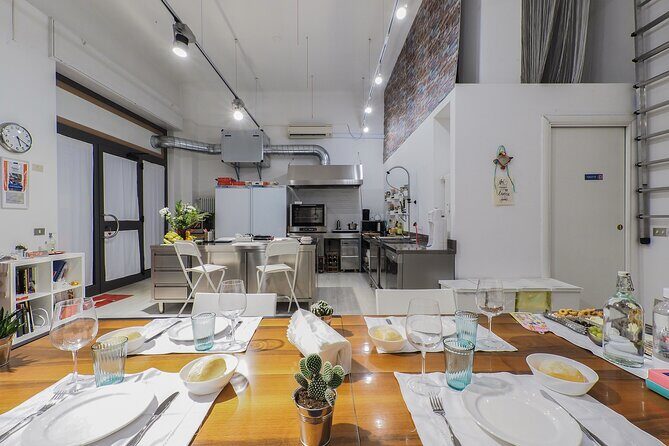
The experience is designed as a true three-course Italian meal, not a sampling buffet. Your course order typically follows this structure:
Starter: You may make a mix of classic Italian appetizers such as bruschetta, focaccia, parmigiana, and similar dishes. Many sessions include hand-prepped components, since the focus is on doing everything from scratch and by hand rather than using shortcuts.
First course: You’ll learn how to make pasta by hand. Common options include gnocchi, tagliatelle, ravioli, and other handmade dumplings, plus a dressing/sauce that you build together. Pasta-making is where this class usually wins people over fast, because it teaches the feel of the dough and the logic of shaping.
Dessert: You’ll finish with a classic sweet, often tiramisu, cantucci, pan meino Milanese, or chocolate tortini, depending on the menu that night. This is the section where you learn to balance texture and timing, especially for layered desserts.
Here’s why this combo works for you as a home cook. You get one salty starter you can repeat for friends, one flour-and-egg (or potato) skill you can show off, and one dessert that makes the whole meal feel complete. It’s also a smart pacing strategy: savory learning first, then the sweet finale when you’re already in “I can do this” mode.
How the 3 hours tend to flow in the real kitchen
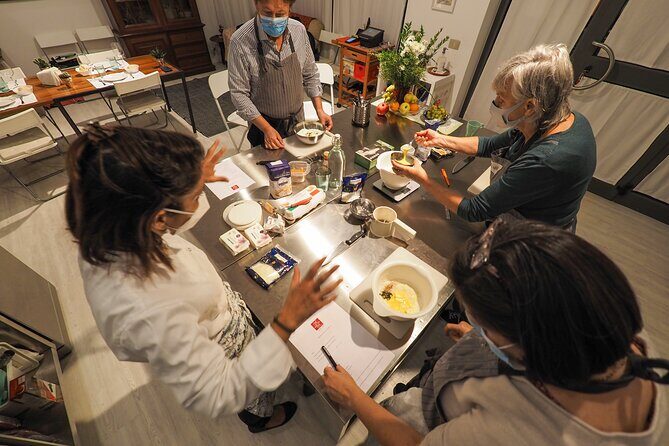
The class runs about 3 hours. It’s enough time to learn, cook, and sit down for what you made. The pace is hands-on, and the chef actively moves between stations to guide you.
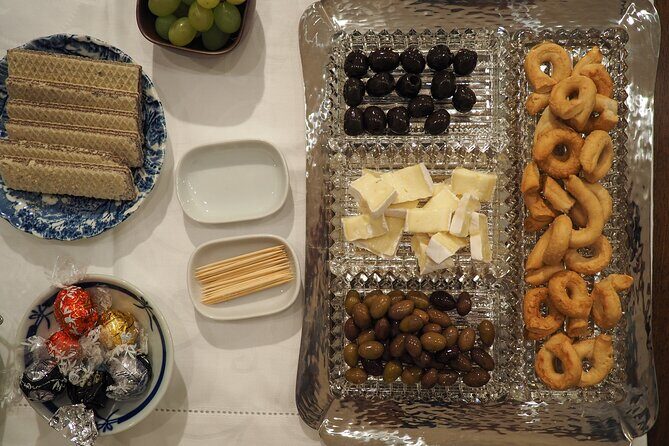
You’ll start with a warm-up. The experience includes Italian-style welcome snacks, along with coffee and/or tea later. This matters because it takes the edge off the first few minutes. Cooking on your feet is easier when you’ve settled in.
Then comes the core teaching block. You’ll work through the starter, move into pasta/dumplings, and finish with dessert. The chef’s approach is built around direct assistance, so if your dough tears or your shaping feels off, you’re not left to guess. You can ask questions and take notes, which is a big deal for technique-heavy tasks.
Finally, you eat. Your class ends back at the meeting point after dinner, so it’s a full cycle: cook, plate, and enjoy the result with Italian wine.
Chef energy, teaching style, and why it affects your results
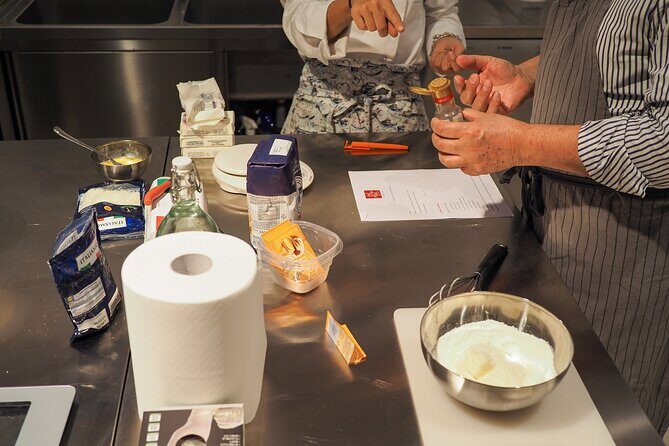
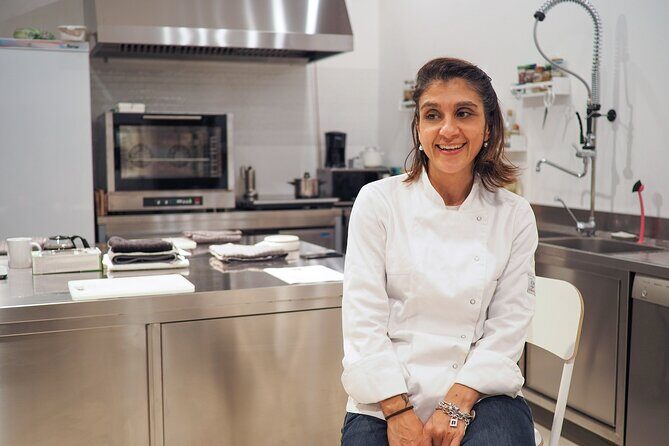
The chef sets the mood. In past sessions, Chef Ilaria has been described as warm, welcoming, funny, and full of energy. People also note that instruction stays clear even when the class includes different skill levels. In other words: you do not need to be a home chef to get value here.
What I like about this style is the attention to basics. Pasta-making and desserts punish shortcuts. If you skip the “how, when, why,” you end up with something that looks right but eats wrong. Here, the chef explains key steps and adjusts in the moment, so your final dish is closer to the real Italian version.
Another small but important detail: you’re given an apron and all cooking tools are included. That removes the awkward “what should I bring” problem and lets you focus on cooking. Reviews also highlight an emphasis on cleanliness in the kitchen, which matters because pasta and sauces can get messy fast.
Dinner with Italian wine: what’s included and what to watch
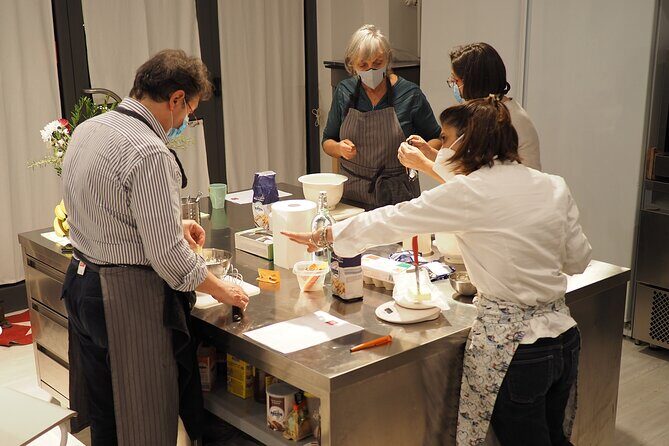
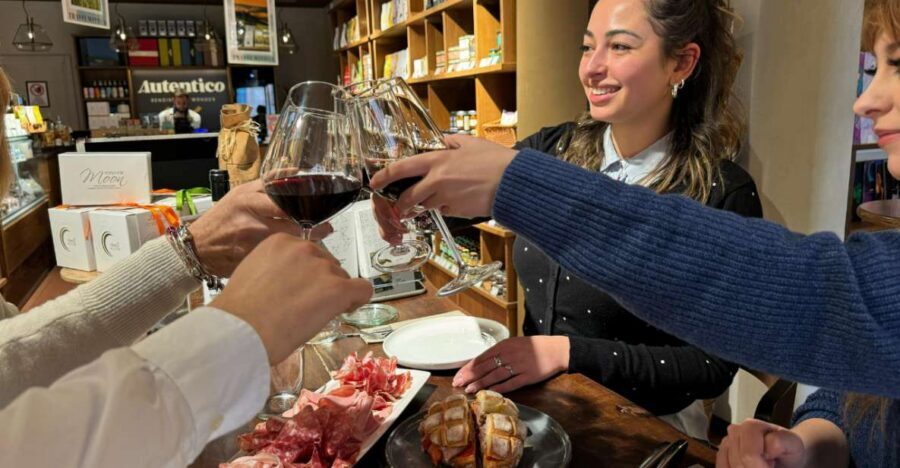
You finish with a sit-down meal with wine and food that matches what you cooked. Alcoholic beverages are included, along with bottled water (natural and sparkling). Coffee and tea are also part of the offering, so you can pace the meal without feeling rushed.
Now the part you should plan around: wine is included, but it is not presented as endless free pours throughout the prep period. The shared format includes wine by bottle shared among about three guests, and if someone wants more personally, the provider notes it can be paid extra. That lines up with the mixed experiences you’ll sometimes see about wine flow.
Translation for you: if wine is central to your night, go in with the expectation that you’ll definitely have wine with the meal, and you may need to be flexible during the cooking portion.
Also, if you’re sensitive to interruptions or want perfectly quiet instruction, note that the class works like a shared kitchen collaboration. The chef may pause instruction to keep everyone aligned, since everyone’s timing matters.





Finding the place in Milan: simple directions that save time
Meet at Via Laura Ciceri Visconti, 4, 20137 Milano MI. The activity ends back at the meeting point, so you’re not dealing with a second location after dinner.
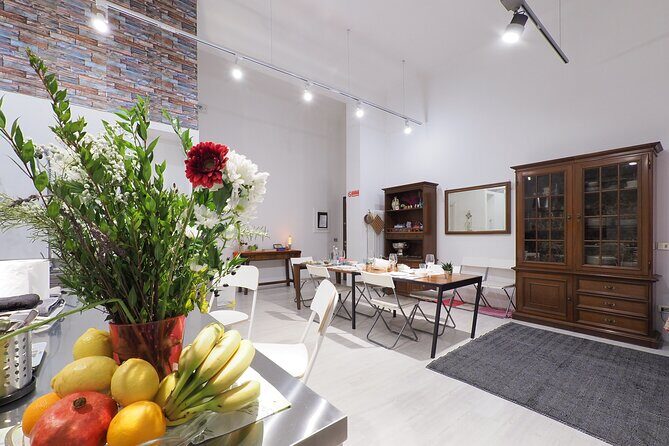
The kitchen space is on the street level, and you’ll look for the three windows with the red CHEF AND THE CITY sign. Ring the front door bell. It’s near public transportation, and the setup is straightforward, which is great if you’re fitting this between sightseeing and trains.
You’ll also want to keep luggage out of the picture. The experience says you cannot carry luggage, and luggage storage isn’t included. If you’re traveling with more than a day bag, plan to stash it elsewhere before you arrive.
Price and value: why $82.27 can make sense here
At $82.27 per person, this isn’t a cheap “just try pasta once” add-on. But it often works as good value because so much is bundled.
Here’s what you’re getting as part of the price:
- Hands-on cooking with starter, pasta/dumplings, and dessert
- Lunch and dinner
- Dinner includes wine and spirits
- Apron and all cooking tools
- Italian-style welcome snacks
- Coffee/tea
- Bottled natural and sparkling water
You’re also getting something practical at the end: recipes delivered so you can repeat what you learned. That’s the real value kicker, because one good class can turn into multiple dinners at home if you use the instructions.
One caution: transportation is not included. If you’re coming from outside central Milan, factor in the cost of getting there and back. Also remember that luggage rules apply.
Who this cooking class is best for
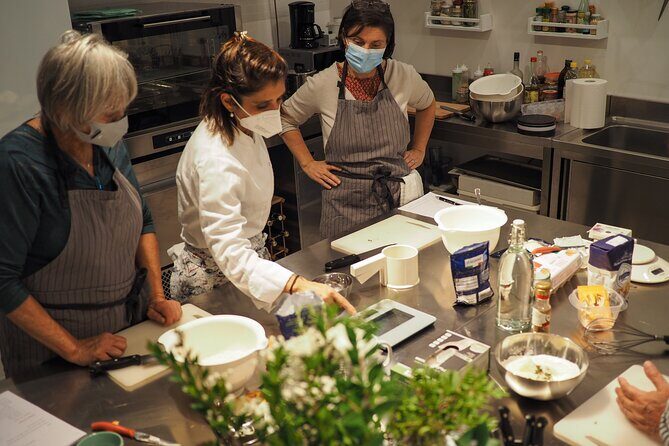
This class is a strong fit if you want an active, social meal with real skills. Reviews also mention it works for beginners and experienced cooks, because the chef is giving techniques and hands-on help rather than throwing you into a “figure it out” situation.
You’ll likely enjoy it most if you:
- like making food with your hands, not just watching
- want a structured way to learn Italian cooking
- enjoy finishing with the food you made, plus wine
- want recipes you can follow later
You might be less happy if you:
- need a perfectly consistent, pre-chosen menu (the dishes can vary)
- expect wine to be unlimited at all stages of the evening
- are extremely picky about flavor balance and want restaurant-level complexity for every bite (some people have felt the final meal leaned toward broad appeal)
Tips to get the most out of your apron
Bring a mindset of learning. Pasta dough is tactile. Dessert has timing. If you treat the class like a performance, you’ll miss the fun part. If you treat it like a skill session, you’ll leave confident enough to cook again.
A few practical moves:
- Take notes while the chef explains how, when, and why. This is where your future results come from.
- Focus on one technique at a time, especially early. Pasta and dessert both reward patience.
- If you have dietary restrictions, ask about accommodations in advance. One group reported gluten allergy accommodation was possible, but it’s smart to confirm what can be adjusted for your specific needs.
Also, wear something you don’t mind getting splashed. You’ll be working close to dough, sauces, and heat.
Should you book this Milan cooking class
I’d book it if you want a hands-on way to experience Milan food culture without hunting down ingredients or guessing technique at home. The surprise menu keeps it lively, and the three-course structure means you leave with a complete Italian meal plus recipes you can actually use.
If your priority is a guaranteed list of exact dishes or you want unlimited wine all night, you should temper expectations. The class is a shared format with shared wine, and the menu isn’t locked in before you arrive.
For most people visiting Milan, this is a solid use of time: cook, eat, learn, and bring home instructions. If you want an experience that turns into dinner plans later, this one has that payoff.
FAQ
How long is the cooking class?
It runs for about 3 hours.
What language is the class taught in?
The experience is offered in English.
What dishes will we cook?
You learn three typical Italian courses (starter, first course, dessert). The exact menu is not revealed until you’re in class, though examples include bruschetta, focaccia, parmigiana, handmade pasta like gnocchi or ravioli, and desserts such as tiramisu or cantucci.
What’s included in the price?
Lunch, dinner, Italian-style welcome snacks, an apron, cooking tools, coffee and/or tea, bottled natural and sparkling water, and alcoholic beverages (Italian wines and spirits).
Is transportation included?
No private transportation is included.
Where do I meet, and how do I find the kitchen?
Meet at Via Laura Ciceri Visconti, 4, 20137 Milano. The kitchen is on street level. Ring the front door bell and look for the three windows with the red CHEF AND THE CITY sign.
Is the activity a small group?
The experience has a maximum of 20 travelers.
Is the wine unlimited?
Wine is included as part of the experience, but it is shared (the provider notes a bottle shared among about three guests). If you want more personally, additional payment may be required.
What’s the cancellation policy?
Free cancellation is available up to 24 hours before the experience starts for a full refund.