REVIEW · MILAN
Leonardo Da Vinci’s Last Supper Guided Tour
Book on GetYourGuide →Operated by Crown Tours · Bookable on GetYourGuide
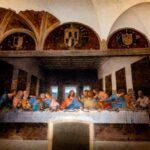
A 15-minute stare can change your mind. This guided visit is your best shot at seeing Leonardo’s The Last Supper in the refectory at Santa Maria delle Grazie, with explanations that connect the painting to Renaissance Milan. I love that the guide makes you notice what you’d otherwise miss, but there’s one catch: you’re limited to 15 minutes inside.
I especially like the mix of art and place. You don’t just look at the fresco—you also get oriented to the convent setting and the architecture around it, so the scene feels anchored in real 15th-century surroundings. The guides also bring conservation history into the conversation, which helps you understand why this painting looks the way it does today.
One more reason this works: it’s built for clarity. With an audio system, the guide stays easy to hear, and the time feels tight-but-worth-it. If you go in expecting a long, slow museum wander, you’ll feel the limits.
In This Review
- Key things that make this Last Supper tour work
- Why The Last Supper is a timed-entry experience, not a quick stop
- Santa Maria delle Grazie: where the building makes the painting hit harder
- Getting into the refectory: what your one-hour tour actually feels like
- The refectory moment
- After the painting
- Your guide matters: the difference between seeing it and understanding it
- The price: is $81 worth it?
- What to bring (and what to wear) so you don’t get stuck
- Bring
- Dress expectations
- What you should not bring
- Photography rule
- Where the experience can feel short or imperfect
- Who this tour is best for (and who might skip it)
- Should you book Leonardo Da Vinci’s Last Supper Guided Tour?
Key things that make this Last Supper tour work
- Timed entry that actually gets you in: you’re scheduled so you can see the painting without playing ticket roulette
- Audio system for crisp narration: helps when you’re standing in a busy, echo-y room
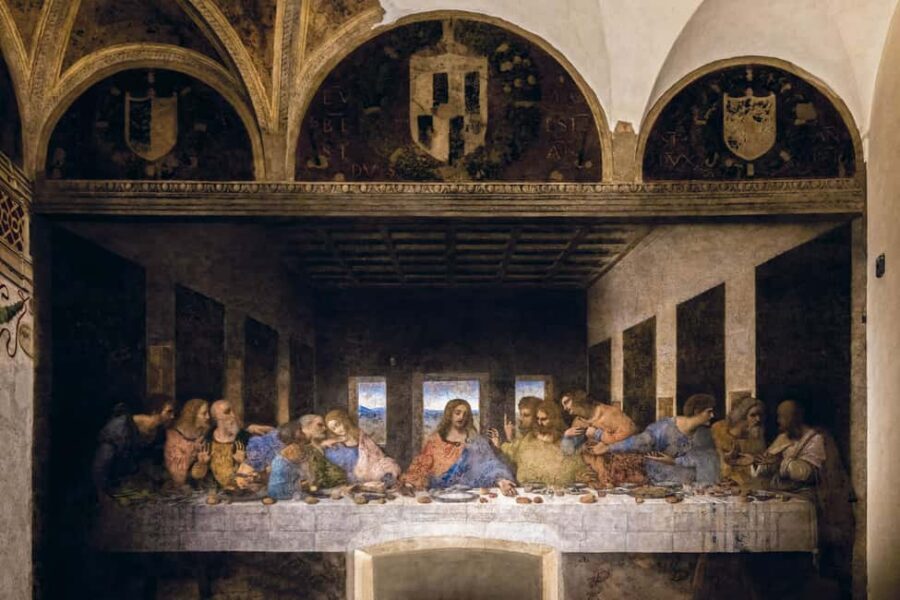
- More than faces on a wall: you get stories behind the disciples and the scenes around them
- Conservation context: you learn how the work has evolved over time and why that matters visually
- Santa Maria delle Grazie’s architecture adds weight: the building isn’t background noise—it’s part of the experience
- A good guide can make it personal fast: names like Anton, Fiamma, Valentina, Marcella, and Irene show up in strong reviews for a reason
Why The Last Supper is a timed-entry experience, not a quick stop
If you only have a day or two in Milan, you might be tempted to treat Leonardo’s Last Supper like just another must-see. Don’t. This is one of those sights where the system around it is the point.
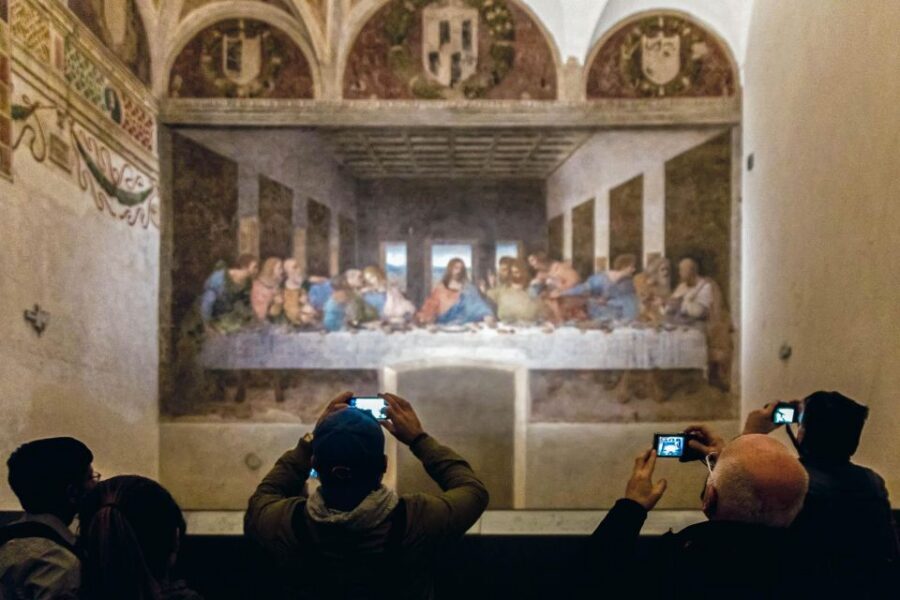
The venue limits how long you can stay in the refectory, with visitors allowed a maximum of 15 minutes inside. That time cap changes how you should experience it. You won’t get the luxury of taking 40 photos and reading every label like a museum marathon. Instead, you’re meant to look, absorb, and notice. A good guide helps you do that in a hurry, by pointing you to the details that people often miss when they’re staring at the famous moment everyone recognizes.
And the guide’s goal is not to replace your own looking. It’s to help you look better. You’ll typically hear about Leonardo’s approach, the historical setting in convent life, and why the painting became such a landmark of Italian High Renaissance art.
There’s also a practical upside: timed, guided access beats the common headache of trying to secure Last Supper entry on your own. Even when you technically can get tickets, timing matters. This kind of tour is designed to get you into the right slot.
You can also read our reviews of more guided tours in Milan
Santa Maria delle Grazie: where the building makes the painting hit harder
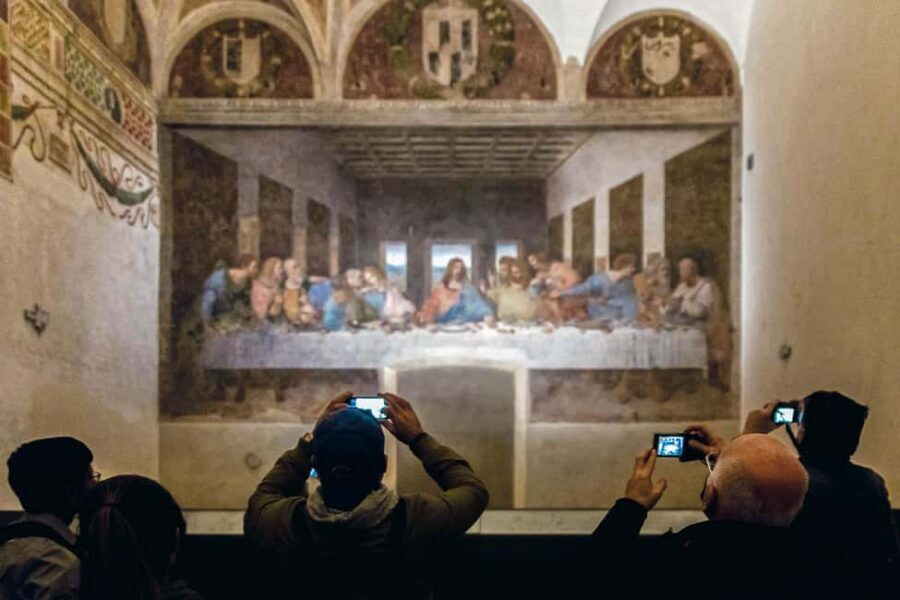
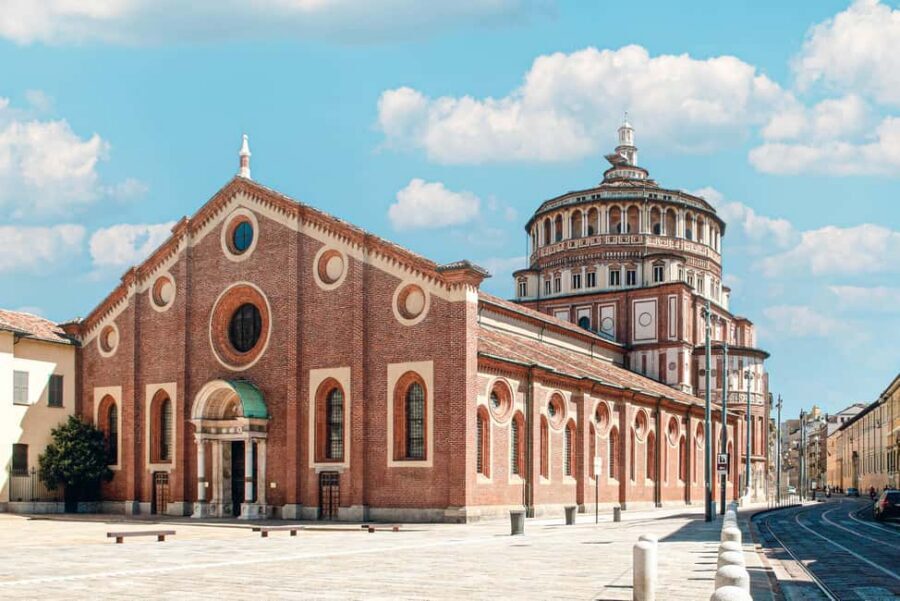
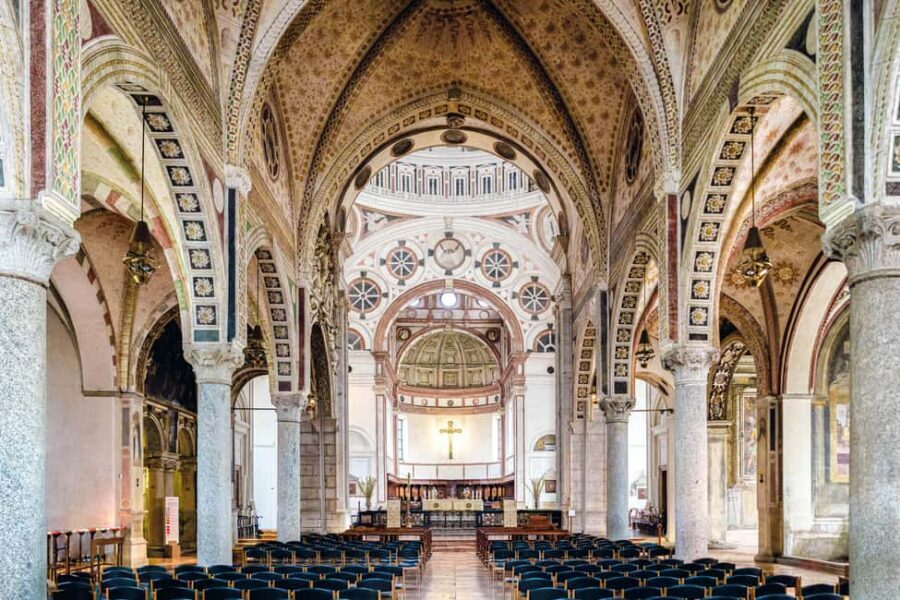
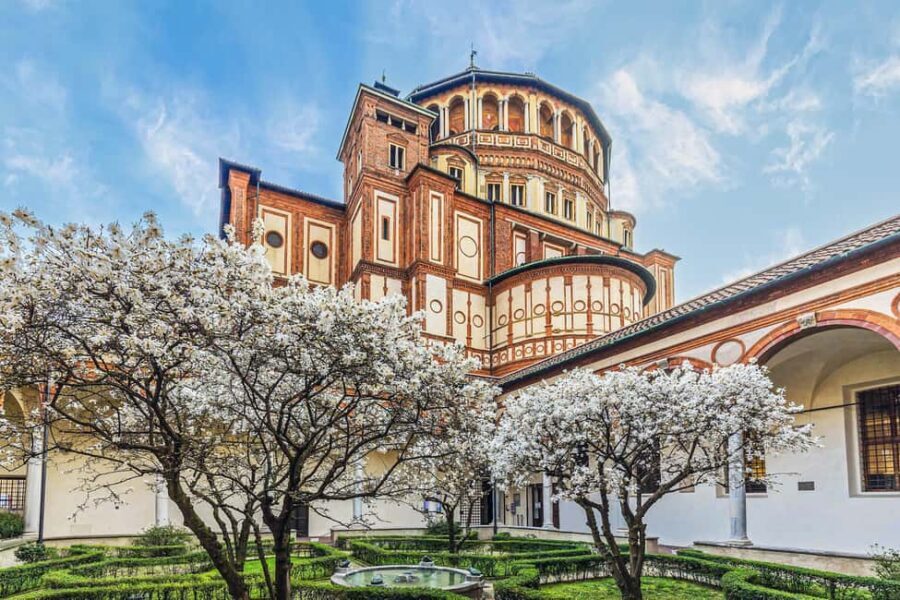
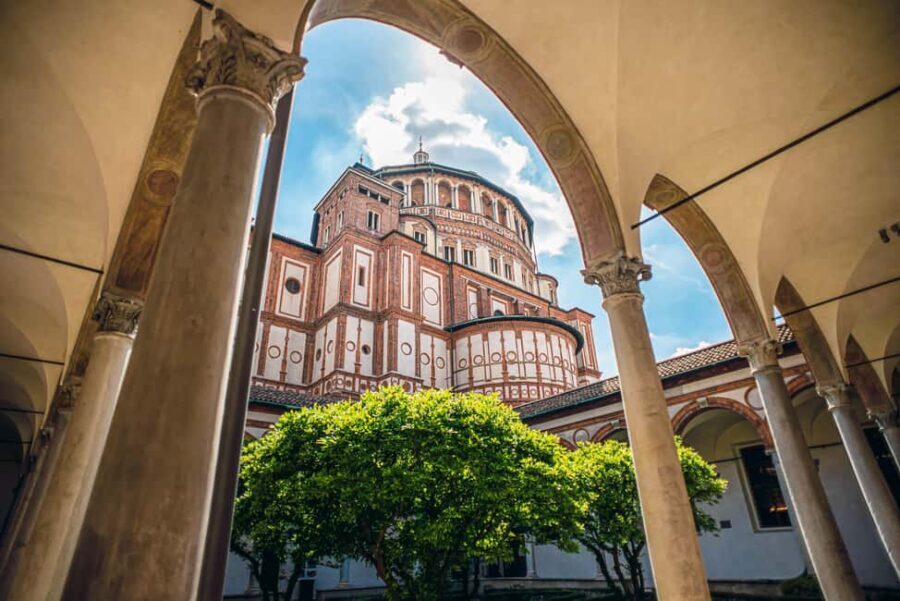
The Last Supper is housed in Santa Maria delle Grazie. That matters because frescoes don’t live in a vacuum. The room, the architecture, and the convent context are part of the experience.
I like tours that treat the setting as more than a corridor leading to the main event. You’ll step into the space and get transported back to 15th-century Milan, including the city’s political backdrop under Ludovico Sforza. It’s easier to feel the painting’s tension when you understand what was going on around it.
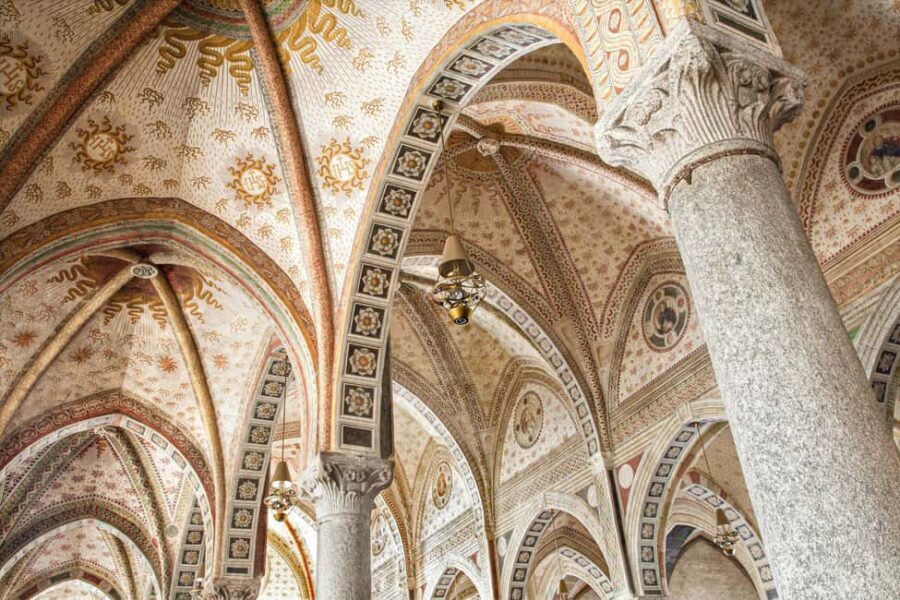
You’ll also get a sense of the refectory’s architectural presence. Even if you don’t consider yourself a design person, the building helps explain why this painting was made for this space in this era. One review specifically praised the architectural perspective, which tells me the guide can shape the experience depending on your interests.
One note to keep expectations realistic: due to religious events, the visit to the church isn’t always guaranteed. The Last Supper experience itself is still the core, but the full run of convent/church areas can vary day to day.
Getting into the refectory: what your one-hour tour actually feels like
The whole experience runs about 1 hour. That sounds short, and it is—but it’s not empty time. Think of it as structured pacing: meet, orient, move through the setting, and then hit the refectory when you’re scheduled.
What I find smart about this format is that it protects your energy. Instead of you guessing where to line up, how the entry process works, and what to look for first, you follow a plan. You get an explanation before you’re staring at the painting, which means your eyes arrive on the right mission.
The refectory moment
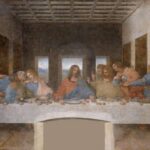
When you finally reach the painting, you don’t stay long. Again, it’s capped at 15 minutes inside. This is where the guide’s narration matters most. They help you scan the scene for structure, expressions, and the storytelling among the disciples.
Several reviews talk about symbolism and perspective—exactly the kind of framing that turns a famous image into a readable one. Guides have also used tools like tablets in some cases to highlight details. That can help you connect what you’re hearing with what you’re seeing, without you trying to track tiny visual cues on your own in a timed room.
After the painting
Even with limited time inside, the tour doesn’t feel like you vanish after a quick look. You usually get additional explanation that gives meaning to what you just saw: why this work mattered, how it’s been restored, and what changed over the centuries.
If you love conservation and restoration stories, you’ll likely enjoy this part. More than one review mentions hearing about conservation and restoration history in a way that makes the painting’s present-day condition feel understandable, not confusing.
Your guide matters: the difference between seeing it and understanding it
In a tour like this, the guide is not a bonus. They’re the engine.
Reviews named guides including Anton, Fiamma, Valentina, Marcella, Giorgio, Irene, and Edna as especially strong. The common thread: lots of energy, clear explanations, and a willingness to answer questions. Some also mentioned that English was very good, which isn’t guaranteed with every tour, so it’s worth appreciating.
One of the best practical benefits I see in these reviews is that guides can adapt their delivery. There’s even a mention of a guide being careful so a guest with cochlear implants could hear. That aligns with the tour including an audio system, which makes a real difference in a room where sound can bounce.
Another recurring theme: guides aren’t just reciting facts. They help you notice. Reviews specifically mention learning about each disciple as a character, and how later artists like Michelangelo used ideas from this kind of composition. Even if you don’t study art formally, this kind of commentary gives your brain an easy map.
The price: is $81 worth it?
At $81 per person for a 1-hour tour, it’s not the cheapest thing on your Milan list. But the question isn’t only cost. It’s what you’re buying.
You’re paying for:
- access to the Last Supper timed entry,
- a guided explanation in a tight schedule,
- an audio system to keep narration clear,
- plus the building context of Santa Maria delle Grazie.
Here’s the value logic that makes sense for most people: Last Supper tickets are notoriously hard to line up and easy to miss if your timing is wrong. This tour reduces the stress and increases your odds of getting the slot you want. If you’re the type who hates last-minute ticket juggling, the tour price can feel like a fair trade.
That said, one review called it a bit overpriced compared to other activities, which I understand. If you’re traveling with a very flexible schedule and are comfortable managing ticket access yourself, you might feel like you’re paying mainly for convenience.
My practical take: this is worth it if your time in Milan is tight and you care about understanding what you’re seeing, not just checking a box.
What to bring (and what to wear) so you don’t get stuck
This visit is managed like a serious site, not a casual walking tour. You’ll want to plan ahead so entry is smooth.
Bring
- Passport or ID card. You’ll need it for your ticket.
Dress expectations
The rules mention:
- short skirts and sleeveless shirts are not allowed.
So choose something that keeps you comfortable but also meets the site’s dress code. If you’re unsure, cover up. It’s not the time to test boundaries.
What you should not bring
- food and drinks
- luggage or large bags
- weapons or sharp objects
- flash photography
- backpacks
Good news: small lockers are available at the ticket office for storing items. That’s useful if you’re carrying a day bag and want to avoid dealing with it in the flow of entry.
Photography rule
Flash photography is not permitted. Regular photos might be restricted by the venue’s general rules, but the key point you can bank on from the provided information is that flash is a no.
Where the experience can feel short or imperfect
No tour is perfect. A few small issues show up, and they’re worth knowing before you go:
- You’re inside a room for a limited time. That’s the big one. If you need long visual processing time, this might feel rushed.
- Communication quality varies by guide. One review mentioned an accent that was hard to understand at times.
- Entry-day pacing can include a bit of waiting outside before you go in. One review said the beginning felt too long standing outside.
- Due to the church timing tied to religious events, you might not always get the church visit portion.
Also, one review mentioned that the museum staff (not the tour guide) felt curt during interactions. That’s not something you can solve in advance, but it’s a reminder to keep your patience when you’re dealing with tightly managed venues.
Who this tour is best for (and who might skip it)
This is a strong fit if you:
- want timed access and a guide to steer your eyes,
- care about the meaning and symbolism behind the disciples and composition,
- like the idea of hearing about restoration and conservation, not just biography,
- are traveling with limited time and want Milan’s top art stop handled in an organized way.
You might consider skipping or adjusting expectations if you:
- prefer long free time in museum settings,
- plan to spend your visit purely by taking your own notes without a guide’s direction,
- feel strongly that any paid tour is automatically too expensive versus DIY travel.
Should you book Leonardo Da Vinci’s Last Supper Guided Tour?
I’d book it if you want the highest chance of a smooth entry and a better view experience in the time you have. The tour price makes more sense when you treat the fee as paying for timed access plus expert guidance in a room with strict limits.
If you’re on the fence, use this simple decision rule: if Milan is a quick stop for you and you want the Last Supper to feel readable—not just famous—this guided format is the safer bet.
If you want a great-looking but fast photo, DIY might work. If you want an experience that helps you understand why this fresco became a giant, guided is the smarter play.