You control your own pizza in Milan. This hands-on class with Armando is built around making dough from scratch and learning how pizza changes across Italy, not just copying a recipe. I love the private feel of being taught with your group only, and I love that ingredients, drinks, and equipment are included so you can focus on learning the technique.
One possible drawback: the studio setup is on the small side and a bit outside the center. If you want a big, showy venue, this is more like a comfortable working kitchen than a sightseeing stop.
In This Review
- Key points to know before you go
- Pizza in Milan, but Make It Practical
- Via Collecchio Meet-Up and the Small-Group Kitchen Vibe
- Who’s the Teacher, and Why Armando’s Style Works?
- Pizza Talk First: Types, Traditions, and Real Italian Differences
- From Dough to Fluffy Bread: What You’ll Actually Do
- The Bake-and-Eat Part: Wine, Soft Drinks, and Your End Result
- What’s Included (and Why That Changes the Value)
- Location vs. City Sights: How to Fit This Into Your Milan Day
- Who Should Book This Pizza Class (and Who Might Not Love It)
- Should You Book Mamma Mia! Make Your Own Italian Pizza in Milan?
- FAQ
- How long is the pizza-making experience in Milan?
- Is this experience private?
- What language is the class offered in?
- What’s included in the price?
- Do I need to bring cooking tools or ingredients?
- Where does the experience meet?
- Can I get a full refund if I cancel?
Key points to know before you go
- Group-only teaching with a max of 15 keeps the class friendly and practical
- Everything is included: ingredients, equipment, pizza, and your Italian wine or soft drink
- You’ll learn dough skills for fluffy bread-style texture, not just assembly
- Armando shares pizza facts and Italian food context while you cook
- Hands-on baking and eating right after makes the lesson feel complete
- Playful do’s and don’ts pop up in the best way, including a strong no-pineapple message
Pizza in Milan, but Make It Practical
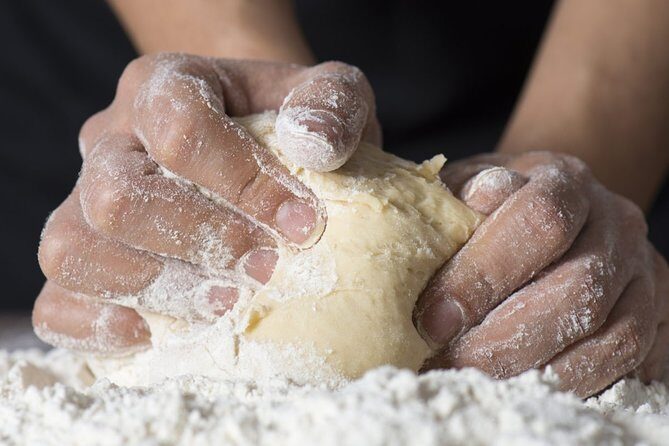
Milan is full of great food, but this experience is different because it gives you the process. You’re not just tasting pizza. You’re learning how the dough comes together, how kneading affects the texture, and how baking turns that work into something you can actually recreate later.
The best part is the structure. You get a mix of local food talk and step-by-step cooking. Armando keeps it relaxed and funny, so even if your dough skills are shaky, you’re still moving forward and ending with pizza you can be proud of.
You can also read our reviews of more tours and experiences in Milan.


Via Collecchio Meet-Up and the Small-Group Kitchen Vibe
The class meets at Via Collecchio, 20148 Milano, and it ends back there. It’s near public transportation, which matters because you’re going to be hungry and you’ll want an easy return to your day.
You’ll be in a group of up to 15 people, but the teaching is your group only—so it doesn’t feel like you’re one face in a crowd. That small-group size helps with attention during the kneading and shaping steps, where questions actually matter.
And yes, the studio is a real working space. One review described it as tiny and simple. That can be a plus if you like authenticity, but it’s not the place to expect luxury or lots of extra lounging space.
Who’s the Teacher, and Why Armando’s Style Works?
This is the kind of class where the host can make or break the experience, and Armando lands on the helpful, entertaining side.
Across feedback, the pattern is clear: Armando explains clearly, teaches hands-on, and also brings in Italian food culture while you work. People mentioned learning fun Italian phrases and signs too, which is a bonus if you like walking away with something you can use right away.
There’s also a sense of warmth. Several people noted that Armando makes you feel right at home and that the group atmosphere turns strangers into conversational partners while you cook.
Pizza Talk First: Types, Traditions, and Real Italian Differences
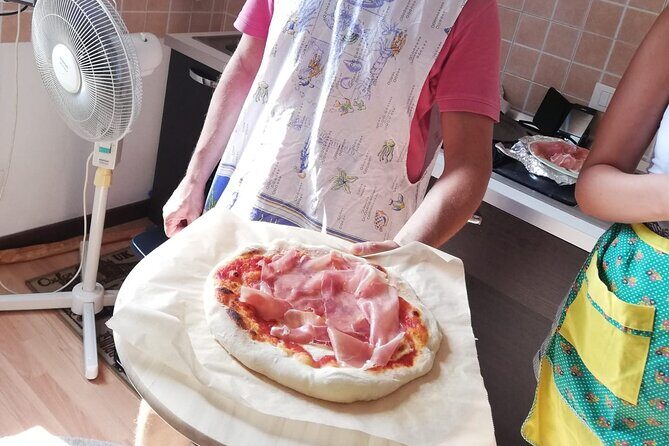
Before you start mixing, you get a quick education. Armando explains differences between pizza types and shares how Italian cuisine varies around Italy. That matters because most people in other countries think of pizza as one thing. Here, you start seeing it as a style shaped by region, dough habits, and expectations.
You might also hear strong opinions presented in a joking, friendly way—especially the no-pineapple rule. It comes up more than once, and it’s usually delivered like a lesson, not a lecture. The takeaway is simple: traditional pizza has standards, and understanding them helps you cook more confidently.
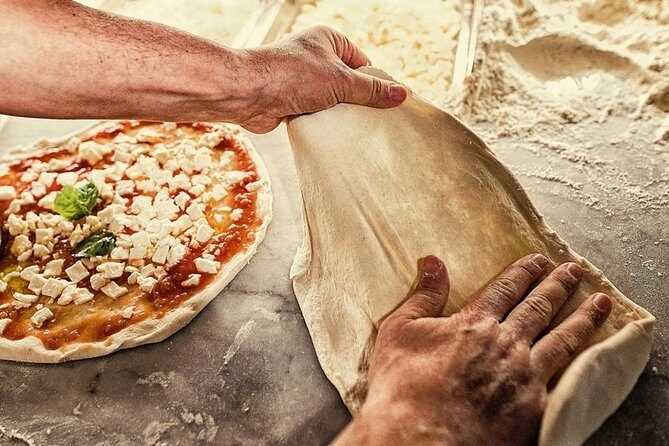
Some sessions focus on a traditional-style pizza like a Napoleon pizza. Even if the exact pizza style changes, the underlying skills—dough handling and baking logic—are the real value.
From Dough to Fluffy Bread: What You’ll Actually Do
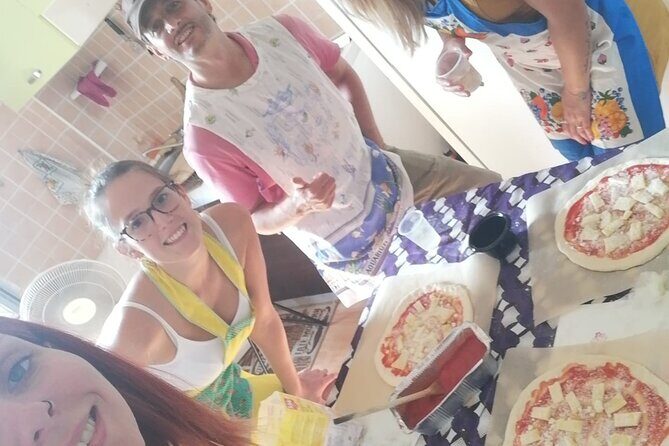
This is where you get your money’s worth: the hands-on dough work.
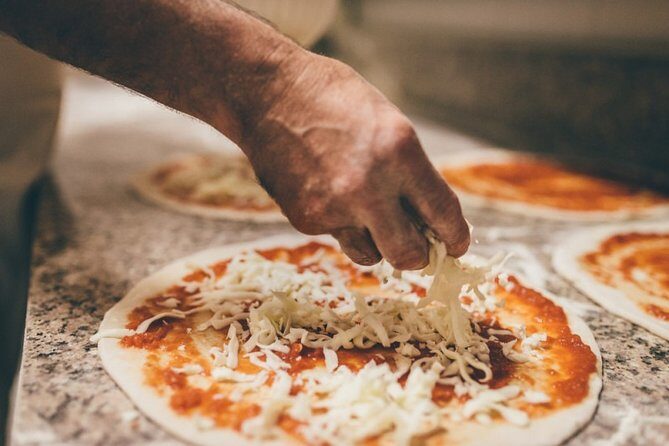
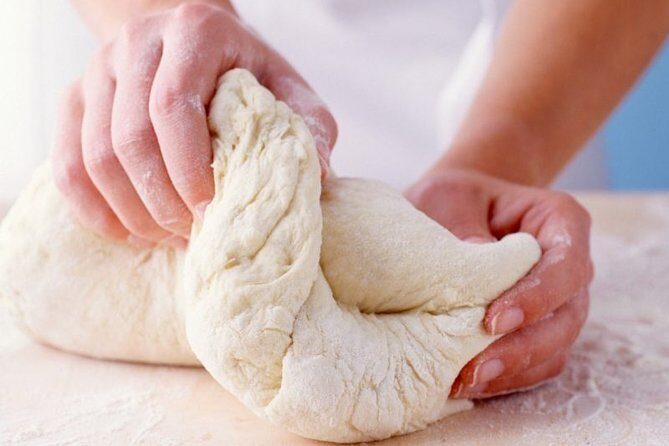
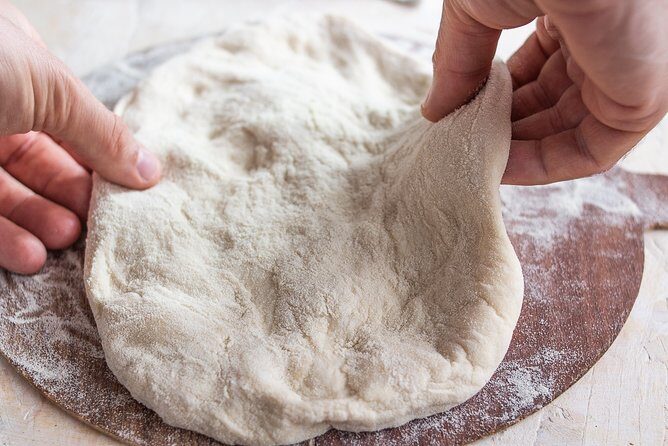
You’ll mix your dough, knead it like a pro, and bake it to perfection. Reviews highlight that people leave knowing how to make great pizza dough and how to improve their crust at home. That’s exactly the skill most cooking classes skip. You don’t just get a finished meal; you get a repeatable method.
Kneading is the key step. It affects how the dough stretches and how the texture develops in the oven. Armando’s teaching style means you’re not stuck watching. You’re working, and if your dough feels too sticky or too stiff, you can adjust with guidance.
You also get single-use gloves and all necessary equipment. That removes a common frustration: you don’t have to guess what tools you’ll need or bring anything from home.


The Bake-and-Eat Part: Wine, Soft Drinks, and Your End Result
Once the cooking starts, the payoff is right after. You’ll sit back and enjoy what you made, plus a glass of wine.
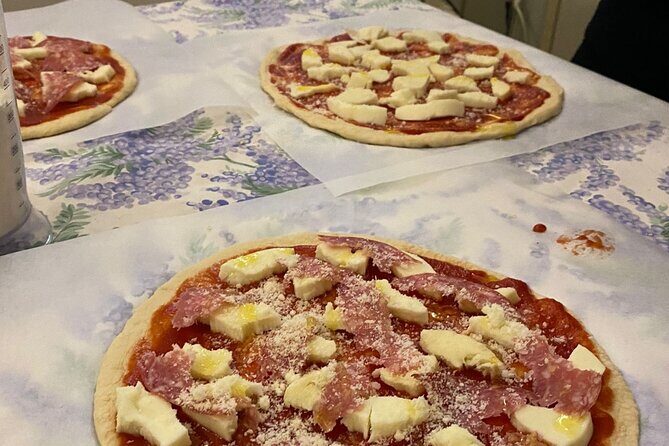
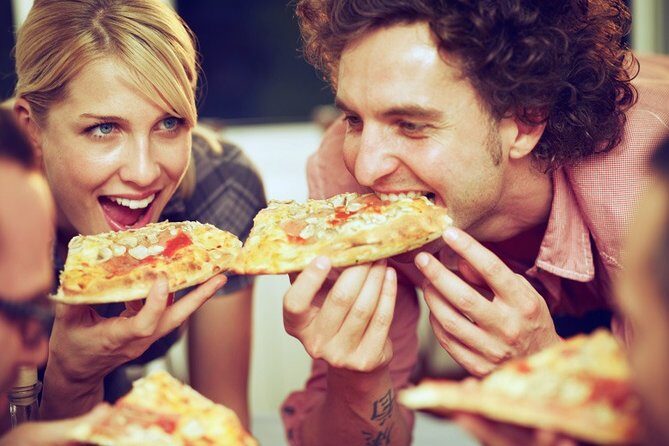
The sample menu includes pizza of your choice among types, and Italian wine or soft drinks. Bottled water is also included. In other words, you’re not just cooking in a vacuum—you’re tasting the result and pairing it with a drink that fits the meal.
One review said everyone had no limit wine during the meal. That isn’t spelled out in the core inclusions list, but the experience is clearly set up around wine as part of the dining. If you want water early, it’s smart to ask on arrival. One response from Armando even suggests asking for water if needed.
What’s Included (and Why That Changes the Value)
Let’s talk value, not just cost.
You pay $76.19 per person for about 2 hours, and what you’re really buying is:
- Dinner and lunch (the class is organized around eating what you make)
- Alcoholic beverages in the form of Italian wine, plus soft drinks as an option
- Bottled water
- Single-use gloves
- All necessary equipment to cook your own pizza
In plain terms: you’re not paying extra for ingredients or tools. That’s a big difference from some food experiences where you do a small tasting and the rest is on you.
It also changes the kind of time you get. Because everything is included, the session stays focused on learning and eating, instead of shuffling between purchases and logistics.
Location vs. City Sights: How to Fit This Into Your Milan Day
This class runs roughly 2 hours, and it’s set in a real studio on Via Collecchio. It’s not described as being in the most central sightseeing pocket, so plan it like a destination experience.
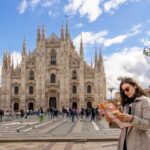
If you’re doing a heavy schedule with Duomo and museums, this can still work—just don’t stack it so tightly that you arrive rushed. You’ll want a calmer start so you can enjoy the lesson and not feel flustered during dough prep.
It’s a great option for:
- Couples who want a shared activity and a meal you made together
- Small groups who like practical fun over passive tours
- Families with kids who enjoy hands-on cooking, based on feedback mentioning grandchildren having a great time
Who Should Book This Pizza Class (and Who Might Not Love It)
Book it if you want skills. The big promise here is that you learn dough technique and baking habits, so you can make better pizza at home. The best reviews focus on learning the process, not just eating pizza.
You might skip it if:
- You prefer sightseeing over hands-on activities
- You dislike small, simple indoor spaces
- You want a long, multi-stop tour day rather than a single kitchen experience
Should You Book Mamma Mia! Make Your Own Italian Pizza in Milan?
If you like food that comes with a method, this is an easy yes. You get private group-only teaching, you cook with included ingredients and equipment, and you eat your results with Italian wine or soft drinks. For $76.19 in about 2 hours, the value comes from the full loop: learn, bake, taste, and take home the know-how.
My call: if you’re in Milan for more than a couple days and want one memorable hands-on night (or afternoon), book it. Just go with the mindset that it’s a small working studio focused on pizza skills, not a big production.
FAQ
How long is the pizza-making experience in Milan?
The class lasts about 2 hours.
Is this experience private?
It’s taught as a private experience—you’ll be taught in your group only. The activity has a maximum of 15 travelers.
What language is the class offered in?
It’s offered in English.
What’s included in the price?
You’ll get dinner and lunch, Italian wine (and soft drinks), bottled water, single-use gloves, and all the necessary equipment to cook your own pizza.
Do I need to bring cooking tools or ingredients?
No. The experience includes the equipment you need, plus gloves and all necessary ingredients for your pizza.
Where does the experience meet?
It starts at Via Collecchio, 20148 Milano MI, Italy, and ends back at the meeting point.
Can I get a full refund if I cancel?
Yes, free cancellation is available. You can cancel up to 24 hours in advance for a full refund.