REVIEW · MILAN
Milan: Entrance Ticket to La Scala Theatre Museum
Book on GetYourGuide →Operated by Vivaticket SPA Teatro Alla Scala · Bookable on GetYourGuide
La Scala’s museum is opera history with your feet on the floor. This ticket brings you into the iconic La Scala complex to study costumes, instruments, and the room where famous voices once filled the air. You also get a chance to look into the theatre itself, so the visit feels tied to real productions rather than just pictures.
I especially like the La Scala Theatre interior moments—even a limited view makes the building feel alive. I also love how the museum doesn’t stay abstract, with props like costumes, set designs, and musical instruments that explain what opera production looks like up close.
The main thing to consider is that what you can see inside the theatre can vary depending on what’s happening on-site, like rehearsals. If you’re set on the broadest views, pick your time carefully and plan around theatre lighting for the best visibility.
In This Review
- Key things to know before you go
- Your $17 ticket: museum + theatre atmosphere in one stop
- Getting there and keeping your day smooth (bags, entry, timing)
- What you’ll see inside: costumes, sets, instruments, and portraits
- Your theatre view: how to maximize what you can see
- Rehearsals and what they can mean for your visit
- Why the museum detail matters (it’s not just sightseeing)
- The early years and standout performances: what you’re really learning
- Accessibility and stroller-friendly planning
- Practical value checklist: is this a good use of a Milan day?
- Quick FAQ for planning
- FAQ
- How much does the La Scala Theatre Museum ticket cost?
- How long is the ticket valid?
- Does the ticket include an audio guide?
- Will I be able to skip the ticket line?
- What’s included with the entrance ticket?
- Can I cancel if plans change?
- Is it wheelchair accessible?
- Are strollers allowed?
- Are large bags or luggage allowed inside?
- Should you book this La Scala Theatre Museum ticket?
Key things to know before you go
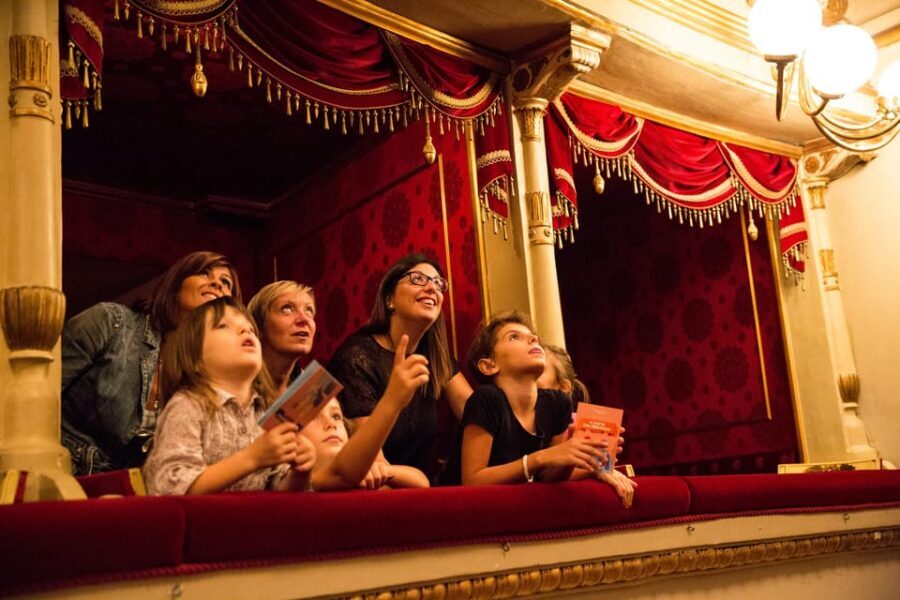
- The theatre view is the value driver: plan your timing for the best look into the auditorium
- 7-language audio guide: download it on-site to keep you moving at your own pace
- Production artifacts matter: costumes, set designs, and instruments connect the museum to real staging
- Portraits and busts add context: you see the faces behind the names tied to La Scala
- No large bags: use the cloakroom so your visit doesn’t get awkward at the entrance
- Theatre lighting affects visibility: check the official visibility guidance before you arrive
Your $17 ticket: museum + theatre atmosphere in one stop
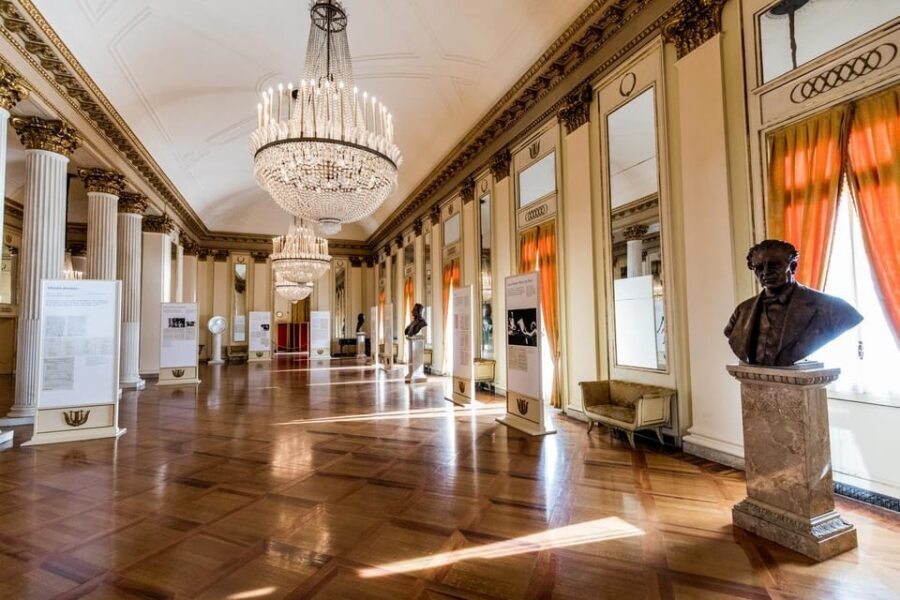
At about $17 per person, this ticket is a good deal for Milan if you want more than a standard museum walk-through. You’re not only buying access to galleries—you’re also buying the chance to connect artifacts to the space where performances happen.
La Scala is one of those places where scale matters. Even if you’re not attending an opera or ballet that day, the museum visit helps you understand how productions take shape, from sound and music to staging and costume work.
And the location is a major practical win. It’s steps away from Milan’s Duomo area and the Vittorio Emanuele Gallery, so you can pair it with an afternoon strolling plan without burning time on transport.
You can also read our reviews of more tours and experiences in Milan



Getting there and keeping your day smooth (bags, entry, timing)
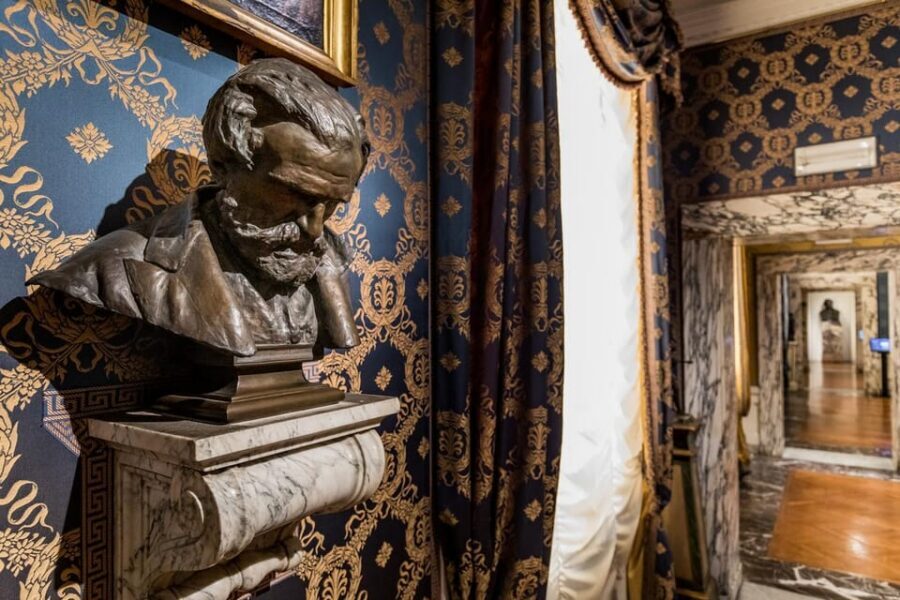
La Scala Theatre Museum is part of the Teatro alla Scala site, so you’ll find it in central Milan. Expect it to be easy to reach on foot from nearby sights in the same historic core.
Before you go, note the bag rule. Luggage or large bags are not allowed, and large backpacks must be checked into the cloakroom. If you’re traveling with a bigger daypack, arrive with enough time to deal with it without rushing.
This ticket also includes the option to skip the ticket line. That matters in Milan, where you can lose precious daylight standing in queues.
Timing is the other key. Your ticket is valid for one day, and you should check availability to see starting times. If you care about seeing the theatre clearly, choose a time that matches the on-site visibility conditions (more on that below).
What you’ll see inside: costumes, sets, instruments, and portraits
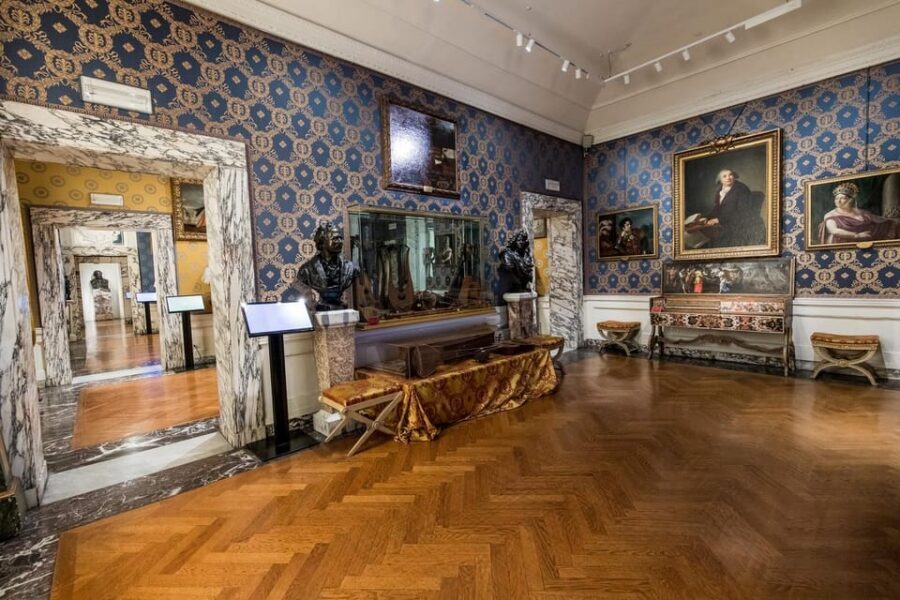
The museum experience starts with the theatre atmosphere and carries into curated areas focused on productions and performers. You’ll get a guided-style audio flow via an app audioguide in 7 languages, downloadable at the museum. That’s a nice touch because you can pause, re-listen, and move at a comfortable pace instead of being pushed along.
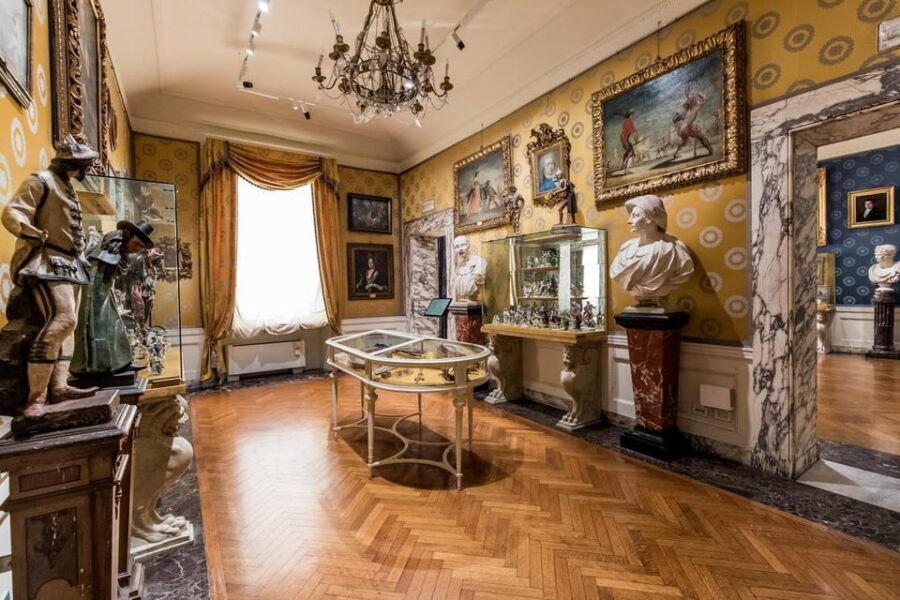
Then the real value shows up in the production objects. You’ll see costumes and set designs tied to major moments in La Scala’s story. You’ll also come across musical instruments, which helps you picture how the sound world of opera is built.
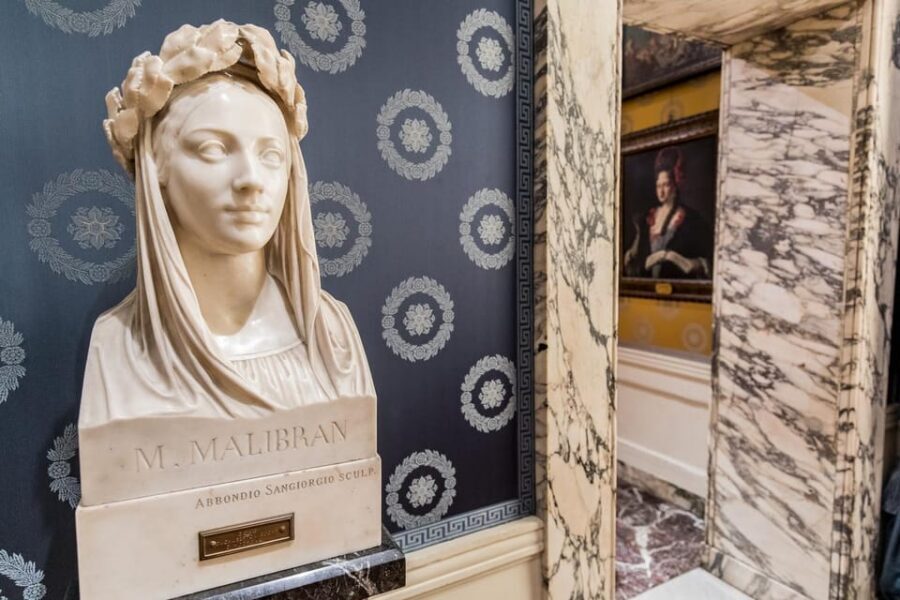
The museum also includes a gallery of portraits and busts representing major musicians. It’s more than a wall of names. Seeing the visual presence of the people linked to La Scala helps the names you’ve heard in opera circles feel more specific and grounded.
Your theatre view: how to maximize what you can see
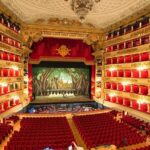
The ticket’s headline feature is not just the exhibits—it’s the chance to look into the theatre space. Several people focus on this as the highlight, especially on days when visibility into the auditorium is strong.
Here’s the practical approach I’d follow if you want the best chance of a good view:
- Check the official guidance on theatre lighting for visibility before you arrive. There’s a specific page for this, and it’s worth reading. (Link: https://www.museoscala.org/it/visibilita-teatro.html)
- Choose a starting time when you can stay flexible and not rush your museum pacing. You want time to find the viewing area(s) you’re allowed to use.
One important consideration: access to certain theatre viewpoints can be different depending on what’s happening inside, like rehearsals. That doesn’t make the ticket less worthwhile—it just means you should go in with realistic expectations and aim for the lighting-focused timing advice.
Rehearsals and what they can mean for your visit
La Scala is a working theatre. On some days, you may encounter rehearsal activity, which can change what’s accessible or what you can see.
A rehearsal can be a bonus. When the theatre is active, the experience can feel less like history behind glass and more like a living craft in progress.
But it can also limit how much of the main auditorium you can access. If you’re hoping for a very specific viewpoint, build in a little flexibility and use the theatre visibility tip to improve your odds.
If you visit when there aren’t live performances happening, you can still learn the context through visual materials inside the museum. You’ll find videos and picture-style interpretation that helps you connect the artifacts to what opera staging actually looks and feels like.
You can also read our reviews of more museum experiences in Milan





Why the museum detail matters (it’s not just sightseeing)
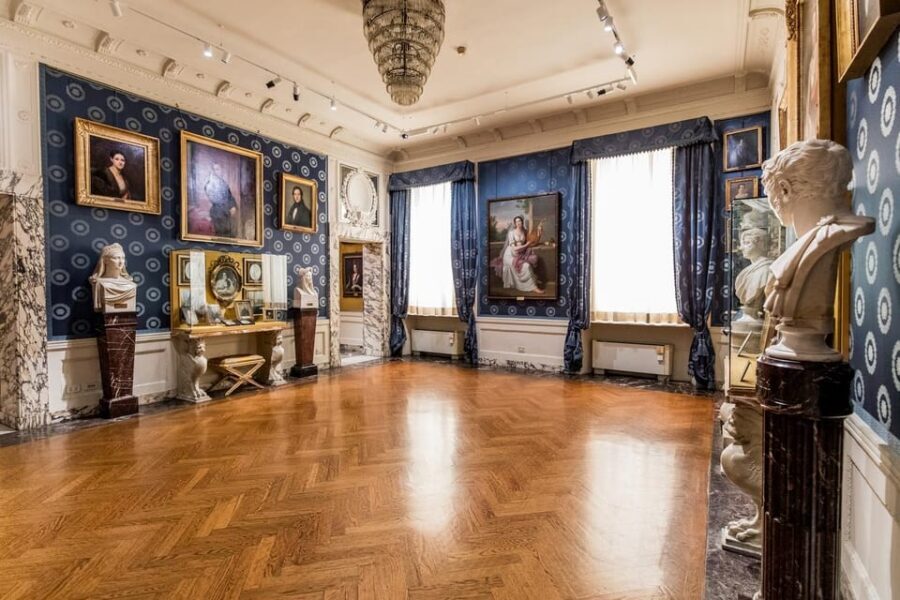
Lots of museums show famous names. La Scala’s museum is more useful because it explains how opera becomes a performance.
The museum’s mix of artifacts (costumes and sets) plus musicians’ portraits plus instruments gives you a full loop: who, what, and how. It helps you understand that opera is a huge collaboration, not just a singer at a microphone.
That’s especially helpful if you don’t know your way around opera history. Even if you’ve only heard a few composers—like Giuseppe Verdi, Gioachino Rossini, or names associated with La Scala—you’ll see how La Scala’s stage shaped the cultural footprint of those composers and performers.
The early years and standout performances: what you’re really learning
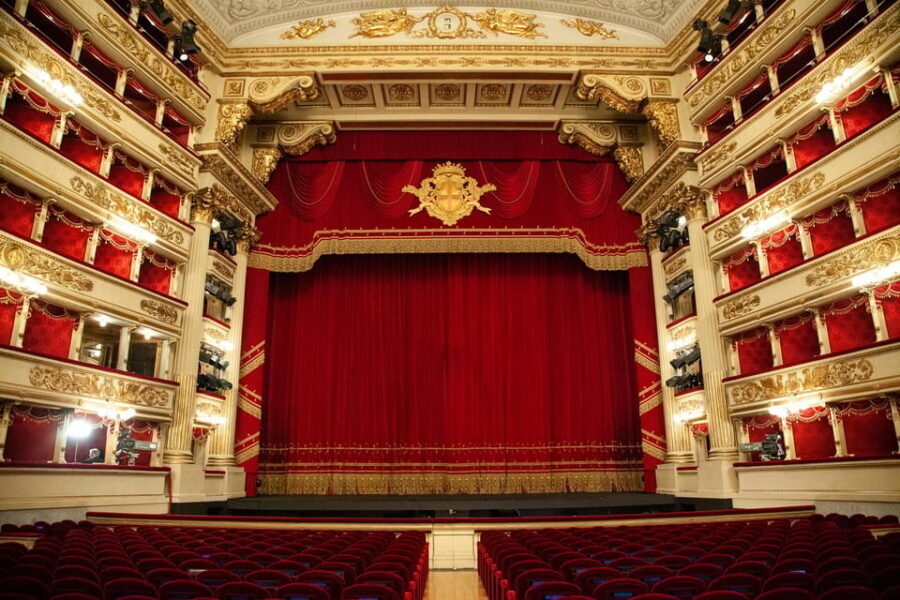
The museum covers La Scala’s early years and memorable moments across time. You’ll walk through the story not as a dry timeline, but as a series of production and performance highlights.
It’s here that the theatre view and the museum objects work together. Looking at costumes or set elements after you’ve learned about the early years and notable performances helps you connect the dates to real staging decisions.
You’ll also encounter references tied to famous figures associated with La Scala’s legacy, including Giuseppe Verdi, Gioachino Rossini, and Luciano Pavarotti. Maria Callas is also highlighted among the best-known names in the museum’s presentation.
Accessibility and stroller-friendly planning
If you need wheelchair access, this site is listed as wheelchair accessible, and the theatre and museum are also accessible to strollers.
I’d still keep one practical mindset: treat it like an indoor museum with theatre spaces. That means you’ll want to move at a steady pace, avoid tight turns with wider strollers, and let staff guide you where needed if access changes based on theatre activity.
Practical value checklist: is this a good use of a Milan day?
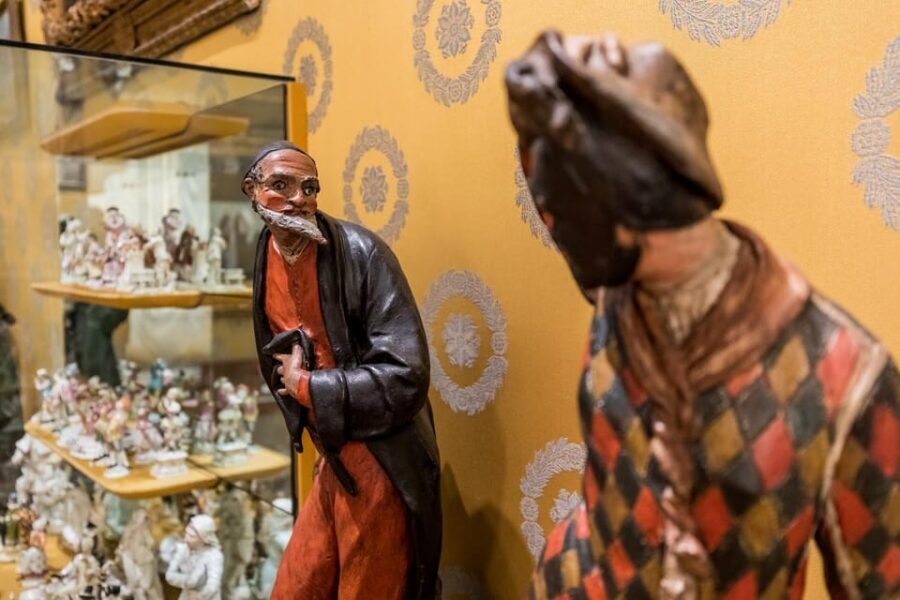
If you like classical music history, theatre architecture, or behind-the-scenes craft, this ticket is a strong fit. It’s also ideal if you’re visiting Milan outside the opera season or on a day when you can’t attend a performance.
Here’s how I’d judge the value for your specific trip:
- Worth it if you want a theatre-centered visit without buying an opera ticket
- Worth it if you enjoy hands-on context like costumes, instruments, and sets
- Less ideal if you only care about seeing the theatre from one exact angle, no matter what
At $17, you’re paying for two things: museum artifacts plus a theatre view chance. For many people, that combination is the sweet spot.
Quick FAQ for planning
FAQ
How much does the La Scala Theatre Museum ticket cost?
The price listed is $17 per person.
How long is the ticket valid?
The ticket is valid for 1 day. You’ll need to check availability to see the starting times.
Does the ticket include an audio guide?
Yes. It includes an app audio guide in 7 languages, available to download at the museum.
Will I be able to skip the ticket line?
Yes, this ticket includes skip-the-ticket-line access.
What’s included with the entrance ticket?
You get entrance to the museum exhibits and access to the museum’s areas associated with the theatre.
Can I cancel if plans change?
Yes. Free cancellation is available up to 24 hours in advance for a full refund.
Is it wheelchair accessible?
Yes. The theatre and museum are wheelchair accessible.
Are strollers allowed?
Yes. The theatre and museum are accessible to strollers.
Are large bags or luggage allowed inside?
No. Luggage or large bags are not allowed, and large backpacks must be checked into the cloakroom.
Should you book this La Scala Theatre Museum ticket?
Yes—if you want the most direct way to connect opera history to the actual La Scala stage, this is a smart use of time. The combination of museum artifacts (costumes, sets, instruments, portraits) and a theatre look is what makes the ticket feel worth the money.
Book it if your schedule allows you to be thoughtful about timing and visibility. Use the theatre lighting guidance before you go, and treat rehearsals as a possible variable that can affect what you see.
If you tell me what day/time you’re visiting Milan and whether you’re traveling with a large bag, I can help you pick a strategy to maximize your theatre view.