REVIEW · MILAN
Milan: Italian Cooking Class with Food and Wine
Book on GetYourGuide →Operated by CHEF AND THE CITY · Bookable on GetYourGuide
Fresh pasta, learned fast. In Milan’s Chef and the City kitchen, you’ll cook 3 traditional dishes with an Italian chef, then sit down to eat what you made with wine. I especially like the hands-on focus on fresh pasta techniques, not just watching a demonstration, and you leave with recipes you can actually follow at home. The main catch is the professional kitchen rules, like no tasting while cooking and no drinks/food at your station.
You’ll likely hear stories and technique tips from the instructors who lead the classes, often including Chef Ilaria (and sometimes instructors like Klara and Fernando depending on the date). The vibe stays friendly and social, so it doesn’t feel stiff even when you’re working in a working lab.
One thing to consider before you book: it’s not wheelchair accessible, and it’s not suitable for children under 10. If you need a very relaxed pace or have mobility limits, you may want to choose a different kind of Milan food experience.
In This Review
- Key things I’d plan for
- Entering Chef and the City: easy to spot, street-level, hands-on
- The 3-hour rhythm: from antipasti snacks to your own dinner table
- Fresh pasta basics you’ll actually remember: from dough feel to shapes
- Beyond pasta: sauces, focaccia, and Italian comfort with a lighter touch
- The shared meal in the dining room: where cooking class turns into a real dinner
- Chef Ilaria and the teaching style: why this class feels fun, not stiff
- Recipes you take home: built for real home cooking
- Price and value in Milan: is $80 worth it?
- Practical stuff that will save you stress on the day
- Who should book this Milan cooking class (and who shouldn’t)
- Should you book Chef and the City in Milan?
- FAQ
- How long is the Milan Italian cooking class?
- What does the $80 price include?
- What dishes will I cook?
- Where do I meet the chef?
- Is the class wheelchair accessible?
- Are children allowed?
- Is smoking or bringing pets allowed?
- What if I have dietary restrictions?
- What’s the cancellation policy?
- Is there an option to reserve without paying immediately?
Key things I’d plan for
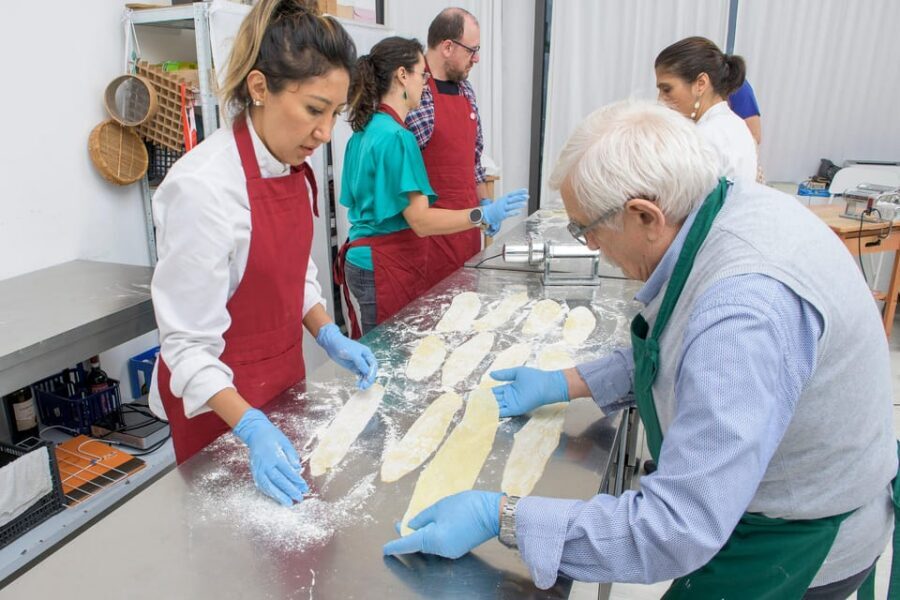
- 3 dishes in 3 hours: you cook from scratch in a tight, well-run schedule
- Real pasta skills: you may shape tagliatelle, gnocchi, or ravioli (and learn how dough should feel)
- Waste-free, health-forward cooking: you’ll focus on using ingredients well instead of piling on excess
- Chef-led technique, then shared meal: you work, rest briefly, and then dine as a group
- You get the recipes: useful for recreating the sauces and final dishes later
- Professional kitchen rules: no tasting while cooking, and no large bags or luggage
Entering Chef and the City: easy to spot, street-level, hands-on
Chef and the City is a street-level spot with three big windows and three red signs on top, with the name Chef and the City. When you arrive, ring the bell at the main window door. It’s the kind of setup that feels like you’re stepping into a working studio, not a tourist trap in a kitchen-themed storefront.
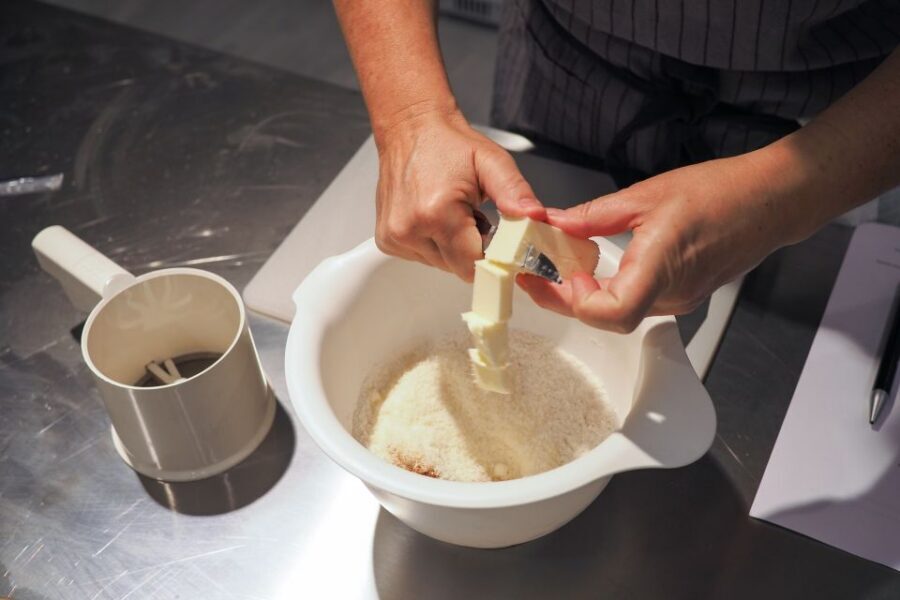
That matters because you’re going to be working at a personal station. The class includes cooking tools, gloves, and aprons, so you’re not hunting for equipment or worrying about basics. You also get a clear sense that this is production-style cooking: organized counters, prep areas, and a rhythm designed for learning without wasting time.
You can also read our reviews of more food & drink experiences in Milan


The 3-hour rhythm: from antipasti snacks to your own dinner table
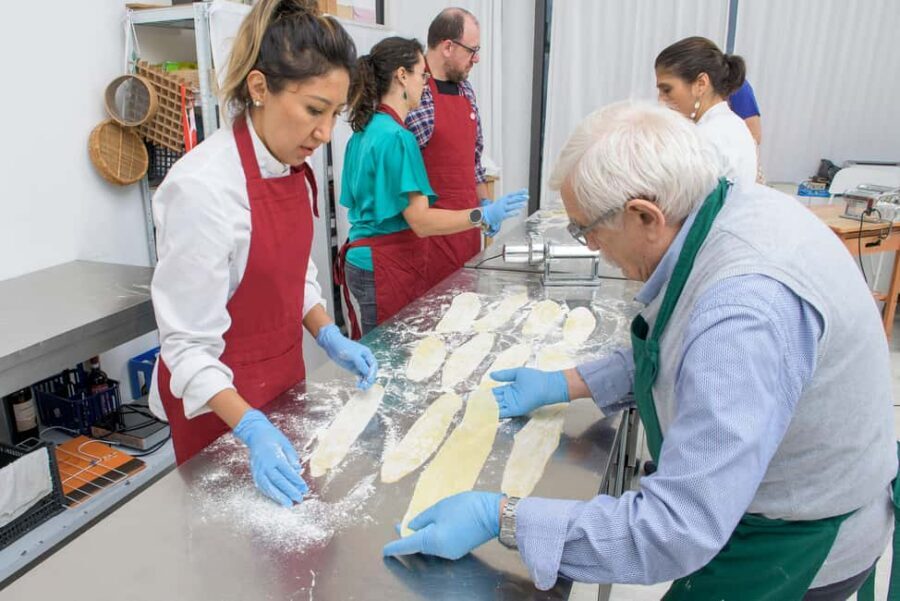
This workshop is built around a simple idea: you learn by doing, then you eat together. In practice, that means your time is chunked into short phases—prep, cook, brief breaks with snacks and drinks, and then the group meal.
Before the main cooking starts, you’ll get light snacks like cheese, dry tomatoes, mortadella, and olives. You might also see small sweet bites offered during breaks (cookies, biscuits, candies) with coffee, tea, infusions, and water. The goal here is to keep energy up while you’re working with dough and sauces, which can take patience even when you’re not doing everything from scratch at home.
Then you roll into the core lesson: you’ll work at your desk while the chef guides you through making your 3 traditional dishes. You’ll have moments to ask questions, and the best part is that the class doesn’t end when your hands get tired. It ends at the dining table, with wine and conversation while you eat the results of your work.
Fresh pasta basics you’ll actually remember: from dough feel to shapes
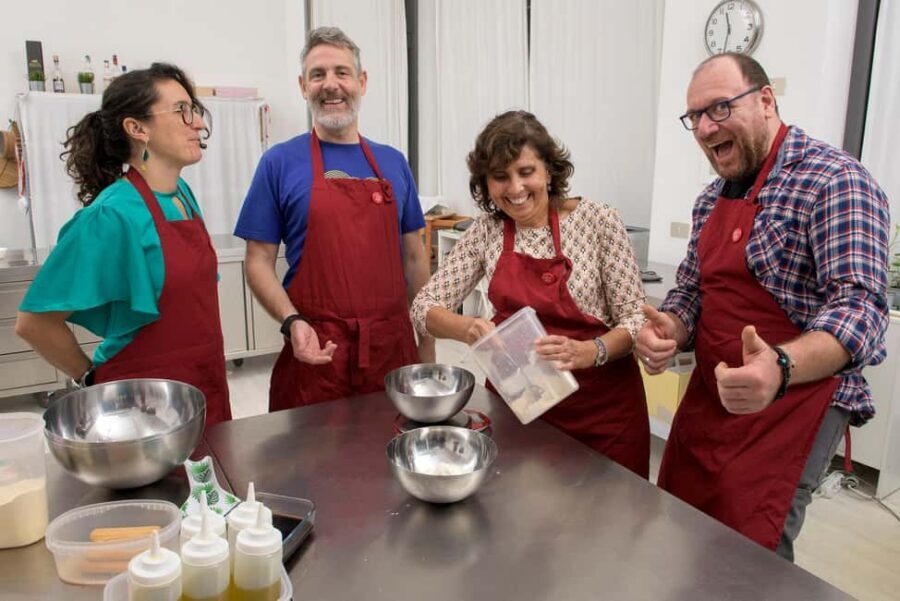
Fresh pasta is usually the star in this Milan cooking class, and the class is set up to teach you the mechanics rather than just the final look.
You can expect to make fresh pasta from scratch, and the exact shapes may vary by class. Examples mentioned include tagliatelle, gnocchi, ravioli, and also the use of sauces like cacio e pepe and ragu’. One review also mentions making pasta shapes with a pasta machine, which is helpful if you’ve never used one and want to learn how the dough behaves as it’s rolled out.
What you’re really learning is transferable technique:
- How dough should feel before it’s ready to roll or cut
- How to shape pasta so it holds sauce properly
- How to stay consistent with portions so it cooks evenly
Even if you’re a beginner, you don’t need to be a whiz. The teaching style reported in the reviews is clear and step-by-step, and instructors are known for correcting mistakes during the process. I like this approach because it gives you confidence. You’re not just collecting recipes; you’re building a repeatable method.
Beyond pasta: sauces, focaccia, and Italian comfort with a lighter touch
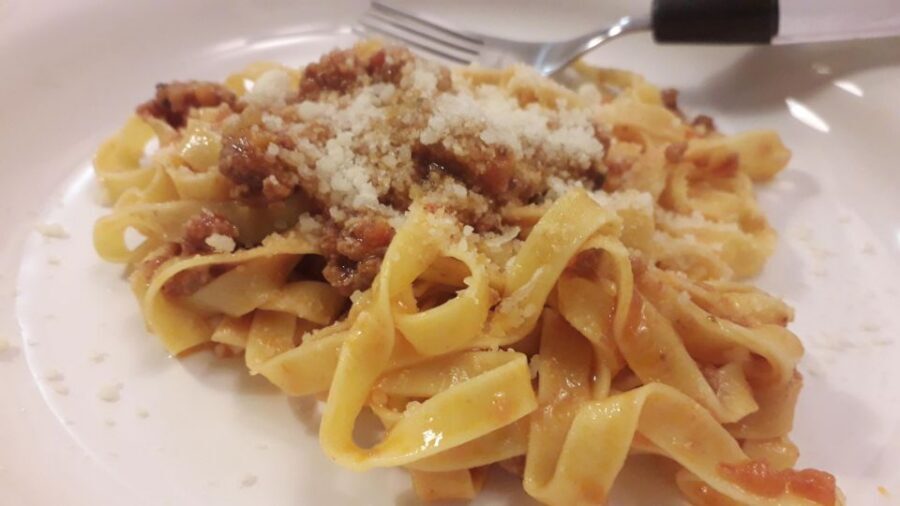
The class isn’t only about dough. You’ll also work on components that make the whole meal feel like proper Italian food.
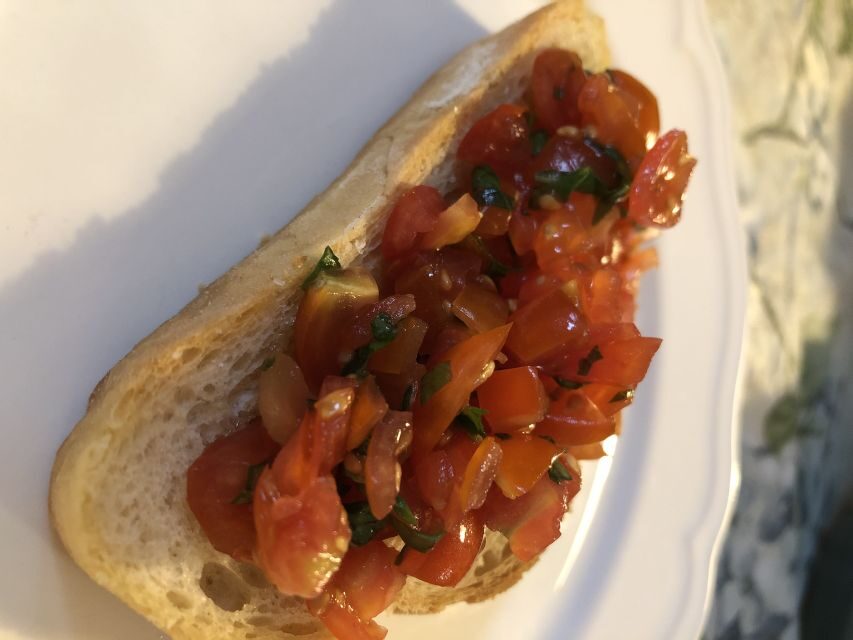
Depending on the class day, the menu may include items like:
- focaccia
- eggplant parmigiana
- bruschetta
- ravioli paired with classic sauces
- a dessert such as tiramisù
A big theme here is healthy, waste-free cooking. That shows up in how dishes are built: you work with what’s on hand, you learn how to balance flavors, and you avoid heavy shortcuts that can turn a cooking class into a sugar-and-fat festival.
One small but practical detail I’d pay attention to: sauces can take time at home. That’s not a deal-breaker; it’s actually where the recipe pack becomes valuable. Some classes include prep support like providing sauces so you can focus on the pasta and assembly during the limited class time. Either way, you’ll get instructions you can use later, including guidance on how these dishes are meant to come together.
The shared meal in the dining room: where cooking class turns into a real dinner
After the cooking, you sit down as a group and eat. This is a key difference between a true cooking workshop and a demo-with-a-meal. The meal is served with the dishes you prepared, and wine is part of it.
The dining portion is where the class really clicks. You stop thinking about timings and start tasting the results—salt balance, sauce consistency, and whether your dough cooked through the way it should. It’s also the easiest moment to chat with your fellow students, trade tips, and compare what you found tricky.
Wine gets folded into the experience in a social way. Reviews mention that wine is provided with the meal, with some classes pouring both red and white. One participant even notes 1.5 litre bottles, which tells you you’re not being treated like a single glass-and-out situation.
You can also read our reviews of more tours and experiences in Milan





Chef Ilaria and the teaching style: why this class feels fun, not stiff
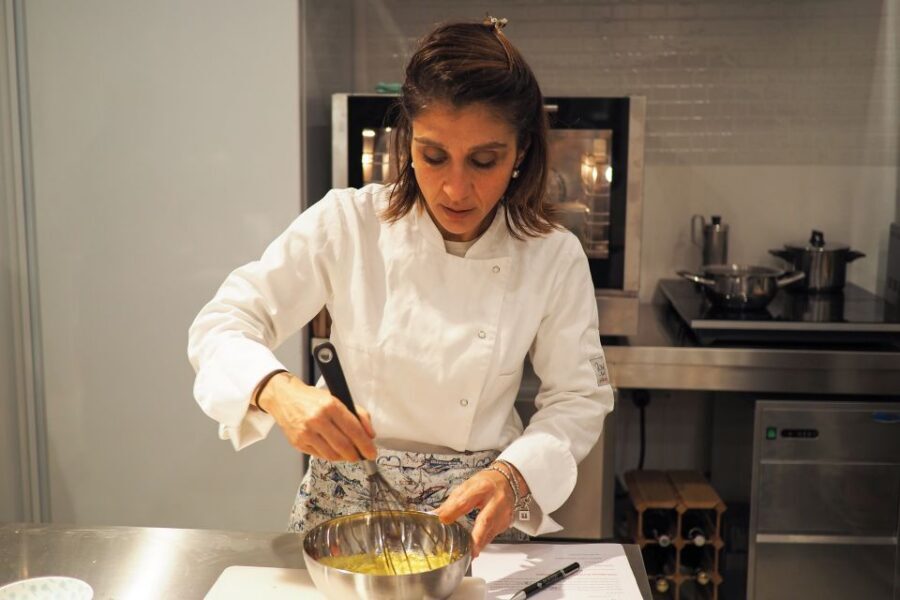
Chef Ilaria is repeatedly highlighted in reviews for personality and teaching energy. She’s described as personable and passionate, with clear explanations and a fun atmosphere that still feels professional. In other sessions, an instructor team including people like Klara and Fernando is also mentioned as delivering instruction.
What stands out is not just that the food tastes good, but that the class helps you understand why steps matter. You’ll pick up little technique rules and classic Italian details that you wouldn’t learn from a generic online recipe.
Two examples that came up in reviews:
- A point about tiramisù, where an instructor emphasized that amaretto is not the usual choice
- A carbonara-related anecdote, focused on avoiding cream and not treating it like a bacon-and-cream sauce
Even if those specific dishes aren’t the ones you cook that day, the logic is the same: Italian cooking is about correct method and ingredients, not just the final look.
Recipes you take home: built for real home cooking
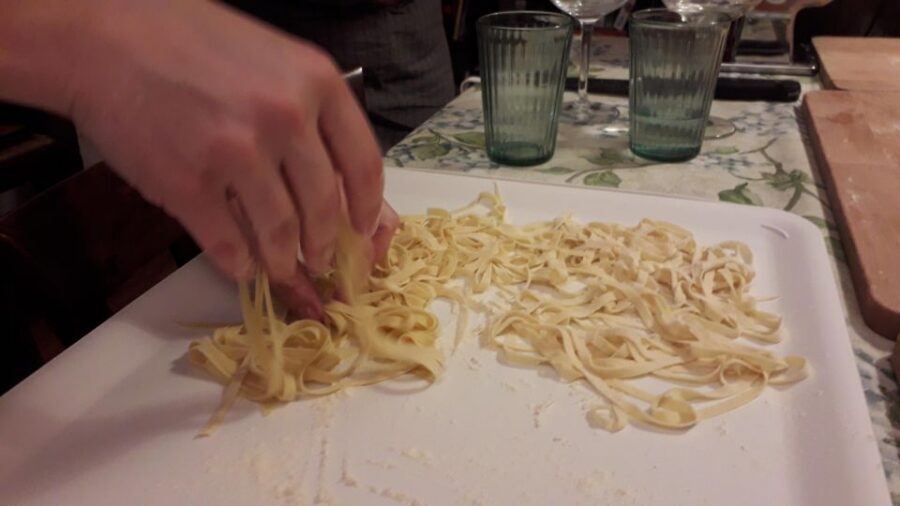
At the end, you receive a copy of all the recipes. This is where the value of the workshop really shows up.
Cooking classes sometimes leave you with vague memories and a “recipe idea” that falls apart at home. Here, the point is that you’ll have the steps written down so you can repeat the dish without guessing. That’s especially useful for elements like:
- sauce instructions that take time
- pasta dough ratios and handling tips
- assembly steps for dishes like bruschetta or layered Italian favorites
- desserts like tiramisù
If you want to keep the experience alive after your Milan trip, the recipe pack is what makes that possible. It turns a one-night activity into a skill you can use again.
Price and value in Milan: is $80 worth it?
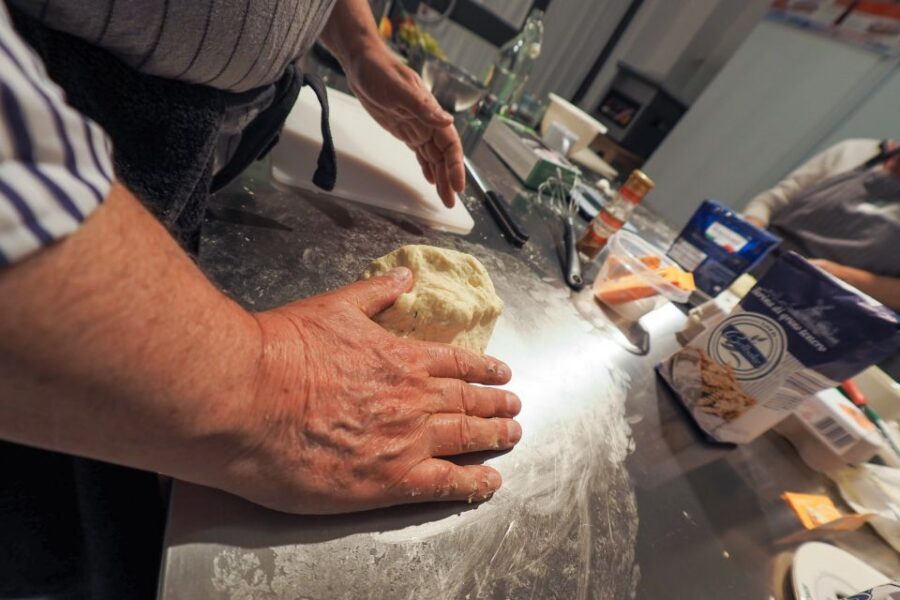
At about $80 per person for a 3-hour class that includes food, beverage, tools, gloves, aprons, and wine, the value comes down to one question: do you want to leave with skills and a full meal, or just a sampling?
This workshop is priced like a real instruction session:
- You’re not only tasting; you’re actively cooking 3 dishes
- You get the recipes to recreate the experience
- Wine is included with the meal, which adds more than just flavor—it turns it into a complete evening
If you’re the type who remembers vacations through what you can reproduce at home, this is a strong buy. If you’re mainly looking for a low-pressure tasting menu, you may find the “no tasting while cooking” kitchen rule less appealing than a more casual meal experience.
Practical stuff that will save you stress on the day
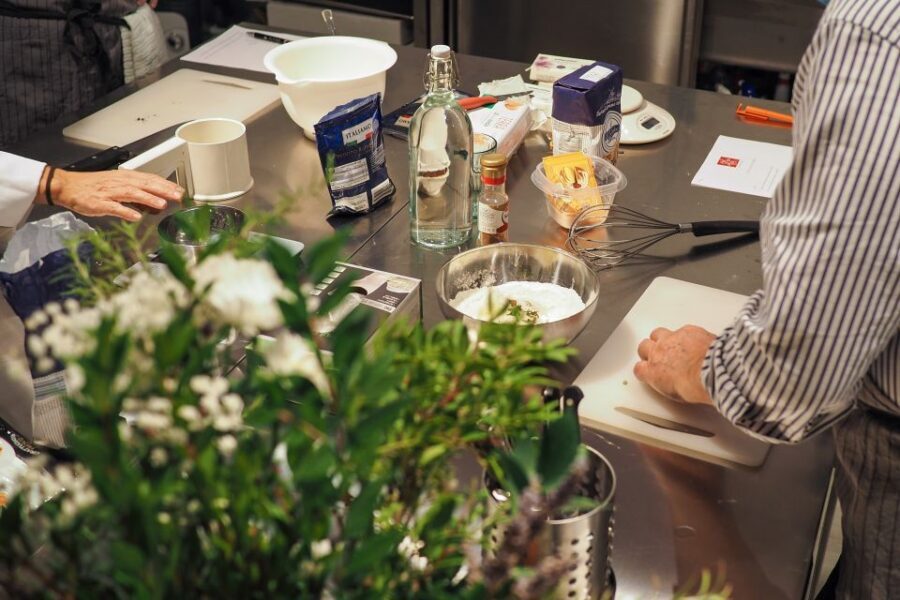
This is a professional cooking lab, so the rules are clear. Before you arrive, note these common requirements:
- no drinks and no food while cooking
- no tasting food while cooking
- tie up long hair
- no luggage or large bags
Also, pets aren’t allowed, and smoking is not permitted. If you’re carrying a small bag only, you’ll likely be fine, but plan to travel light.
If you’re wondering about filming, one review notes that it’s permitted to make photos and videos during the experience. Still, follow the chef’s direction in the moment—kitchens are busy places.
Who should book this Milan cooking class (and who shouldn’t)
You’ll enjoy this class most if you:
- want a hands-on Milan cooking class where you cook the meal
- enjoy fresh pasta work, sauce technique, and learning how dough should behave
- like a social group setting with wine and shared dining
- want recipes you can follow later, not just a souvenir memory
You may want to skip it if:
- you need wheelchair access (it’s stated as not wheelchair accessible)
- you’re traveling with kids under 10
- you prefer a totally casual, eat-while-you-watch format
It’s also a good fit if you’re traveling solo. Several reviews mention meeting people easily because the class is interactive and there’s time to chat during snack breaks and dinner.
Should you book Chef and the City in Milan?
If you’re planning your time in Milan and want one food-focused activity that feels authentic and actually teaches skills, I think this is a smart choice. The big wins are the hands-on cooking, the chef-led technique, the shared meal with wine, and the fact that you leave with recipes to keep cooking after your trip.
Book it especially if fresh pasta and classic Italian dishes are on your list. Skip it if you know you won’t like professional kitchen rules or you need accessibility support the space can’t provide.
FAQ
How long is the Milan Italian cooking class?
The experience runs for 3 hours, and you can check availability to see the starting times.
What does the $80 price include?
It includes food, beverage, cooking tools, gloves, aprons, and wine.
What dishes will I cook?
You’ll prepare 3 traditional dishes with an Italian chef. Fresh pasta from scratch is a core part of the class, and dishes mentioned in the information include options like tagliatelle, gnocchi, ravioli, cacio e pepe sauce, ragu’ sauce, focaccia, eggplant parmigiana, bruschetta, and tiramisù. The exact picks can vary by session.
Where do I meet the chef?
The meeting point is Chef and the City, a street-level shop with three big windows and three red signs on top. Ring the bell at the main window door when you arrive.
Is the class wheelchair accessible?
No. It is not wheelchair accessible.
Are children allowed?
It’s not suitable for children under 10.
Is smoking or bringing pets allowed?
Smoking is not allowed, and pets are not allowed.
What if I have dietary restrictions?
The information says the class follows professional kitchen rules, and one review specifically mentions that dietary needs like gluten-free were handled considerately. If you have allergies or a specific diet, it’s smart to share details when booking or before you go.
What’s the cancellation policy?
Free cancellation is available up to 24 hours in advance for a full refund.
Is there an option to reserve without paying immediately?
Yes, you can reserve now & pay later, meaning you can book your spot and pay nothing today.