REVIEW · MILAN
Small-Group Barolo Wine Tasting, Alba & UNESCO Piedmont Hills
Book on Viator →Operated by Abroads Tours · Bookable on Viator
Barolo country works because it mixes wine with real small-town life. You’ll start with a guided look at Alba’s medieval center, then spend the afternoon in the vineyards with a family-run winery tasting guided by DOC/DOCG rules and Nebbiolo craft. The day is long, but it’s packed with stops that explain why this region tastes the way it does.
I especially like the small-group setup (max 19) and the hands-on guided cellar tasting with at least six red wines, including Barolo. A second plus: you’re not just driving past views—you walk in Alba, get time in town, and then visit Grinzane Cavour Castle for UNESCO-grade scenery and wine history. One possible drawback: you only stop at one winery for tastings, so if you’re hunting multiple cellar visits, you may want a private option.
In This Review
- Key highlights worth your attention
- A long but well-structured day from Milan
- Alba’s medieval streets, cathedral views, and truffle-season reality
- Inside the Barolo region: what “strict rules” really mean
- Taste Barolo like a local: learning terms you’ll actually use
- Grinzane Cavour Castle and why UNESCO is the right word
- Price and logistics: is $216.46 good value?
- The guides make the day: what to expect from the human side
- Who this trip fits (and who should look elsewhere)
- Tips to make your Barolo day trip smoother
- Should you book this Barolo day trip from Milan?
- FAQ
- How long is the Barolo wine tasting tour?
- When does the tour start in the morning?
- Is the tour conducted in English?
- How many people are in the group?
- What wine tastings are included?
- Do you get a lunch during the tour?
- What happens if the castle is closed on Tuesdays?
- Is hotel pickup included?
- Does weather affect the tour?
Key highlights worth your attention
- Alba time that isn’t rushed: cathedral and medieval towers, plus free time to snack and shop
- Family winery cellar access: you hear the Barolo rules straight from the winemakers
- Nebbiolo-only Barolo explained: vineyard naming and aging/classification come into focus
- UNESCO stop with vineyard views: Grinzane Cavour Castle and a historic wine shop
- Tuesday alternative: the castle visit can swap to a La Morra viewpoint for the same big views
- Guide-led tastings, not a hard sell: DOC/DOCG reds served in a guided, terroir-focused format
A long but well-structured day from Milan
This is a 10.5-hour day trip that starts at 9:00am and returns to the meeting point. You travel in an air-conditioned private van, which matters because Piedmont road time adds up, and summer or shoulder-season heat can sneak up on you.
The group size cap (up to 19) is the hidden advantage. It keeps the pacing human: you actually hear the guide’s explanations, and you’re not trying to line up behind a moving wall of people.
You can also read our reviews of more food & drink experiences in Milan
Alba’s medieval streets, cathedral views, and truffle-season reality
Alba is the “warm-up act” that makes the wine day feel grounded. You get a walking tour through the medieval core, including the town’s main cathedral, San Lorenzo, and the historic towers that define the skyline. Even if you’re not a big history person, the streets make the rest of the day make sense.
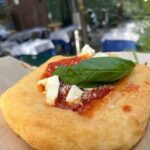
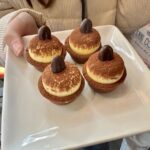
You also get free time in town, which is where you can shop and eat at your own pace. Alba is famous for food culture, and you’ll see Piedmont specialties everywhere—especially things like hazelnut cream in local shops.
If you’re visiting during the truffle-fair window (weekends in October and November), plan for extra crowds and be a bit more intentional with lunch. In one of the guides’ approaches, lunch was handled proactively when Alba got busy—so the day stays smooth rather than turning into a scramble.
One more practical point: Alba is a great place to pick up edible souvenirs that travel well—hazelnut products, small pantry items, and truffle-season specialties if they’re in season.
Inside the Barolo region: what “strict rules” really mean
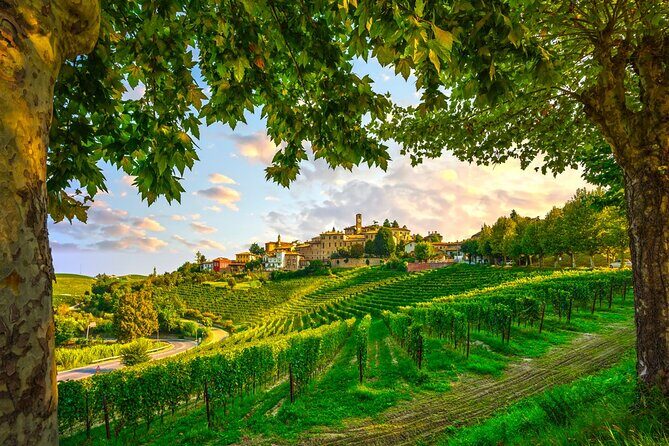
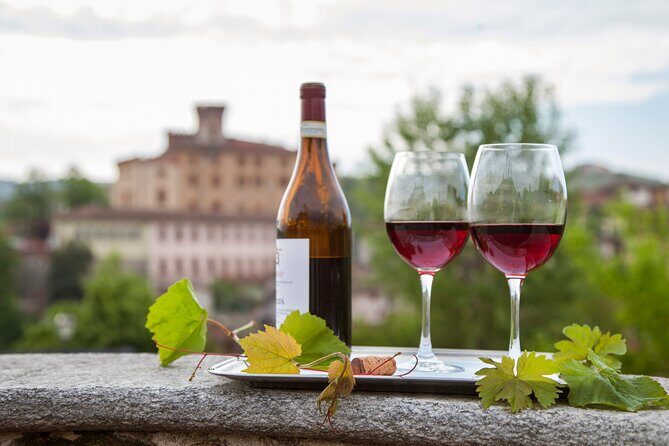
Barolo day is where the tour earns its name. You’ll visit a family-run winery set among vineyards, then get cellar access and a guided explanation of how Barolo is made. The key idea you’ll hear is that Barolo is strictly regulated: made only from Nebbiolo grapes, with rules around vineyard location, aging, and classification.
This matters because the region isn’t just “pretty and rural.” The winemaking system is designed so you can taste differences between hills and vineyard sites. In other words, it’s not only about the brand on the label—it’s about where the grapes grew and how the wine is aged.
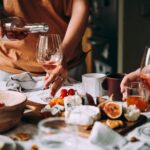
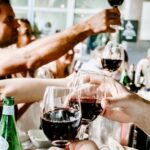
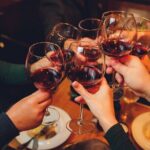
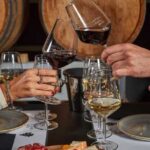
During the tasting, you’ll sample at least six Langhe DOC and DOCG red wines, sometimes seven, with a guided focus on quality, terroir expression, and local tradition. I like this format because it gives you a framework: you can taste multiple reds and then connect them back to what the guide explained in the vineyard/winery context.
Taste Barolo like a local: learning terms you’ll actually use
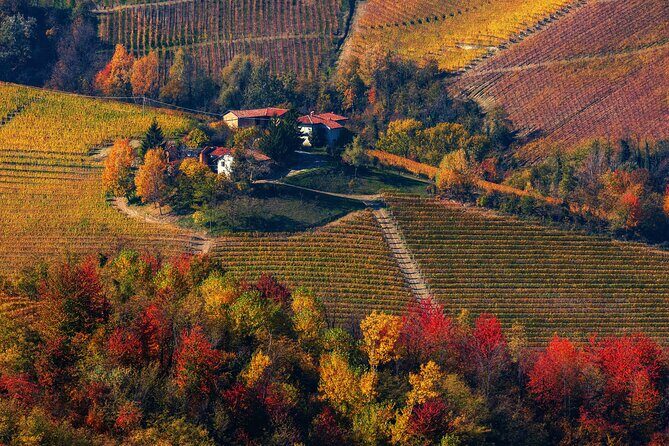
The guided tasting is the kind of class that doesn’t feel like school. Your guide’s job is to translate what you’re tasting into plain ideas—structure, aroma, and aging potential—so you’re not just swallowing wine and hoping for the best.
Because Barolo is Nebbiolo-based, you’ll also start to understand why people describe it as a wine that “changes with time.” The guide explains how each vineyard’s identity affects the wine, including the way aging plays out.
If you’re new to Barolo, this is a great starting point. If you’re already a fan, you’ll still likely pick up useful language for what you like—because you taste enough wines in one session to compare.
Grinzane Cavour Castle and why UNESCO is the right word
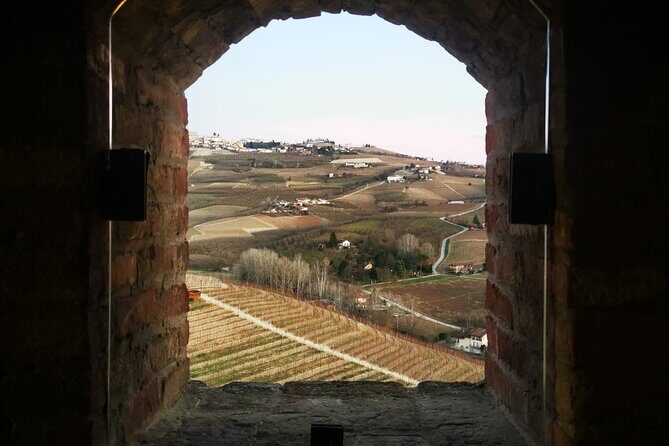
The UNESCO stop is Castello di Grinzane Cavour, and it’s more than a photo moment. You get panoramic views over the Langhe hills and surrounding vineyards, which helps you “place” what you tasted earlier in the day.
Inside the castle, you’ll visit the historic wine shop—described as the oldest in the Piedmont region—and you’ll learn how it connects to Camillo Benso, Count of Cavour. Cavour’s role matters for wine lovers because he helped push Barolo into a more modern direction, promoting winemaking ideas that turned it from a local product into an internationally respected wine.
There’s also a good sense of continuity here: vineyards today, and the same kind of thinking about quality that helped Barolo spread beyond the region.
Tuesday note: if you travel on a Tuesday, the castle can be closed. In that case, your visit is replaced with a stop at a panoramic viewpoint in La Morra, known for excellent vineyard views. Same big scenery, different stop.
You can also read our reviews of more wine tours in Milan
Price and logistics: is $216.46 good value?
At $216.46 per person, you’re paying for more than “a wine tasting.” This day includes:
- A licensed, professional English-speaking guide
- Air-conditioned private van transportation
- A guided tasting of 6 (or sometimes 7) Langhe DOC/DOCG red wines, including Barolo
- Cellar access at a family-run winery
- A walking tour plus free time in Alba
- A UNESCO castle stop (or a La Morra viewpoint on Tuesdays)
Lunch isn’t included, and that’s the one gap. You’ll get local recommendations, but you’ll still need to budget for a proper Piedmont meal.
Where I see strong value is the combo of guide-led structure and real access. Not every day trip gives you the winery explanation plus a classroom-style tasting plus time in Alba. If you’re short on time in Milan but want the Piedmont context, this price is easier to justify.
The guides make the day: what to expect from the human side
The best part of this tour is usually the pairing of guide energy and local know-how. Names that have shown up on past departures include Stefano, Monica, Amato, Oleg, and Chiara, with drivers such as Fabio. When the guide is strong, the day doesn’t feel like a checklist.
From the feedback, the guides tend to do two things well:
- Keep the day well paced and organized, even when Alba gets busy
- Share practical lunch and shop pointers so you’re not wandering hungry or lost
That’s not just “nice.” It changes how enjoyable the long travel day feels.
Who this trip fits (and who should look elsewhere)
This tour fits you if:
- You want a first serious taste of Barolo with guided explanations
- You care about food culture in Alba, not just wine labels
- You prefer small groups over crowded bus tours
- You’d enjoy seeing UNESCO history and wine history in one day
You might want a different format if:
- You feel disappointed by one winery stop for tastings. The tasting is substantial, but it’s not a multi-winery hopping day.
- You’re traveling strictly for maximum time at the castle or in Alba. Some people want longer at those points; the day is intentionally packed.
One extra heads-up if you’re sensitive to conversation topics: guides sometimes provide broader context while talking history and life in Italy. You’ll still be focused on the region and its story, but it’s worth knowing the day can include more than just wine facts.
Tips to make your Barolo day trip smoother
A few small choices will make this day feel easier:
- Bring a light layer for late-day temps; vineyard areas can cool off after a warm start.
- Wear shoes for Alba’s walking tour—old towns mean uneven paving.
- If you’re visiting in late October or November weekends, consider that truffle-season crowds can affect timing, especially around lunch.
- In wine tastings, pace yourself. You’ll taste multiple reds, and you still have driving and castle viewing afterward.
Should you book this Barolo day trip from Milan?
If your goal is a high-value Piedmont day—Alba’s medieval charm, UNESCO views, and a guided Barolo tasting in a family cellar—this one is easy to recommend. The small group size and the structured tastings are the backbone, and the castle stop gives the day a sense of place beyond wine.
I would skip it (or switch to a private setup) if you’re chasing multiple winery visits in one day. But for most people—wine lovers, food lovers, and first-time visitors to the Langhe—this is exactly the kind of itinerary that gives you context fast and leaves you with real tastes to remember.
FAQ
How long is the Barolo wine tasting tour?
The tour lasts about 10 hours 30 minutes.
When does the tour start in the morning?
It starts at 9:00am.
Is the tour conducted in English?
Yes. The tour is offered in English.
How many people are in the group?
The tour has a maximum of 19 travelers.
What wine tastings are included?
You’ll have a guided tasting of 6 Langhe DOC & DOCG red wines, including Barolo (sometimes 7).
Do you get a lunch during the tour?
Lunch is not included. You’ll get local recommendations.
What happens if the castle is closed on Tuesdays?
On Tuesdays, the UNESCO castle visit is replaced with a stop at a panoramic viewpoint in La Morra.
Is hotel pickup included?
Hotel pickup and drop-off are not included, but there is an upgrade option for a private tour with pickup directly from your Milan address.
Does weather affect the tour?
Yes. The experience requires good weather. If it’s canceled due to poor weather, you’ll be offered a different date or a full refund.