REVIEW · MILAN
Milan: Leonardo’s Last Supper Guided Tour
Book on GetYourGuide →Operated by AUTOSTRADALE VIAGGI SRL · Bookable on GetYourGuide
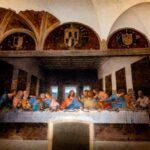
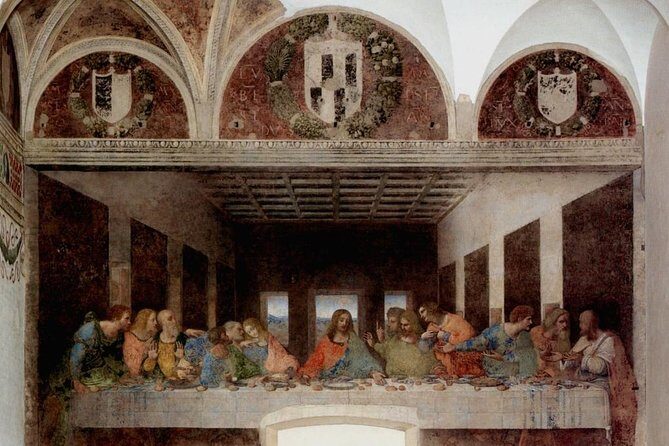
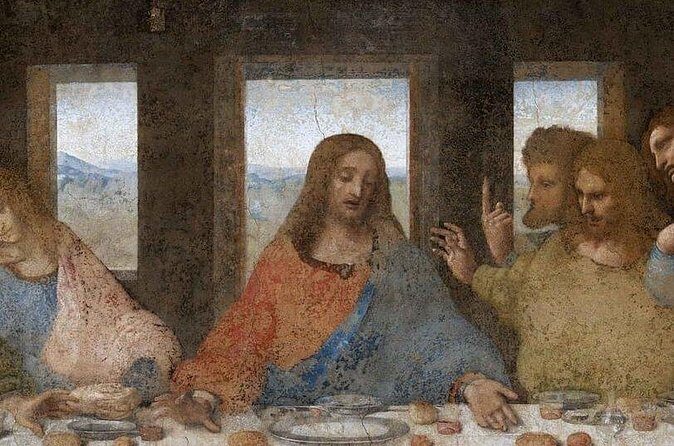
Leonardo’s Last Supper hits like a spotlight. This guided hour helps you make sense of one of the world’s most famous frescoes, inside the refectory of Santa Maria delle Grazie. It’s part art lesson, part detective story, with a licensed guide explaining the painting technique, the history, and the myths people can’t stop repeating about the Last Supper.
I especially like two things: first, the pre-booked entrance tickets so you’re not stuck hunting for sold-out options; second, the English live guide who turns what you see into something you can actually interpret—like Leonardo’s perspective choices and how the scene works on the wall.
The main catch is that this is run with strict rules and short windows. You’ll need a matching ID, you can’t enter late, and dress code matters (knees and shoulders covered, no sleeveless tops or shorts). Also, during religious services, the church visit may get suspended.
In This Review
- Key highlights worth your time
- Why this Milan stop feels different from a museum
- Meeting at Santa Maria delle Grazie (and not losing time)
- What happens in the one-hour guided format
- The fresco you came for: seeing it with a “technique lens”
- Church rules and what to bring (so you don’t get stuck outside)
- Bring
- Wear
- Don’t bring
- Ticket value: pre-booking is the real convenience
- Group size, listening setup, and hearing the guide clearly
- Which guide style fits you best
- How to pair this with the rest of your Milan day
- Should you book this guided tour?
- FAQ
- Where is the meeting point for the Last Supper guided tour?
- How long is the guided tour?
- Do I need an ID to enter?
- What should I wear?
- Can I bring luggage or food?
- What if my name details are wrong on the booking?
Key highlights worth your time
- Guaranteed pre-booked entrance tickets to the Last Supper so you can plan confidently
- Licensed English guide focused on technique, history, and the famous questions people ask
- A short, real viewing slot (often around 15 minutes) that you’ll use well with help
- Headsets/headphones and amplification reported by past visitors for clearer listening
- Strict entry rules that keep the experience controlled and fairly smooth if you prep
- Guides named by previous groups include Barbara, Maria, Helen, and Lorella, among others
Why this Milan stop feels different from a museum
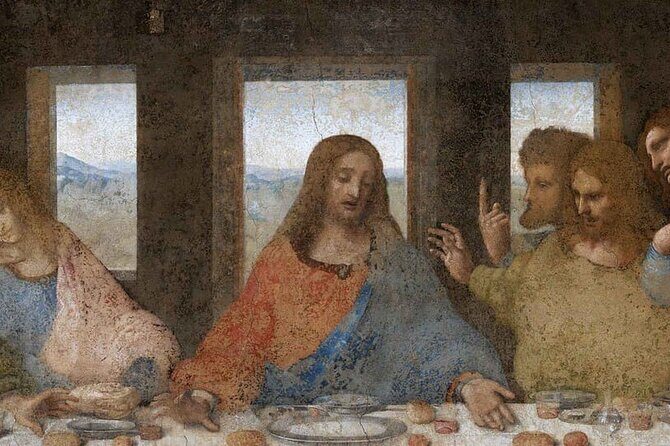
The Last Supper isn’t a painting you stroll past like a framed postcard. It’s a fresco in a working religious setting, with limited access and tight timing. That means the experience is managed, not casual. You’ll feel it as soon as you arrive: you’re not just “seeing art,” you’re entering a timed moment of Milanese culture and church life.
What makes a guided format work here is simple. Leonardo’s image is famous, yes—but the real payoff is how it’s constructed and what that construction means. A good licensed guide doesn’t just retell the biblical story. They explain the painting technique, the perspective tricks, and the layers of history and legend that grew up around the work.
And because the tour is only about one hour, you don’t end up with the usual “long walk, short look” problem. The schedule is built so you can get context fast, see the fresco during your allocated viewing time, and still walk away with something you can repeat to friends.
You can also read our reviews of more guided tours in Milan
Meeting at Santa Maria delle Grazie (and not losing time)
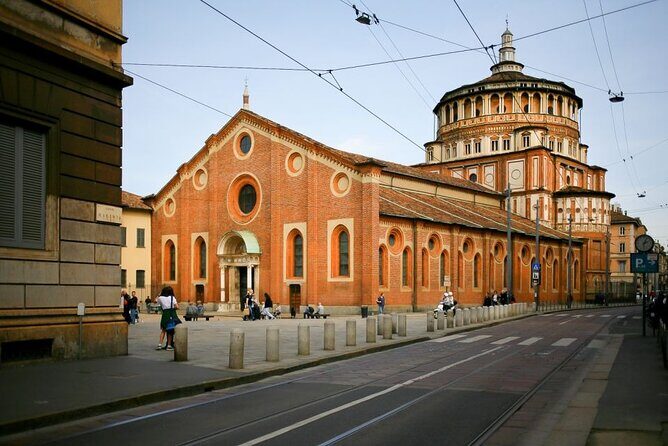
Your meeting point is in front of the main entrance of Santa Maria delle Grazie at Piazza di Santa Maria delle Grazie, 2, 20123 Milano MI, Italy. Arrive 10 minutes early. This isn’t the place to play it loose—tours move on time, and late arrivals can’t be patched in once the group is gone.
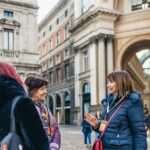
One practical tip that matters: the church area can feel crowded with multiple groups at once. In past visits, people suggested it’s easier if you quickly identify the organizer outside the entrance. A staff agent typically helps right there—handing out entry tickets and sometimes headphones/amplifier equipment—before you’re matched to your specific guide. So your best move is to show up early, check in, and let the handoff happen.
If you’re the type who likes clarity, take a screenshot of the address and be ready to point at the exact church entrance you’re standing in front of. That saves minutes that can feel like an hour when everyone’s trying to locate a meeting point.
What happens in the one-hour guided format
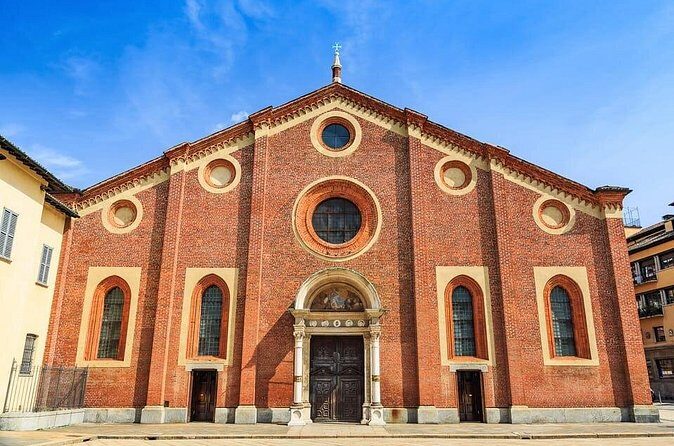
This tour is built around a simple rhythm: prep outside, explanation with your group, then your timed viewing of the fresco. Even though the overall duration is about 1 hour, the moment you’re actually facing the painting is limited. People have reported that the time in front of the artwork is often around 15 minutes. That short window is normal for this kind of access.
So don’t worry if it feels brief at first. The point is to give your eyes a plan. Your guide uses the time before you enter to set up what you’re about to notice—things like how the composition leads your gaze and why the perspective matters. Then, when you step into the viewing area, you’re not just looking. You’re reading.
You’ll typically have a brief pre-viewing explanation in English. The best guides then steer you toward a few details you might miss on your own. It’s a subtle difference, but it changes the whole experience. Without that guidance, the fresco can look like a famous scene. With guidance, it starts to look like an engineered image—full of intentional choices.
Also, if you’re sensitive to audio, note that some visitors reported the guide’s voice could be harder to hear during background noise. If that’s you, use your provided headphones or position yourself so you can hear without craning.
The fresco you came for: seeing it with a “technique lens”
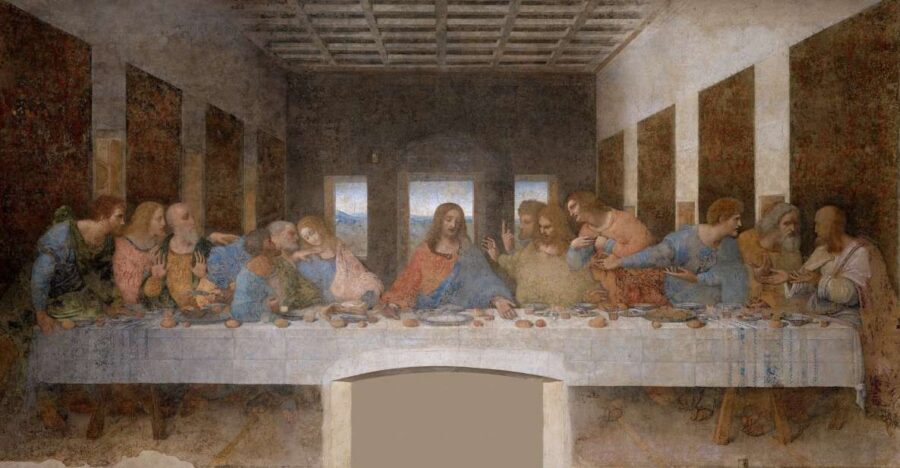
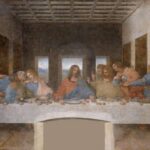
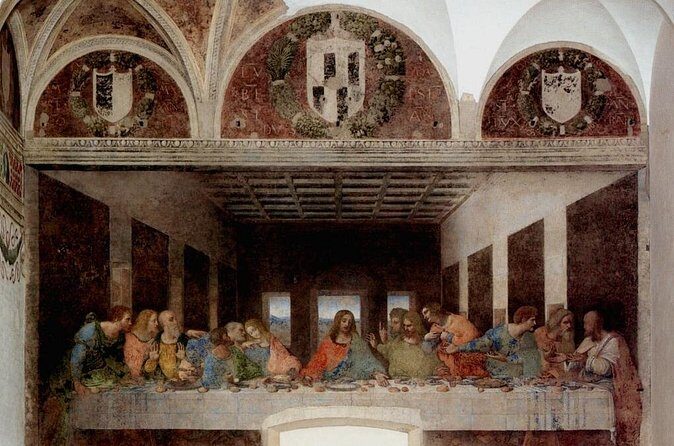
Yes, you’re looking at Leonardo da Vinci’s The Last Supper. But the magic is why it’s so famous—and how it still grips people centuries later.
A good licensed guide explains the artwork as a mix of:
- Painting technique and the care Leonardo brought to the project
- Perspective and visual structure, including how the layout pulls your attention across the scene
- History and context tied to the setting in the refectory
- Mysteries and legends, the sorts of stories that cling to this artwork like ivy
What you’ll likely notice once your guide points it out is that the scene isn’t arranged randomly. The composition is designed to function like a visual argument. Leonardo’s perspective helps organize the space so the figures feel connected, even though they’re contained within a wall-bound format.
This is where having an expert matters. Many people arrive knowing the broad story—who’s sitting where and what’s being said in the moment. But the guide’s job is to help you see the craft and the choices. That’s the part that turns a “check the box” sight into a memory that sticks.
And if you’re the type who likes small shocks, you may enjoy the “mystery” angle. The tour includes legends and surprising facts—especially around perspective and how the scene is constructed. That doesn’t replace the artwork. It actually makes it more watchable, like you’re catching clues in a familiar film.
Church rules and what to bring (so you don’t get stuck outside)
This visit is tightly controlled, so plan your outfit and your bag like it’s part of the museum job.
Bring
- Passport or ID card
You’ll need a valid identification document to get the ticket for the Last Supper.
Wear
- Knees and shoulders must be covered for entry to the church
This means no shorts, no short skirts, and no sleeveless shirts. If you arrive in summer clothes, plan a quick fix: bring something light you can throw on.
Don’t bring
- Food and drinks
- Luggage or large bags
That’s not just a convenience issue. Big bags can cause delays and may require storage.
There’s also an extra rule that’s easy to miss until you’re at the gate: the names of all participants must be provided in advance for the tickets. Your names have to match your ID, and no name changes are permitted after 5:00 pm the day before the tour. So double-check spelling during booking.
One more timing reality: it’s not possible to join after the tour has departed. So if you’re running late due to transit or getting lost, the safest move is to rethink your schedule rather than hoping you can “squeeze in.”
Finally, during religious services, the visit to the Church of Santa Maria delle Grazie may be suspended. The tour still runs as a viewing/guide experience, but you should know that church access can change.
Ticket value: pre-booking is the real convenience
The price for this kind of access can feel steep at first. The Last Supper isn’t like other sights in Milan where you can buy entry on the spot. Access is limited, tickets can sell out, and the schedule is managed to protect the fresco and keep visits orderly.
So what you’re buying with a guided ticket isn’t just the guide. You’re buying:
- Guaranteed entry for your scheduled slot
- A guide-led framework so your limited viewing time doesn’t feel wasted
- A smoother start at the church entrance, with staff support and equipment in some groups
In other words, the value comes from time you don’t lose and meaning you gain. If you’ve ever shown up at an oversold sight with no backup plan, you already understand why pre-booking matters. Here it’s not a nice-to-have—it’s the difference between seeing it and scrambling.
If you’re comparing options, focus less on the word “tour” and more on the fact that you get pre-booked entrance tickets plus an English live guide. That combination is what helps you use the short viewing window wisely.
Group size, listening setup, and hearing the guide clearly
Your experience will likely feel smooth if you arrive early and follow instructions, but group dynamics can change year to year.
Some visitors described feeling the group was fairly large, while others praised organization and clarity. One person even noted that the guide’s voice was soft, so background noise made it harder to hear. On the other hand, another visitor reported they received headphones and an amplifier, which can fix a lot of that.
My practical advice: if you’re near the front, you’ll hear better. If you can choose where you stand before entering the viewing area, do it. Also, if you wear glasses, clean them right before the tour—micro details matter when you’re concentrating on a wall painting.
Which guide style fits you best
Guides can differ in how they pace storytelling, explain technique, and handle questions. In the reviews you provided, several guide names show up—like Barbara, Maria, Helen, and Lorella—and the common thread is that the guides explain the Last Supper with lots of facts and a lively tone.
If you want:
- lots of detail and clear explanations, this tends to work well
- a friendly Q&A moment, it also seems to happen
- extra context about Milan alongside the art, you’ll likely get it from guides who also teach about the city
One thing to keep in mind: the best experiences often happen when you’re ready to listen for 60 minutes, then switch to quiet looking. Don’t treat this like a casual photo stop. Treat it like a mini-lesson with a sacred viewing moment.
How to pair this with the rest of your Milan day
You’re starting at Santa Maria delle Grazie, in the Lombardy area of Milan. Plan your day so you’re not sprinting across town right afterward. The tour runs about one hour, and you’ll still need time to get through entry, settle in, and then walk away.
A good rhythm is:
- Do this earlier in the day when you’re fresh
- Keep a little buffer afterward for wandering the neighborhood at a calmer pace
- If you’re also visiting other Milan highlights, cluster them by area so you’re not fighting traffic and metro connections
The main takeaway is that this sight is special enough to “own” a chunk of your day, not cram it between two rushed errands.
Should you book this guided tour?
Book it if you want:
- Guaranteed tickets for a highly time-limited attraction
- An English live guide who explains technique, perspective, and the artwork’s history and legends
- Help using your short viewing time effectively
Skip it or rethink it if:
- You’re not ready for strict rules about dress and ID matching
- You hate timed entry experiences and short viewing windows
- You might struggle to arrive early and check in quickly
For most people visiting Milan, this is a smart way to see the Last Supper without stress. The art is powerful on its own. The guide and the pre-booked access just make sure you understand what you’re seeing before the moment slips by.
FAQ
Where is the meeting point for the Last Supper guided tour?
The meeting point is in front of the main entrance of the church Santa Maria delle Grazie, at Piazza di Santa Maria delle Grazie, 2, 20123 Milano MI, Italy.
How long is the guided tour?
The experience lasts about 1 hour.
Do I need an ID to enter?
Yes. You must present a valid passport or ID card to get the Last Supper ticket.
What should I wear?
For entry to the church, knees and shoulders must be covered. Shorts, short skirts, and sleeveless shirts are not allowed.
Can I bring luggage or food?
No. Food and drinks are not allowed, and luggage or large bags are not allowed.
What if my name details are wrong on the booking?
The names of all participants must be provided in advance for the tickets. Names must be correct because no name changes are permitted after 5:00 pm the day before the tour, and you’ll need a valid ID to match.