REVIEW · MILAN
Milan: Leonardo’s Last Supper and Michelangelo’s Pietà Tour
Book on GetYourGuide →Operated by AUTOSTRADALE VIAGGI SRL · Bookable on GetYourGuide
Two masterpieces in one tight 3-hour run through Milan. You’ll move from the Sforza Castle world of ducal power to Santa Maria delle Grazie, then finish with the world-famous Last Supper.
I especially love the reserved Last Supper entrance, which is the hard part in Milan. I also like that you pair it with Michelangelo’s Pietà Rondanini inside the Sforzesco setting, so the art theme keeps momentum. One heads-up: the timing can mean some waiting before you’re seated for the fresco, so I’d plan to arrive early and bring your patience.
In This Review
- Key highlights to look for
- Milan in 3 hours: Sforza Castle to Santa Maria delle Grazie
- Sforza Castle courtyards, museums, and Pietà Rondanini
- Santa Maria delle Grazie: Bramante’s octagonal tribune and church rules
- Leonardo’s Last Supper: why reserved access matters
- What to do with the rest of your Sforza ticket (afternoon freedom)
- How the 3-hour pacing works: breaks, sound, and keeping your bearings
- Price and logistics: is $105 good value?
- Who this tour fits best (and who should rethink it)
- Should you book this Leonardo and Michelangelo tour?
- FAQ
- How long is the tour?
- Is entrance to Leonardo’s Last Supper included?
- Where do we meet the guide?
- Do I need an ID to enter the Last Supper?
- What should I wear for the church?
- Can I return to Sforza Castle museums later?
- Is the tour wheelchair accessible?
Key highlights to look for
- Reserved Last Supper access with a timed entry that saves you from the usual sell-out stress
- Michelangelo’s Pietà Rondanini in the Sforza Museum zone, including his last unfinished work
- Santa Maria delle Grazie visit with its standout Bramante-designed octagonal tribune
- Sforza Castle courtyards plus museums before and after the fresco experience
- Headsets for the whole group so you can actually hear your guide in church and museum spaces
- Dress-code reality check: knees and shoulders covered, no shorts or sleeveless tops for entry
Milan in 3 hours: Sforza Castle to Santa Maria delle Grazie
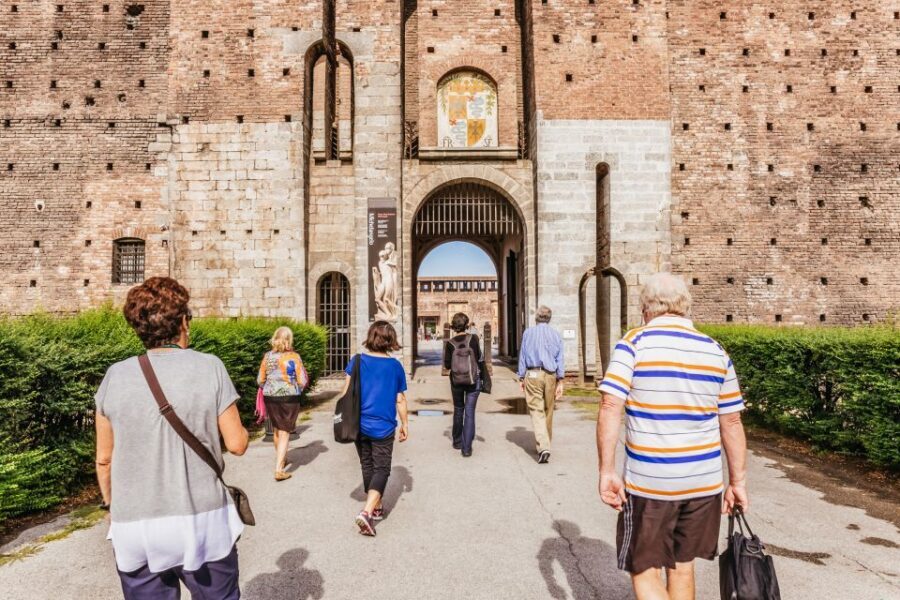
This tour is built like a classic Milan “art hit list.” You start at Piazza Castello, right by the castle area, and you don’t waste time hopping across town. In 3 hours, you’ll see a fortress-castle complex, a Renaissance church, and Leonardo’s most famous painting—plus Michelangelo’s last unfinished Pietà.
What makes this format work for you is the sequencing. You get the “Milan of rulers” (Sforza) first. Then you shift into the “Milan of artists and ideas” (Bramante and the church). Finally, you land at the fresco itself with a guided walkthrough that helps you look instead of just stare.
The practical bonus: you also get enough museum time inside Sforza Castle to feel like you did more than a one-picture tour. And if you want to keep going after, the same ticket lets you return in the afternoon to explore additional castle museums on your own.
You can also read our reviews of more tours and experiences in Milan.
Sforza Castle courtyards, museums, and Pietà Rondanini
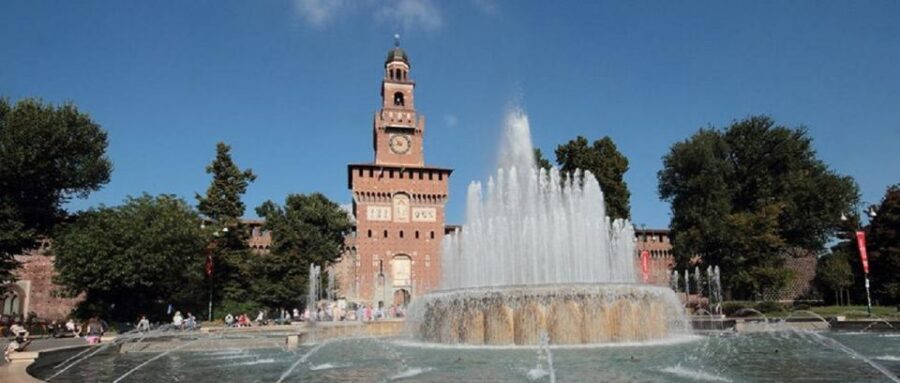
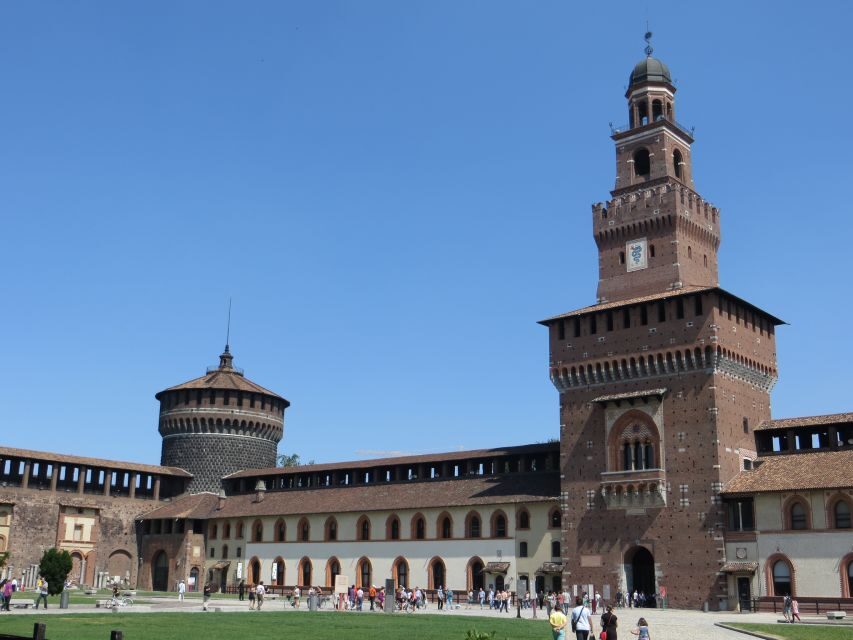
You’ll begin with the Sforza Castle area at Piazza Castello. The experience starts with a short photo stop and a guided visit through the fortress spaces. It’s not just “pretty stone.” The castle courtyards and ducal history set the stage for why Milan built itself so firmly around power, display, and patronage.
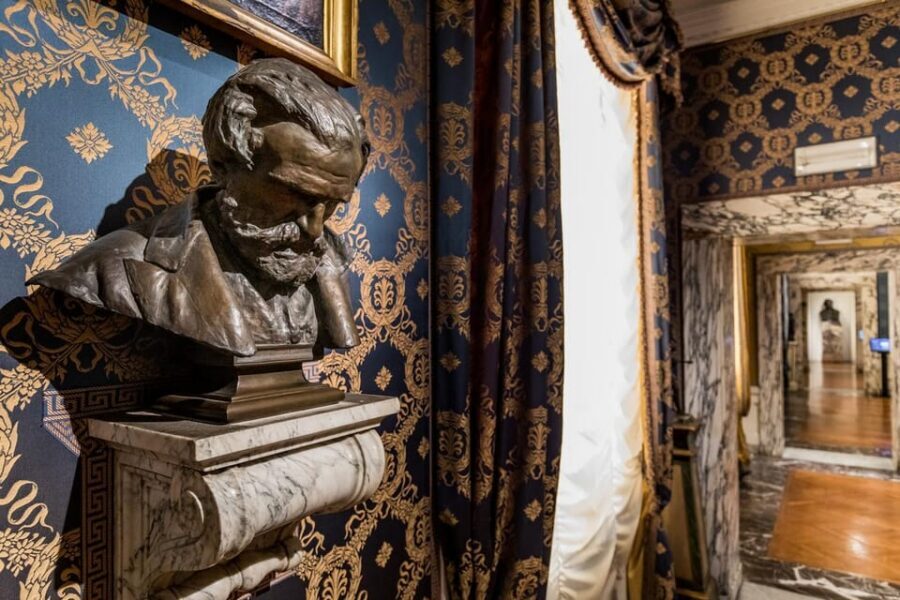
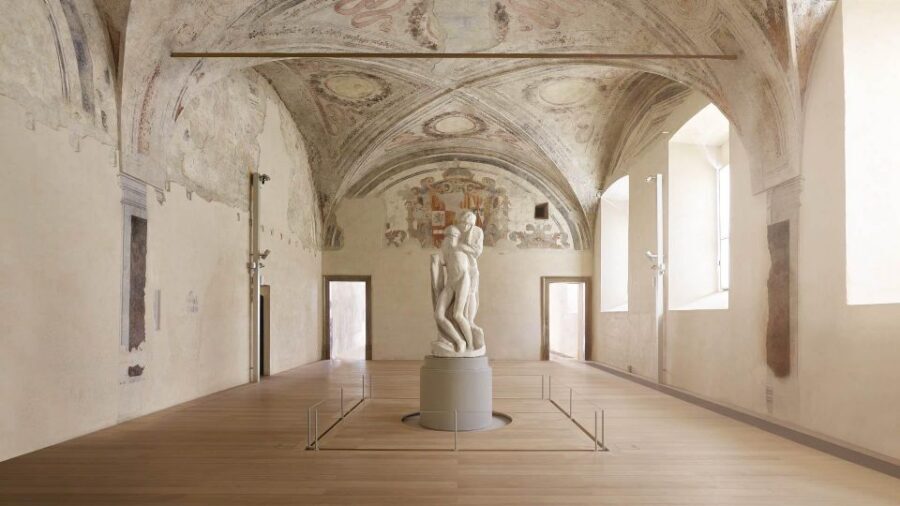
Then comes the standout art link: the museum visit featuring Michelangelo’s Pietà Rondanini. The tour frames it as his last unfinished work, which changes how you look at it. Instead of expecting polish and completion, you’re seeing the artist at work—an “in-between” moment that feels human, not mythic. It’s the kind of stop that turns the day from sightseeing into real art understanding.
A smart detail here: this portion of the tour isn’t buried inside a single gallery room with no context. You’re moving through a castle that also holds major collections, so the Pietà feels less like an isolated famous object and more like part of a larger Milan art world.
Santa Maria delle Grazie: Bramante’s octagonal tribune and church rules
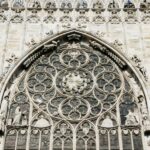
Next is Santa Maria delle Grazie. The church is famous for its design, including the octagonal tribune designed by Bramante. Even if you only glance up, it’s worth taking a second look. This is the point where Renaissance architecture starts doing the heavy lifting—guiding your eye and shaping your sense of space before you even reach the fresco room.
But here’s where you need to be ready. The church entry has a clear dress code: knees and shoulders must be covered. The tour also notes that shorts, short skirts, and sleeveless shirts aren’t allowed. On a hot day, this can be annoying, but it’s the rule, and the staff enforce it.
If you’re traveling with anyone who tends to dress for comfort first (and festival-style second), I’d plan ahead. Bring a light layer you can wear at the shoulders and keep pants or longer skirts ready. I’d rather you be slightly warm than cut your visit short.
One more practical note: the tour can be suspended during religious services. That doesn’t mean the day is ruined, but it does mean the church portion could change, so keep your expectations flexible.
Leonardo’s Last Supper: why reserved access matters
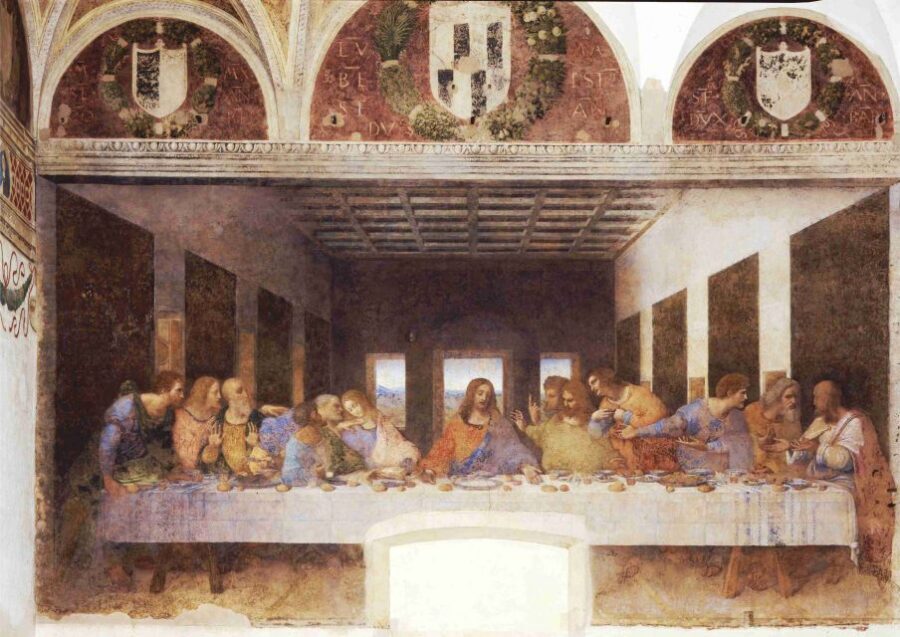
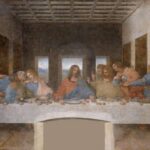
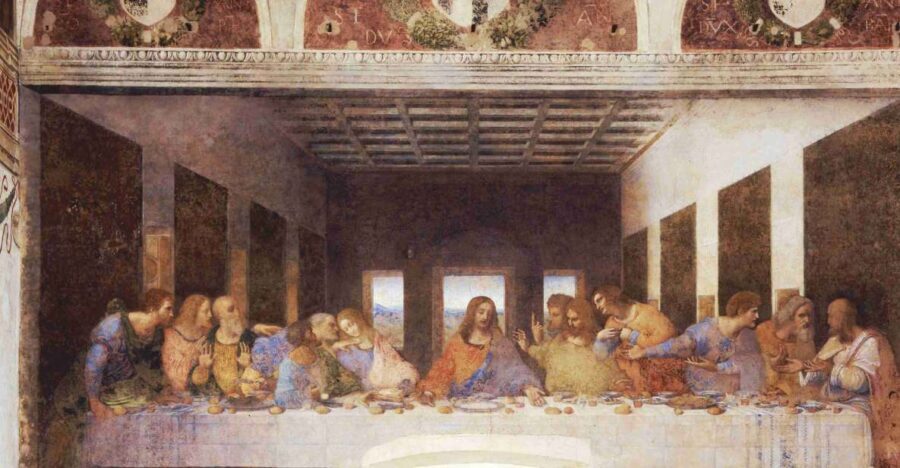
This is the moment: Leonardo da Vinci’s Last Supper. The tour treats it like the finale you want it to be, with a guided look in the refectory area at the painting itself. This is one of those rare artworks where people often think they know it already, and then the real details hit. The composition, the expressions, the way the scene is staged—none of it is random.
The real value of this tour is the part you don’t see until you’re there: you get reserved entrance to the fresco. Tickets for this kind of artwork are scarce, and you can’t fix that with good intentions. If you’ve ever tried to “wing it” with a famous museum timed entry, you know how quickly a plan collapses.
Your guide’s job here is to point out what matters and why it matters: the painting technique, the historical setting, and the long-running mysteries and legends that surround the work. If you’re the kind of person who likes “how did they do that,” you’ll find plenty to chew on.
Now, the one downside to factor in: some people experience extra waiting time close to entry. That’s not always avoidable, since your slot has to match the building’s rules. Your best move is simple: arrive early and make sure your ID is ready.
What to do with the rest of your Sforza ticket (afternoon freedom)
One clever feature is that the same ticket can be used later in the afternoon for additional museums inside Sforza Castle. This turns the tour from a one-room sprint into a flexible half-day plan.
Inside Sforza Castle, the tour highlights major collections, including the Museum of Ancient Art and the Art Gallery, with artists named like Andrea Mantegna, Giovanni Bellini, Lorenzo Lotto, Correggio, Tintoretto, and Canaletto. It also mentions one of the largest collections of musical instruments in Europe. That last part is a good reminder: Sforza isn’t only painting and sculpture.
This is where the value math improves for you. You pay a premium for the Last Supper access, then you get to extend the museum time afterward without buying separate admissions (assuming you go back in the afternoon window described by the ticket terms).
Even if you only add an hour or two, that added context can make the morning feel more complete. You’re not leaving Milan after the fresco and moving on like it was a quick photo stop. You’re building a fuller museum day.
How the 3-hour pacing works: breaks, sound, and keeping your bearings
The tour runs for about 3 hours, which is a sweet spot for Milan. You’re not committing to a half-day of logistics, but you’re also not rushing through three heavy stops with zero guidance.
A few things I’d watch for in your plan:
- Headsets are included, which matters because churches and museums can be loud or echo-y, and groups often spread out.
- If sound ever feels off, fix it fast. One common issue in any headset-based tour is that the first minutes can be the roughest. I’d test your headset immediately after you receive it.
- Expect the day to move in blocks: castle orientation, Pietà museum time, short walking between stops, then church, then the fresco finish.
Weather matters too. Multiple guide stories highlight that some guides actively manage hot conditions by steering the group into shade and making sure people have water. You can’t count on the weather being kind, so I’d still bring your own basics: water, sunscreen, and comfortable walking shoes. This is Milan, not a sit-down tour.
Also note the timing rule: it isn’t possible to join after departure, so be on time. The tour asks you to arrive about 10 minutes early.
Price and logistics: is $105 good value?
At $105 per person, this isn’t a budget tour. But it’s not “paying for walking.” You’re paying for the hardest access in Milan: reserved entry to the Last Supper. That scarcity is the big cost driver, and it’s also why this kind of ticket can be the difference between seeing the painting and missing it entirely.
Then the price stacks more value. You’re also getting:
- Guided visits through Sforza Castle and Pietà Rondanini
- Entry that includes the fresco reservation
- Headsets
- A church visit to Santa Maria delle Grazie
- The chance to return later for more Sforza museums on the same ticket
If you were to buy everything separately (castle entry, timed access to the fresco, and a guide to make sense of it), the total typically climbs fast. Here, your money buys coordination and “look-how-to-see” guidance.
Yes, it can feel pricey. But if this is your one-on-one-shot chance at the Last Supper, you’re paying to remove the uncertainty.
Who this tour fits best (and who should rethink it)
This is a good fit if you want:
- A guided plan for the Last Supper (the fresco is too strict and too timed to be casual)
- A strong art focus across Leonardo + Michelangelo, not just one famous photo
- A workable schedule that still leaves you time to explore the castle later
It’s also ideal for first-time Milan visitors who don’t want to spend hours figuring out what ticket links to what. You show up, you follow the guide, and you get the best places in the best order.
You might consider another option if you:
- Hate any waiting at all (timed entry can create it)
- Want lots of free time inside each site without a guide steering you
- Are traveling with very strict expectations around church timing on service days
Also, if you’re sensitive to sound setup, arrive ready to adjust. Headsets are included, but like any system, issues can happen and are usually fixable quickly.
Should you book this Leonardo and Michelangelo tour?
If your priority is seeing Leonardo’s Last Supper without gambling on availability, I’d book it. The reserved access is the core reason, and the tour earns its fee by adding Michelangelo’s Pietà Rondanini plus a real church visit at Santa Maria delle Grazie. You’re not just collecting two headline stops; you’re getting help turning them into a story you can actually understand.
My call: book this when you want art-guided structure more than free-form wandering. Go early, dress for the church, and use the afternoon option to get extra value out of Sforza Castle.
FAQ
How long is the tour?
It lasts about 3 hours.
Is entrance to Leonardo’s Last Supper included?
Yes. The tour includes reserved entrance to the Last Supper.
Where do we meet the guide?
Meet inside the Autostradale Viaggi agency at Piazza Castello 1.
Do I need an ID to enter the Last Supper?
Yes. You must present a valid identification document to get the Last Supper ticket. A passport or ID card copy is accepted for bringing.
What should I wear for the church?
Knees and shoulders must be covered. The tour also notes that shorts, short skirts, and sleeveless shirts are not allowed.
Can I return to Sforza Castle museums later?
Yes. With the same ticket, you can return in the afternoon to visit other Sforza Castle museums on your own.
Is the tour wheelchair accessible?
Yes, it is wheelchair accessible.