REVIEW · MILAN
Milan: Sforza Castle and Michelangelo’s Pietà Rondanini Tour
Book on GetYourGuide →Operated by Hidden Experiences · Bookable on GetYourGuide
A final Michelangelo, inside a fortress. This Sforza Castle tour pulls you from heavy stone and Renaissance courtyards into the quiet shock of Michelangelo’s Pietà Rondanini, his last unfinished work.
I like the seamless entry to the castle’s museum spaces and I like how the focus stays sharp on Michelangelo’s Pietà Rondanini, with context that makes the carving feel urgent, not just historic.
One consideration: with only 1.5 hours, the pacing is tight, and a few people note the earpieces can be inconsistent at moments.
Key highlights at a glance
- Meet under the Filarete clock tower in Piazza Castello, right in front of the castle (not inside the courtyards)
- Michelangelo’s Pietà Rondanini explained as a final, unfinished emotional message
- Ducal courtyards walk through the Corte Ducale and Cortile della Rocchetta
- Leonardo da Vinci lived and worked here, and the guide connects him to the Sforza court
- The Biscione serpent symbol and family intrigues that shaped Milan’s power
- Small-group feel with headphones so you can keep up without crowd noise
In This Review
- Arriving at Castello Sforzesco: the meeting point that saves time
- The 1.5-hour flow: how the tour keeps your focus
- Michelangelo’s Pietà Rondanini: why the unfinished matters
- Sforza power told through courtyards and symbols
- Leonardo da Vinci at the castle: more than just the Last Supper
- Filarete Tower and Renaissance architecture: seeing the castle as a machine
- Price and value: does $47 make sense for 90 minutes?
- What to look for in your guide (and why names keep showing up)
- Who should book this tour?
- Should you book the Sforza Castle and Pietà Rondanini Tour?
- FAQ
- How long is the tour?
- Where do I meet the guide?
- What’s included in the price?
- Which languages are offered?
- Is the tour wheelchair accessible?
- Can I get a refund if my plans change?
Arriving at Castello Sforzesco: the meeting point that saves time
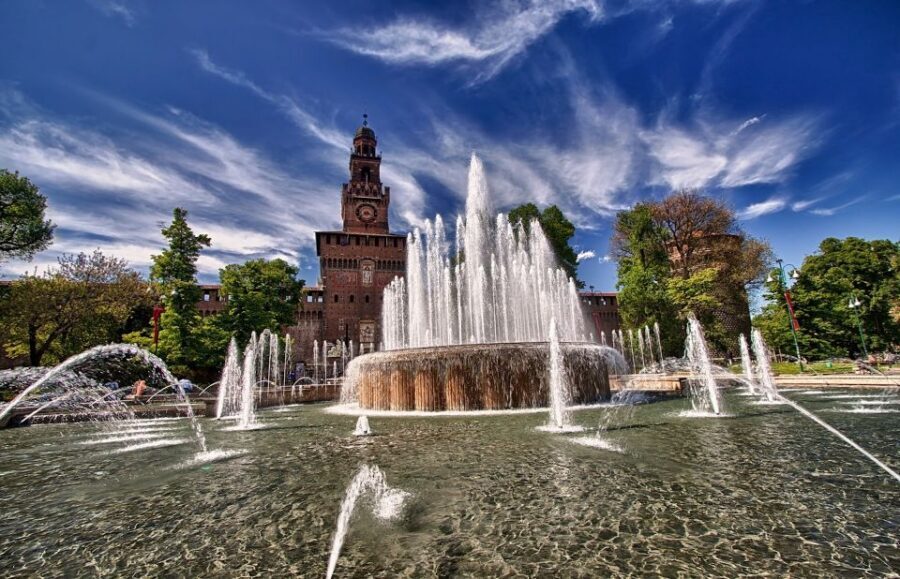
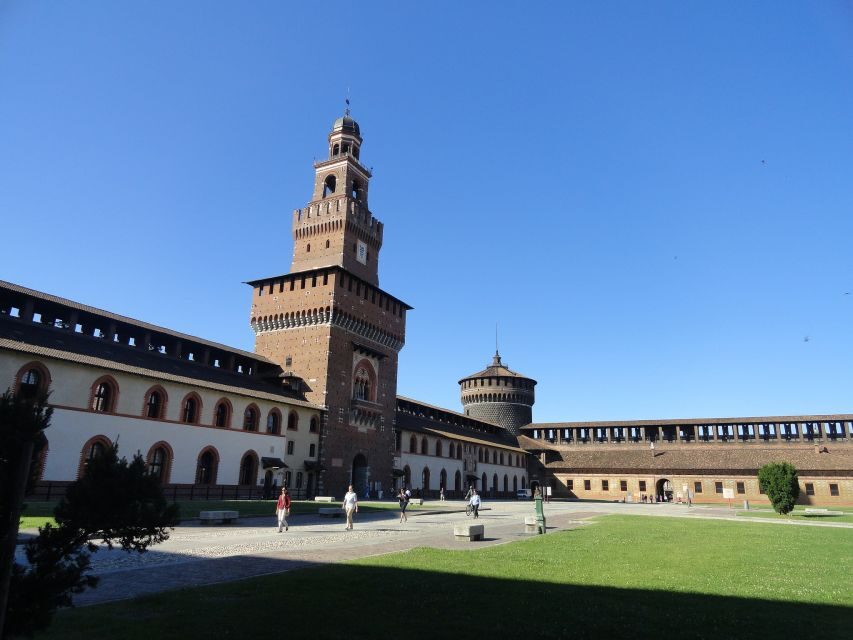
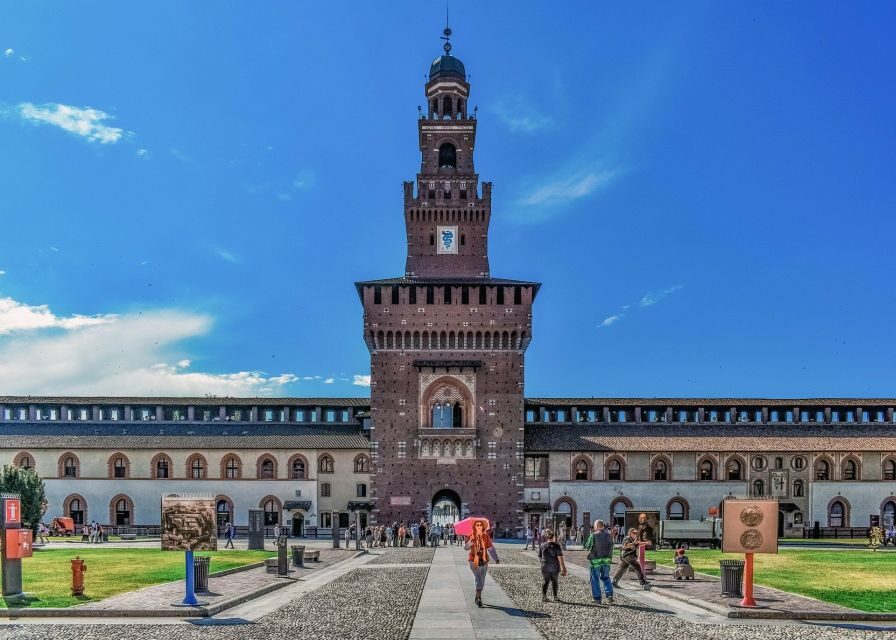
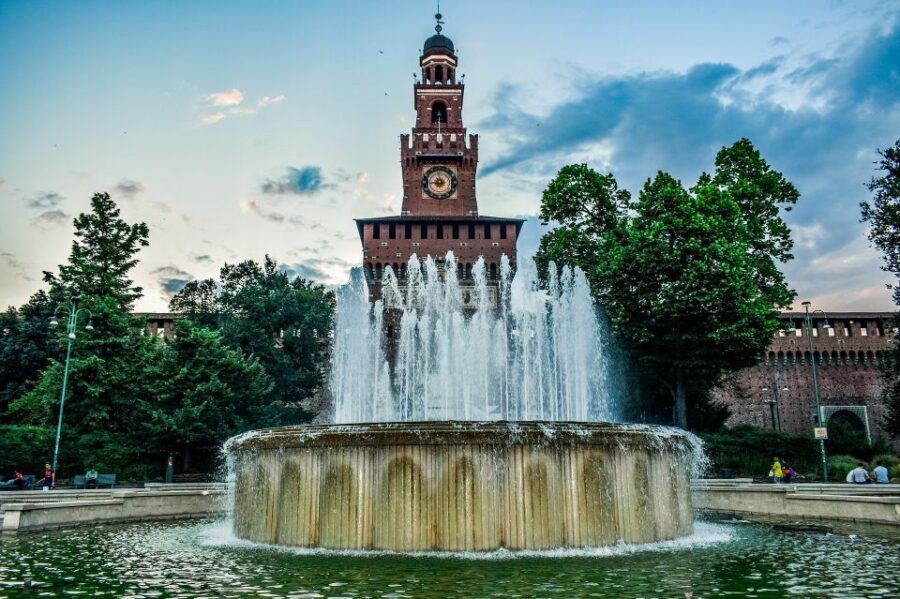
You start in the right place, and that matters with a big site like this. Meet your guide in Piazza Castello, under the Filarete clock tower, standing in front of Sforza Castle—not in the courtyards. Look for the guide holding a Hidden Experiences purple flag or board.
That setup is more than just a detail. The castle complex can feel like a maze once you’re inside. Starting correctly means you spend your paid time actually seeing and learning, instead of doing the classic Milan thing: wandering, guessing, and then realizing you’re a few steps off.
The 1.5-hour flow: how the tour keeps your focus
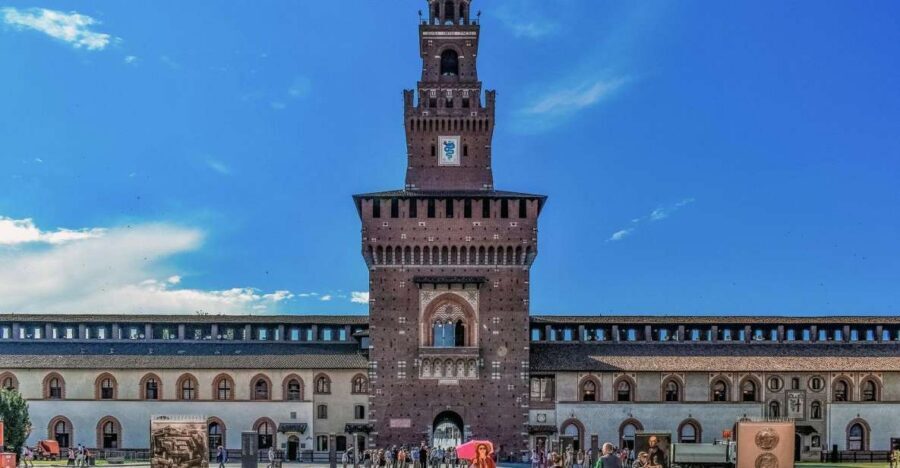
This is a short, high-impact tour. In about 90 minutes, you get:
- access to the castle and museum spaces
- guided attention on Michelangelo’s Pietà Rondanini
- a walking route through important Renaissance courtyards, where the stories about Milan’s ruling families and Leonardo’s role make sense
Because the time is limited, the guide tends to pick the most meaningful points to connect art, politics, and architecture. If you love long museum sessions, you might want extra time afterward on your own. If you want a smart hit of the big ideas, this format works.
You can also read our reviews of more tours and experiences in Milan.

Michelangelo’s Pietà Rondanini: why the unfinished matters
The emotional core of the tour is Michelangelo’s Pietà Rondanini. It’s housed in a museum space within the castle, and it’s not the kind of masterpiece that greets you with neat perfection. This one is famously unfinished—Michelangelo worked on this marble block until just a few days before his death at age 89.
Here’s what I love about the way this work gets explained: it’s treated as a record of urgency, not a broken project. The guide points out how the figures are elongated and how the carving shows the raw, non-finito feel—surface and form still in motion. Instead of smoothing everything into a polished final, Michelangelo leaves you the sense that he’s trying to capture something before time runs out: spiritual intensity, not anatomical perfection.
The result is that you don’t look at the statue like a school exam. You look at it like a human decision made at the edge of a life. That shift is why people rate the tour so highly when they talk about the art portion.
Sforza power told through courtyards and symbols
After the Pietà, the tour moves into the castle’s dramatic heart: the ducal courtyards and the story-world of the rulers who made Milan matter.
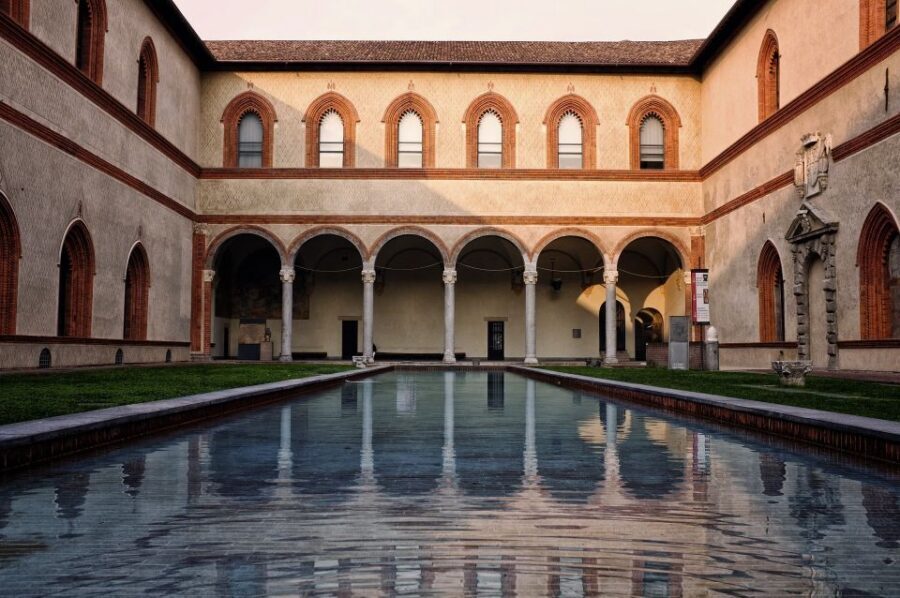
You’ll walk through the Corte Ducale and the Cortile della Rocchetta, with the guide weaving together:
- how the castle functioned as a seat of rule, not just a defensive shell
- what everyday power looked like in a Renaissance ducal court
- how political symbolism became identity
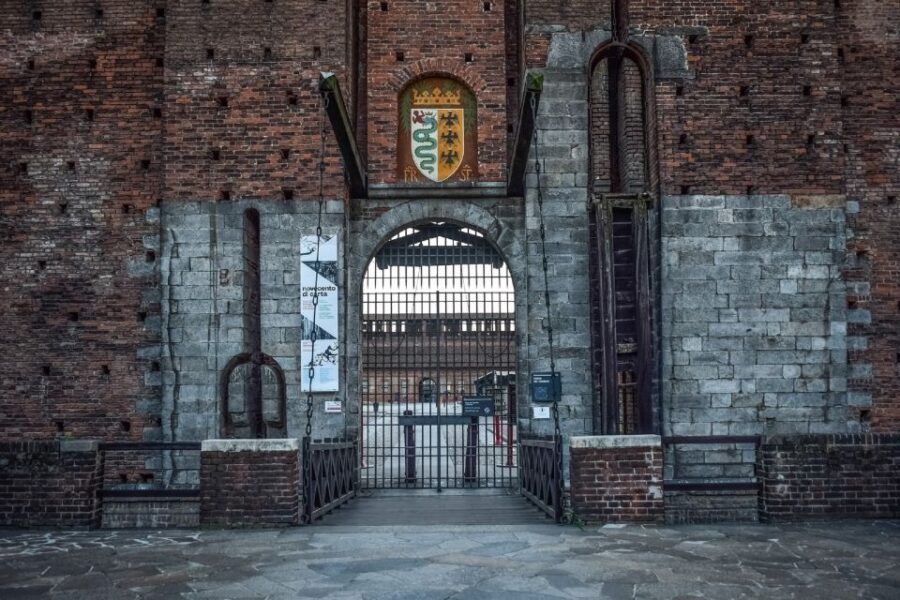
A big moment is the explanation of the Biscione—the serpent coat of arms tied to the Milanese ducal culture. It’s the kind of detail that sounds small until your guide connects it to who wanted what, and how those symbols helped a dynasty project control.
The tour also brings in the human side: noblewomen, ambitious men, and the daily logic of court life. You’re not just hearing dates; you’re learning how power actually operated—through image, marriage alliances, and the constant need to stay ahead.
Leonardo da Vinci at the castle: more than just the Last Supper
Leonardo is the other star of the show, and the tour does a smart thing: it doesn’t treat him as only a Last Supper guy. In this castle, Leonardo had a different kind of role.
The guide explains that Leonardo lived and worked in the Sforza orbit for nearly twenty years, and that inside this complex he served as a court engineer and architect. That framing changes how you think about Leonardo’s skills. You start seeing him less as a lone genius and more as a working mind under patron pressure—solving problems, designing, advising, and earning his place in a political environment.
You’ll also hear about his relationship with the Sforza family and why that mattered. If you already know Leonardo for his paintings, this part adds depth. If you know little beyond the big names, it still lands, because the castle architecture gives you a believable setting for how a court used creativity as power.
Filarete Tower and Renaissance architecture: seeing the castle as a machine
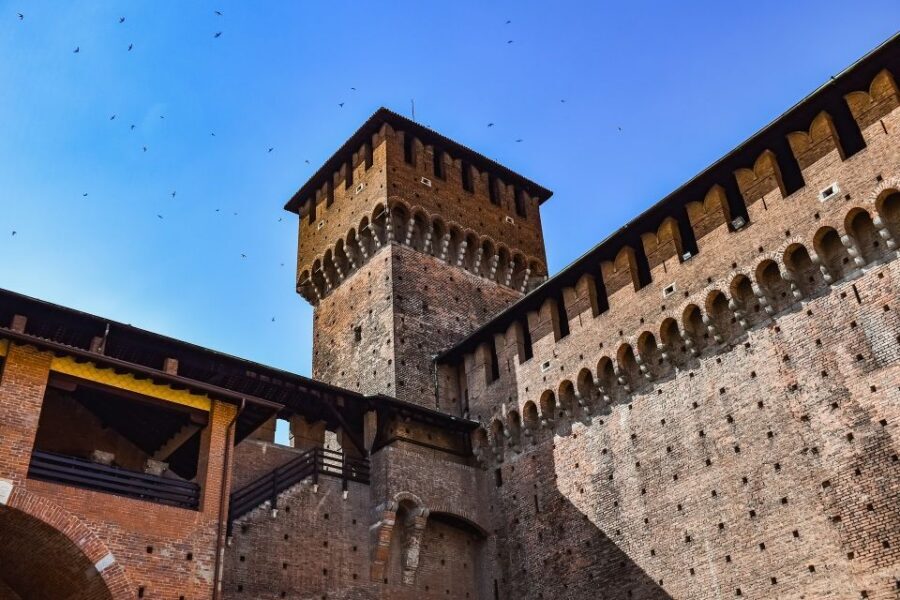
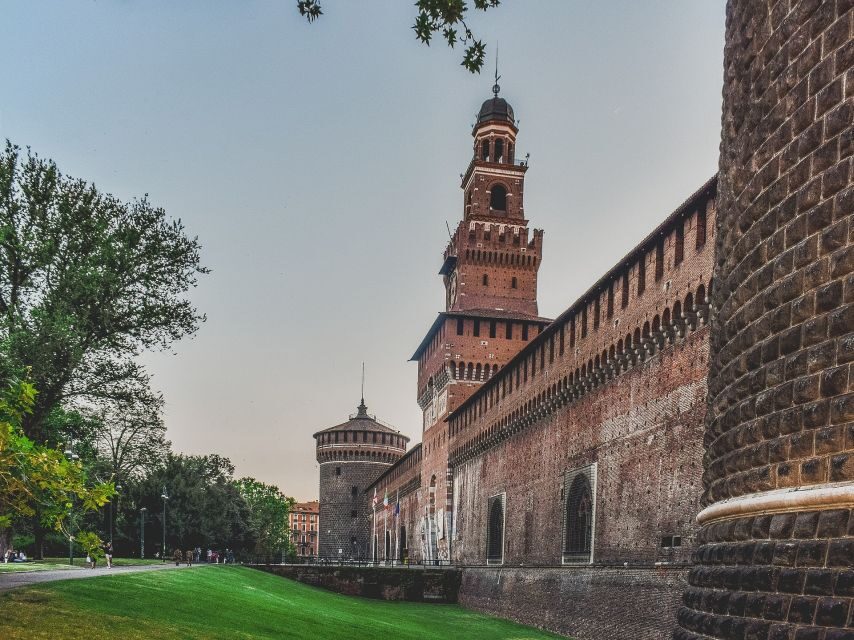
Sforza Castle isn’t just impressive because it’s large. It’s impressive because it’s layered—medieval defense plus Renaissance-level ambition, all in one site.
As you move around, the guide points out how the structure survived centuries and what that meant for Milan’s identity. One standout moment is the presence of the Filarete Tower area. Even if you only catch the tower while meeting or while moving through the grounds, the guide’s explanation helps you read it correctly: this is where Milan announces itself in stone.
The Renaissance architecture in the internal spaces makes the transition feel believable. You’re not imagining what changed from fortress to capital. You’re walking where those changes were lived—under the same kind of roofs, inside the same kind of courtyards, in a place designed to show authority.


Price and value: does $47 make sense for 90 minutes?
At $47 per person for about 1.5 hours, the value comes from three things you actually feel on the ground.
First, you’re not paying just for access. The tour includes entrance fees for the castle and museum areas, plus a certified guide and headphones for a group experience.
Second, it’s a focused art-and-history combo. Many Milan experiences either go all-in on art or all-in on city history. This one uses Pietà Rondanini as the emotional anchor, then uses courtyards and symbols to explain the political machine around it. That connection is what makes the time feel productive.
Third, small-group pacing helps you keep up. The format is short enough that you can stay engaged, and the guide keeps the story moving instead of letting you get stuck in one room forever.
Is it pricey for a single building? Yes, in the sense that you could enter on your own. But you’d be missing the exact links—Michelangelo’s final years, Leonardo’s court engineering role, and the way the dukes turned symbols and architecture into control. For a first-time stop at Castello Sforzesco, it’s a very practical spend.
What to look for in your guide (and why names keep showing up)
This tour’s best results are tightly tied to the guide. Some guides are especially praised for:
- making complex details easy to follow without speeding through
- using clear, calm explanations that help you connect the dots across art and politics
- answering questions patiently and keeping the group focused
In the feedback I saw reflected here, guides with names like Giorgio, Stephanie, Simone, and Lorella come up again and again for that art-to-history clarity. If your guide is Giorgio, you can expect a careful framing of the castle’s story and why the Pietà feels like a final statement. If you get someone like Simone, you’ll likely feel a steady, engaging narrative style that keeps the pieces from turning into random facts.
One practical note: a couple of people mention the earpieces don’t always work perfectly. That doesn’t mean the tour fails, but it’s a reason to stand where you can see your guide when possible.
Who should book this tour?
I’d point you here if:
- you want a high-impact introduction to Sforza Castle without getting lost in museum rooms
- you care about art history but also like stories about power, patronage, and politics
- you want to see Michelangelo’s late work in context, not as a standalone object
If you’re the type who wants to linger 45 minutes in one gallery, you may feel the time is too short. In that case, consider booking this first to get oriented, then add extra solo time afterward.
Should you book the Sforza Castle and Pietà Rondanini Tour?
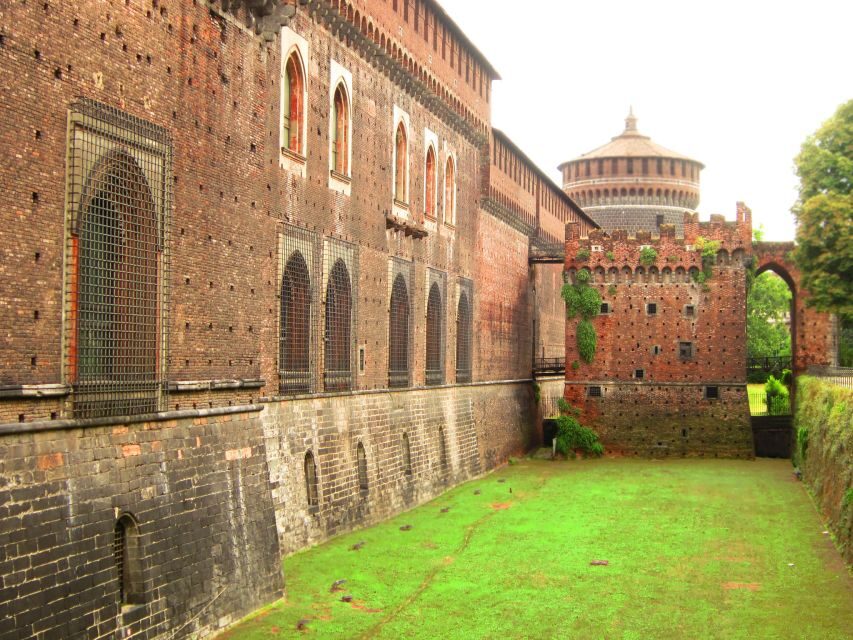
Book it if you want the best use of 90 minutes at Castello Sforzesco: the Pietà Rondanini with strong interpretation, plus the ducal and Leonardo context that makes the castle feel alive.
Pass (or add extra time) if you’re planning to spend most of your day in museums and you know you’ll want to linger far longer than a short guided route allows.
FAQ
How long is the tour?
It lasts about 1.5 hours.
Where do I meet the guide?
Meet in Piazza Castello, under the Filarete clock tower, in front of Sforza Castle (not inside the courtyards). Look for the guide with the Hidden Experiences purple flag or board.
What’s included in the price?
Entrance fees to the castle and museum are included, along with a certified guide and headphones. This is also a small-group guided tour.
Which languages are offered?
The live guide is available in Italian, English, German, French, and Spanish.
Is the tour wheelchair accessible?
Yes, the tour is listed as wheelchair accessible.
Can I get a refund if my plans change?
Yes. You can cancel up to 24 hours in advance for a full refund.