REVIEW · MILAN
Small group Pasta and Tiramisu class in Milan by Cesarine
Book on Viator →Operated by Cesarine: Cooking Class · Bookable on Viator
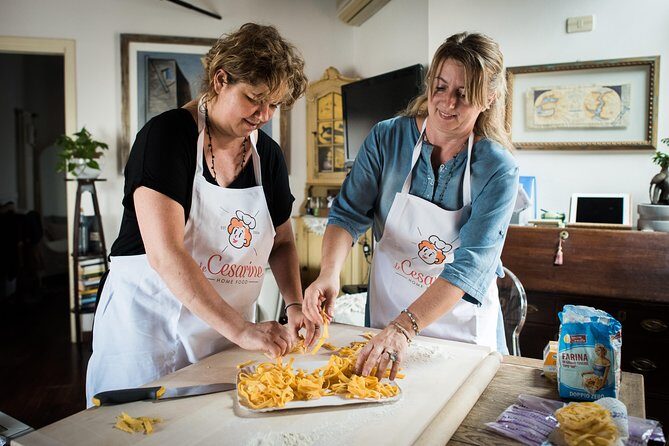
Pasta lessons in someone’s home, Milan. You’ll learn sfoglia by hand and cook alongside a Cesarina in a small-group setup that feels personal right from the start. The aperitivo comes first, so you’re relaxed before you start kneading and rolling.
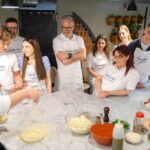
I like how the class is built for attention, not chaos. With a maximum of 12 people, your host can correct technique as you go, which matters a lot when you’re making pasta dough by hand. And since it’s taught in English, you’ll spend more time cooking and less time guessing.
One drawback to plan for: the exact home location may not be clear until closer to the class, so give yourself extra time to get there by tram or on foot. If you’re trying to hit other plans the same evening, build in buffer.
- Hand-rolled sfoglia right in Milan, not a shortcut lesson
- Aperitivo kickoff with prosecco and snacks before the cooking starts
- Small group (max 12) for more coaching and fewer bottlenecks
- Two different pasta styles from scratch plus tiramisù
- English instruction in a home setting run by a Cesarina
- Sanitary setup and distance guidance provided in the home
In This Review
- Cesarina Cooking in Milan: Why This One Feels Real
- Prosecco Aperitivo First: A Friendly Start Without the Pressure
- Rolling Sfoglia by Hand: The Skill That Changes How You Cook Pasta
- Two Pastas from Scratch: Simple Techniques, Real Payoff
- Tiramisù Workshop: Dessert With a Home-Kitchen Feel
- Home-Table Reality: Small Group Coaching, English Support, and Transport
- Price and Timing: What You’re Really Paying For
- Who Should Book This Milan Pasta and Tiramisu Class
- Should You Book This Pasta and Tiramisu Class?
- FAQ
- How long is the Pasta and Tiramisu class?
- Where does the class take place?
- How many people are in the class?
- Is the class offered in English?
- What does the class include?
- Is there a morning or evening option?
- Is there a dress or equipment requirement?
- How is the class handled for health and hygiene?
- What is the cancellation policy?
Cesarina Cooking in Milan: Why This One Feels Real
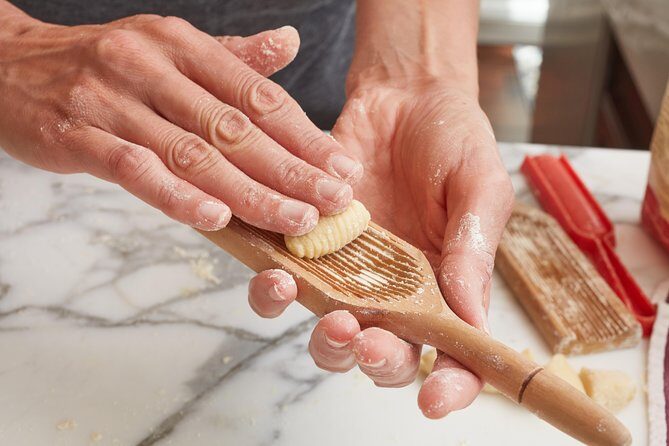
Milan has a lot of food experiences. This one stands out because it happens in a real kitchen, with a real host setting the pace.
You’re not just learning recipes. You’re learning process: how dough should feel, how to roll evenly, and how to build a dish step by step. That hands-on part is what makes the class worth your time—especially if you’ve ever tried to make pasta at home and realized your pasta dough had other plans.
The class format is also practical. It’s offered as a morning or evening option, it runs about 3 hours, and it keeps the group to a maximum of 12. That’s a sweet spot for instruction without turning it into a factory line.
Prosecco Aperitivo First: A Friendly Start Without the Pressure
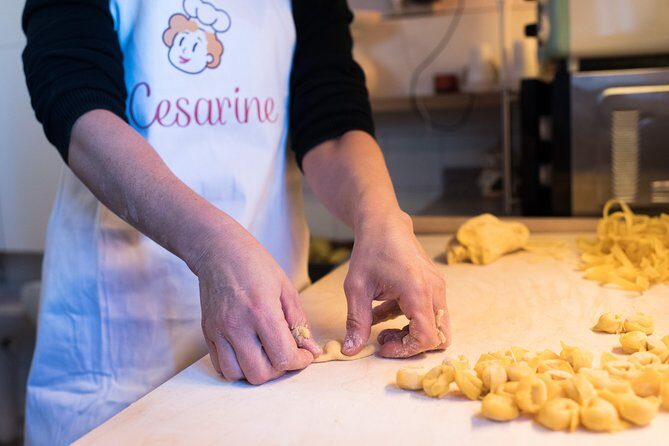
The best classes reduce stress early. Here, the tone is set before you touch dough.
You begin with an aperitivo that includes prosecco and snacks. This isn’t just a perk. It helps you settle in, meet the group, and get comfortable asking questions in the middle of cooking.
From there, the energy shifts into work mode. You’ll move from sipping and chatting to rolling and shaping, then back to relaxing once your dishes are ready. If you like food experiences that mix conversation with hands-on cooking, this flow is built for you.
In a couple of sessions, hosts also add a carefully chosen drink alongside the aperitivo—so you might see a bit more than the standard prosecco-and-snacks setup. Either way, the idea is the same: start pleasant, then cook.
You can also read our reviews of more tours and experiences in Milan
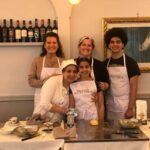
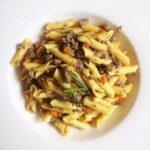
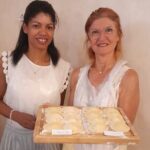
Rolling Sfoglia by Hand: The Skill That Changes How You Cook Pasta
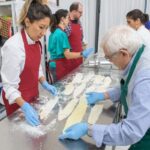
The core of the class is making sfoglia, fresh pasta dough, by hand. This is the part you’ll feel in your hands, not just on your tongue later.
You’ll learn how to roll the dough the way Italians do—thin, even, and with attention to thickness. That matters because pasta thickness is basically flavor math. Too thick and it eats heavy. Too thin and it can turn fragile.
The class isn’t presented as a single magic move. It’s more like a series of small corrections. Your host helps you adjust as you go, which is why the small-group size makes such a difference. With only up to 12 people, you’re more likely to get real-time feedback instead of waiting your turn.
And since this is happening in the heart of Milan, you’re doing it in the same kind of everyday context locals grow up around. Even if you don’t speak much Italian, the rhythm of the kitchen teaches you faster than any video.
Two Pastas from Scratch: Simple Techniques, Real Payoff
You can’t visit Italy and not want at least one pasta success story. This class gives you that chance—and then some.
The structure is straightforward: you’ll prepare two simple different kinds of pasta from scratch, guided from start to finish. The goal isn’t to overwhelm you with a complicated “Michelin-level” project. It’s to teach skills you can repeat, like handling dough, managing timing, and getting the pasta to the right texture.
The sample regional pasta options shown for the experience include dishes like pizzoccheri, risotto, or lasagna. That list helps you understand the flavor direction: regional comfort food, not weird science experiments. Even when the exact two pastas vary, you can expect the emphasis to stay on fresh preparation and classic Italian satisfaction.
What you’ll like most is how much you’ll understand what you’re eating. This isn’t a tasting menu where everything happens offstage. When you finish cooking, you’re eating the results of your own work—plus you’ll understand why each step mattered.
Tiramisù Workshop: Dessert With a Home-Kitchen Feel
Then comes the best kind of homework: dessert you actually want to make.
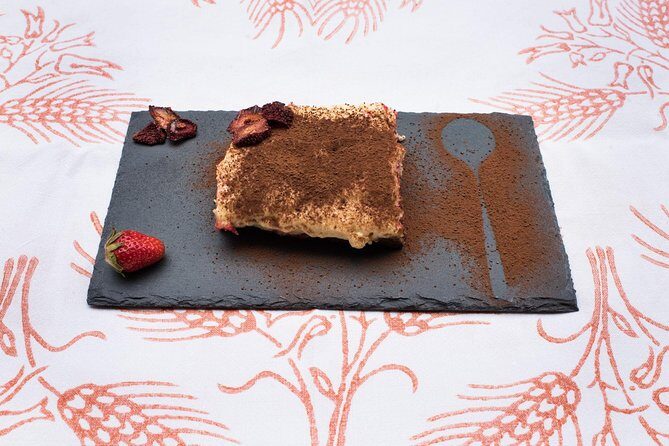
You’ll prepare tiramisù as the class dessert. You get the hands-on guidance, and you learn the rhythm that makes tiramisù feel light rather than heavy. It’s also the dish that tends to bring people together at the table, because everyone can agree on one thing: it should taste right.
The tiramisù element is a key value piece. Many pasta lessons stop at the savory part. Here, you get a full meal arc: pasta creation, then a dessert finish, all within the same 3-hour session.
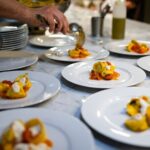
And because it’s made in a home setting, the experience feels more like a real dinner evening than a studio class. Even the way the table is set up can be part of the charm—some sessions include classic tableware and a proper sit-down meal once everything is ready.
Home-Table Reality: Small Group Coaching, English Support, and Transport
This is a home-hosted experience by a Cesarina, and that affects everything.
First, the group size is capped at 12 travelers. That keeps the class from turning into a line. In a smaller room, you can actually watch what your host is doing, then copy it without losing confidence.
Second, the class is offered in English. That’s big if you’re trying to learn cooking steps without constantly translating in your head. You’ll be able to ask about consistency, timing, and technique while you’re actively working.
Third, the home is near public transportation. So even if you’re staying outside the most central hotel zone, you should be able to reach the meeting area without a complicated routing plan. You’ll also get a mobile ticket, which makes it easier to keep everything on your phone.
Finally, there’s a sanitary and distance note that you should take seriously. The experience states that the home provides essential sanitary equipment, including handwashing materials and sanitizer. It also asks you to maintain 1 meter distance when needed, and if that distance can’t be maintained, to follow the mask and gloves guidance provided.
If you’re someone who prefers clear rules and practical safety habits, this approach should feel reassuring.





Price and Timing: What You’re Really Paying For
At $155.42 per person for about 3 hours, the price needs to cover more than just instruction. In your case, you’re paying for:
- A Cesarina-hosted home setting
- Time and coaching for hands-on pasta-making
- A meal structure (pasta plus tiramisù)
- An aperitivo start with prosecco and snacks
- The small-group ratio that makes the teaching more personal
That’s why the cost can feel reasonable compared to cheaper “watch and taste” formats. If you’re the kind of traveler who wants food knowledge you can use later, this class is more like a paid skill session than a typical attraction.
Timing-wise, you can choose a morning or evening class, which helps you fit it into a Milan day. On average, people book around 39 days in advance, so if you have a specific date in mind, it’s smart to lock it in early.
And remember the practical flow: it ends back at the meeting point. That keeps the evening from turning into a long transportation puzzle.
Who Should Book This Milan Pasta and Tiramisu Class
This is a strong fit if you want a meaningful food experience without turning it into a rigid tour bus day.
Book it if you:
- Like learning by doing, especially with dough, rolling, and shaping
- Want an experience in a home setting, not a restaurant classroom
- Enjoy a social but guided format (aperitivo first, cooking together, then sitting down)
- Travel in a group size that will benefit from more attention from the host
It may also work well for families, since the learning focus is on making unprocessed or lightly processed food and understanding what you’re preparing. The hands-on part is often what kids remember most—because they’re not only watching, they’re participating.
If you hate the idea of cooking with other people nearby, or you need total privacy, this kind of class may not feel comfortable. But if you’re open to conversation and shared work at the table, it’s a great match.
Should You Book This Pasta and Tiramisu Class?
I’d book it if your top priority is learning fresh pasta technique and ending the evening with tiramisù you actually helped make.
The biggest advantages are practical: small-group coaching, learning sfoglia by hand, and getting a full food experience in one sitting. The main thing to weigh is the home location detail that may not be fully obvious until later—so plan for transit time and avoid stacking tightly timed activities right after.
If you want a Milan food moment that feels local, hands-on, and genuinely useful after you go home, this is one of the better ways to do it.
FAQ
How long is the Pasta and Tiramisu class?
The class runs about 3 hours.
Where does the class take place?
It starts in Milan, Metropolitan City of Milan, Italy, and ends back at the meeting point.
How many people are in the class?
The experience has a maximum of 12 travelers.
Is the class offered in English?
Yes, it’s offered in English.
What does the class include?
You’ll learn to roll sfoglia (fresh pasta) by hand, prepare 2 simple different kinds of pasta from scratch, and make tiramisù. The start includes an aperitivo with prosecco and snacks.
Is there a morning or evening option?
Yes. You can choose a morning or evening class to fit your schedule.
Is there a dress or equipment requirement?
No specific dress code or equipment is listed in the provided details.
How is the class handled for health and hygiene?
The homes provide essential sanitary equipment for guests, and there is guidance to maintain 1 meter distance when possible. If distance can’t be maintained, masks and gloves are mentioned.
What is the cancellation policy?
Free cancellation is available up to 24 hours in advance for a full refund. Changes within 24 hours of the start time are not accepted, and the cutoff is based on the local time of the experience.