REVIEW · MILAN
Ticket Pinacoteca Ambrosiana + Cripta San Sepolcro, Milan
Book on Viator →Operated by Veneranda Biblioteca Ambrosiana · Bookable on Viator
Milan has a secret under your feet. This ticket combo lets you see top art at the Pinacoteca Ambrosiana and then step into the Cripta San Sepolcro, a medieval space built with Roman stones. I love that the visit pairs world-famous names with surprisingly “hands-on” details, like the museum’s rare drawings tied to Leonardo da Vinci.
I also like the pacing. In about 1 hour 30 minutes to 2 hours, you can cover two very different sides of Milan: a picture-filled gallery and a dim, old crypt that makes the city’s layers feel real. One thing to consider: you’re not getting a tour guide or audio guide with this ticket, so you’ll want to be comfortable reading signs and taking your time.
If you keep your expectations practical, this works great. You’ll get admission to both places with a mobile ticket, and it’s a nice match for people who like art, architecture, and history without turning the day into a marathon.
In This Review
- Key highlights to know before you go
- A tight, smart Milan plan: art upstairs, stone below
- Pinacoteca Ambrosiana: masterpieces you can actually focus on
- Why these works matter for your time
- A quick watch-out
- Leonardo’s world: the 17th-century reading room and original drawings
- Tip for making the most of this room
- Cripta San Sepolcro: medieval stone and Roman paving beneath it
- What to expect on the crypt side
- How to plan: where this fits in your day
- Mobile ticket sanity check
- Service animals
- Value for money: admission to two important sites
- Timing and pacing: make the 1.5–2 hours feel bigger
- Who should book this, and who should skip it
- Should you book this Milan ticket combo?
- FAQ
- How long is the experience?
- What’s included in the ticket?
- Are tour guides or audio guides included?
- Is this a mobile ticket?
- Where is the experience located?
- Are service animals allowed?
- What is the cancellation policy?
Key highlights to know before you go
- Caravaggio’s Basket of Fruit: a major stop for anyone who loves dramatic light and storytelling through paint
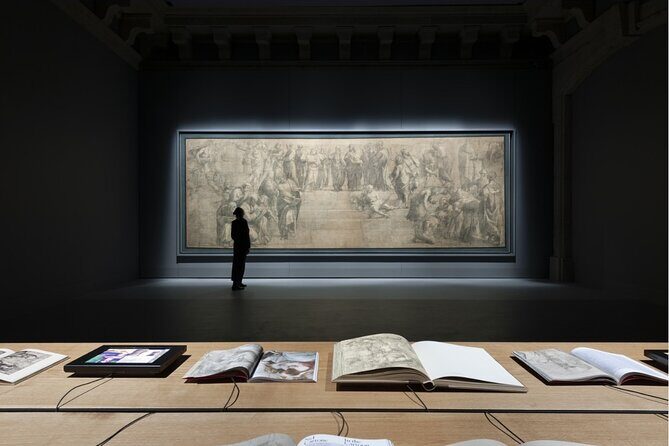
- Raphael’s Cardboard for the School of Athens: the kind of study that makes you see the bigger Renaissance process
- Leonardo’s Portrait of the Musician: a small work with big pull
- The 17th-century reading room: original space that supports the museum’s book-and-drawing focus
- The Cripta San Sepolcro’s Roman paving: ancient stones from Mediolanum underneath your shoes
- One mobile ticket for both: a simple setup for a short Milan outing
A tight, smart Milan plan: art upstairs, stone below
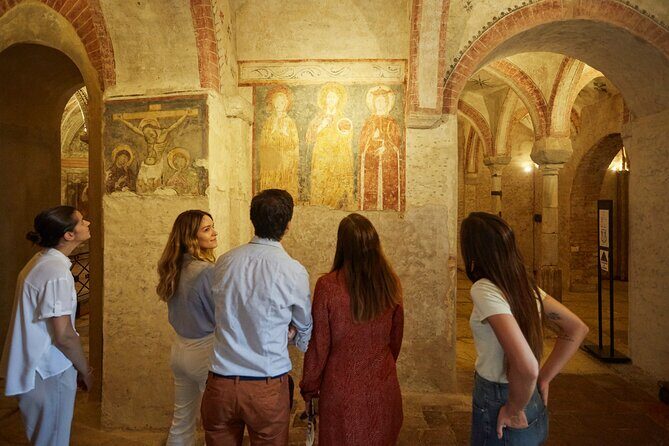
This is a great option if you want two iconic places without spending your whole day in transit or waiting around. The total time is listed at about 1 hour 30 minutes to 2 hours, which is realistic if you move at a calm museum pace and don’t get stuck rereading every label.
You’ll start with the Pinacoteca Ambrosiana, then head to the Cripta San Sepolcro for the medieval crypt visit. That order matters. After you see the artworks and drawings, the crypt feels even more like a “time machine,” because it’s literally Milan layered over Milan.
No guide is included with the ticket. That’s not a deal-breaker. It just means you’ll enjoy this most if you like discovering at your own speed, and you’re willing to use the information on-site to connect the dots.
You can also read our reviews of more tours and experiences in Milan
Pinacoteca Ambrosiana: masterpieces you can actually focus on
The Pinacoteca Ambrosiana is known for holding works that many people associate with a single name, a single masterpiece daydream. What I like about visiting here is that it’s not just about seeing famous paintings. It’s also about seeing how artists worked—especially when the museum brings sketches and studies into the mix.
Some of the big hits you can expect to encounter include Caravaggio’s Basket of Fruit. If you’re used to Baroque drama on a canvas, you’ll recognize the mood right away—this is paint that tries to grab you by the collar. Next, keep an eye out for Raphael’s Cardboard for the School of Athens. “Cardboard” might sound less exciting than a finished fresco, but studies like this help you understand the Renaissance machine: planning, transfer, and revision.
The Pinacoteca also highlights other European greats, including Brueghel’s Vase of Flowers. Even if you’re not a specialist, flower paintings can be an easy entry point. They help you settle into the museum rhythm before you shift into the deeper Leonardo material.
Then there’s Leonardo da Vinci’s Portrait of the Musician. It’s the kind of portrait that makes you slow down. Even with a quick visit, you’ll likely find yourself staring longer than you intended.
Why these works matter for your time
You might think a museum stop should be about one “must-see.” Here, the value is that you get several. You can spend a little time with Caravaggio’s energy, a little with Raphael’s process, and then pivot to Leonardo’s connection to drawings and books. That variety makes the 1.5–2 hour window feel fuller than the clock suggests.
A quick watch-out
Because no guide or audio is included, don’t plan on floating through everything. If you want the most meaning from the works, decide ahead of time which pieces are your personal top 2 or 3. Otherwise, you can end up doing the museum equivalent of window-shopping.
Leonardo’s world: the 17th-century reading room and original drawings
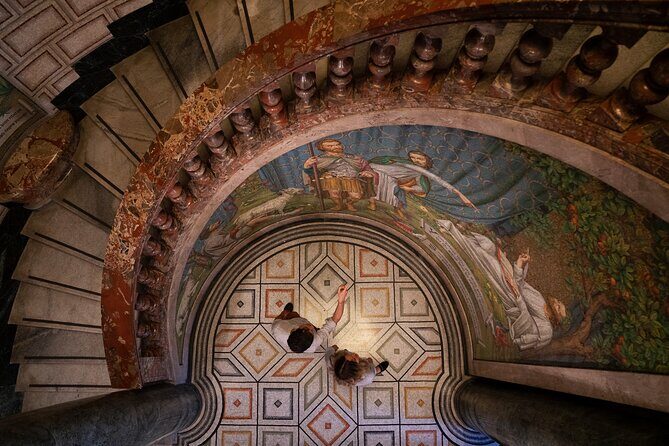
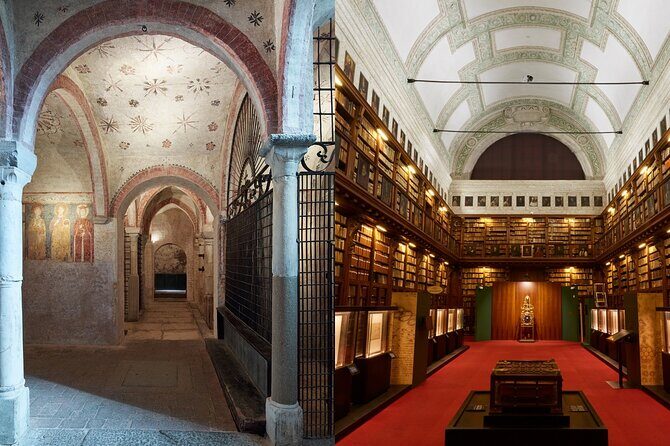
One of the most memorable parts of this visit is the 17th-century reading room tied to the library’s collection. This isn’t just a fancy space. It’s part of what makes the Ambrosiana feel different from a standard art gallery, because the museum’s identity is tied to books, manuscripts, and drawings.
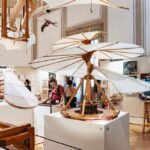
Leonardo’s connection comes through in a specific way: original drawings associated with the Atlantic Codex. If you’ve only encountered Leonardo through finished paintings, it’s a smart surprise to see how much of his legacy lives in drafts, sketches, and working ideas.
For me, the reading room adds a “how did this get here?” feeling. You’re not only looking at art; you’re seeing the physical environment that protects knowledge. That changes the mood of the visit. You slow down more. You read more. You start asking better questions like why a study matters, not just what a masterpiece looks like.





Tip for making the most of this room
If the reading room experience is your priority, build in extra minutes for it. The time feels different inside a space like that. People who rush tend to miss the point.
Also, since you’re using a mobile ticket (not a paper pass), keep your phone handy and charged. You don’t need to stress, but you do want your access ready when staff check in.
Cripta San Sepolcro: medieval stone and Roman paving beneath it
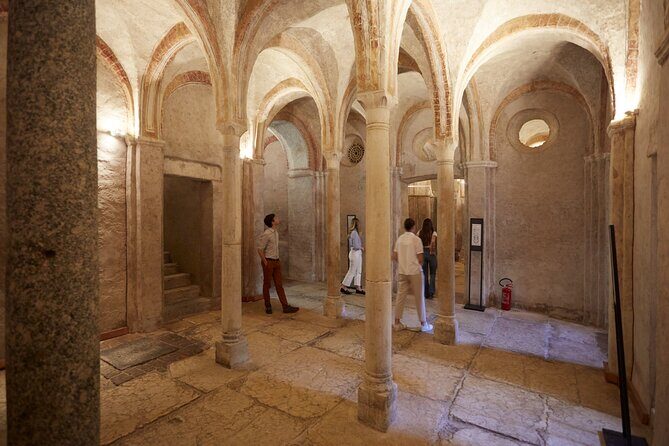
After the museum, the shift to the Cripta San Sepolcro is a highlight. This is a medieval hypogean church—meaning an underground space—where the paving was made using ancient stones from the Roman city of Mediolanum.
That detail is the reason this stop feels more than just “another old room.” You’re literally walking on material that connects eras. Milan’s story isn’t only in plaques. It’s in what the floor is made of.
The crypt gives you a different kind of time travel. Pinacoteca Ambrosiana shows you Renaissance thinking and artistic planning. The crypt shows you how the city reused space and stone as it changed. It’s history you can touch, in the most literal way possible.
What to expect on the crypt side
This portion is shorter—about 30 minutes in the plan you’re working with. That’s good. It keeps the day balanced. You get the underground experience without turning it into a long slog in cooler, darker conditions.
If you’re claustrophobic, you should consider that this is an underground space. The data doesn’t mention restrictions or comfort notes, so don’t assume. Just keep your comfort needs in mind when you choose your timing.
How to plan: where this fits in your day
This combo is designed for a practical Milan schedule. You’re looking at around 1 hour 30 minutes to 2 hours total, with admission to both sites included. That makes it a good “main stop” on a day when you want culture but also want time to wander outside afterward.
It’s also listed as near public transportation. That matters in Milan. Transit can be a lifesaver, and the ability to hop between nearby stops helps you avoid wasting daylight.
Mobile ticket sanity check
You’ll use a mobile ticket. That’s usually fast, but it does require one simple habit: keep the ticket accessible. Don’t bury it under screenshots and group chats. Make it easy on yourself.
Service animals
Service animals are allowed. If that applies to you, it’s a reassuring detail to see explicitly listed.
Value for money: admission to two important sites
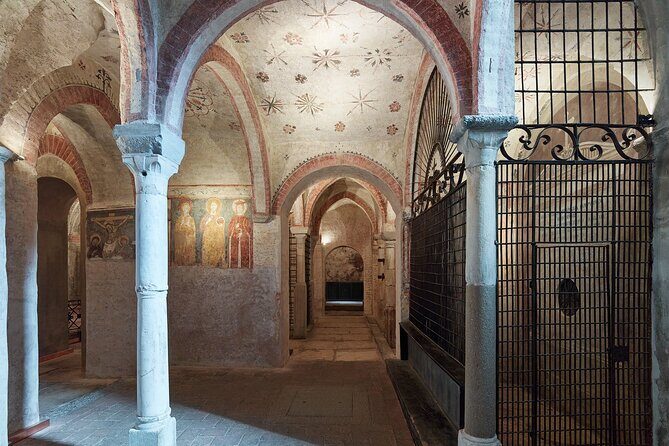
This ticket includes admission to both the Pinacoteca Ambrosiana and the Cripta San Sepolcro. That’s the core value. You’re not just paying for one room or one building. You’re buying access to two different types of experience—art and underground architecture—with one mobile ticket.
What’s not included is what many visitors usually ask for next: tour guides and audio guides. So the “value” depends on how you like to travel. If you enjoy self-guided visits with good signage, this fits nicely. If you want someone to explain themes and connect artists to their time, you’ll need to plan for that elsewhere.
In other words: this is a smart ticket combo, but it works best with the right travel style.
Timing and pacing: make the 1.5–2 hours feel bigger
To stretch this into a more satisfying experience, I recommend you treat it like a two-act show.
Act 1 (Pinacoteca): choose your personal must-sees first. You can still enjoy everything else, but don’t rely on your brain to remember what mattered when you’re surrounded by masterpieces.
Act 2 (Crypt): slow down just a bit. The crypt is shorter, and the payoff is the Roman-stone detail and the medieval setting. If you rush, you miss the feeling that the city is layered under your feet.
If your plan includes any added guiding support beyond what’s included here, pay attention to start timing. Good punctuality makes a huge difference when you’ve only got a couple hours.
Who should book this, and who should skip it
Book this if you want a focused Milan day that mixes big-name art with an underground site that feels physically connected to the city’s past. You’ll also like it if you enjoy art in a quieter, more self-directed way, where reading and looking closely are part of the fun.
You might skip it if you strongly prefer guided storytelling and you don’t want to do any self-reading. Since guides and audio are not included, this ticket is best when you’re happy to explore with the information provided on-site.
It’s also a good fit for people who like variety. You get Caravaggio, Raphael, Brueghel, and Leonardo in one museum visit, then you get stone-and-time travel downstairs.
Should you book this Milan ticket combo?
Yes, I think you should book it if you’re the type who likes pairing art with place. The best reason is simple: you get two meaningful Milan stops under one mobile ticket system, in a time window that fits real itineraries.
If you come prepared to self-guide a bit—by picking a few must-sees and taking your time—you’ll leave feeling like you saw more than just famous names. You’ll understand the Ambrosiana approach: art plus study, paintings plus drawings, and then Milan’s layers literally underfoot in the crypt.
FAQ
How long is the experience?
The total time is listed as about 1 hour 30 minutes to 2 hours, with the Pinacoteca stop taking about 1 hour 30 minutes and the crypt about 30 minutes.
What’s included in the ticket?
The ticket includes admission to both the Pinacoteca Ambrosiana and the Crypt of San Sepolcro.
Are tour guides or audio guides included?
No. Tour guides and audio guides are not included.
Is this a mobile ticket?
Yes, it’s listed as a mobile ticket.
Where is the experience located?
It’s in Milan, Italy, and the site is noted as near public transportation.
Are service animals allowed?
Yes, service animals are allowed.
What is the cancellation policy?
Cancellation is free up to 24 hours in advance for a full refund. If you cancel less than 24 hours before the start time, the amount paid is not refunded.