REVIEW · MILAN
Choose three recipes to cook from all the traditional cuisine
Book on Viator →Operated by Cook and Dine · Bookable on Viator
A Milan home-kitchen class feels like a cheat code. You connect with Chef Aurora, Lucrezia, or Elena to cook a full 3-course Italian meal in a real home kitchen, and you get to choose your three recipes from dishes across Italy, including vegetarian and gluten-free options. I love that it’s truly hands-on, not watch-and-snack, and I also like the small-group size for real attention at each step. One possible drawback: depending on what you choose, you might not make every tiny component from scratch (like dough), so if that matters, ask what will be hands-on before you commit.
What makes this experience especially appealing in Milan is the way it mixes cooking skill with food culture. You’re taught practical technique—how to cut, season, time cooking, and handle frying and boiling—then you sit down to eat what you cooked with wine, prosecco, and limoncello. The whole thing runs about 3 hours, so it fits neatly into a day without eating up your entire itinerary.
Before you go, note the meeting point is in the city (Via Mantova, 19) and there’s no hotel pickup. Bring comfortable walking shoes and expect it to be best if you show up on time, since the experience doesn’t wait for long late arrivals.
In This Review
- Key reasons to book this Milan cooking class
- The rhythm of the class: arrive, cook for two hours, then eat your results
- Picking your three Italian recipes: how wide the menu actually goes
- Pasta and dumpling classics
- Vegetarian mains that feel like Italian food, not a compromise
- Meat and fish dishes with regional flavor
- Desserts that are famous for a reason
- Starters and the “extra fun” option: pizza or panzerotti
- What you’ll actually learn in the kitchen (beyond recipes on paper)
- Fresh pasta skills you can repeat at home
- Frying and oven finishing for Italian comfort textures
- Sauce-making and flavor building
- A sample trio that makes sense for a first Milan cooking class
- Lunch or dinner at your own table: wine, prosecco, and limoncello included
- Price and value: why $145.18 can feel fair in Milan
- Who this Milan cooking class fits best
- Common hiccups (and how to avoid them)
- Should you book this Milan cooking class?
- FAQ
- How long is the Milan cooking class?
- What group size should I expect?
- Is the class offered in English?
- Can I choose the dishes I cook?
- Are vegetarian and gluten-free options available?
- What’s included with the class?
- Do they pick you up from your hotel?
- Are children allowed, and how does the child rate work?
- Where is the meeting point in Milan?
Key reasons to book this Milan cooking class
- Choose three dishes from Italian traditions, and yes, vegetarian and gluten-free are part of the menu options
- Hands-on instruction on real techniques like timing, seasoning, frying, and boiling
- Fresh pasta and classic Italian comfort food are on the menu, not just one category
- Small group (max 10) means you get more attention while you cook
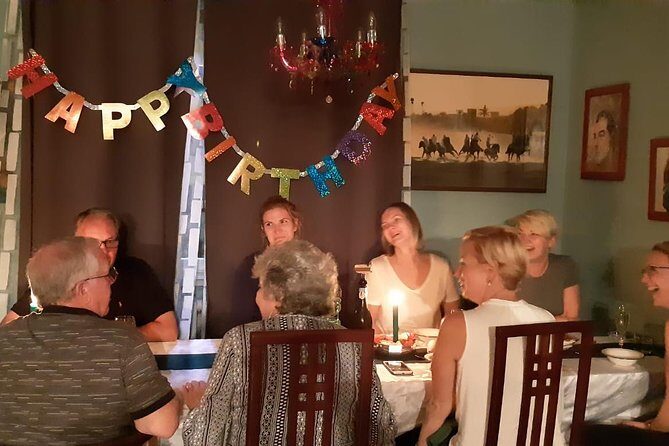
- You eat what you make: a 3-course meal paired with wine, plus prosecco and limoncello
The rhythm of the class: arrive, cook for two hours, then eat your results
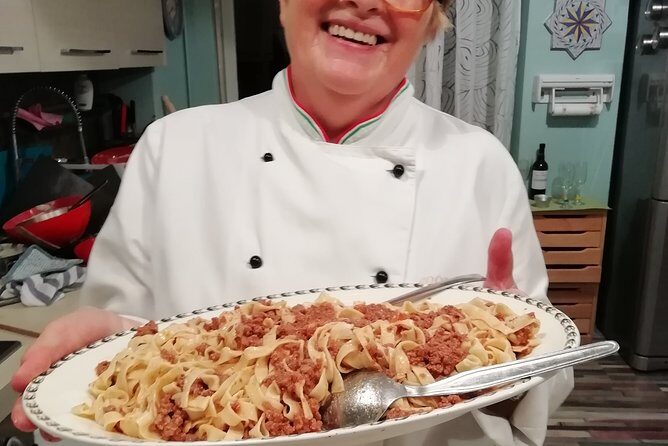
This is a cooking class built around a simple flow. You start by meeting the chef and getting settled, then the main action happens in the kitchen for about two hours where you cook your portion of the meal. After that, the experience turns into lunch or dinner where you enjoy your work at the table.
That structure matters for your travel day. You don’t have to choose between learning and eating well; both happen in the same sitting. And since the class is about 3 hours total, it’s easier to plan around Milan sights like a theater dinner or an evening stroll without rushing.
Also, because this takes place in a home kitchen, the pace feels more like learning from a friend than performing for a crowd. Reviews consistently highlight patient, step-by-step teaching, which is a big deal if you’re a beginner or traveling with kids.
You can also read our reviews of more tours and experiences in Milan.



Picking your three Italian recipes: how wide the menu actually goes
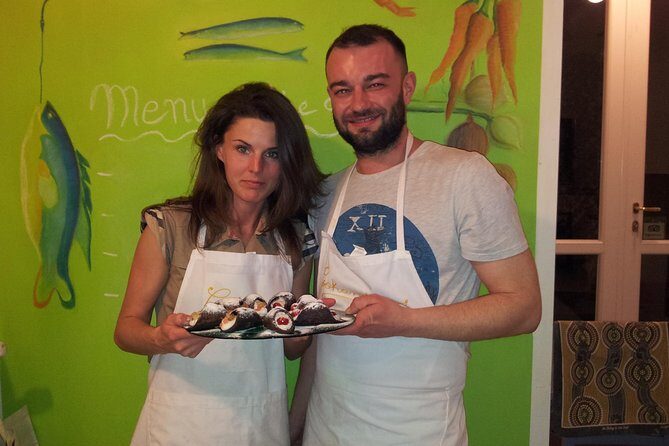
When you book, the chef reaches out with a list of options across Italian culinary traditions. You’ll choose three recipes, and if you’re the first booking for that date, you get the best shot at picking your exact trio. This choice is the real heart of the value, because it determines what skills you practice and what flavors you take home.
Here’s the range you can expect to choose from, based on the menu examples provided:
Pasta and dumpling classics
If you pick pasta-heavy dishes, you’re in for hands-on work with Italian comfort cooking. Options include tagliatelle with bolognese sauce, ravioli filled with pumpkin or ricotta with spinach, and homemade gnocchi. In this format, you’re not just assembling—you’re making and shaping as you go.
A small but important detail for your expectations: fresh egg pasta is described as hand-made, so the class leans into traditional technique rather than shortcuts.
Vegetarian mains that feel like Italian food, not a compromise
You can choose eggplant parmigiana or zucchini flowers filled with mozzarella. The eggplant version includes breading and frying, then finishing in the oven with mozzarella, basil, and tomato sauce. The zucchini flowers option includes frying the flower filled with mozzarella—so even vegetarian dishes still get the classic Italian “crisp outside, tender inside” treatment.
If you’ve ever had eggplant dishes in Italy and wondered how they get that flavor and texture, this is the kind of class designed to demystify it.
Meat and fish dishes with regional flavor
For meat, you might choose lamb in Roman style, cooked with wine, garlic, and anchovy (a typical Easter recipe flavor profile). For fish, there’s a Venice-style cod option: cod cooked with milk and onion, then creamed to spread on polenta.
These aren’t generic “Italian dinner” picks. They’re closer to regional home cooking, which is a big part of what makes the class feel authentic.






Desserts that are famous for a reason
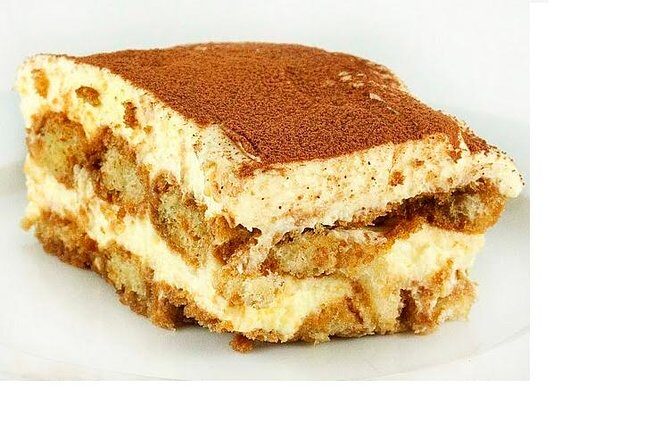
Tiramisu is one of the options, with mascarpone and coffee flavors. You can also choose panna cotta with cream and strawberry, or Sicilian cannoli with a filled ricotta mixture. There’s even a Caprese cake option, described as using almonds, egg, and cocoa powder and noted as a great gluten-free dessert.
Dessert here isn’t an afterthought. It’s part of the learning, and it usually lands as one of the most memorable parts of the meal.
Starters and the “extra fun” option: pizza or panzerotti
Bruschetta can be your starter: toasted bread topped with tomatoes, garlic, basil, and anchovies. If you want more variety, pizza or panzerotti is included in the example menu. Pizza is kneaded and topped with ingredients, while panzerotti is folded like a pocket, filled with mozzarella and tomatoes, and fried rather than baked.
What you’ll actually learn in the kitchen (beyond recipes on paper)
The teaching is built around technique you can use later, not just memorizing steps. The chefs focus on things like how to cut, how to use herbs and spices, how long to cook, and how to fry or boil.
That’s exactly what you want if your goal is to cook at home after the trip. Many cooking classes send you away with a list of instructions. This one aims to give you the cooking judgment behind those instructions—so you can reproduce results rather than hoping you guessed right.
Fresh pasta skills you can repeat at home
If you choose tagliatelle, ravioli, or gnocchi, you’ll practice the handwork that makes fresh pasta different. Kneading and shaping (and, for filled pasta, portioning filling) are the kinds of skills that help your future pasta actually taste handmade, not just homemade.
One caution from experience: some people feel they expected more hands-on dough making for certain dishes. That doesn’t mean it’s poorly run. It means the exact level of dough involvement can vary by dish choice and kitchen flow. If making dough from scratch is a must, confirm what’s included for your selected recipes.
Frying and oven finishing for Italian comfort textures
Eggplant parmigiana is a great example of how Italian cooking gets texture. You bread and fry the eggplant slices, then bake again with mozzarella and sauce to bring everything together. Zucchini flowers are similar in principle: fry the filled ingredient so you get that crispy surface while keeping the center tender.
This is also where timing matters most. If you’ve ever over-fried something at home and wondered why it tasted greasy or lost its structure, a guided frying step can save you from that.
Sauce-making and flavor building
Bolognese is the kind of sauce where small decisions add up: how ingredients are handled, how seasoning is layered, and how you manage time. The same goes for the Roman-style lamb flavors with wine, garlic, and anchovy—Italian depth without needing complicated gadgets.
A sample trio that makes sense for a first Milan cooking class
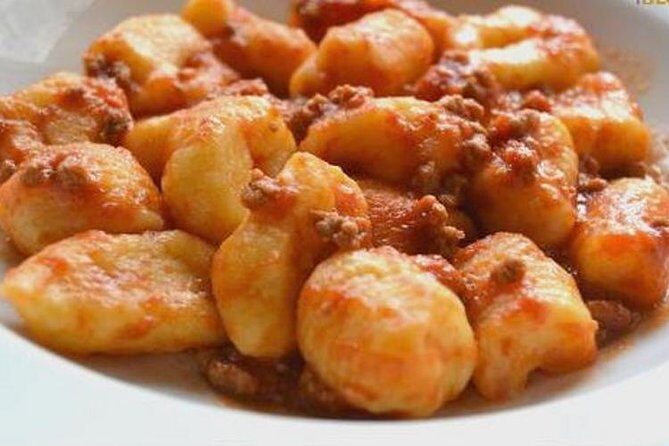
If I were helping a friend choose a beginner-friendly but still very Italian menu, I’d pick something like this:
- Bruschetta for your starter (simple, fast, and packed with flavor)
- Tagliatelle with bolognese sauce for your main (the classic Italian comfort skill)
- Tiramisu for dessert (the famous one, and a satisfying finale)
Here’s why this trio works:
Bruschetta teaches you the basics of toppings that taste bright rather than heavy. Then tagliatelle with bolognese gives you a core pasta-and-sauce lesson—fresh pasta plus a hearty Italian meat sauce. Finally, tiramisu ends the meal with a dessert that’s iconic, so you’ll know exactly what you’re aiming for when you try it again at home.
If you prefer a more vegetable-forward menu, swapping bruschetta for eggplant parmigiana (or choosing zucchini flowers) keeps the learning balanced between frying technique and sauce finishing. And if you want “feel like you’re in Milan” dinner vibes, Milanese saffron risotto is another strong pick, since it’s specifically tied to the city’s signature style.
Lunch or dinner at your own table: wine, prosecco, and limoncello included
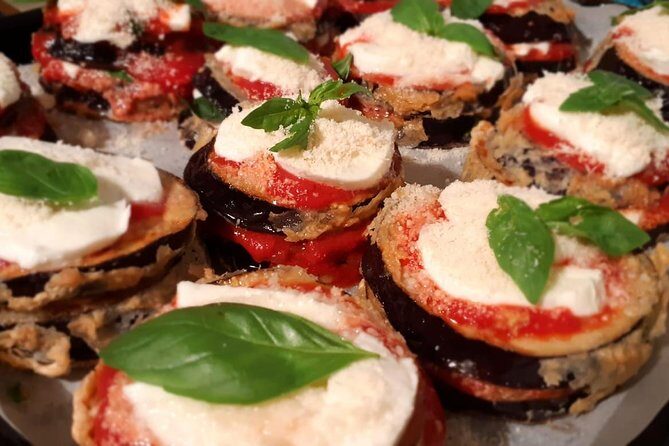
After about two hours of cooking, you sit down to eat a 3-course lunch or dinner. And yes, it comes with wine and the usual Italian celebratory extras.
You get two glasses of Italian wine per person, plus prosecco as part of the experience (described as a welcome drink or included glass depending on whether it’s lunch or dinner), and limoncello at the end. In practice, this turns the class into more than a workshop. It becomes a meal you can relax into while comparing notes with your small group.
This part also matters for your value equation. You’re not paying just for instruction—you’re paying for a full sit-down meal paired with drinks, which is hard to replicate at home without sourcing ingredients and time.
Price and value: why $145.18 can feel fair in Milan
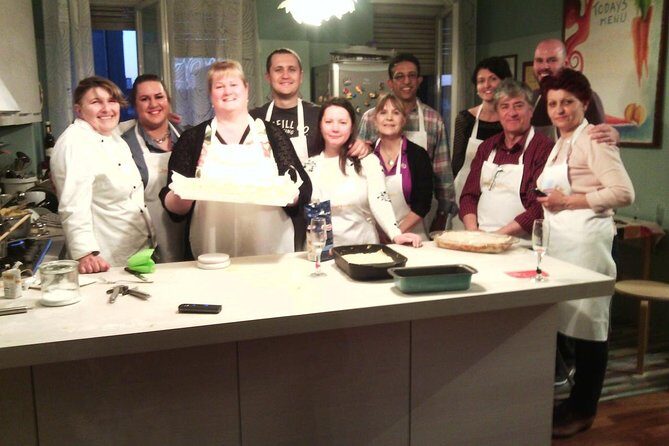
At $145.18 per person, you’re paying for several things at once: instruction, ingredients and cooking time, a 3-course meal, and drinks. What makes the price easier to justify is the setting: a home kitchen with a small group (max 10), where you cook and then eat immediately.
In other words, the cost isn’t just “pasta ingredients.” It’s the chef’s time and feedback while you work, plus the meal experience that follows.
A practical note for value-minded travelers: because the recipes are provided in English, you’re set up to cook again after you return. One review even highlights the excitement of wanting to reproduce pasta at home, which is exactly the kind of payoff that justifies paying more than a casual food tour.
Who this Milan cooking class fits best
This works especially well if you want an Italy trip that isn’t only about sightseeing. If you like learning skills you can repeat at home, you’ll likely enjoy this format.
It’s also a strong option for:
- Couples and small groups who want a shared experience and a real meal
- Beginner cooks who want step-by-step guidance
- Families, since children must be accompanied by an adult and the class can adapt to mixed experience levels
If you’re a traveler who expects a perfectly private class, small-group format may not match your style. The upside is that small group still tends to feel personal; the tradeoff is you may share attention with up to nine other people.
Common hiccups (and how to avoid them)

Here are a few realistic considerations to keep your experience smooth:
- Recipe handoff: the experience states you receive all recipes in English, but if you don’t see them, check where messages are sent (including spam filters) and follow up.
- How hands-on you feel: if you pick a dish like pizza, you might find that topping work is more hands-on than dough-making. If you care about every step, ask the chef what you’ll prepare for your chosen recipes.
- Sound in the building: one experience noted construction noise. If you’re sensitive to loud environments, consider planning quieter activities around this time.
- Arrive on time: delays beyond 20 minutes aren’t accepted, and there’s no hotel pickup. If you’re using public transport, build in a buffer.
Should you book this Milan cooking class?
Book it if you want a practical Milan memory: fresh Italian dishes, real technique, and a sit-down meal where your work ends up on the table. The combination of small group attention, hands-on cooking, and a menu that covers pasta, vegetables, classic mains, and famous desserts makes it a great value for a food-focused trip.
Skip it or ask extra questions first if you specifically want a dish where you expect to do every micro-step of dough-making, or if you’re uncomfortable in busier, slightly noisy home settings. For everyone else, this is one of those experiences that turns into something you can recreate back home, not just a nice meal you ate once.
FAQ
How long is the Milan cooking class?
The class runs about 3 hours.
What group size should I expect?
The experience has a maximum of 10 travelers.
Is the class offered in English?
Yes. The cooking happens in English, and you also receive the recipes in English.
Can I choose the dishes I cook?
Yes. The chef contacts you with a list of recipes from across Italian culinary traditions, and you choose three dishes. If you are the first to book that date, you pick the three items.
Are vegetarian and gluten-free options available?
Yes. Vegetarian and gluten-free options are available, and you should advise the team about your dietary requirements at booking.
What’s included with the class?
You get a 3-course lunch or dinner, the cooking class, 2 glasses of Italian wine per person, plus prosecco and limoncello as part of the meal experience. You also receive all recipes in English.
Do they pick you up from your hotel?
No hotel pickup or drop-off is included.
Are children allowed, and how does the child rate work?
Children must be accompanied by an adult. The child rate applies only when sharing with 2 paying adults.
Where is the meeting point in Milan?
Meet at Via Mantova, 19, 20135 Milano MI, Italy. The activity ends back at the meeting point.