REVIEW · MILAN
Cooking class The Rockin Kitchen
Book on GetYourGuide →Operated by The Rockin Kitchen · Bookable on GetYourGuide
Good music makes pasta night easier.
I love the hands-on fresh pasta work where you shape dough yourself, and I also like the song-based timing that turns each step into a kind of choreography. One catch: it’s not designed for gluten intolerance, vegan diets, or diabetes-friendly meals, so check that before you book.
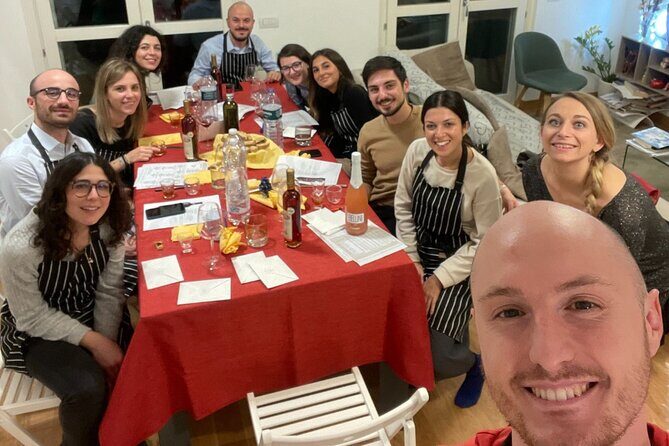
In the Milanese loft (right by the Balera dell’Ortica), the energy stays high without feeling rushed. Simone and Matteo run the show, keeping the mood fun while you learn procedures step by step. The vibe is upbeat, with singing and dancing built in, which is great if you’re game for it.
In This Review
- Key things you’ll notice right away
- Finding the Milan loft: meeting at Ring bell Riva
- The main event: learning fresh pasta, cappelletti, and tagliatelle
- What’s different about cappelletti and tagliatelle here
- A small consideration before you go
- The soundtrack-driven cooking: why the music theme actually helps
- Aperitivo time: wine, live piadina romagnola, and Italian bites
- Second round: making cappelletti and tagliatelle, then tasting your work
- Dessert finish: tiramisu to close out the night
- Price and value in Lombardy: what $112.15 really covers
- Who this pasta-and-music class is best for
- Should you book The Rockin Kitchen?
- FAQ
- How long is The Rockin Kitchen cooking class?
- What group size is it?
- What will I cook during the class?
- Is wine included?
- Do they teach in English?
- Is it suitable for vegans or gluten intolerance?
- Where do I meet?
Key things you’ll notice right away
- Loft setting by Balera dell’Ortica: you’re cooking close to a well-known Milan dance hall area, not in some sterile studio.
- Pasta made by hand: fresh pasta, plus shaping cappelletti and tagliatelle with your own hands.
- Soundtrack guides timing: the steps have rhythm from the music so you don’t lose your place.
- A 40-minute aperitivo break: wine, live piadina romagnola, and other Italian bites keep you fueled.
- Small group size (up to 10): easier questions, less waiting around, more hands-on attention.
- Finish with tiramisu: you end the night eating what you made, plus dessert.
Finding the Milan loft: meeting at Ring bell Riva
The experience starts in a Milanese loft adjacent to the famous Balera dell’Ortica. Your meeting point is simple but specific: you start by ringing the bell at Riva, and the activity ends back there too.
You’ll want to arrive a bit early so you can settle in before the pasta rhythm starts. Also note the house is inhabited by cats, but they’re not present during the experience, and the space is always sanitized. That mix of quirky location + practical hygiene is exactly what makes this feel like a real local night.
You can also read our reviews of more cooking classes in Milan
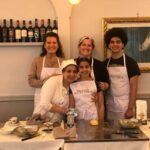
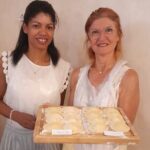
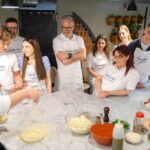
The main event: learning fresh pasta, cappelletti, and tagliatelle
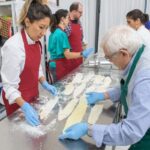
This is not a watch-and-copy class. You’ll learn how to prepare fresh pasta and then create two classic types: cappelletti and tagliatelle.
Here’s how it feels in practice: you start with making the dough and getting your hands into the process. Then you move into shaping and forming, with each step supported by the soundtrack. The music isn’t just background. It’s designed so timing lines up with what you’re doing, and it also helps you remember the sequence of steps.
That song-driven approach matters more than it sounds. Cooking times can feel confusing when you’re new, but rhythm is easier to track than a timer on your phone. I like that you’re building skills through repetition, not just following instructions once.
What’s different about cappelletti and tagliatelle here
Cappelletti and tagliatelle both require attention to detail, but in different ways. Cappelletti is about shaping small portions correctly, while tagliatelle is more about getting the pasta ready for the right texture and form.
Because the class stays small (limited to 10), you’re more likely to get quick help if your shaping is off or if you’re unsure about a step. If you’ve done pasta before, you’ll still get something out of the rhythm system and the guided way they structure the night.
A small consideration before you go
This class is not listed as suitable for gluten intolerance or diabetes. Since the pasta is fresh and part of the meal is standard Italian fare (including dessert), don’t expect substitutions. If you’re dealing with dietary or medical limits, it’s worth thinking twice and choosing a class that explicitly supports your needs.
The soundtrack-driven cooking: why the music theme actually helps
A lot of “themed” activities turn into noise. This one uses music as a practical tool.
The soundtrack is studied to help with timing, and you can feel that as the class progresses. Steps have a rhythm, so you’re less likely to fall behind when something takes longer than expected. You’re also given a structure to memorize procedures, which is why the night feels more like learning a dance routine than following a recipe one time.
And yes, you’ll be dancing and singing along. That’s part of the fun, but it also makes the class lighter. Pasta can be intimidating when you worry about getting it wrong. Here, the music keeps you moving and makes the learning curve feel less heavy.
You can also read our reviews of more tours and experiences in Milan
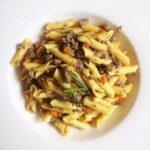



Aperitivo time: wine, live piadina romagnola, and Italian bites
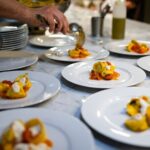
About halfway through, you get a breather: a 40-minute aperitif. This is where you taste what’s coming and settle into the relaxed pace of the evening.
The aperitif includes:
- wine
- piadina romagnola prepared live in front of you
- other topical Italian food
This break is valuable because it reduces the “all work, no reward” feeling. You’re not just cooking for three hours straight. You get to taste real Italian flavors while the kitchen energy stays social. It also helps if you arrive hungry, because the class isn’t only about dough and shaping.
One note: extra wine isn’t included, and cocktails aren’t included either. Wine is part of what you’re paying for, but if you plan on stacking drinks beyond that, budget extra.
Second round: making cappelletti and tagliatelle, then tasting your work
After the aperitif, you return to cooking and finish the pasta portion. The second part centers on preparing cappelletti and tagliatelle. Once everything is done, you eat.
The class is built around that satisfying loop:
1) you make it
2) you taste it
3) you learn what worked and what to adjust next time
The pacing also matters. The class is 3 hours total, so it stays focused. You’re not waiting around for long gaps between steps, and the structure helps you stay part of what’s happening.
And then comes the best moment: the dining part. You’re eating with the confidence of having made it, not just trying something cooked by someone else.
Dessert finish: tiramisu to close out the night
The evening ends with tiramisu. It’s a classic Milan-friendly choice, and it brings the whole experience full circle: pasta skills, aperitivo flavors, then a sweet finish.
Because you’re tasting what you made and pairing it with wine, the tiramisu doesn’t feel like an afterthought. It feels like the last note in the night’s rhythm.
Price and value in Lombardy: what $112.15 really covers
At $112.15 per person for a 3-hour class, you’re paying for more than “a cooking lesson.” You’re paying for:
- a hands-on cooking experience for fresh pasta plus cappelletti and tagliatelle
- food throughout (including the 40-minute aperitivo)
- wine included
- dessert (tiramisu)
- an apron
You’re also getting a small group format limited to 10 participants, which usually means more attention and less downtime. And then there’s the music element: the soundtrack isn’t decorative. It’s part of how timing and learning are organized.
Could you find a cheaper pasta workshop in Milan? Sure, but those often come with fewer included items or a more rigid, less social format. Here, the included wine and the structured evening with aperitivo and dessert add up.
If you’re the kind of person who values a fun night out that teaches a real skill, this price can feel fair.
Who this pasta-and-music class is best for
This works especially well if you:
- want hands-on cooking, not just watching
- enjoy music-led experiences and don’t mind singing or dancing
- like small-group settings where you can ask questions
- want a “date night” style activity in Milan that feels local and playful
It’s also a good fit if you’re traveling with a friend or partner and want something interactive. Multiple reviews highlight that it can feel personal and unique, with Simone and Matteo contributing to the fun.
If you need gluten-free, vegan, wheelchair-friendly access, or diabetes-friendly support, it’s not the right match based on the stated limitations. In that case, keep looking for a class that explicitly supports those needs.
Should you book The Rockin Kitchen?
If you want a Milan cooking class with energy, real hands-on pasta work, and a soundtrack that actually helps timing, I think you’ll enjoy this. The value is strongest when you take the whole evening as one package: pasta by hand, wine and piadina during aperitivo, then tiramisu at the end.
Skip it if you’re dealing with dietary restrictions like gluten intolerance or vegan needs, or if accessibility requirements apply. Also skip it if loud music and dancing isn’t your thing.
FAQ
How long is The Rockin Kitchen cooking class?
The class lasts 3 hours. Starting times depend on availability.
What group size is it?
It’s a small group limited to 10 participants.
What will I cook during the class?
You’ll learn to prepare fresh pasta and make cappelletti and tagliatelle with your hands.
Is wine included?
Yes. Wine is included with the aperitif, but extra wine is not included.
Do they teach in English?
Yes. Instruction is available in English and Italian.
Is it suitable for vegans or gluten intolerance?
No. The activity is not suitable for vegans or people with gluten intolerance.
Where do I meet?
You meet by ringing the bell at Riva. The activity ends back at the meeting point.