REVIEW · MILAN
Milan: Pasta, Ravioli, and Gelato Class in a Glamorous Home
Book on GetYourGuide →Operated by Cooking Class in Italy · Bookable on GetYourGuide
A family kitchen in Milan feels like time travel. Step into a downtown historic home dressed like a private gallery, then learn to roll pasta, fold ravioli, and finish with gelato and limoncello.
I like two things right away: the class is truly hands-on (not a demo), and the meal feels like you’re eating with family in a beautiful old setting.
One drawback to consider: the final meal is delicious, but some past participants felt the portions could be a bit more for the time you spend cooking.
In This Review
- Key Things That Make This Milan Class Worth Your Time
- A Glamorous Milan Home Where Cooking Feels Like Culture
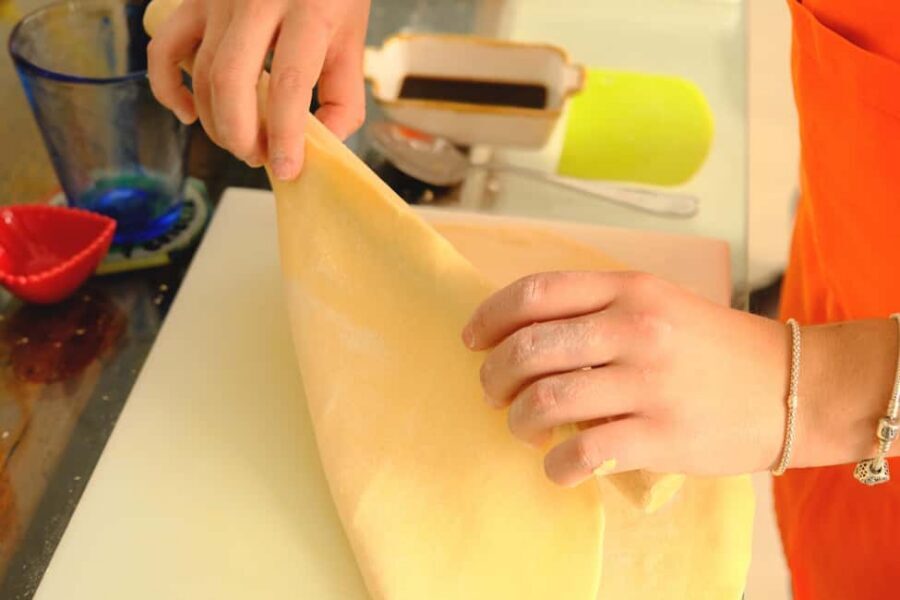
- What You Make in 3 Hours: Pasta, Ravioli, and a Sweet Finish
- English Instructions, Real Teaching Style, and Lots of Getting Your Hands Dirty
- The Dinner Table: Organic Wine, Limoncello, and What Makes the Meal Feel Complete
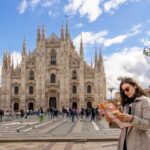
- Getting There: Duomo Area Convenience Without the Duomo Fuss
- Price and Value: What $88 Gets You in Real Terms
- Who Should Book, and Who Might Not Love It
- Should You Book This Milan Pasta, Ravioli, and Gelato Class?
- FAQ
- How long is the class, and what does it cost?
- Where is the meeting point, and how do I get there?
- What dishes will I learn to make and eat?
- Is the class taught in English?
- What drinks and dessert are included?
- How many people are in the group?
- Is it suitable for children?
- Can I cancel, and is there a pay-later option?
Key Things That Make This Milan Class Worth Your Time
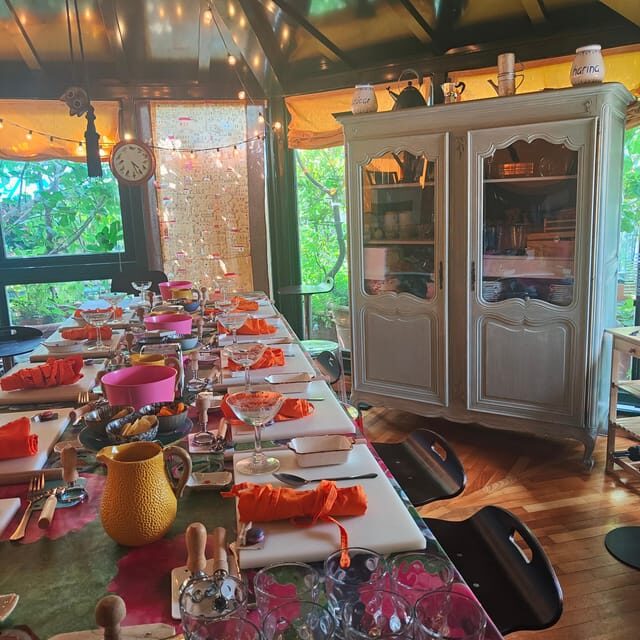
- You cook in a gloriously artistic, antique-filled home with 16th-century art and fine furnishings
- Small group means more time at the counter (limited to 10 participants)
- The sweet spot is real craft: fresh pasta, ravioli from scratch, plus tiramisù or gelato
- You drink what you learn to sip: homemade limoncello and organic wine grown without pesticides
- Recipe support goes beyond the night: you get a booklet by email with recipes
- English-led with flexibility: the lesson is always in English, and other languages may be supported depending on request and private groups
A Glamorous Milan Home Where Cooking Feels Like Culture
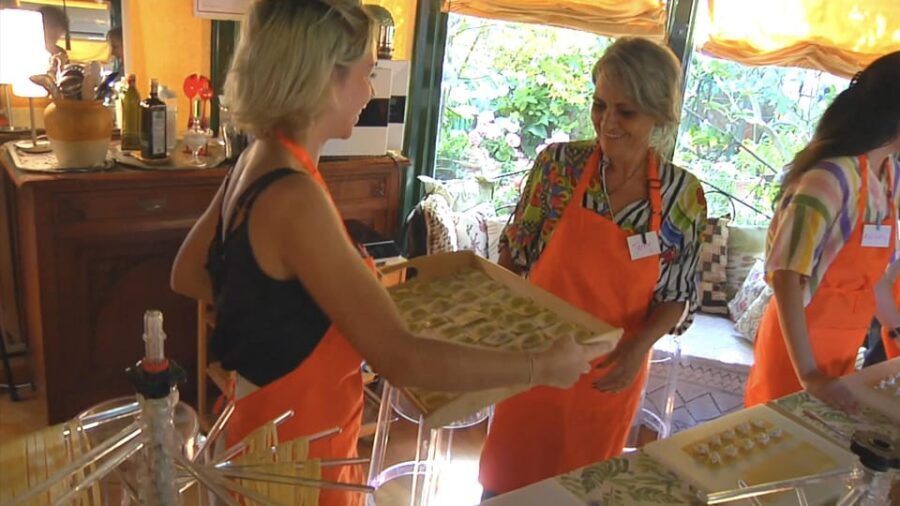
Milan can be all marble fashion windows and fast coffee lines. This experience gives you something slower. You step into an elegant home in the downtown center, with antiques and art that make you feel like you’re inside a private museum—except you’re allowed to touch everything, including the dough.
What I love about the setting is that it’s not just pretty for photos. The home is described as coming from a family Palladian Palace, and the class leans hard into the idea of tradition. You’re not learning a generic pasta technique. You’re learning a family rhythm: make, rest, fold, cook, taste, then do it again until it feels natural.
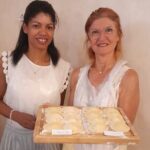
The class also has a warm “family rotation” detail. When Grandma Bruna needs to rest, her daughter and grandchildren step in to keep the lesson going. That means you’re getting more than one point of view on the same craft, which often makes the technique easier to remember later.
You can also read our reviews of more tours and experiences in Milan
What You Make in 3 Hours: Pasta, Ravioli, and a Sweet Finish
The whole session runs about three hours. That’s a sweet length: long enough to get real muscle memory, short enough that you won’t feel like you lost a whole evening to chaos.
Here’s the core food plan based on what’s included:
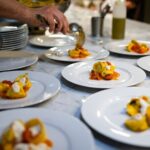
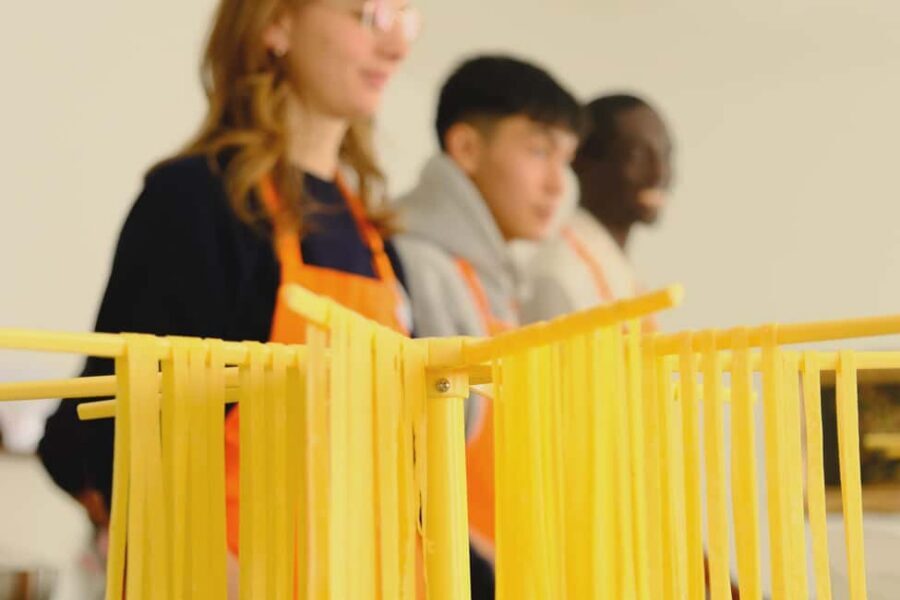
- You’ll make tagliatelle with tomato sauce
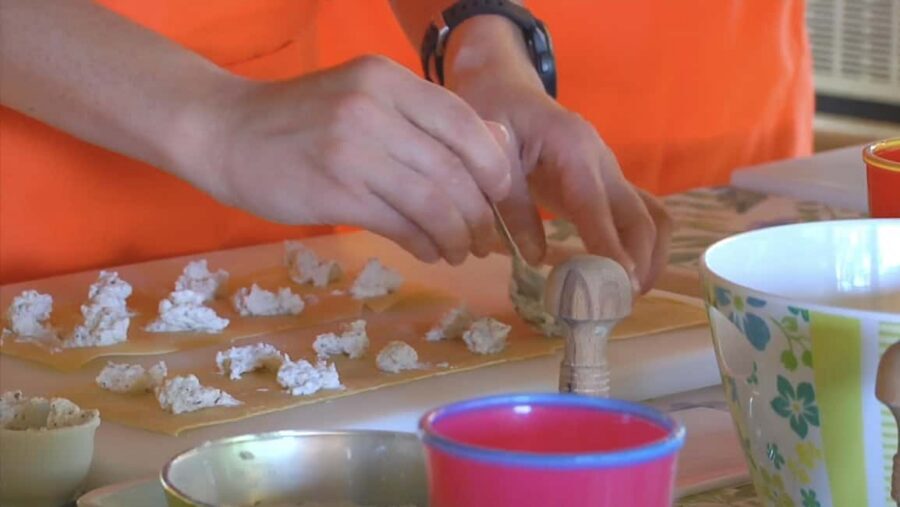
- You’ll make ravioli with a filling created by a Michelin-starred chef, using butter and sage
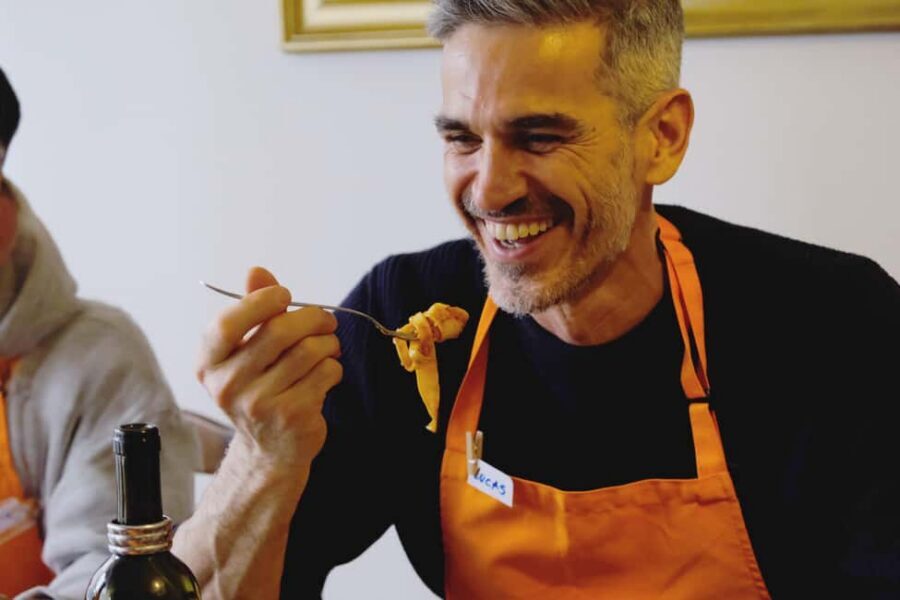
- You’ll enjoy a meal together with friends, meaning your work turns into dinner
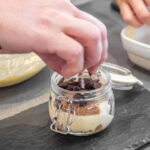
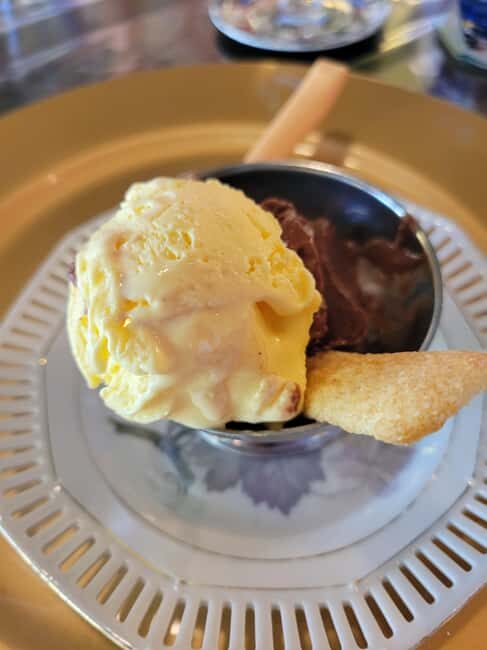
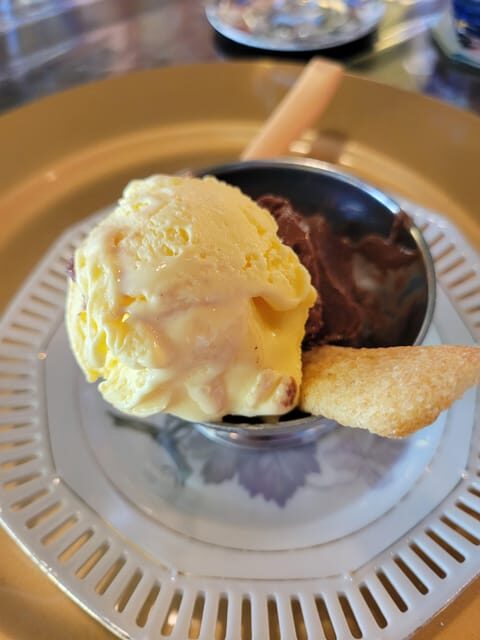
- For dessert, you’ll have gelato (tiramisù flavor and chocolate), and the experience also references tiramisù or gelato as the sweet option
This mix matters. Pasta dough and ravioli are skill-building basics. Gelato is where you get a taste of Italian dessert thinking without turning the class into a physics lab. And the ravioli filling matters because butter and sage is one of those flavors that sounds simple until you taste it done well.
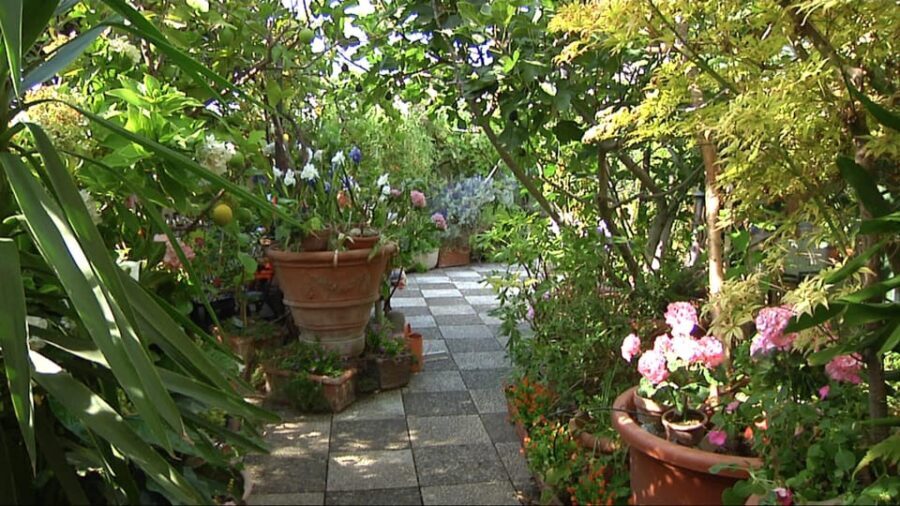
Also, pay attention to the drink pairing. You’ll sip homemade limoncello made from lemons grown on the terrace, plus organic wine (1/4 bottle per person) or soft drink. That’s not just a perk. It changes the pacing of the meal portion so you can enjoy what you made instead of rushing through it.
English Instructions, Real Teaching Style, and Lots of Getting Your Hands Dirty
The lesson is held in English, always. If you’re hoping for another language, the information says it’s available only for private groups, and the instructor can support you in other languages depending on what’s requested (examples listed include French, Ukrainian, Russian, Hebrew, Persian).
So here’s how I’d think about the language part: if you speak English, you’re set. If you don’t, your best bet is to ask early whether the instructor who works your slot can support you. The good news is that the teacher can help even when the class is in English, but you’ll want to confirm support ahead of time rather than assume.
In the reviews, the vibe is consistent: instructors like Laura and Katarina are described as funny, patient, and entertaining. Federico and Paolo are praised for clear, structured guidance. And Bruna shows up repeatedly in the stories as a kind, precise teacher who shares the technique like it’s a family secret—not a lecture.
That teaching style matters because fresh pasta can intimidate you at first. Rolling dough, getting thickness right, and sealing ravioli without leaks are the classic stumbling blocks. A good instructor will help you fix it fast, which is exactly what you want when you’re learning.
Finally, you’ll get a booklet by email with the recipes. That’s a big value point. The recipes aren’t just for reading later—they’re for rebuilding the same results at home.
The Dinner Table: Organic Wine, Limoncello, and What Makes the Meal Feel Complete
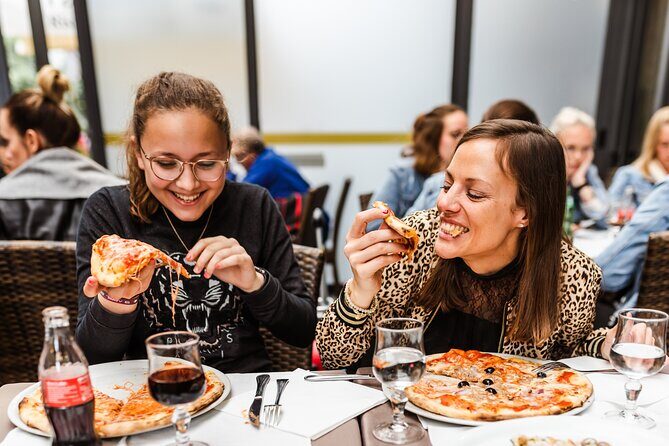
At the end, you eat what you made, which is the whole point. You sit down and enjoy a meal with friends while the evening becomes social instead of stressful.
The drink lineup is part of why this class feels like a proper Milan moment:
- Homemade limoncello made on-site
- Organic wine grown without pesticides, with 1/4 bottle per person included
- Water is included too
One small detail I appreciate: it’s not framed as a party, even though people mention a fun atmosphere. It feels more like a hosted dinner where the cooking work sets you up to appreciate the flavors.
A few reviews also mention extra touches like organic rose wine alongside the limoncello, so don’t be surprised if your instructor’s menu style adds a little flair within the listed inclusions.
And about the portions: most people leave happy and full, but one person wished there was slightly more at the end. So if you’re very hungry for a full meal before or after, plan a light snack around the class start time and expect that you’ll eat the fruits of your labor, not a buffet.
Getting There: Duomo Area Convenience Without the Duomo Fuss
This is one of those classes that feels central but doesn’t trap you in the tourist traffic the whole time.
The information gives two helpful location cues:
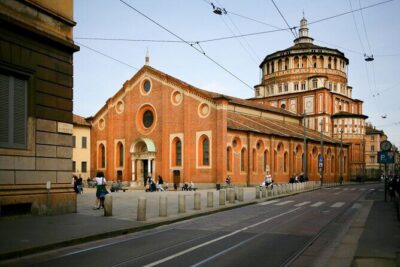
- It’s about a 20–25 minute walk from Duomo Square
- It’s also easy by subway: get the blue line to Coni Zugna, exit at Coni Zugna–Via Foppa, and walk about 20 meters to the building
I like this because it lets you design your day. If you’re doing Duomo shopping first, you can walk over at a relaxed pace. If you want to save energy for the rest of Milan, the subway makes it painless.
Also, the class sits in the Designer and Fashion area, which means it’s a good way to experience parts of Milan that feel polished but not overly staged.
If you’re scheduling, a smart tip from past participants: booking the evening can give you a chance to see more of the city during daylight hours and then enjoy the calm of the night in a family home.




Price and Value: What $88 Gets You in Real Terms
At $88 per person for a 3-hour session, the pricing only makes sense if the experience gives you more than food tasting. Here, it does.
What’s included moves beyond a simple cooking demo:
- Tools and aprons
- Full meal components built around what you make (tagliatelle, ravioli, dessert)
- Gelato (tiramisù flavor and chocolate)
- Ravioli filling created by a Michelin-starred chef (butter and sage)
- Homemade limoncello
- Organic wine grown without pesticides (or soft drink)
- Water
- A teacher who runs the class in English
- Recipe booklet by email
When you break it down, you’re paying for three things at once:
- Instruction time (the part you can’t DIY without trial-and-error)
- Ingredients and tools (so you’re not buying a dozen items just to make one ravioli batch)
- Dinner hosting (the part that turns learning into a complete evening)
So if your goal is one memorable Milan activity with real skills you can repeat at home, this price feels more reasonable than many “food experience” options that are mostly sit-and-watch.
Who Should Book, and Who Might Not Love It
This class is best for you if:
- You like hands-on activities and want to learn techniques, not just taste
- You want a central Milan experience that feels personal and local
- You enjoy social cooking with a small group (max 10)
- You’re comfortable with English instructions
It may not be the right fit if:
- You need a language other than English and can’t do a private group arrangement
- You’re bringing very young kids—there’s a clear age restriction in the info
- You’re relying on equipment that isn’t allowed
Specifically, the info says children under 6 are not allowed, and it also marks the activity as not suitable for children under 7. For strollers and certain wheelchairs: baby strollers, non-folding wheelchairs, and baby carriages are not allowed.
Should You Book This Milan Pasta, Ravioli, and Gelato Class?
I’d book it if you want a small-group, English-led cooking night that turns into dinner—and you care about learning techniques you can actually repeat. The location helps too: you’re near the Duomo area, but the setting is quiet and family-focused once you arrive.
Skip it if you’re looking for a passive experience, you want kids-included flexibility, or you expect huge portions as the main payoff. Otherwise, this is exactly the kind of Milan activity that mixes food craft with a real sense of place—and gives you a recipe booklet so the memory doesn’t fade when you get home.
FAQ
How long is the class, and what does it cost?
The class lasts 3 hours and costs $88 per person.
Where is the meeting point, and how do I get there?
The meeting point is near the subway blue line stop Coni Zugna. Use the escalator exit at Coni Zugna–Via Foppa, and the workshop building is about 20 meters from the stop.
What dishes will I learn to make and eat?
You’ll learn to make fresh pasta and ravioli from scratch. The included meal includes tagliatelle with tomato sauce, ravioli with butter and sage filling, and a sweet finish that includes gelato (tiramisù flavor and chocolate). The experience also references tiramisù or gelato as the sweet option.
Is the class taught in English?
Yes. The lesson is always held in English. For other languages, additional support is listed for private groups, and the teacher can help if you don’t understand English (with examples including French, Ukrainian, Russian, Hebrew, and Persian).
What drinks and dessert are included?
You get homemade limoncello, organic wine grown without pesticides (1/4 bottle per person) or soft drink, water, and gelato with tiramisù and chocolate flavors.
How many people are in the group?
The group is limited to 10 participants.
Is it suitable for children?
Children under 6 are not allowed, and the activity is also marked as not suitable for children under 7.
Can I cancel, and is there a pay-later option?
Yes. You can cancel up to 24 hours in advance for a full refund. There’s also a reserve now & pay later option so you can book without paying today.