REVIEW · MILAN
From Milan: Florence and Pisa Day Trip
Book on GetYourGuide →Operated by Amigo Tours Spain · Bookable on GetYourGuide
Florence and Pisa in one long day? That’s exactly why this trip feels fun: you get the big-name sights plus real walking time in two different Italian moods. I especially like the live bilingual commentary on the train, which helps you understand what you’re seeing before you even arrive. The only catch is the schedule is tight, so you’ll want a realistic mindset about how much time you’ll truly spend in each place.
My second favorite part is the balance of guided context and independent wandering. You’re not rushed through everything with an internal guide; instead you get organized stopovers and then time to follow your own pace in Florence and Pisa. It’s also not a great fit if you have mobility limits, since there are plenty of stairs and uneven pavements.
In This Review
- Key things I’d prioritize on this Milan → Florence → Pisa day
- Price and Logistics: What $191.45 Really Buys You
- Where It Starts: Terrazza Gallia at Milan Central
- The Train Ride: Commentary While the Countryside Rolls By
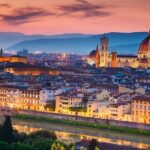
- Florence Stop: Panoramic Orientation + the Places You Came For
- Ponte Vecchio: Quick sight, real vibe
- Florence Duomo Complex: Piazza del Duomo time
- Mercato Nuovo and the street-level Florence feel
- A fair heads-up: Florence can eat your time
- The Pisa Transfer: Short Train, Big Contrast
- Pisa Highlights: Tower of Pisa + Piazza dei Miracoli
- The Leaning Tower: your iconic photo moment
- Pisa Cathedral, Baptistery, and Camposanto
- Free time after the main sights
- How Timing Actually Feels Over a 15-Hour Day
- What’s Included (and What’s Not): The Value Math
- Mobility and Comfort: Who Should Think Twice
- Practical Tips That Make the Day Feel Easier
- Who This Trip Suits Best
- Should You Book This Milan to Florence and Pisa Day Trip?
- FAQ
- How long is the Florence and Pisa day trip from Milan?
- What does the price include?
- Do I get a guided visit inside Florence and Pisa?
- Is there an audio guide for Pisa?
- Is the tour always by train?
- Is this tour suitable for people with mobility or back problems?
Key things I’d prioritize on this Milan → Florence → Pisa day
- Train-first itinerary that includes time with a tour leader while you travel through the Tuscan countryside
- Live bilingual English/Spanish commentary to make the history and landmarks click faster
- Piazza dei Miracoli photo time with a close view of the 4-degree lean of the Tower of Pisa
- Florence highlights with tips, then free time for your own walk (often where the best memories happen)
- Audio guide add-on for Florence only, accessed via your phone through Clio Muse
Price and Logistics: What $191.45 Really Buys You
At $191.45 per person for a 15-hour day, this isn’t a cheap impulse trip. But it also isn’t paying for a full-day private guide in museums and churches. What you’re buying is two round trips by train, a tour leader for routing and explanation, and the structure that keeps a big sightseeing day from turning into chaos.
That structure matters. Florence and Pisa are both famous, which means crowds, moving queues, and lots of people trying to read signs at once. Having a leader who keeps the group together and helps you hit the landmarks without getting lost can be the difference between a smooth day and a stressful one.
One more practical note: the tour travels by train, but in very specific cases (like group size) it may switch to a bus. Also, the order of stops can shift depending on season, so don’t build your day around a single fixed sequence.
You can also read our reviews of more tours and experiences in Milan
Where It Starts: Terrazza Gallia at Milan Central
You’ll meet your guide outside Hotel Gallia, on the right side outside Milan Central Station. The guide has an Amigo Tours sign with the logo, so it’s usually straightforward to spot them.
This matters more than it sounds. Milan Central can feel like a maze if you show up late or unclear. If you can, arrive early enough to calmly find the meeting spot, get your phone charged, and put on your headphones before you start moving.
And yes, bring both: the tour specifically asks for headphones and a charged smartphone. That’s because the audio guide option (when selected) runs on your phone.
The Train Ride: Commentary While the Countryside Rolls By
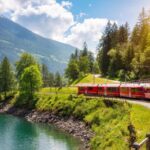
Your day runs on trains: about 2 hours to Florence, about 1 hour to Pisa, then about 3 hours back. The big advantage isn’t speed alone—it’s that you get context while you’re traveling.
You’ll have a tour leader with live bilingual commentary in English and Spanish, so you’re not just waiting between cities. Instead, you’re learning enough about Tuscany and the region’s role in the development of Italian language that the first streets you see in Florence won’t feel random.
A pattern I’d look for (based on the way guides run the day) is organization and updates when things change. For example, one guide handled a roughly hour-and-a-half train delay by keeping people informed and adjusting time in Florence. That’s a big deal when you’re working with a day-trip schedule.
Florence Stop: Panoramic Orientation + the Places You Came For
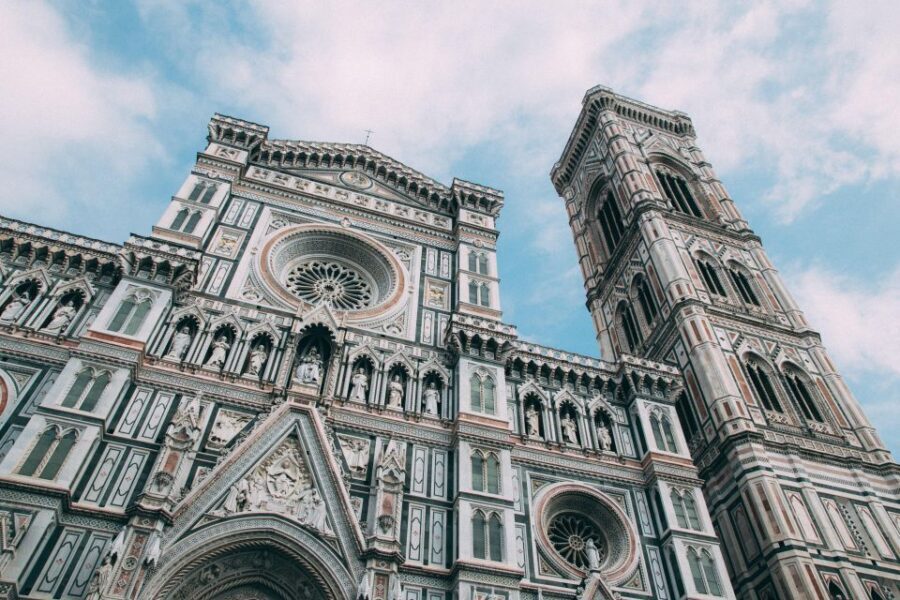
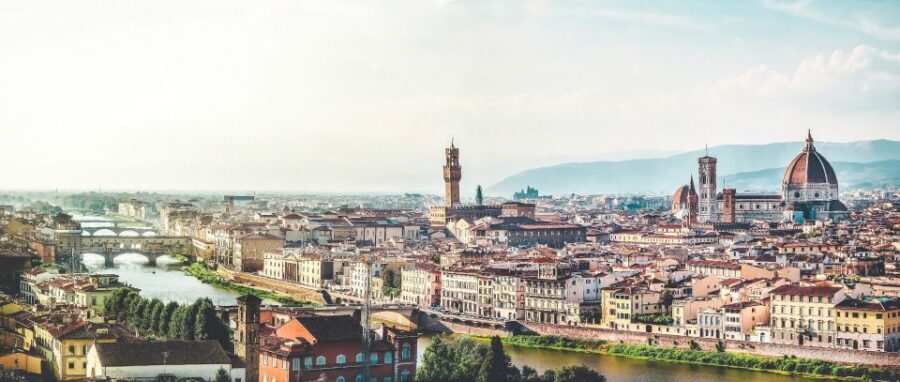
Florence gets a solid chunk of time. You’ll have about 2.5 hours there, plus additional free time. The key is that you don’t start with a deep-dive tour of every street—your leader gives a panoramic orientation and points out major landmarks you’ll recognize later.
Ponte Vecchio: Quick sight, real vibe
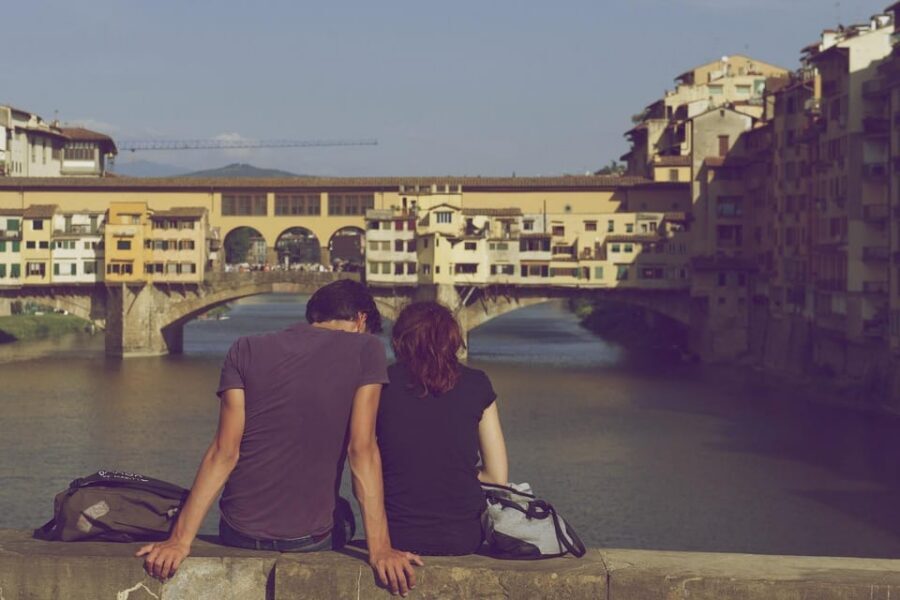
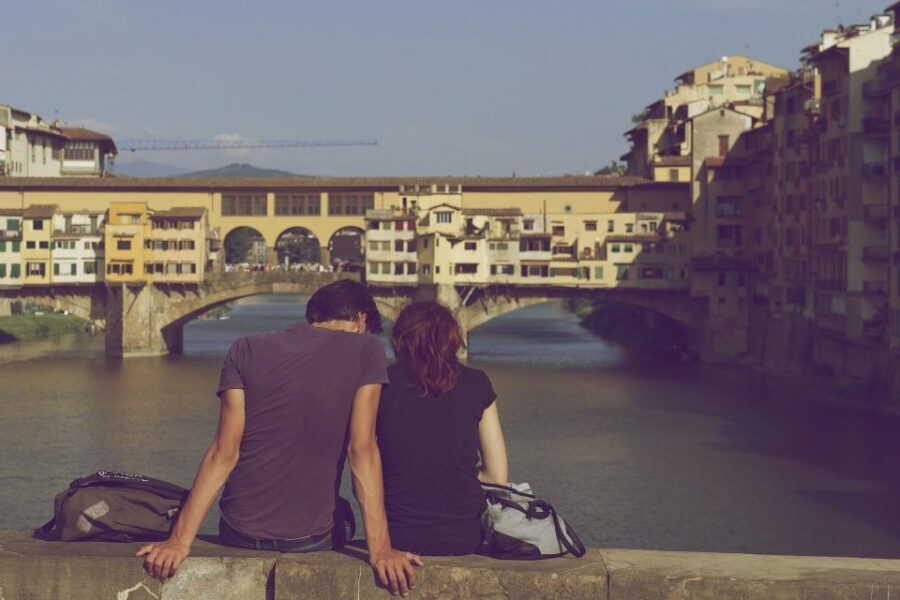
Ponte Vecchio is one of those stops where the famous look is worth it. You’ll get a dedicated moment at the bridge and free time around it, which is ideal for quick photos and a short wander.
If you love photography, use this moment well. The bridge and its approach streets can be crowded, but timing your photo break before everyone piles in can make a big difference.



Florence Duomo Complex: Piazza del Duomo time
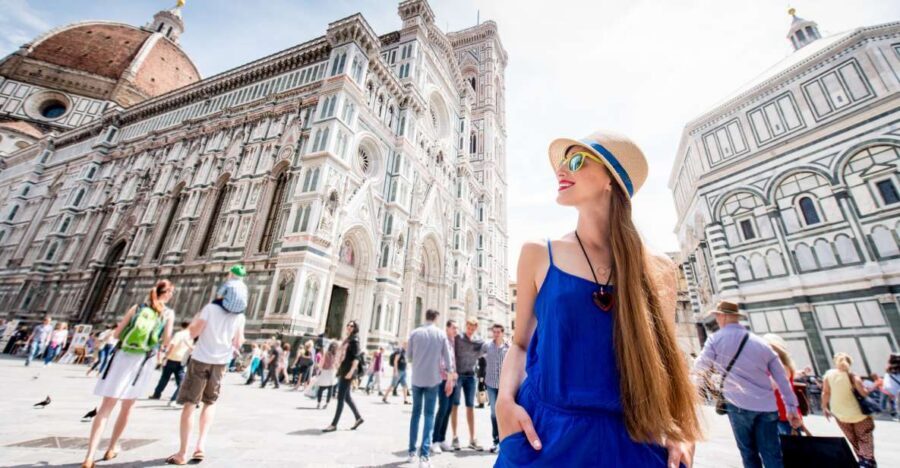
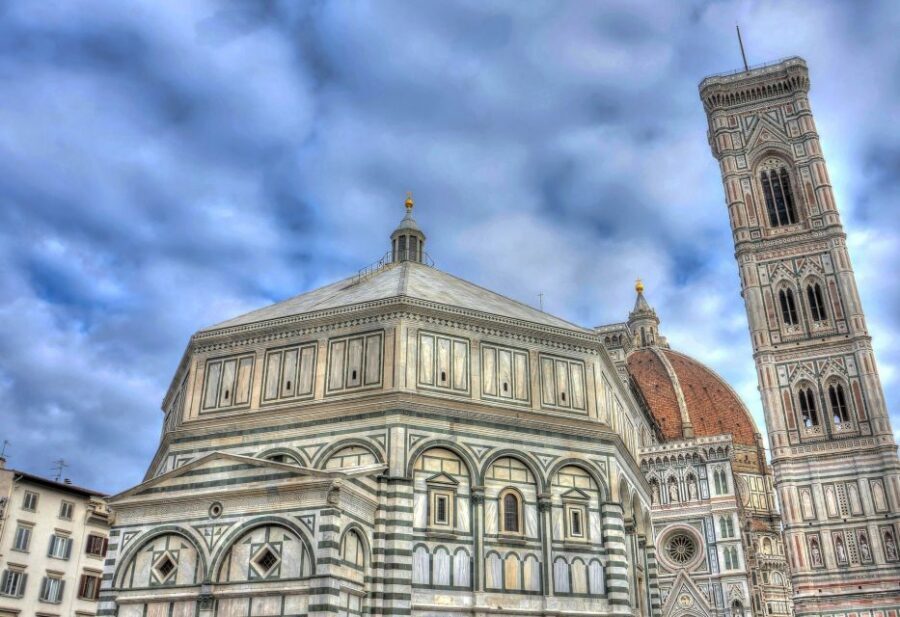
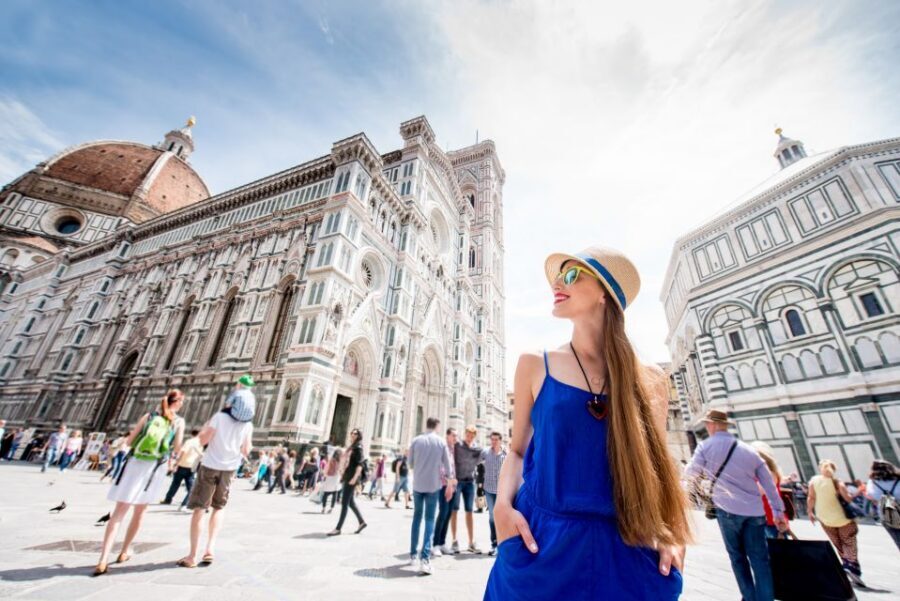
You’ll also have free time around the Florence Duomo complex. This is your chance to absorb the Piazza del Duomo area on your own terms—slow down, take photos from the square, and decide how long you want to linger.
If you chose the audio guide add-on, you’ll have access for Florence through Clio Muse (instructions come in your voucher). Just note: the audio guide isn’t available for Pisa.
Mercato Nuovo and the street-level Florence feel
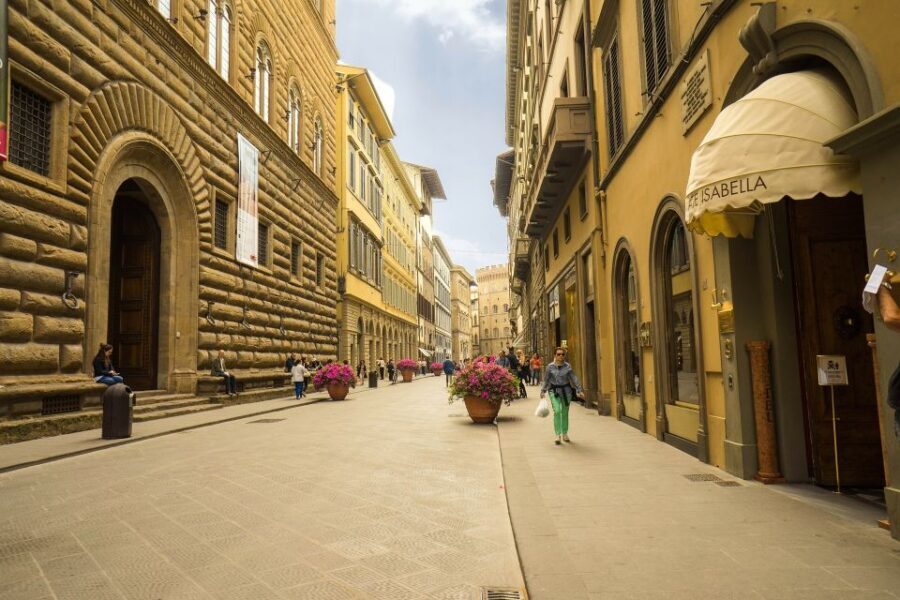
Your leader also highlights Mercato Nuovo and other key stops during the tour orientation. This is helpful because Florence isn’t just one landmark—it’s a web of squares, bridges, and streets that connect everything.
What you should do with your free time is simple: pick one anchor spot you care about (bridge, Duomo square, or a specific church viewpoint), then build your walking route around it. Don’t try to sprint to ten “must-sees” unless your tolerance for crowds is high.
A fair heads-up: Florence can eat your time
Even though Pisa often feels like the headline, Florence is the bigger city on the ground. Several people on similar trips feel like Florence comfortably wins the time battle. If you’d rather do more Pisa photos and less city wandering, that preference is worth considering before you book.
The Pisa Transfer: Short Train, Big Contrast
After Florence, you hop on the train for about 1 hour to Pisa. The change in pace is noticeable. Florence feels like a city built for long walking routes and constant architectural surprises. Pisa feels more focused: a compact walking zone around the monuments.
That contrast is part of the fun. You get a big Renaissance city to explore, then you get the famous architectural complex where you can concentrate on fewer sights.
Pisa Highlights: Tower of Pisa + Piazza dei Miracoli
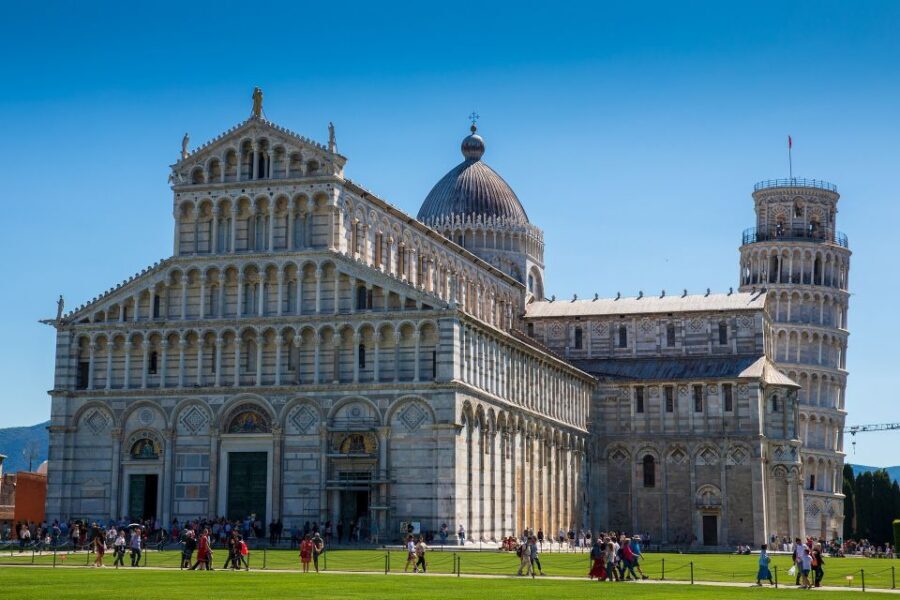
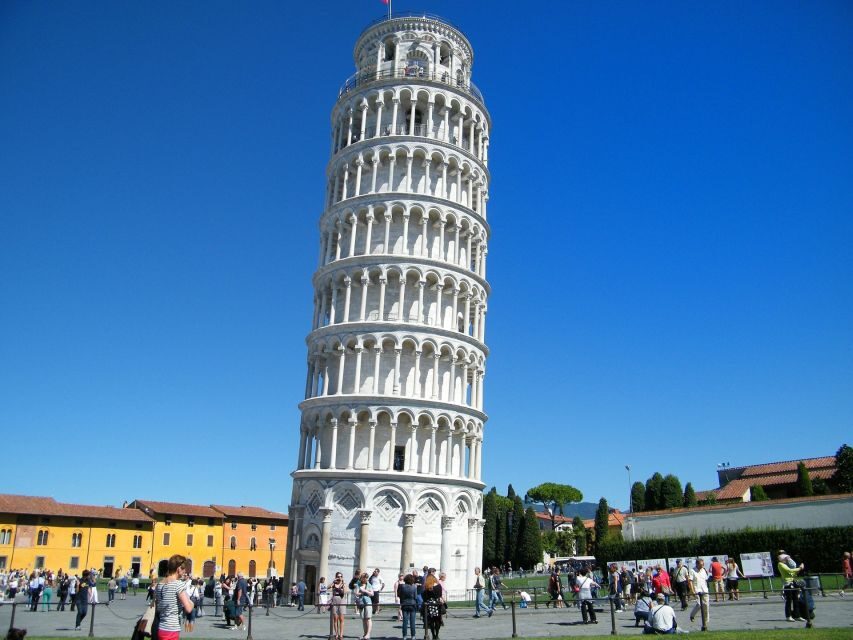
Pisa is built around the Piazza dei Miracoli, one of the most famous architectural complexes in the world. You’ll disembark in the piazza area and get about 1 hour for the guided visit portion.
The Leaning Tower: your iconic photo moment
Your time starts with the Tower of Pisa itself. The famous lean is nearly 4 degrees, and seeing it in person is different from postcards. You can get close enough for that classic angle photo, and it’s the kind of shot you’ll be glad you didn’t try to improvise on your own first day.
If you’re doing photos: take your first shot early, then spend a few minutes looking at details around the base and surrounding buildings. The tower is the headline, but the complex around it is part of the experience.
Pisa Cathedral, Baptistery, and Camposanto
While you’re in the piazza, you’ll also see other religious edifices that shape the look of the whole site, including the Pisa Cathedral, the Pisa Baptistery, and the Camposanto Monumental.
This is also where your leader’s tips help. When someone points out how the complex is laid out and why it’s considered such an important architectural grouping, your self-guided time afterward becomes more meaningful.
Free time after the main sights
After the guided piece, you get free time to independently explore on foot. This is your chance to wander the immediate area, keep taking photos from different angles, and slow down if you want to linger.
Just remember: this is a day trip. Pisa doesn’t need hours and hours, but trying to pack in too much can still leave you wishing you had more time.
How Timing Actually Feels Over a 15-Hour Day
This tour runs long by design. You’re starting at Terrazza Gallia, leaving Milan, then switching cities twice—so the day is a blend of travel, explanation, and time on your own.
Here’s what that means in practice:
- You’ll have less time than you’d like if you’re the type who only feels happy after hours in one place.
- You’ll have enough time to hit major icons and come away with photos and a sense of place.
- You’ll want a strategy for your free time so you’re not stuck deciding while the light changes or lines build.
Weather can also change the feel of the day. One person noted rain interruption, which is always a real issue in walking-heavy sightseeing. If weather is unpredictable where you live, bring a compact layer and plan to move quickly when the sky threatens.
Also, don’t be surprised if the tour makes small timing adjustments due to train conditions. A dedicated leader can handle it better than a group left to guess.
What’s Included (and What’s Not): The Value Math
Included:
- Train tickets
- Live bilingual commentary (English and Spanish)
- Tour leader
- Florence audio guide if you select the option (not available for Pisa)
Not included:
- Food and drink
- Guided visits of the cities (meaning you get guidance and tips, but you’re not getting a fully guided walkthrough inside each major site)
That “guided tips plus your own time” style is a real value for certain travelers. If you like learning enough to understand what you’re looking at, then wandering at your own pace, it’s a good fit.
If you want a deep, timed, step-by-step guided museum experience for every stop, this may feel lighter than you expected. It’s more “orientation and landmark hits” than “complete guided immersion.”
Mobility and Comfort: Who Should Think Twice
This tour involves numerous staircases and pavements, and it’s not recommended for people with mobility problems or back problems. That doesn’t mean you can’t enjoy Tuscany, but it does mean this specific day plan could feel physically tough.
If stairs are a concern for you, consider an alternative style of tour that reduces walking steps or offers options. If you do go, wear shoes that handle stone streets well and keep your pace realistic.
Practical Tips That Make the Day Feel Easier
These are small moves that pay off on a day with tight timing:
- Use your headphones early. If you select the audio guide add-on, you’ll want to be ready with your phone powered up and audio set.
- Plan one priority per city. For Florence: Ponte Vecchio or the Duomo square area. For Pisa: the Tower of Pisa photo angle.
- Protect your energy. You’re doing trains plus walking plus photo moments. If you try to “win the day” with too many stops, you’ll feel it by the return leg.
- Be ready for crowd rhythms. Florence especially can get busy around major landmarks, so your best photos often come from going a few minutes earlier than your instincts.
And if your guide is anything like the strong organizers people have praised—guides such as Claudia, Barbara, Hajo/Hager, Hajar/Hager, and Sarah in past runs—the day will feel planned, not frantic. You’ll still be doing plenty of walking, but you’ll spend less time figuring out where to go next.
Who This Trip Suits Best
This day trip is a great match if you:
- Want big-name landmarks without the stress of coordinating train schedules alone
- Like learning the “why” behind what you see through live bilingual commentary
- Prefer a mix of guided pointers and then personal wandering time
It’s less ideal if you:
- Need lots of time in one city (Florence and Pisa both deserve longer)
- Have mobility limits or back issues due to stairs and uneven surfaces
- Want fully guided site-by-site visits inside every major attraction
Should You Book This Milan to Florence and Pisa Day Trip?
I’d recommend booking if you want an efficient, well-organized way to get the headline sights of Tuscany—Florence’s iconic city-center moments and Pisa’s Piazza dei Miracoli—in one day without having to play logistics games.
Don’t book if you’re hoping for a leisurely, deep exploration of only one city, or if physical comfort is a major concern. For everyone else: bring your headphones, keep your expectations realistic about time, and use your free moments with a simple plan. You’ll leave with two cities’ worth of memories and photos, without needing a whole extra vacation week.
FAQ
How long is the Florence and Pisa day trip from Milan?
The activity lasts about 15 hours.
What does the price include?
It includes train tickets, a tour leader, and live bilingual commentary (English and Spanish). If you choose the audio guide option, it includes an audio guide for Florence via Clio Muse.
Do I get a guided visit inside Florence and Pisa?
You’ll have a tour leader to accompany you and provide commentary and tips, but guided visits of the cities are not included. You also get time to explore independently.
Is there an audio guide for Pisa?
No. The Florence audio guide add-on is available, but the audio guide is not available for Pisa.
Is the tour always by train?
It is primarily by train. In very specific cases when group size doesn’t allow quality service by train, it may be done by bus instead.
Is this tour suitable for people with mobility or back problems?
No. The tour notes that it is not recommended for people with mobility problems or back problems due to stairs and pavements.