REVIEW · MILAN
Treasures of Milan: Fashion and Design Private Tour
Book on Viator →Operated by Withlocals · Bookable on Viator
Milan is fashion, and this tour walks it. I love the private guide approach that turns store fronts into real stories, and I like the balance between major designer stops and shopping-friendly side streets. The route covers a lot of ground, but if you want deep, behind-the-scenes design process or lots of time inside many shops, the pacing may feel more like smart browsing than a studio-style history lesson.
What makes this experience click is how it’s built for your eyes and feet: a focused 3-hour walk through Milan’s fashion lanes, with the guide steering you toward what matters (and what’s worth your attention). You’ll also get a handhold for shopping—how brands differ, which areas lean independent, and how to talk to store staff without feeling like you’re just window-shopping.
Guides named Adriana, Sara, Sze, and Francesca show up a lot in the feedback, and the common theme is energy plus context. Some even add small extras when timing allows, like a quick café break (one review mentioned Marchesi) so the day feels less like a lecture and more like an orientation to Milan’s style culture.
In This Review
- Key Things That Make This Milan Fashion Tour Worth Your Time
- What You’re Really Buying for $113.68 in 3 Hours
- Where You Start, Where You End, and How the Timing Works
- Via Monte Napoleone: Armani and Ferragamo in the Heart of Luxury
- Via della Spiga and Via Sant’Andrea: Fashion Streets That Reward Your Curiosity
- Via Manzoni: More Fashion District Time, Less Guesswork
- Museo Bagatti Valsecchi: When Nobility Houses Become Fashion History
- Corso Venezia: Shopping Local Tips, Concept Stores, and Sale-Season Awareness
- What You’ll Learn (and Why It Changes How You See Milan)
- Shopping Without Feeling Pressured
- The One Main Trade-Off to Consider
- Who This Milan Private Tour Fits Best
- Should You Book Treasures of Milan: Fashion and Design Private Tour?
- FAQ
- How long is the Treasures of Milan fashion and design private tour?
- Is this tour private or group-based?
- What language is the tour offered in?
- Where do we meet at the start of the tour?
- Where does the tour end?
- Are admission tickets included?
- Is hotel pick-up or drop-off included?
- Do I need to use public transportation to get there?
- Is there anything in the price related to sustainability?
- What is the cancellation policy?
Key Things That Make This Milan Fashion Tour Worth Your Time
A tight 3-hour route focused on the fashion districts you’ll actually want to revisit.
Major designer stops (Armani and Ferragamo) paired with local fashion streets and shopping tips.
A noble-house museum stop (Museo Bagatti Valsecchi) that connects clothing to status and design.
Store-savvy guidance from English-speaking private guides, with rapport that can help in practice.
Mobile ticket + carbon-neutral experience, plus admission included for most fashion stops.
Moderate walking level, so you’ll move through Milan rather than bounce around by car.
What You’re Really Buying for $113.68 in 3 Hours
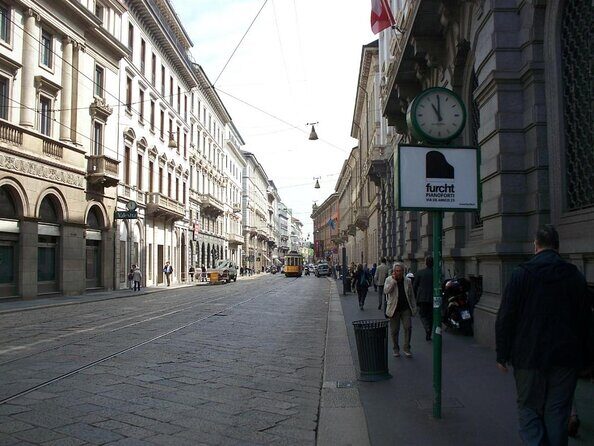
At $113.68 per person for roughly 3 hours, the value isn’t just the walking. You’re paying for three things that are hard to replicate on your own:
First, you’re paying for someone to explain why these streets matter. Milan didn’t become a fashion capital by luck. The guide ties brand history to city growth and to how Milanese fashion thinking evolved. That makes the architecture of the experience—shop windows, brand names, and street-to-street style—feel logical instead of random.
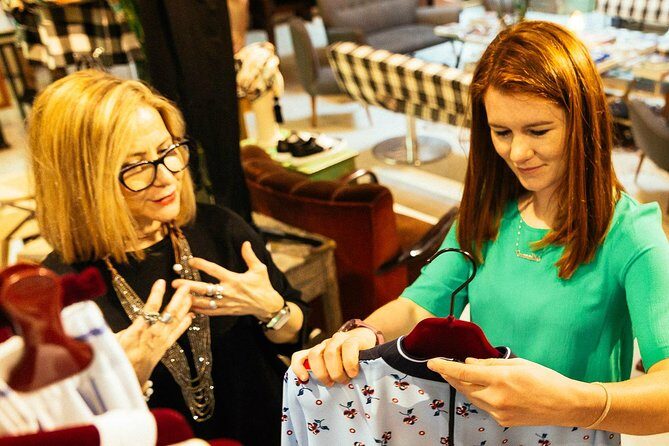
Second, you’re paying for practical guidance. Multiple reviews point to the guides knowing store owners or at least how to move you through the space comfortably. One review even described arrangements with store personnel to help find what they were looking for at other branches. That kind of help can be the difference between browsing and actually leaving with something you love.
Third, you’re paying for included access at most stops. You get admission ticket inclusion at the fashion-house and shopping districts stops, while the museum stop is the one that isn’t included. If you tried to copy this itinerary yourself, you’d still be spending time figuring out entry rules and what’s actually worth paying for.
You can also read our reviews of more private tours in Milan

Where You Start, Where You End, and How the Timing Works
You’ll meet at Via Croce Rossa, 2, 20121 Milano, and the tour ends at Via Alessandro Manzoni, 31, 20089 Rozzano—with the experience described as finishing at an Armani boutique area.
A key practical point: there’s no hotel pickup or drop-off, and public transportation isn’t included. The good news is the meeting point is near public transportation, so you can plan a simple metro/walk approach without building your whole day around a car.
Also, plan for walking. The experience asks for moderate physical fitness. It’s not marathon-level, but you’re on your feet for a full city block-to-block style tour. If your legs get tired easily, wear supportive shoes and don’t schedule a long museum day right after.
Finally, book early if you can. The average booking window is about 64 days in advance, which usually means popular guide time slots can tighten.
Via Monte Napoleone: Armani and Ferragamo in the Heart of Luxury
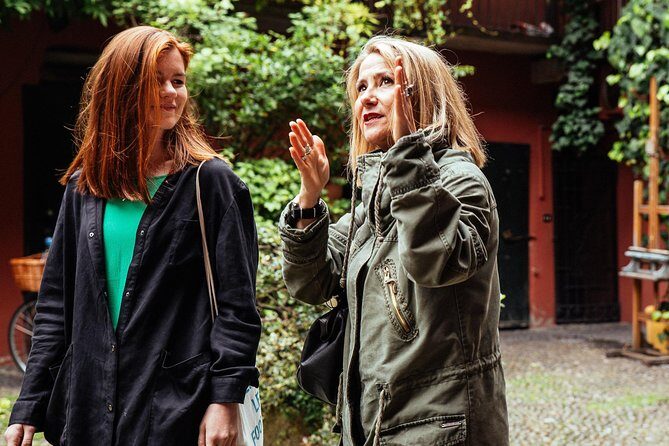
This is the “start strong” part of the walk: Via Monte Napoleone. Here you visit Armani’s flagship store and Ferragamo headquarters, with admission ticket included.
What’s special about this stop is not just the brand names. It’s the way the guide frames Milan’s fashion power center. The luxury streets can feel intimidating if you go alone. With a private guide, the vibe changes because you’re not just staring at displays—you’re learning how these fashion houses built their identity and how that identity shows up in everything from storefront presentation to the kind of customer each brand attracts.
Drawback to keep in mind: if you’re hoping for lots of time inside big flagship spaces, this tour is time-managed. You’ll visit and you’ll learn, but you’re also heading out to other streets right after. Think of this as a fast but meaningful introduction to how top-tier fashion feels on the ground.
Via della Spiga and Via Sant’Andrea: Fashion Streets That Reward Your Curiosity
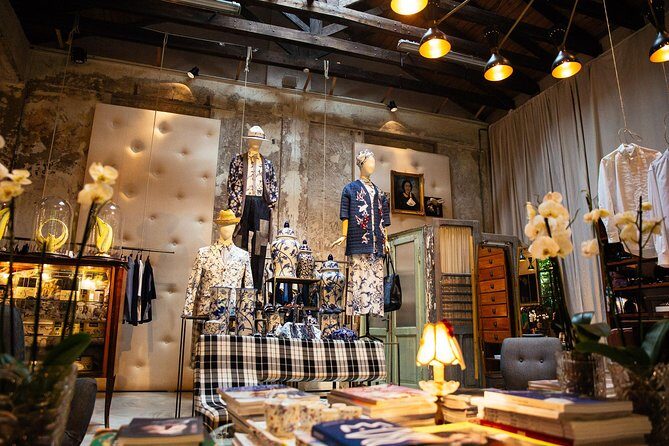
Next come Via della Spiga and Via Sant’Andrea, each with a fashion district focus and admission ticket included.
This pair of stops is where Milan starts to feel more like a living wardrobe. You’re walking streets that are built for style viewing—more than just shopping, they’re fashion corridors. A good guide helps you read what you’re seeing: which labels feel established, which shops lean independent, and how Milan balances tradition with newer trends.
One consideration: some people go into Milan expecting a factory of fashion history and theory. This tour leans practical. If you want a very academic, designer-by-designer history lecture or lots of time in small-study rooms, you might end up wanting extra time afterward to expand on the specific names the guide highlights.
That said, if what you want is a clear map of where to go and what to look for, these streets do that job fast.
Via Manzoni: More Fashion District Time, Less Guesswork
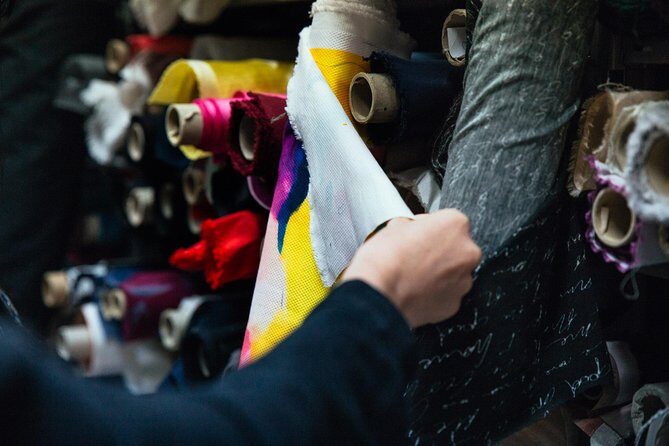
Via Manzoni continues the fashion-district focus, again with admission ticket included and a 30-minute slot.
In a short tour like this, repeating the “fashion district” pattern can sound boring on paper. In practice, it works because each street has its own character. With a private guide, the point isn’t repetition—it’s comparison. You’ll start to notice differences in store mix, price posture, and even how the street feels when you’re moving through it.
If your goal is to come away with a shortlist of places you’d return to later, this stop helps because it gives you a second data point. You’re not just learning one street—you’re learning Milan’s system.


Museo Bagatti Valsecchi: When Nobility Houses Become Fashion History
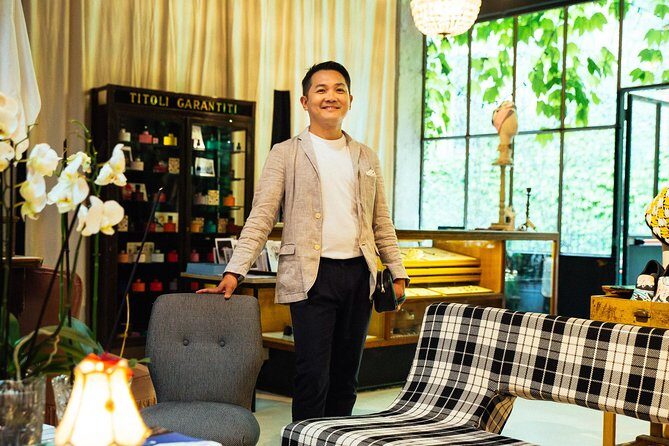
Then you shift gears to Museo Bagatti Valsecchi, described as a stop connecting noble houses to fashion spots. Here, admission ticket is not included.
This is the “why fashion isn’t only clothes” moment. A noble house tells you how status, design choices, and taste shape everyday life. Even if you don’t think of museums as part of a fashion itinerary, this stop can help you understand why Milan’s style culture isn’t just trend-chasing. It’s also a long-running language of refinement and display.
The main consideration is cost and planning: since admission is not included, you’ll want to be mentally ready for a separate ticket purchase for this museum time.
Corso Venezia: Shopping Local Tips, Concept Stores, and Sale-Season Awareness
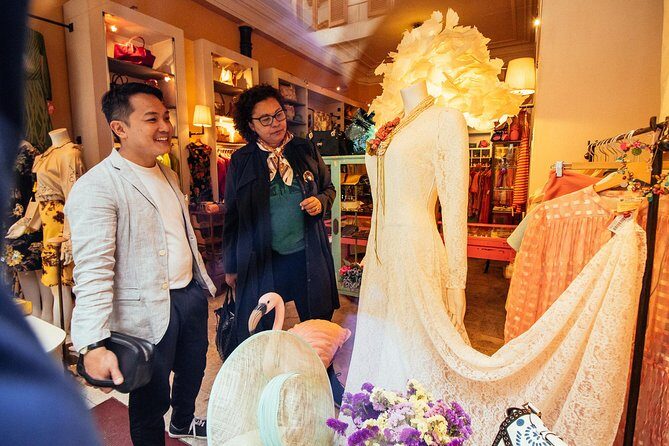
Your final shopping-focused segment is Corso Venezia, with admission ticket included. The tour calls out shopping local tips, including hidden boutiques and concept stores.
This is where the experience often feels most useful for real-life travelers. You get a sense of how Milanese shopping differs from the obvious luxury zones. Concept stores and boutique areas can be where you find the style that feels personal, not just famous.
Also, keep an eye on timing. One review specifically noted that July is sale month and made the shopping feel extra worthwhile. Even if you’re not traveling during big sales, asking a guide which shops are better for quality versus pure hype can save you both time and money.
If you like to browse slowly, remember this is still a 3-hour tour. The guide can point you toward what to prioritize, but you won’t get hours of free roaming. If you want deeper shopping time, this stop should give you leads to continue on your own after the tour ends.
What You’ll Learn (and Why It Changes How You See Milan)
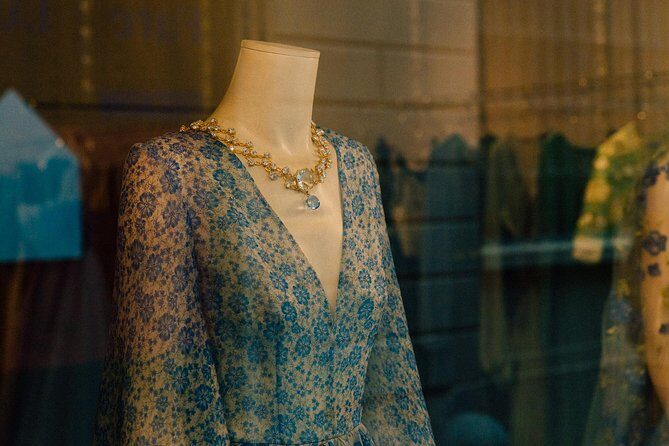
The best fashion tours don’t just show stores. They teach you how to read the city. From the feedback, several themes come up again and again:
- Milan’s fashion rise: you get a story of how the city became the fashion capital, not just a list of brands.
- Italian vs other fashion influences: one review mentioned discussion of current initiatives and competition between Italian and French fashion houses.
- Independent vs big-name brands: you learn what’s independent, what’s famous, and what tends to stay relevant over time.
- How Milan thinks about fashion: the guide often connects brand choices to broader culture and social changes, so the shopping experience feels like part of the city, not separate from it.
You’ll likely leave with a clearer sense of which direction you want to go next—whether that’s returning to luxury streets like Via Monte Napoleone, or spending more time in the more local-minded pockets around Corso Venezia and neighboring creative districts like Navigli and Brera (both mentioned in the experience highlights).
Shopping Without Feeling Pressured
A major win here is tone. Multiple reviews highlight that guides help you move through stores comfortably and typically don’t pressure you to buy. That matters in Milan, where big-name shopping can feel intimidating.
What you can expect from the best moments of this tour:
- You’ll get help making sense of what you’re seeing, not just walking past it.
- Guides often know how to talk to shop staff and may be able to help with practical details like finding what you want at other branches (based on one review’s description).
- If you’re shopping with a child or teen, guides have adapted in the reviews to keep younger interests engaged.
Keep your expectations realistic: this is a walking tour with planned stops. It’s not a private styling appointment. But if your goal is to shop smarter—whether you buy or not—it’s a good use of time.
The One Main Trade-Off to Consider
The most important caution comes from the negative feedback: if you expect a highly technical fashion-history deep lesson or lots of time inside many designer spaces, you may feel like you’re mostly browsing stores along similar corridors.
This tour can still be great, but you should know what it is: it’s a fashion-and-design neighborhood walk with education layered in, plus shopping guidance. It’s less about sitting in a studio and more about seeing how fashion works in real spaces.
So ask yourself: do you want a map and stories while you walk? Or do you want an academic fashion-school-style session with heavy design theory? If it’s the first, this fits well. If it’s the second, you may want to pair this with a museum visit or a more specialized design-focused activity afterward.
Who This Milan Private Tour Fits Best
I’d point you toward this experience if you:
- Love fashion shopping but want a local guide to steer you.
- Want a quick orientation to Milan’s fashion neighborhoods, especially luxury streets and nearby style districts.
- Like learning the “why” behind brands, not just reading signage.
- Want a private setup (only your group participates), which makes the pacing feel more human.
I’d think twice if you:
- Want long, unhurried time inside lots of stores with no structure.
- Need a strictly museum-focused itinerary.
- Prefer a deeply academic history format over a city-walk format.
Should You Book Treasures of Milan: Fashion and Design Private Tour?
Yes, if you want a high-efficiency Milan experience where fashion is the lens for everything. The route is built for seeing Milan’s fashion identity in context, with stops like Armani and Ferragamo plus a museum bridge via Museo Bagatti Valsecchi. The private guide part is the value multiplier—especially if you care about understanding independent shops versus big houses, and how to shop without stress.
Book it if your trip needs direction. Skip (or treat it as a starter) if you’re looking for lots of technical design time or a very museum-deep fashion program.
If you do book, I’d wear comfortable shoes and plan to use the tour as your launchpad. Then go back on your own to the one or two areas that match your taste.
FAQ
How long is the Treasures of Milan fashion and design private tour?
It lasts about 3 hours.
Is this tour private or group-based?
It’s private, and only your group participates.
What language is the tour offered in?
The tour is offered in English.
Where do we meet at the start of the tour?
The meeting point is Via Croce Rossa, 2, 20121 Milano MI, Italy.
Where does the tour end?
The tour ends at Via Alessandro Manzoni, 31, 20089 Rozzano MI, Italy, and it finishes at an Armani boutique area.
Are admission tickets included?
Admission ticket inclusion is listed for Via Monte Napoleone (Armani Flagship Store and Ferragamo headquarters), Via della Spiga, Via Sant’Andrea, Via Manzoni, and Corso Venezia. Admission for Museo Bagatti Valsecchi is not included.
Is hotel pick-up or drop-off included?
No, hotel pick-up and drop-off are not included.
Do I need to use public transportation to get there?
Public transportation is not included, but the meeting point is near public transportation, so you’ll likely use transit on your own.
Is there anything in the price related to sustainability?
Yes. The tour includes a carbon-neutral experience.
What is the cancellation policy?
You can cancel for free up to 24 hours in advance for a full refund.