REVIEW · MILAN
From Milan: Langhe Wine Region Day Trip with Barolo Tasting
Book on GetYourGuide →Operated by City Wonders Ltd. · Bookable on GetYourGuide
Langhe wine country hits different when you get out of Milan and onto the hills. This day trip pairs UNESCO scenery with a guided six-glass tasting that goes beyond just sipping. I like that you get time in a real wine town, not only a quick stop, and I also like the extra viewpoint payoff at Castello di Grinzane Cavour. The main thing to consider is that you’ll do a fair amount of walking in towns and around viewpoints, so comfortable shoes matter.
One more note: the itinerary shifts by season, so your free time is Barolo (Apr–Oct) or Alba (Nov–Mar). That’s great if you match your dates to what you want most, but it can be a drawback if you’re hoping for a specific town.
In This Review
- Key points to know before you go
- Why the Langhe works as a Milan day trip
- Porta Garibaldi pickup and what the 10-hour rhythm feels like
- Barolo free time (Apr–Oct): wine boutiques, hilltop views, and real town life
- Alba free time (Nov–Mar): medieval lanes, market energy, and truffle territory
- Inside a family-run Langhe winery: the six-glass tasting that teaches you how to taste
- Grinzane Cavour Castle: the UNESCO finale with panoramic vineyard views
- Group size, guides, and the small comfort details that matter
- Price and value: what you’re really paying for
- What to pack for a sunny hill day (and what to skip)
- Should you book this Langhe day trip from Milan?
- FAQ
- How long is the Langhe wine day trip from Milan?
- Where do I meet the guide in Milan?
- Is hotel pickup included?
- Which town do we visit, Barolo or Alba?
- What’s included in the wine tasting?
- Do I get free time in the towns?
- Do we stop at Castello di Grinzane Cavour?
- Is lunch included?
- Is the tour guide English-speaking?
- Is it suitable for people with mobility impairments or wheelchair users?
Key points to know before you go
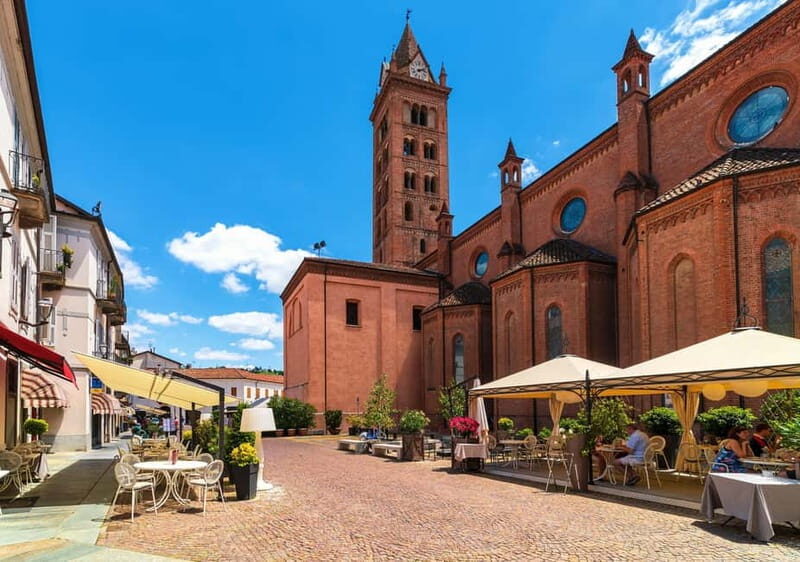
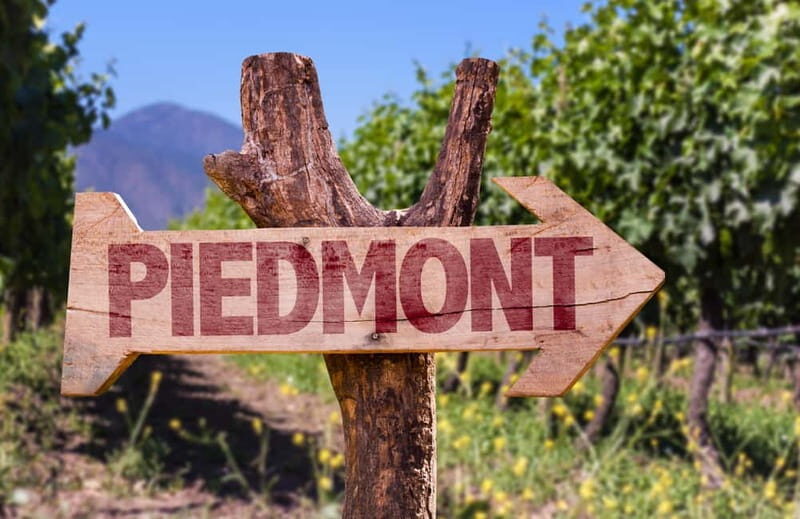
- Barolo or Alba depends on season: Barolo is the wine-town option from April–October; Alba takes over November–March
- Six-glass guided tasting at a family-run winery, with whites, bold reds, and the iconic Barolo
- UNESCO photo stop at Grinzane Cavour Castle with panoramic vineyard views
- Small group feel (including an almost private feel in some departures), plus an English-speaking guide
- Coach transport from Milan Porta Garibaldi keeps the day relaxed even with a lot packed in
Why the Langhe works as a Milan day trip
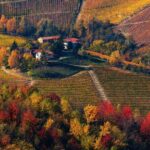
If you’ve only seen Barolo wine mentioned on labels, this is the shortcut to understanding where it comes from. The Langhe is a UNESCO-listed area of vineyard-covered hills, and the views are part of the education. Even the drive between towns makes the “terroir” idea feel real instead of theoretical.
I also like how the experience balances culture and wine. You’re not stuck in a single room for the whole day; you get genuine time in a town that lives around food and wine.
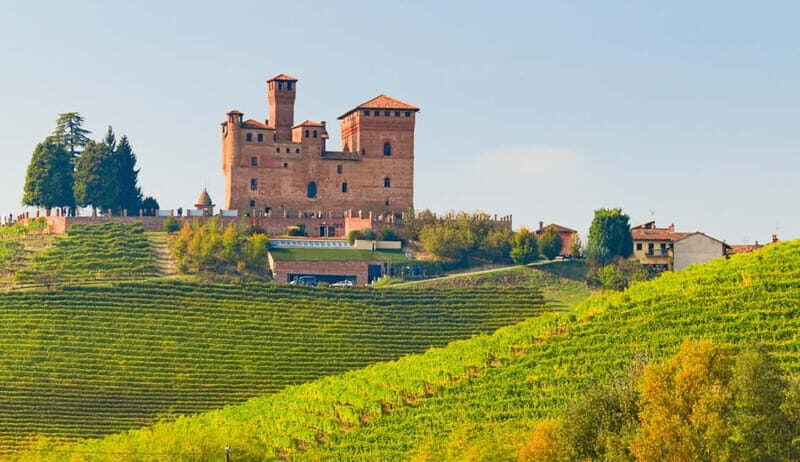
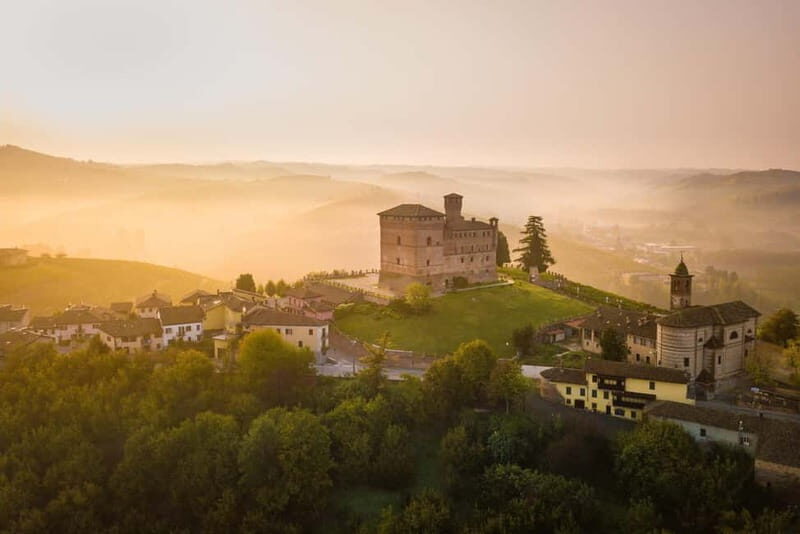
The best part is that you finish with a strong final image. Castello di Grinzane Cavour sits above the vines, and it’s the kind of stop where you naturally slow down, camera ready, just to take it in.
You can also read our reviews of more food & drink experiences in Milan
Porta Garibaldi pickup and what the 10-hour rhythm feels like
The day starts at Milan Porta Garibaldi Train Station, meeting your guide just outside the main entrance on the left side, near Briccocafé, by the stairs and under the covered roof. No hotel pickup is included, so plan on arriving at the station area on your own.
Once you’re on the coach, the rhythm is simple: scenic travel, a town visit with free time, then deeper into the Langhe for the winery tasting, and finally the castle viewpoint before heading back to Milan. It’s designed so you can relax during the longer transfers, while still getting enough time to actually look around.
Two practical reminders from the tour info: bring comfortable shoes because there’s walking, and in warm weather you’ll want water, sunscreen, and a hat since some stops won’t have much shade.
Barolo free time (Apr–Oct): wine boutiques, hilltop views, and real town life
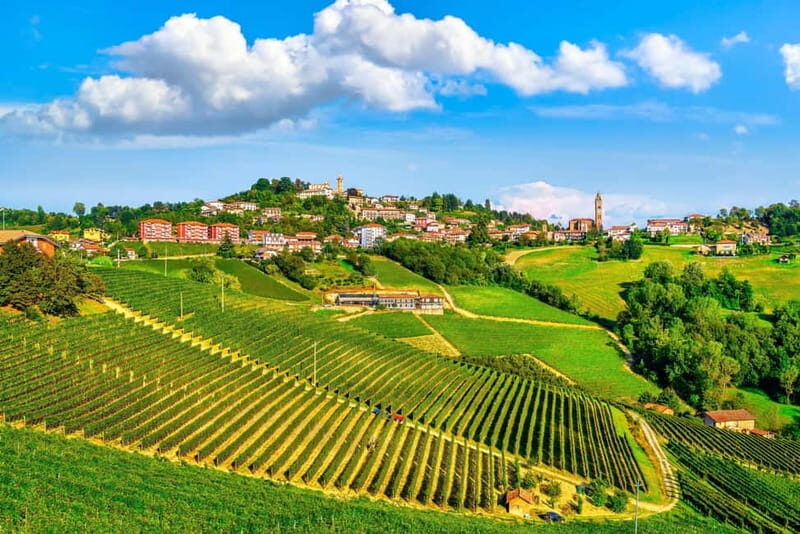
From April to October, the tour’s town stop is Barolo. This is the classic hilltop setting tied directly to Barolo wine, and the free time is long enough to wander past wine boutiques and small streets without feeling rushed.
I like Barolo for the way it rewards slow strolling. You get the chance to look outward over the Langhe hills, then pivot back toward the shops and tasting rooms that keep the town’s identity tied to the vineyards.
What to do with your time:
- Find a viewpoint and actually pause. The point of Barolo is the sightlines.
- Browse wine-focused shops if you want bottles or gifts tied to what you’ll taste later.
- Keep your expectations local: this is not a museum town. It’s a living wine village.
One caution: if you’re sensitive to sun, Barolo’s setting means exposed stretches. Hat and water aren’t optional if the weather is doing its thing.
Alba free time (Nov–Mar): medieval lanes, market energy, and truffle territory
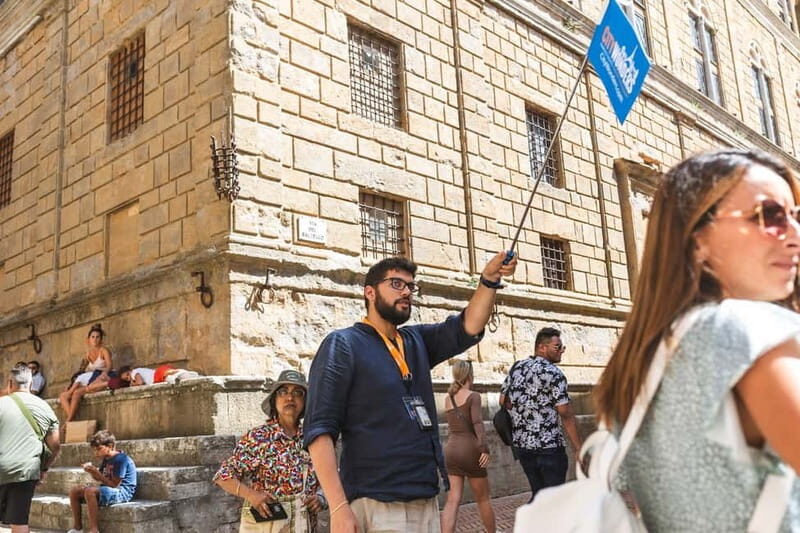
From November to March, the town stop changes to Alba. Alba tends to feel more medieval and market-centered, with cobbled streets and plenty of places to browse.
This is the season choice if your priority is food culture. You’ll have time in artisan shops and local markets, and the area’s famous truffles are part of the vibe—sometimes you’ll see them featured in specialty spots and displays.
How I’d use the free time:
- Walk the center first to get your bearings, then return for the shops that catch your eye.
- If you like browsing food markets, plan to slow down. The fun is in the small details.
- If it’s chilly, wear layers. You’ll be outside more than you think once you start wandering.
Barolo and Alba are different moods—both are worth it, but your date range decides which one you get.
Inside a family-run Langhe winery: the six-glass tasting that teaches you how to taste
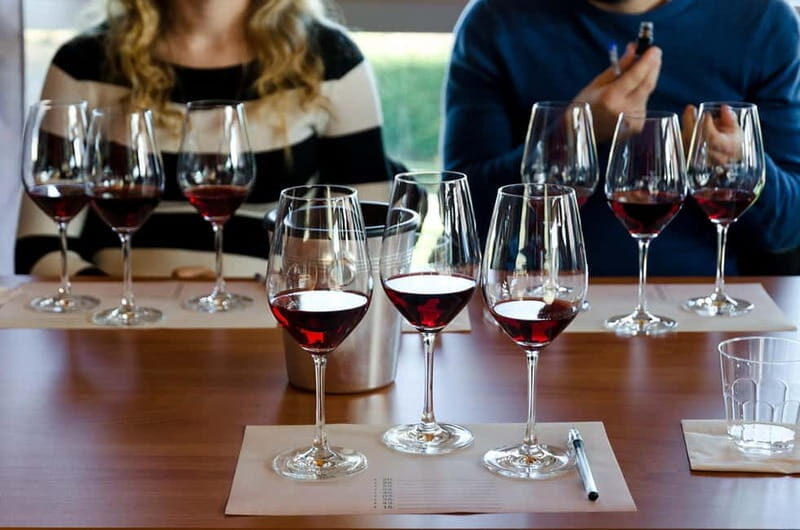
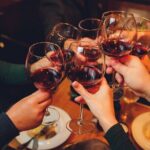
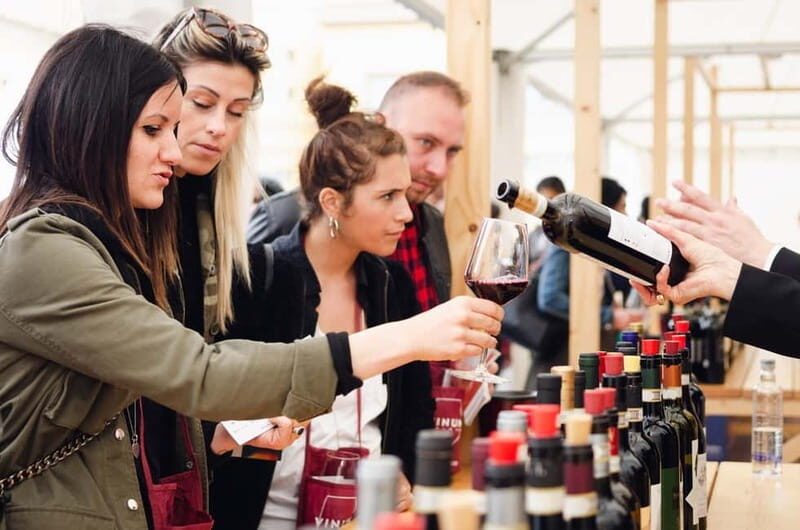
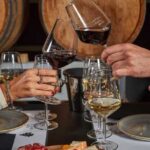
The heart of the day is the guided visit at a family-run winery in the Langhe. You’ll get a tour and then sit down for a premium six-glass tasting. The set is built to show range: elegant whites, bold reds, and of course Barolo as the centerpiece.
This tasting format matters because it changes how you experience Barolo. Instead of jumping straight to the heavy stuff, the lineup helps you notice structure—how the whites set expectations, how the reds shift in body and flavor, and where Barolo fits into the bigger picture of the region.
During the tasting, the guide explains traditional winemaking and the unique terroir behind Barolo’s style. Even if you don’t remember every detail, the value is that you’ll understand what to pay attention to when you smell and sip: texture, balance, and the way flavors evolve through the glass.
Practical tip: take your time between pours. This isn’t a race. If you want to buy wine later, the tasting is also your reference point.
You can also read our reviews of more wine tours in Milan
Grinzane Cavour Castle: the UNESCO finale with panoramic vineyard views
Before you head back to Milan, you stop at Castello di Grinzane Cavour, a UNESCO World Heritage Site tied to the region’s wine story. The castle sits on a hill with panoramic vineyard views, so it’s both a history stop and a photo stop.
I like this as a closing act because it visually connects the day. By the time you reach the castle, you’ve already spent hours in the Langhe—town streets, winery explanations, and all those hillside shapes. The viewpoint makes everything click.
If you’re trying to maximize the photo moment:
- Look around first before taking a dozen shots from the same angle.
- Give your eyes a break, then return for the best view.
- Bring your camera strap. You’ll likely be moving between viewpoints.
Group size, guides, and the small comfort details that matter
This is a group tour, but the experience is set up to feel manageable. There’s a small group option, and in at least one recent departure the group size was small enough to feel almost private (about 7 people). That matters because you get the chance to ask questions and actually hear the guide.
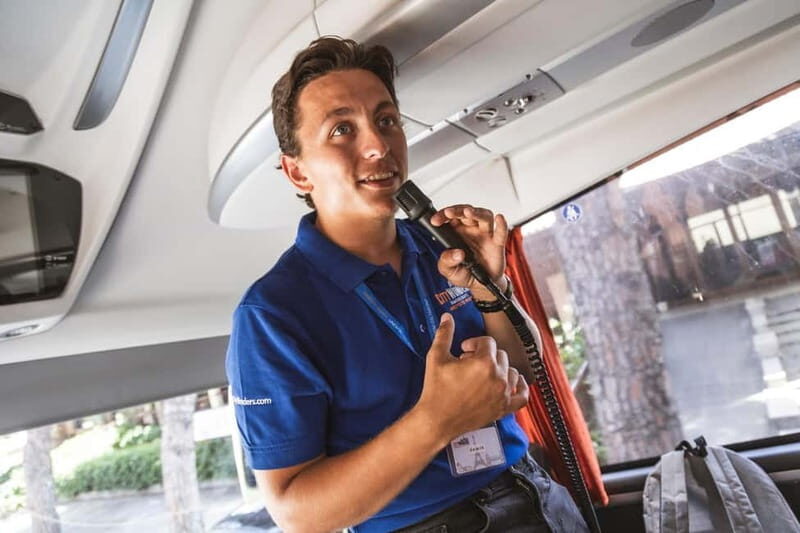
The English-speaking guides get real praise for energy and care. Names that show up in recent experiences include Sara Calabrese and Barbera—both highlighted for being friendly, knowledgeable in the moment, and organized.
One detail I’m glad exists: the guide and driver have shown flexibility with passengers who need to minimize walking. For example, if you need to be dropped off closer to your end point, the team has reportedly worked to make that happen rather than forcing a long walk. Even if you don’t have mobility needs yourself, that kind of care improves the whole day’s flow.
So what should you expect overall? A day that’s active enough to feel like you left Milan, but structured enough that you’re not guessing your way through the Langhe.
Price and value: what you’re really paying for
Even without a listed price here, you can judge value by what’s included. You’re getting:
- Round-trip coach transportation from central Milan
- An exclusive winery tour in the Langhe
- A guided six-glass tasting (more than just a single pour)
- Free time in Barolo or Alba, depending on the season
- A UNESCO castle stop with vineyard views
That’s a lot for one day, especially if you’re comparing it to doing this independently (driver, planning, winery booking, and tasting reservations all add time and friction). If wine is your main goal, the tasting is the anchor that makes the day worth it, and the town time keeps you from feeling stuck in a single agenda.
If wine isn’t your focus, you might still enjoy it for the towns and the views—but the tasting is the most time-and-money concentrated part of the experience.
What to pack for a sunny hill day (and what to skip)
Bring comfortable shoes first. You’ll be on your feet enough to make blisters a real risk if your shoes are just okay.
Pack:
- Water
- Camera
- Hat and sunscreen for warm weather
- Something warm enough for winter if you’re going during the Alba season
Skip:
- Luggage or large bags (not allowed)
- Non-folding strollers and baby strollers (not allowed)
One more smart move: wear clothing you can layer. The Langhe can shift from cool to warm depending on time of day, and you’ll be outside during free time and photo stops.
Should you book this Langhe day trip from Milan?
Book it if you want a straightforward way to experience Barolo country without juggling logistics. This tour is a good match if you care about wine but also want the day to include actual town wandering and a strong viewpoint finale.
Don’t book it if you can’t handle walking and uneven outdoor stops. The tour is not suitable for wheelchair users, and it involves a fair amount of walking with limited shade at some points.
If your dates are flexible, pick based on the town mood:
- Apr–Oct for Barolo if you want the wine-village feel and hill views
- Nov–Mar for Alba if you want market time and truffle territory
FAQ
How long is the Langhe wine day trip from Milan?
The trip is listed as 10 hours in total.
Where do I meet the guide in Milan?
Meet your guide at Milan Porta Garibaldi Train Station, outside the main entrance on the left side near Briccocafé, by the stairs under the covered roof.
Is hotel pickup included?
No, hotel pickup and drop-off are not included.
Which town do we visit, Barolo or Alba?
It depends on the season: you visit Barolo (Apr–Oct) or Alba (Nov–Mar).
What’s included in the wine tasting?
You’ll enjoy a guided six-glass tasting featuring elegant whites, bold reds, and Barolo.
Do I get free time in the towns?
Yes. You’ll have free time to explore Barolo (Apr–Oct) or Alba (Nov–Mar).
Do we stop at Castello di Grinzane Cavour?
Yes. The tour includes a scenic stop at Castello di Grinzane Cavour with vineyard views.
Is lunch included?
No. Lunch is not included.
Is the tour guide English-speaking?
Yes. The tour includes a live tour guide in English.
Is it suitable for people with mobility impairments or wheelchair users?
The tour is not suitable for mobility impairments and not suitable for wheelchair users.