REVIEW · MILAN
Mamma Mia! Authentic Italian Pizza Making Class
Book on Viator →Operated by eatwith · Bookable on Viator
Pizza lessons beat another museum stop.
What makes this one work is the format: you connect with your host and home cook, Armando, and learn by doing, not watching. The class is designed around real pizza skills—handling the dough, topping your pie, and understanding the basic logic behind what makes a good crust. Armando brings a relaxed, sports-enthusiast energy, and his message is simple: enjoy life, because you only get one.
I also like the practical, step-by-step focus. You’re in a small group (max 5), so questions land fast and the teacher can correct your technique. You’ll sample your pizza hot from the oven with beverages, and in at least one session shared in feedback there was even gelato to finish. One thing to consider: this is not a big restaurant show. The setting can feel compact and “studio-like,” so if you want space and a polished dining room vibe, you might find the atmosphere more casual than expected.
In This Review
- Key Highlights You’ll Actually Care About
- A Milan Pizza-Making Class That Feels Like a Break, Not a Project
- Finding Viale Certosa at 12:00 pm (And Why Timing Matters)
- Meet Armando: Friendly Host, Real Cooking Momentum
- Working the Dough: The Skill That Makes Pizza Feel Like Magic
- Topping Your Pie Like You Mean It (Ingredients + Technique)
- Oven Time and the First Bite Hot
- Pizza History, Made Human (Not a Museum Talk)
- Price and Value: Is $93.45 Reasonable for 2 Hours?
- Who Should Book This Milan Class (And Who Might Pass)
- Practical Tips Before You Go (So You Get the Best Lesson)
- My Take: Should You Book This Milan Pizza-Making Class?
- FAQ
- Where does the pizza-making class meet in Milan?
- What time does the experience start?
- How long is the class?
- Is the class offered in English?
- How many people are in a group?
- What do I eat during the class?
- Do I need to tell the host about food restrictions?
Key Highlights You’ll Actually Care About
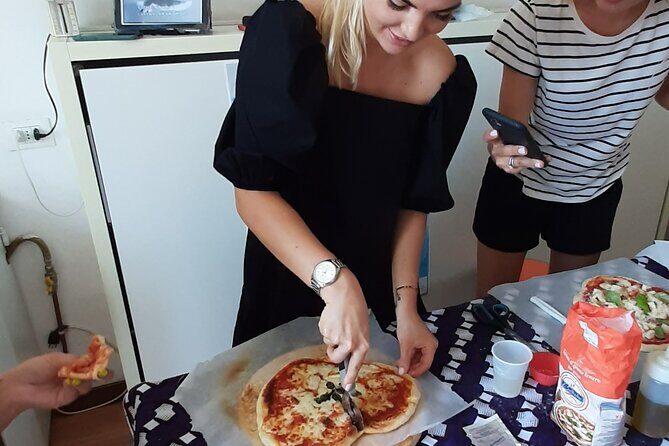
- Armando’s hands-on teaching: dough technique gets explained in a way you can apply right away.
- You learn the dough, not just toppings: smooth, workable dough is a skill, not a given.
- Small group energy (up to 5): it stays personal, with time to adjust your method.
- Hot pizza straight from the oven: you eat what you make, not later, not elsewhere.
- Beverages with your meal: some sessions include wine, paired with your pizza experience.
- Pizza history included, in plain language: you get context as you work, not a lecture-only format.
A Milan Pizza-Making Class That Feels Like a Break, Not a Project
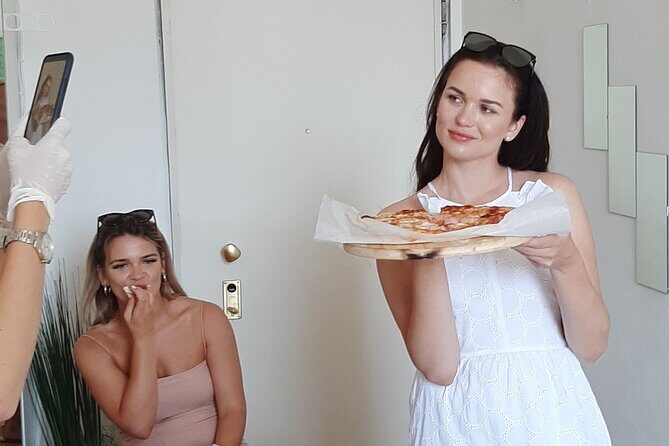
Milan can be intense: churches, design shops, galleries, then more churches. A pizza-making class is a smart reset because it gives your day a different pace. Instead of walking, you’re hands-on. Instead of reading plaques, you’re feeling dough texture and learning what “good” looks like while you still have time to fix it.
This class is built for small-group conversation with a local host. Armando—sports enthusiast, friendly, and clearly into sharing the why behind cooking—keeps things easygoing. That matters because pizza dough can feel a little intimidating at first. The good news is you’re not left alone with flour and hope.
You can also read our reviews of more tours and experiences in Milan
Finding Viale Certosa at 12:00 pm (And Why Timing Matters)
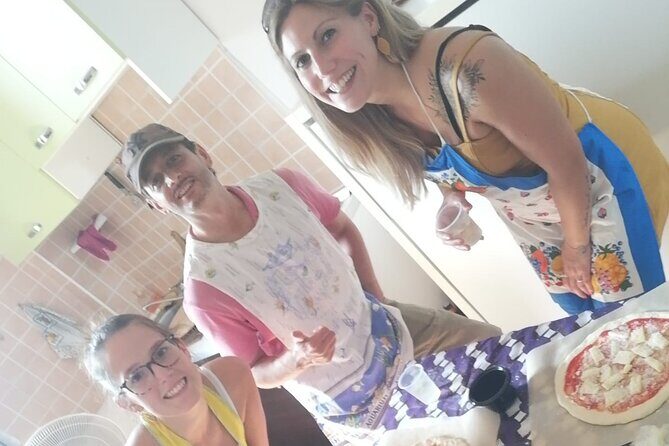
The class meets at Viale Certosa, 20151 Milano MI, and it runs for about 2 hours, starting at 12:00 pm. You end back at the same meeting point. For planning, that midday start is a plus if you want something active that doesn’t eat your whole evening.
Why the meeting point details matter: Viale Certosa is in a built-up area and the tour notes it’s near public transportation. That means you’re not committing to a complicated route just to cook pizza. Still, I’d treat arrival time seriously. Give yourself a small buffer so you’re not rushing the moment you step in, especially if you’re meeting a home cook and you want to start calmly.
Also, max group size is 5 travelers. That’s not just a comfort detail—it changes the whole experience. In a tiny group, the instructor can slow down when someone needs help. With a larger class, you’d likely get a quicker demo and then fend for yourself.
Meet Armando: Friendly Host, Real Cooking Momentum
Armando is the center of this experience. From the feedback, he’s patient and upbeat, and he teaches with both knowledge and personality. He doesn’t just show you a move—he explains what the dough should feel like and why certain steps matter.
One reason I’d pick this kind of host-led class in Milan: you’re learning from someone who lives the culture, not just someone who performs it. In the stories shared, Armando also connects the dough to pizza origins and even references family knowledge—there’s a sense that his approach isn’t pulled from a generic script.
If you’ve ever taken a cooking class where the instructor says everything but never answers your question, you’ll likely like Armando’s style more. The class is structured to keep you engaged—dough work, topping, then oven time—so you’re always doing something, not waiting for the next segment.
Working the Dough: The Skill That Makes Pizza Feel Like Magic
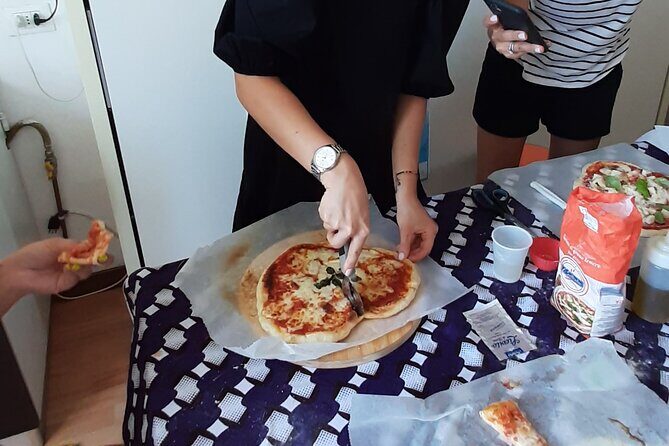
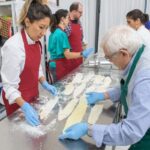
The heart of this class is the dough. You’ll work it with your hands, learning how to shape and manage the dough so it becomes smooth and workable. The feedback highlights that the “perfect smooth dough” is not as easy as it looks—exactly the kind of thing you want to learn in person.
Here’s what this means for you: you’re not only cooking. You’re also learning technique cues. The instructor can correct your hands-on habits while you’re still in the process. That’s huge, because dough is one of those areas where tiny changes create big differences—too much flour, too much pressure, not enough resting time (or impatience during steps), and the texture changes fast.
In practical terms, you can expect to:
- learn how to handle dough without tearing it
- practice shaping so it becomes easier to stretch and top
- get explanations for the mechanics behind the dough’s behavior
This is also where a small class helps. With fewer people, your mistakes become teachable moments instead of wasted time.
Topping Your Pie Like You Mean It (Ingredients + Technique)
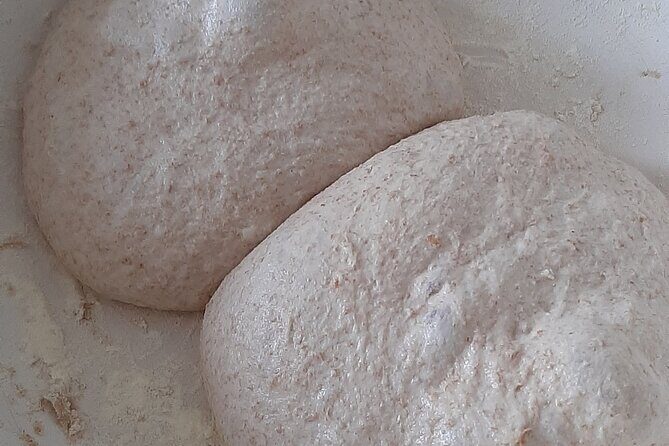
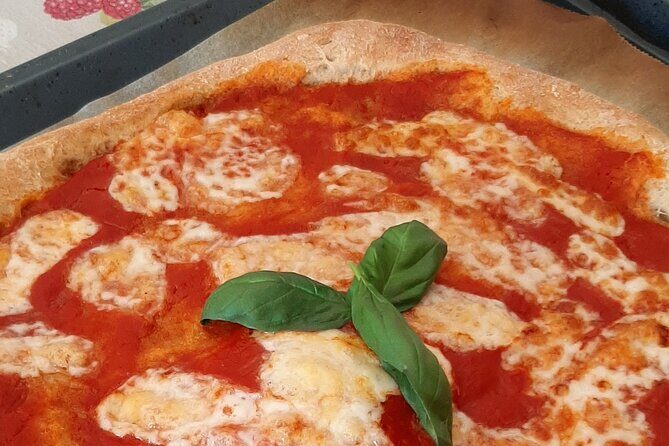
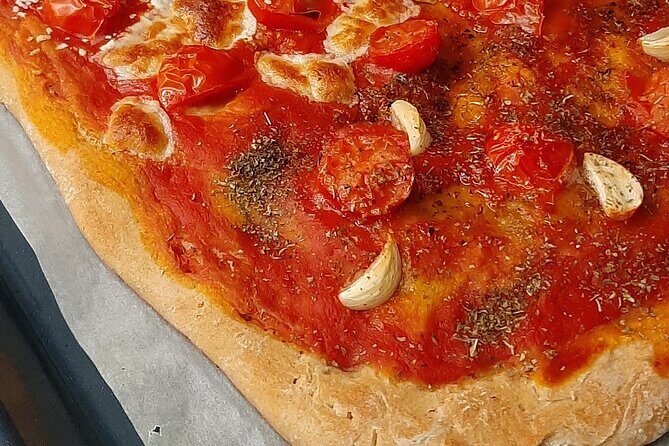
After you’re comfortable with the dough, you move into topping. Pizza is simple on paper—tomato, cheese, maybe basil—but the “simple” version depends on technique. Too much topping makes a soggy result. Too little doesn’t deliver flavor balance. Even arrangement can matter.
In feedback, the class covers ingredients and the approach to building your pizza. You’ll learn how to top your pie in a way that makes sense with how the dough was prepared. That connection—dough method leading into topping choice—is one of the underrated values of this type of class.
And the topping segment is where the class turns from technical to fun. You’ll get to create your pizza while still benefiting from an instructor who knows what works. If you like interactive learning, this part is likely to feel like the payoff rather than another lesson.





Oven Time and the First Bite Hot
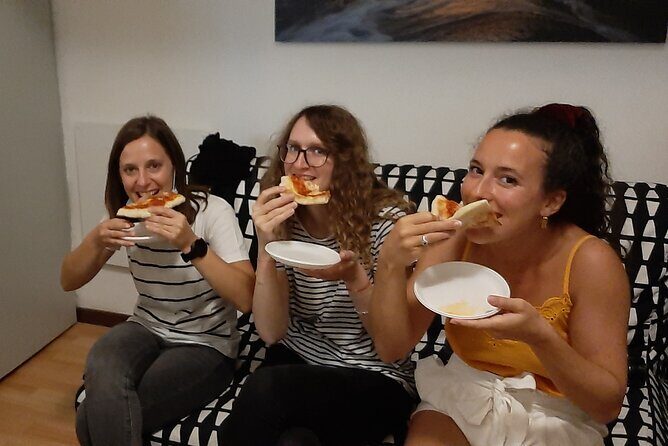
One of the biggest reasons I’m into this kind of experience is the timing of the meal. You sample your pizza hot from the oven, served with beverages. That’s not a minor detail. Eating hot food you made yourself is the moment where technique clicks into reality.
If your goal is a memorable taste of Italy beyond just a slice in a busy restaurant, this format is a strong match. You’re getting a direct result: what you touched, shaped, topped, and cooked becomes your dinner.
In one feedback account, the session included gelato as a dessert finish (pizza and then gelato). Since the general description lists pizza with beverages, treat gelato as something that may appear depending on the exact session setup—but it’s a helpful clue that the experience can end on a sweet note as well.
Pizza History, Made Human (Not a Museum Talk)
Good food teaching usually includes context. Here, you get pizza history alongside the cooking. Armando is described as sharing origins of pizza, and another review notes that the understanding of dough history links back to family knowledge—specifically learned through an older generation.
This matters because pizza history isn’t about memorizing dates. It’s about learning why the dough and toppings follow certain patterns. When you understand the purpose behind a step, you can reproduce it later at home.
So expect a history and ingredient explanation that flows with the cooking process—short, relevant, and connected to what’s happening in front of you. The best part is that you’re not stuck listening while everyone else cooks. You’re working while learning.
Price and Value: Is $93.45 Reasonable for 2 Hours?
At $93.45 per person, this isn’t a bargain-basement snack. But it can still be good value if you look at what you’re actually paying for: a host-led, hands-on lesson in a small group, with you eating what you make.
Here’s the value breakdown I’d use:
- Small group size (max 5): less crowding, more direct attention
- Hands-on instruction: technique help beats DIY guesswork
- Food included: you get your hot pizza plus beverages
- Local host experience: Armando’s personality and teaching style are part of the product
If your alternative is trying to “figure it out” from a recipe at home—or paying for a generic cooking show—this format is more likely to feel worth the cost. Two hours also helps. You get a complete, satisfying experience without committing to a half-day tour.
Who Should Book This Milan Class (And Who Might Pass)
I think this is a great fit for:
- Families and mixed-age groups who want something active and structured
- Couples looking for a non-restaurant date night vibe
- Friends who like hands-on group activities and want a shared meal result
- Anyone who gets tired of “sit and watch” sightseeing
The feedback you have suggests that the class works well even with younger adults and parents together, since it’s taught step-by-step and designed to keep people comfortable with dough work.
You might consider skipping if:
- you want a large, formal dining-room experience
- you hate compact spaces or being close to others while cooking
- you’re only interested in eating and not learning technique
Practical Tips Before You Go (So You Get the Best Lesson)
A few practical things will make this class smoother.
Arrive with the right mindset. Dough work can be a little messy. Wear something you don’t mind getting flour on.
Ask about restrictions early. You’re expected to communicate any allergies or special diets. The class description notes you need to do this when booking, so don’t wait until the last minute.
Go in ready to talk and ask questions. This is a host-and-home-cook experience. The small group size makes conversation part of the value, not an extra.
Plan the rest of your midday. Since it starts at 12:00 pm and runs about 2 hours, I’d schedule it before a long museum block so your energy stays steady.
My Take: Should You Book This Milan Pizza-Making Class?
Yes, if you want a hands-on break that still feels authentically Milan. The class offers a tight package: small group, real dough technique, a warm finished product, and a friendly local host in a setting that feels personal rather than staged.
I’d book it especially if you care about learning—because the instruction isn’t just about assembling pizza. It’s about working the dough correctly, topping with intention, and understanding the story behind the food.
If you’re the type who needs big-city grandeur in every moment, you might find the studio-like feel less exciting than a landmark tour. But for most people looking for a real taste of Italy with genuine participation, this is an easy yes.
FAQ
Where does the pizza-making class meet in Milan?
It meets at Viale Certosa, 20151 Milano MI, Italy.
What time does the experience start?
The start time listed is 12:00 pm.
How long is the class?
The duration is about 2 hours.
Is the class offered in English?
Yes, it’s offered in English.
How many people are in a group?
The maximum group size is 5 travelers.
What do I eat during the class?
You prepare Italian pizza and sample it hot from the oven, served with beverages.
Do I need to tell the host about food restrictions?
Yes. You should communicate any allergies or special diets when booking.