REVIEW · MILAN
Milan 3–Hour Cultural Bike Tour
Book on GetYourGuide →Operated by Guided Tour Milan · Bookable on GetYourGuide
Pedaling past Milan’s layers feels like time travel. On this 3-hour ride, I love the on-the-bike commentary at every stop; it turns big landmarks into a clear story instead of a scatter of photos.
I also like how the guide, including Vera in one recent group, navigates traffic confidently and answers questions on the spot. One drawback to keep in mind: there have been reports of a tour interruption, plus bikes showing up without locks and with mechanical trouble in that case.
In This Review
- Key things that make this tour worth your time
- How this 3-hour bike tour gives you the big picture
- Starting at Stazione Centrale and rolling toward Castello Sforza
- Renaissance power to Roman roots: what you get between stops
- The Duomo moment: 135 spires and what to actually watch for
- Teatro alla Scala: seeing a world-class stage from the street
- Why the guide matters: Vera’s kind of competence and control
- Bikes, traffic, and comfort: make your ride stress-free
- Value and price: when $325.13 makes sense
- Who should book this tour (and who should wait)
- Should you book the Milan 3-hour Cultural Bike Tour?
- FAQ
- FAQ
- How long is the Milan 3-Hour Cultural Bike Tour?
- Where is the meeting point for the tour?
- What does the tour cost?
- What is included in the price?
- Are meals and drinks included?
- What languages is the live guide available in?
- Is this a private tour or shared group?
- What is the cancellation policy?
Key things that make this tour worth your time
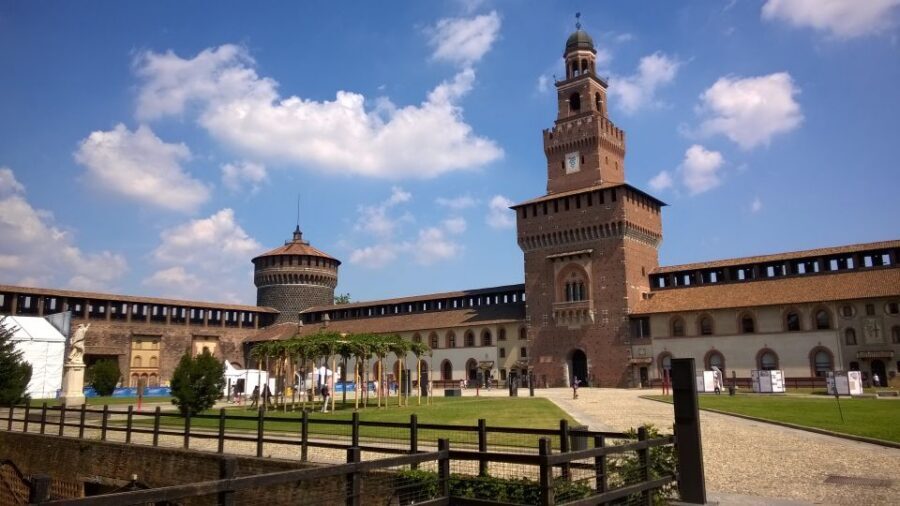
- Castello Sforza first: you start with Renaissance power and scale, then build forward in time
- Roman-era remains by bike: you see the remnants of Milan when it was a center of empire
- Duomo focus with real details: you get oriented to the cathedral’s symbolism and the famous spires
- Teatro alla Scala stop: opera-house history without needing to stand in long lines
- Private-group pacing: your guide can tailor questions in real time, not just read facts from a script
How this 3-hour bike tour gives you the big picture
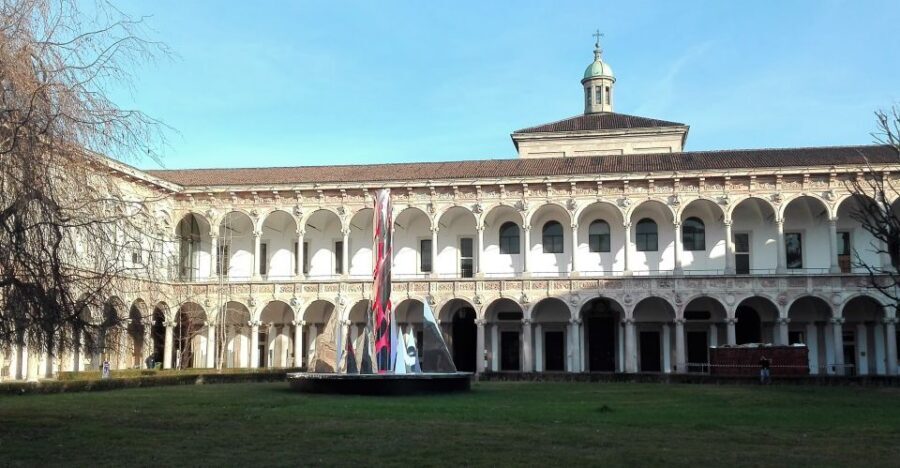
Milan is a city where the meaning of places matters as much as the architecture. This tour is designed to give you that meaning fast: you ride between major sights while your guide explains how each era shaped the city.
For me, the best part is the rhythm. You do not just stop, look, and move on. You ride a little, listen a little, then connect the next place to what came before. In three hours, you get a framework you can reuse when you explore on your own later.
And because it is a private group, you are not stuck waiting for a large pack to regroup. That matters in a city where traffic and pedestrians keep you alert.
You can also read our reviews of more cycling tours in Milan
Starting at Stazione Centrale and rolling toward Castello Sforza
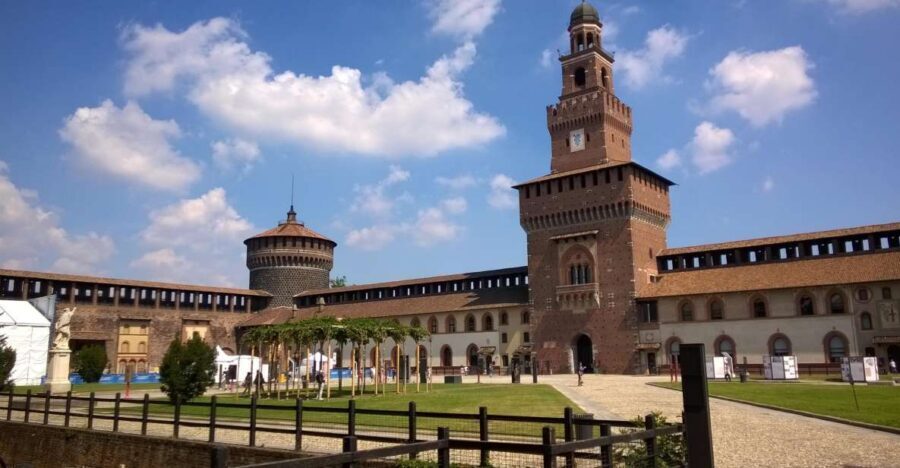
The meeting point is at the front door of the building. The closest metro stop is Stazione Centrale (yellow line 3 or green line 2), which is convenient if you are coming in from elsewhere in Lombardy.
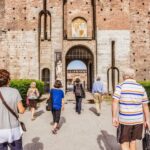
Right away, you build momentum toward Castello Sforza, the first big stop. This fortress palace is tied to Milan’s ruling families during the Renaissance, so it works like a strong opening chapter. You see it early enough that you can understand why the rest of the city developed the way it did.
On a bike, Castello Sforza also gives you a practical benefit. You get an immediate sense of scale: how far views and streets stretch, and how the city’s center is laid out. That helps once you start aiming for places like the Duomo later in the tour.
Renaissance power to Roman roots: what you get between stops
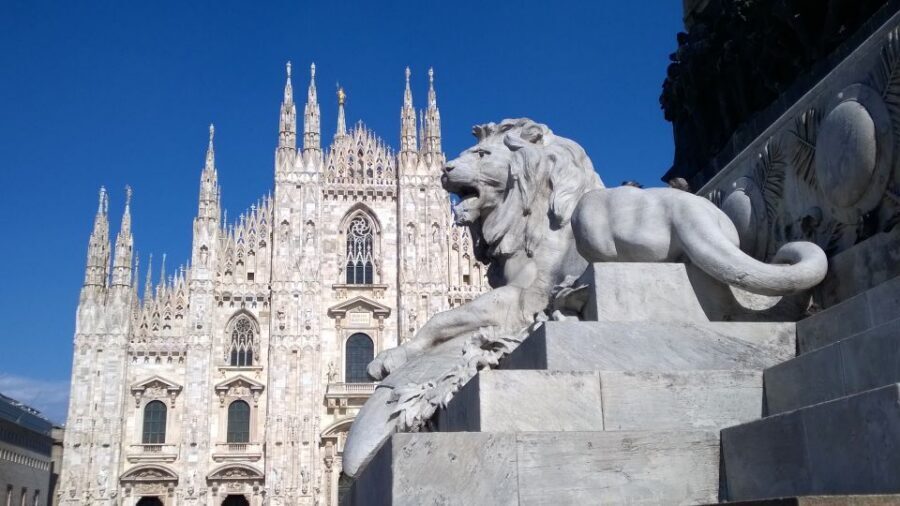
After Castello Sforza, the tour moves you toward the ruins of the Roman era—when Milan was the capital of the Empire. This is one of those moments where biking helps you understand the city as a layer-cake rather than a museum layout.
You are not expected to know the Roman map in your head. Instead, your guide’s job is to connect the dots: what these remains are, what role Milan played, and how later periods inherited and reshaped earlier spaces.
Here is why that matters for your trip. When you know Milan had an earlier Roman core, the rest of your walking and sightseeing suddenly makes more sense. You start noticing alignments, street logic, and how power and architecture keep returning in new forms.
If you like city history but do not want to spend your whole day in slow, stop-and-start transit, this sequence is efficient. You get a time jump without feeling rushed through unrelated sights.
The Duomo moment: 135 spires and what to actually watch for
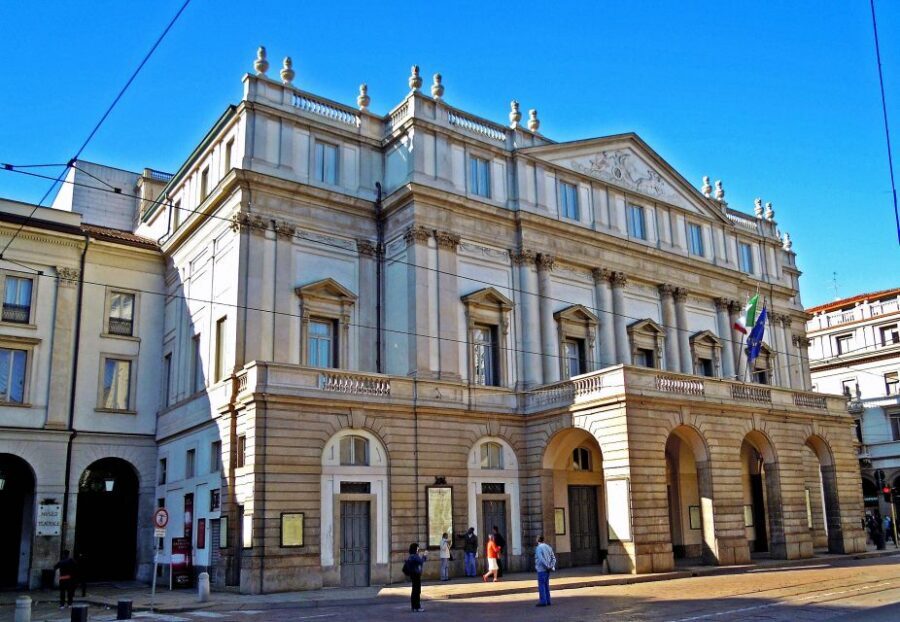
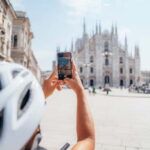
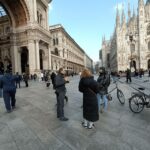
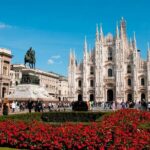
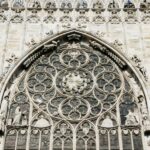
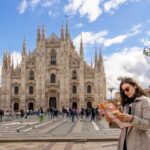
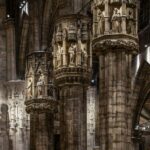
The Duomo Cathedral is the symbol of Milan, and you visit for a reason that goes beyond the postcard. The tour highlights that it is the third-largest church in the world and points you toward the most recognizable feature: its 135 spires.
When you visit on a bike tour, you have a different advantage than you do on foot. You can take in the cathedral’s presence in relation to the surrounding streets, instead of only seeing one angle at a time. Your guide can also help you spot what you should pay attention to first, so you do not waste time hunting for the details once you are standing there.
Think of it like this: the bike tour gives you the orientation, and then you can build on it later. If you return to the Duomo during your own time, you will know what elements to look for, and you will understand why the cathedral is such a long-term project in Milan’s story.
A small practical note: wear comfortable clothes for city biking, and bring a bag for your belongings. It sounds basic, but on a cathedral day, you will want the freedom to move without fiddling with your hands or gear.
Teatro alla Scala: seeing a world-class stage from the street
You also visit Teatro alla Scala, one of the leading opera houses in the world. Even if opera is not your obsession, this stop is valuable because it shows another side of Milan: the city as a cultural engine, not just a historical exhibit.
The guide’s commentary at each stop helps you avoid the typical sightseeing problem: knowing where a place is but not knowing why it matters. With Scala, you get that context right as you arrive, so it feels less like a random building and more like a key institution.
On a bike route, you also experience Scala in the way locals might: as part of the city’s fabric. You are not isolated behind barriers or confined to one entry point. You move through nearby streets and absorb the pacing of the neighborhood.
If you want to add a little extra magic on your own afterward, this is a great place to start thinking about where to eat nearby, what streets to walk, and how to extend your night in Milan’s cultural areas.
Why the guide matters: Vera’s kind of competence and control
This tour is run with an expert guide, and the difference shows up fast. One group specifically noted Vera for being competent, safe, and responsive to questions. That kind of guide is not just a human audio track. She helps you feel confident in traffic and keeps the ride flowing.
You should look for three guide qualities on a bike tour:
- Clear explanations that connect each stop
- Consistent pacing that respects real city conditions
- Confidence handling the route without acting like you are in a race
One concern that came up in the experience data: in a problematic run, the tour was interrupted and later resumed much later than planned. There were also reports of bikes without locks and a mechanical issue during the ride.
So, if you book, do a quick self-check at the start. Inspect the bike condition before you roll. Ask where the bike locks are kept, and make sure you know what you can use during stops. You do not want to spend your Duomo moment thinking about chain problems.
In short: the guide can make this tour feel smooth and intelligent. The best guides also protect your time.
Bikes, traffic, and comfort: make your ride stress-free
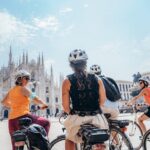
This is a city-bike tour, so your comfort and safety depend on small details. The tour includes bike rental, with accessories available. You do not need special sportswear, but you do need clothing that works for urban biking.
Bring an appropriate bag for your belongings. That keeps your hands free and your attention where it belongs: on the road.
Also plan for the reality of Milan streets. Even a well-run bike tour means shared space with cars and pedestrians. Keep your awareness up and follow your guide’s instructions about where to ride and when to stop.
If you have never biked in a busy European city, this is a good entry-level way to do it. But you should still choose this tour on days when you can stay flexible. When schedules slide, bike tours feel the impact quickly.
Finally, if you care about bike security during stops, take two minutes to confirm the lock situation. Reports in the data include a case where there were no locks provided, so it is a reasonable question to ask upfront.
Value and price: when $325.13 makes sense
The price listed is $325.13 per group, up to 1. That signals a private-tour style cost, not a big-group bargain.
So is it worth it? It can be, if you value:
- A guide who explains history at each stop, not just a list of sights
- Efficient coverage across Renaissance, Roman-era remains, and major Milan institutions
- A private-group setup where questions and pace can be managed better
If you are traveling solo, you are paying for direct attention. If you are more comfortable paying for guidance and structure, this tour can save you time you would otherwise spend figuring out routes and context.
If you are traveling with others, check how the private-group pricing works for your exact booking. The data says up to 1, but your availability might depend on how the operator structures groups for your time slot.
My practical take: this is not a low-cost sightseeing shortcut. It is a way to get oriented quickly. If you want that orientation, you are buying back time and reducing guesswork.
Who should book this tour (and who should wait)
This tour suits you best if you want a guided overview without turning your day into a string of long walks. If you like history, but you also want to see modern Milan through movement and street context, the bike format makes that easier.
It also fits well if:
- You want Duomo and Scala context explained, not just photographed
- You prefer cycling between stops to reduce transit friction
- You like asking questions in real time
You might choose differently if:
- You are highly sensitive to schedule changes on your trip
- You rely on bikes being in perfect condition and would be uncomfortable with any mechanical risk
- You have to keep a strict, immovable plan later in the day, since a disrupted ride could affect timing
Should you book the Milan 3-hour Cultural Bike Tour?
If you want an efficient, guided sweep of Milan’s big symbols and the city’s earlier layers, I think this tour is a strong bet. The Duomo orientation plus the Roman-era stop plus Scala in one ride gives you a useful mental map of Milan’s main themes.
Book it if you value a guide who speaks multiple languages, explains as you go, and helps you connect each era to what you see next. The mention of Vera for safety and competence is a reassuring signal for how good this can feel when the ride runs smoothly.
But go in smart. Inspect the bike at the start, confirm bike lock details, and plan a little buffer in your day. In a rare bad scenario reflected in the experience data, the ride was interrupted and bike issues showed up. That is not the norm you should gamble on when your schedule is fragile.
If you can build in that flexibility, you will likely come away with a clearer, faster understanding of Milan than you could get from just wandering.
FAQ
FAQ
How long is the Milan 3-Hour Cultural Bike Tour?
The tour lasts 3 hours.
Where is the meeting point for the tour?
The meeting point is at the front door of the building. The closest metro stop is Stazione Centrale (yellow line 3 or green line 2).
What does the tour cost?
The price is $325.13 per group (up to 1).
What is included in the price?
Bike rental is included, along with an expert guide. Accessories are available for the bike rental.
Are meals and drinks included?
No. Meals and drinks are not included.
What languages is the live guide available in?
The guide is available in English, Italian, German, Spanish, and French.
Is this a private tour or shared group?
This is a private group.
What is the cancellation policy?
You can cancel up to 24 hours in advance for a full refund.