REVIEW · MILAN
Milan: Share Your Pasta Love in a Local’s Home
Book on GetYourGuide →Operated by Cesarine · Bookable on GetYourGuide
Fresh pasta, made at a real Milan table. This small-group class lets you learn Northern Italian techniques from a certified home cook right inside a local family’s home, not a showroom kitchen. You start with an aperitivo and appetizer, then roll, knead, shape, and finally eat what you made with wine included.
I love how fast and hands-on it feels: in about 1.5 hours you actually make fresh pasta, so the meal is personal, not just watching. I also love the warm, patient hosting—guides like Valentina, Rosa, and Simona are repeatedly praised for guiding people step by step. One possible drawback: it’s priced like a premium experience, and a couple of people felt the food portion and how much time went into pasta making could be lighter than they expected.
In This Review
- Key things that make this pasta class worth your time
- A Real Milanese Home, Not a Kitchen Classroom
- From Aperitivo to Appetizer: The Warm Welcome Part
- What You Learn: Tagliatelle, Ravioli, and the Northern Approach
- The Sit-Down Meal: Eating What You Made (With Wine)
- Language, Teaching Style, and Why Small Groups Help
- Price and Value: Does $65 Make Sense in Milan?
- Who This Class Fits Best (and Who Should Re-think It)
- Timing Tips and What to Bring to the Home Kitchen
- Should You Book This Milan Pasta Class?
- FAQ
- Where is the meeting point?
- How long is the experience?
- How much does it cost?
- How big is the group?
- What language will the instructor use?
- What’s included in the price?
- Is wine included?
- What’s the cancellation policy?
- Is there a way to pay later?
Key things that make this pasta class worth your time
- Milanese home setting: you get the local rhythm of an actual family table.
- Hands-on pasta skills: you learn dough work and shapes like tagliatelle, fettuccine, and ravioli.
- Aperitivo start: you’re not thrown straight into flour—there’s a relaxed welcome first.
- Wine included: beverages are part of the package, with wine served at a set ratio (one per three guests).
- Small group (up to 10): easier questions, less waiting, more real conversation.
A Real Milanese Home, Not a Kitchen Classroom
This is one of those experiences that changes how you think about “doing Milan.” Instead of a lesson with plastic chairs and pre-portioned ingredients, you’re invited into a private home. That matters because fresh pasta isn’t only technique—it’s also timing, family pace, and how people talk while they cook.
The setting is stylish and comfortable, which helps if you’re nervous about cooking. You’ll also get that easy “we’re all in this together” feeling, since the class is capped at 10 participants. The host(s) guide you while you work, and with a small group you’re more likely to get direct corrections rather than general instructions.
One practical note: because it’s a home for privacy reasons, you receive the full address after you book. Build in a little extra time to find the place and settle before the first pour of aperitivo.
You can also read our reviews of more tours and experiences in Milan.


From Aperitivo to Appetizer: The Warm Welcome Part
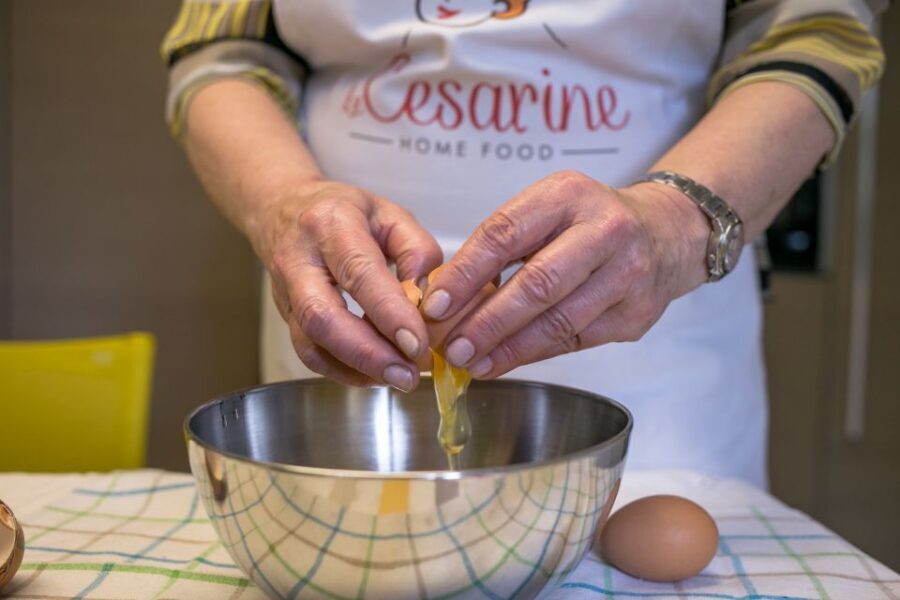
You begin with a welcome that’s meant to get you talking like a guest, not lining up like a customer. Expect a small appetizer and an aperitivo—the kind of pre-dinner moment Italians use to start the evening slowly.
From there, the lesson transitions naturally into cooking. That structure is smart for beginners. When you’re only learning dough technique, you can feel rushed. Here, the early food and drinks soften the start, so you focus on the hands-on steps instead of worrying whether you’re keeping up.
Beverages included typically cover water, wine, and coffee, so you don’t have to think about ordering anything during the experience. Wine is included at a ratio of one bottle per three guests, which keeps it special without turning the evening into a party bus.
What You Learn: Tagliatelle, Ravioli, and the Northern Approach
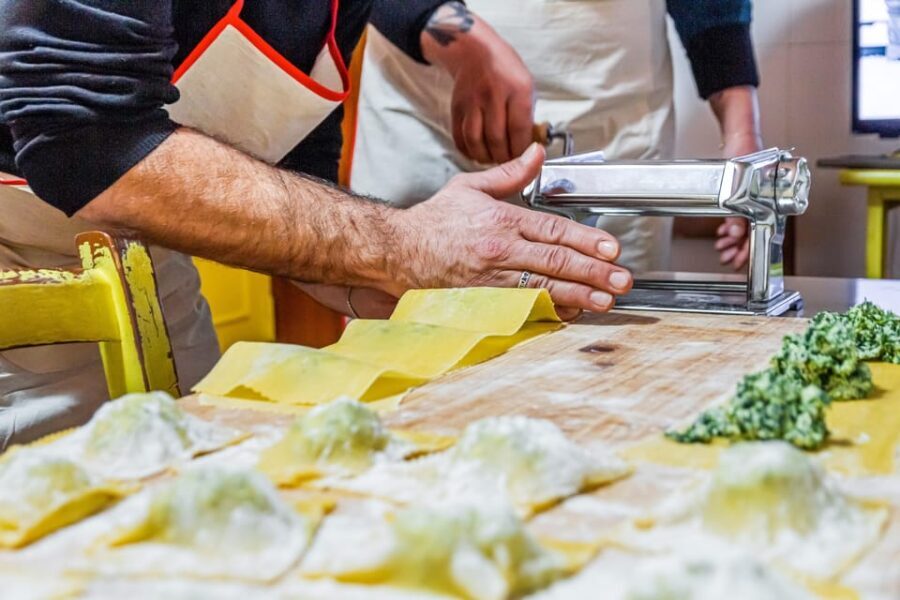
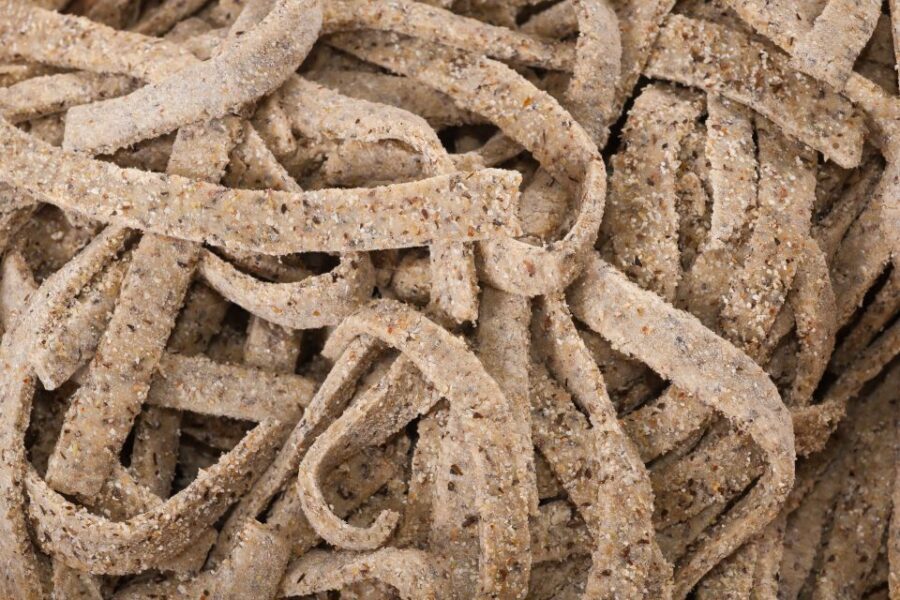
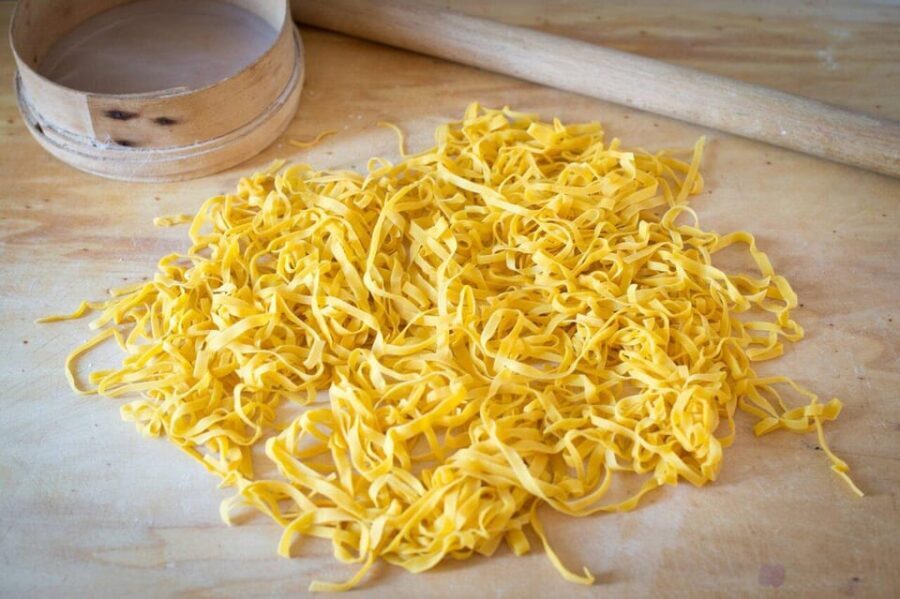
The heart of the class is making fresh pasta in a short time window: 1.5 hours. You’ll mix, knead, and shape classic Northern Italian options such as tagliatelle, fettuccine, or ravioli. The exact pasta may vary by session, but the goal is the same—teach you how the dough should look and feel.
This is also where the certified home cook guidance matters. Pasta dough is forgiving until it isn’t: too dry and it cracks, too wet and it sticks. In a good class, you learn what to watch for in the moment—how the dough comes together, how thin to roll, and how to shape without overworking it.
I like that the pacing is realistic. You’re not taking home a full course on pasta science. You’re getting practical technique you can remember: how to handle dough, how to form the shape, and how to finish it so it tastes like something worth serving to people you care about.
And if you’ve got food curiosity, this is also a chance to ask about regional taste. Milan and nearby areas bring a particular mindset to food—comfort-forward, ingredient-focused, and often centered on cheese, butter, eggs, and sauces that cling well to the pasta.
The Sit-Down Meal: Eating What You Made (With Wine)
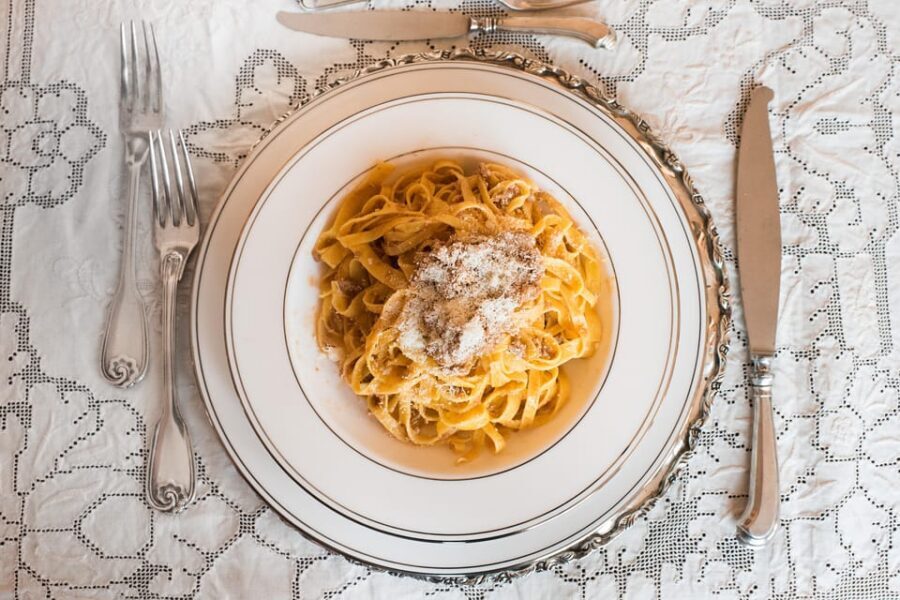
After your pasta is ready, you shift from kitchen mode to dinner mode. You’ll sit down in the home and enjoy the meal you created, paired with wine as part of the experience.
This is where value shows up. Many “classes” are mostly learning. Here, the evening finishes with a homemade pasta meal that ties the work you did directly to what ends up on your plate. That’s why the small-group size feels right: it’s easier to serve everyone in a real home without turning the meal into a rushed conveyor belt.
A few experiences also include a sweet course at the end, described as dessert prepared beforehand. If you like a complete evening—starter, main, and a finish—this format tends to deliver.
One more detail to keep your expectations aligned: the meal is generous in context, but it may not feel like a full restaurant feast. A small number of people felt they didn’t get as big a portion as they expected for the price. If you tend to eat big plates, consider that when deciding.
Language, Teaching Style, and Why Small Groups Help
The instructor(s) are listed as Italian and English, so you can expect explanations in both languages depending on the host. This matters because pasta technique is visual and tactile—you learn by watching hands move, then doing the same.
In a class of this size, language support tends to work better. If something doesn’t click, you can ask without feeling like you’re holding up 30 strangers. And the hosting style gets praised for being patient and generous, especially with people who don’t have much cooking experience.
Still, here’s the balanced take: one participant said the English explanations weren’t detailed. That doesn’t mean the class will be confusing for you—just that if you need very clear step-by-step verbal guidance, you might want to arrive with questions ready. The best classes invite that back-and-forth.





Price and Value: Does $65 Make Sense in Milan?
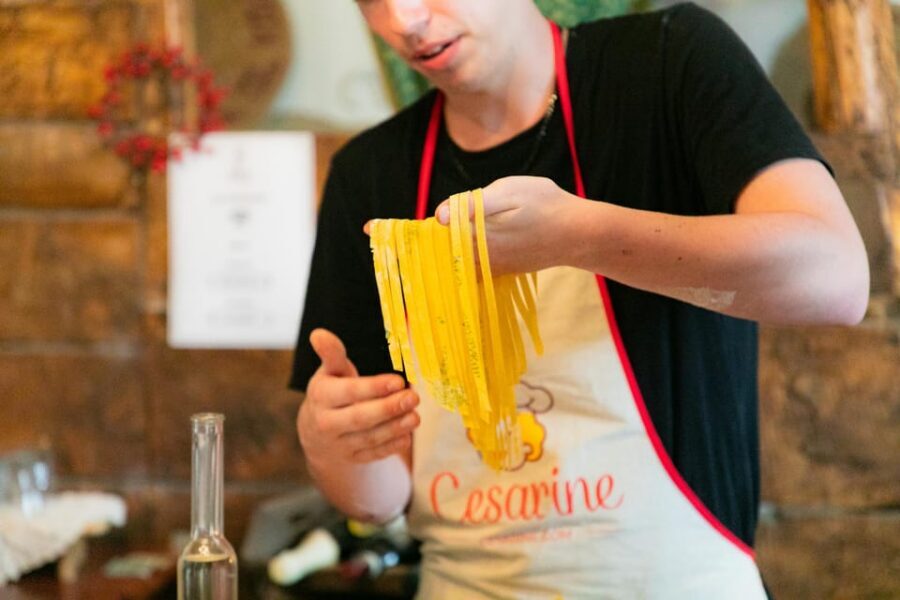
At $65 per person for about 1.5 hours, this isn’t a bargain. It’s also not overpriced in a vacuum, because the package includes more than instruction:
- welcome aperitivo and appetizer
- hands-on pasta-making
- beverages (water, wines, coffee)
- a homemade pasta meal with wine
- local taxes
In other words, you’re not paying only for a 90-minute activity. You’re paying for ingredients, teaching time, service in a private home, and a full eating experience. In a city like Milan, that kind of “food + people + access” costs money.
Where the value can feel uneven is if your personal expectation is big-plate dining plus long cooking time. If you’re mostly craving a long hands-on session with lots of output, the short duration might feel tight. If you want an evening where you learn how pasta works and then enjoy it immediately, $65 can feel fair.
Who This Class Fits Best (and Who Should Re-think It)
This is a strong fit if you want:
- a cultural experience, not just a cooking demo
- to meet locals in a low-pressure way
- to learn basics whether you’re a beginner or already into food
- an evening with wine and conversation, in a small setting
It’s also great for visitors who like the idea of learning something practical you can actually do at home later. Pasta shapes and dough technique aren’t “just for photos.” They’re skills you’ll remember.
I’d reconsider if:
- you expect a restaurant-style portion size as part of the deal
- you mainly want lots of English explanation with minimal hands-on doing
- you’re paying for a very long cooking session (this one is intentionally compact)
Timing Tips and What to Bring to the Home Kitchen
Because the class is in a home, the main things you bring are mindset and comfort. Wear something you can move in—kneading and rolling get physical. You’ll likely end up close to surfaces and flour, so casual clothing helps.
Also, show up hungry but not frantic. The dinner part is part of the experience, and there’s aperitivo first. If you arrive starving, the beginning drinks and appetizer can feel too quick. If you arrive stuffed, you might miss the pleasure of pairing wine with what you made.
Most importantly: treat it like a dinner invitation. Ask questions about the technique. Don’t worry about being slow. Pasta is forgiving when you follow the cues and let your hands learn.
Should You Book This Milan Pasta Class?
I’d book it if you want a genuine Milan evening where the payoff is both skill and food. The combination of hands-on pasta work, a welcoming aperitivo start, and a sit-down meal with wine is exactly what makes these home classes special. If you like meeting people and you’re open to learning by doing, it’s a great use of 1.5 hours.
Skip it or book with eyes open if you’re mainly shopping for a big-portion meal or a longer cooking session with lots of narrative explanation. A few experiences mentioned lighter-than-expected quantity and pace, so set your expectations around an appetizer-to-dinner experience rather than a full-length feast.
If you’re torn, here’s the deciding question: do you want to leave knowing you made fresh pasta yourself? If yes, this class is the right kind of Milan memory.
FAQ
Where is the meeting point?
You’ll meet at a local family home. For privacy reasons, the full address is shared after you book.
How long is the experience?
The class lasts about 1.5 hours. Start times depend on availability.
How much does it cost?
The price is $65 per person.
How big is the group?
It’s a small group limited to 10 participants.
What language will the instructor use?
The instructor speaks Italian and English.
What’s included in the price?
Local taxes, a welcome aperitivo and appetizer, the hands-on pasta-making class, beverages (water, wines, and coffee), and a homemade pasta meal with wine.
Is wine included?
Yes. Wine is included, served at a ratio of one bottle per three guests.
What’s the cancellation policy?
Free cancellation is offered up to 24 hours in advance for a full refund.
Is there a way to pay later?
Yes. You can reserve and pay later, meaning you book your spot and pay nothing today.