REVIEW · MILAN
Milan: Last Supper Guided Tour and Entry Ticket
Book on GetYourGuide →Operated by World Travel Guide · Bookable on GetYourGuide
Milan’s Last Supper time slots disappear fast. This tour pairs your entry ticket with a guide and earphones so you can focus on what matters: Leonardo’s painting and the Santa Maria delle Grazie complex around it.
I especially like the tight, guided structure. You get context on the Renaissance in Milan and Leonardo’s world, plus explanations of painting choices and how restoration shaped what you see today. A small drawback: you only get 15 minutes inside the refectory, so if you want long, slow staring time, you’ll need to come back or plan extra time nearby.
In This Review
- Key moments that make this tour worth your $93
- Leonardo’s Last Supper in a room built for looking
- Your guided story: Leonardo, Renaissance Milan, and restoration clues
- What “15 minutes inside” really means for your visit
- Santa Maria delle Grazie church: the optional chapter
- Meeting point reality: Via Fratelli Ruffini and the green fountain
- Price and value: is $93 worth it for 1 to 1.5 hours?
- What to bring and what can trip you up
- Practical perks that make the visit easier
- Who this tour suits best
- Should you book this guided Last Supper tour?
Key moments that make this tour worth your $93
- Timed access to the refectory with a clear viewing window (15 minutes)
- English guide + earphones, so the story lands even if the room gets busy
- Focus on Leonardo’s background, the Renaissance setting, and restoration
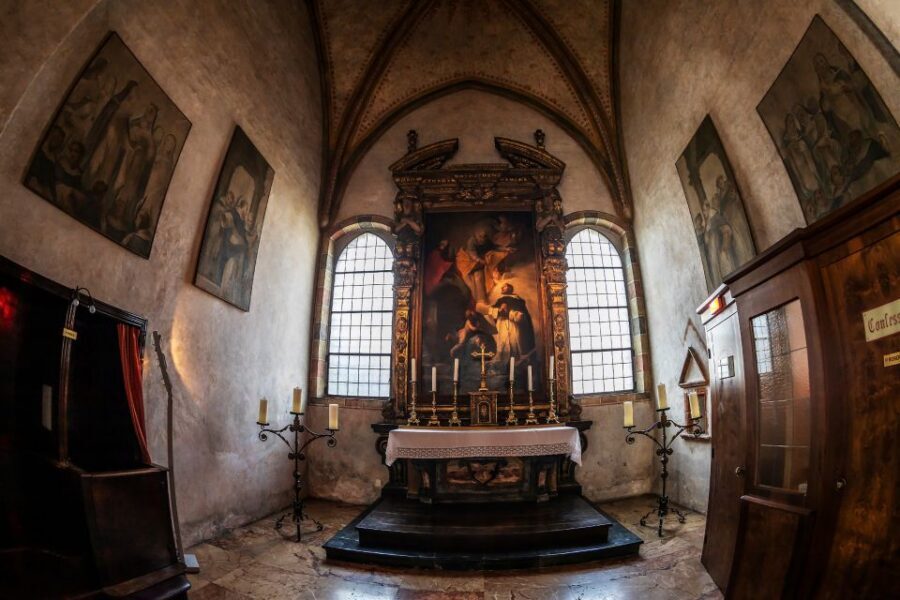
- Optional visit to Santa Maria delle Grazie church depending on your chosen option
- Small group option, which helps keep the pace human
- Nominal tickets verified with your ID, which means you should double-check names early
Leonardo’s Last Supper in a room built for looking
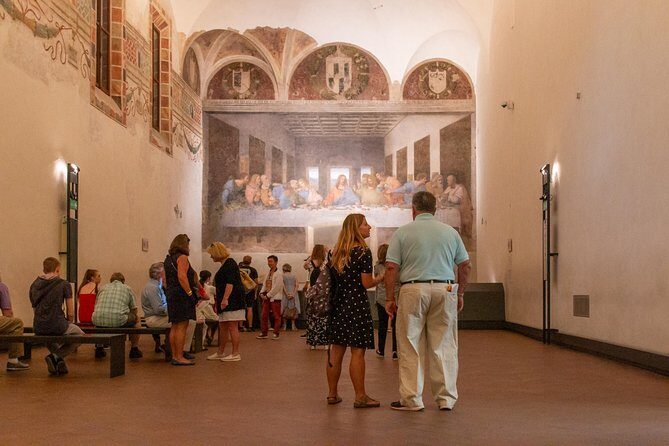
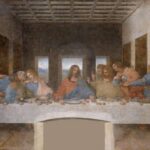
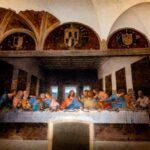
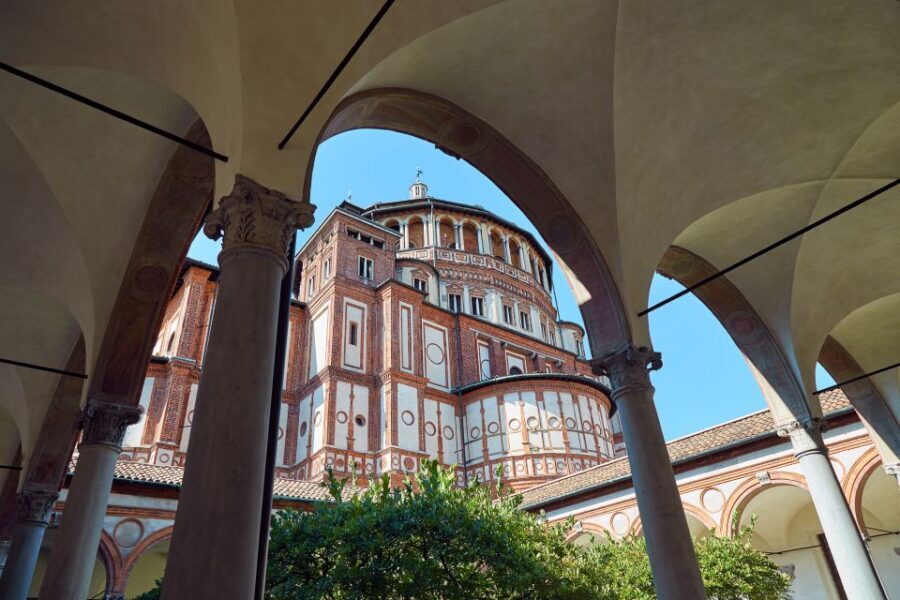
The Last Supper isn’t a typical “museum painting.” It’s a work designed to be seen in a specific space and at a specific angle, which is part of why your visit feels oddly personal. The tour gets you there through one of Milan’s most important UNESCO-listed sites: the Santa Maria delle Grazie complex, where the painting is preserved.
One reason this guided format works so well is the way it helps you read the image. You’re not only looking at famous figures and a dramatic moment—you’re learning how Renaissance artists thought about perspective, storytelling, and materials. Then you stand in front of the painting knowing what you’re seeing and why it survived as a miracle (and a complicated conservation case).
Also, because entries are timed, the experience is built around controlled numbers and pacing. That’s a good thing for your sanity. You’re not fighting crowds outside while hoping you’ll understand what you’re rushing to see inside.
You can also read our reviews of more tours and experiences in Milan
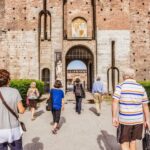
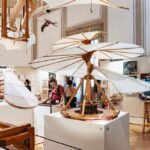
Your guided story: Leonardo, Renaissance Milan, and restoration clues
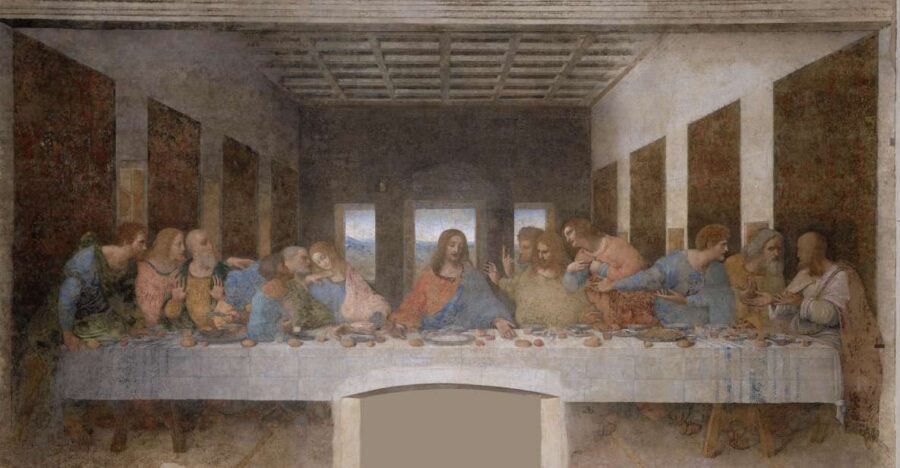
This tour does more than announce the obvious. Expect your guide to connect the painting to Leonardo’s life and the Renaissance atmosphere in Milan. The guide’s job is to turn the Last Supper from a famous image into a set of choices—human, artistic, and historical.
Here are the themes to listen for while you’re in the group:
- Life of Leonardo: you’ll hear the larger story behind the artist, not just a few quick facts.
- Renaissance context in Milan: why this city mattered for art and ideas during that period.
- Painting techniques: your guide explains methods da Vinci used, and how they relate to what’s visible now.
- Restoration work: the tour includes restoration details, which matters because the condition of the painting isn’t static. What you see today is the result of long-term conservation.
One of the most praised parts of the experience in the feedback is how the guides manage this information. Names like Sylva, Elisa, Sara, Maria, Laura, and Katrina come up often for clear, enthusiastic explanations. If your guide happens to be one of them, you’ll likely get a lively pace with room for questions and thoughtful pauses before you step into the refectory.
What “15 minutes inside” really means for your visit
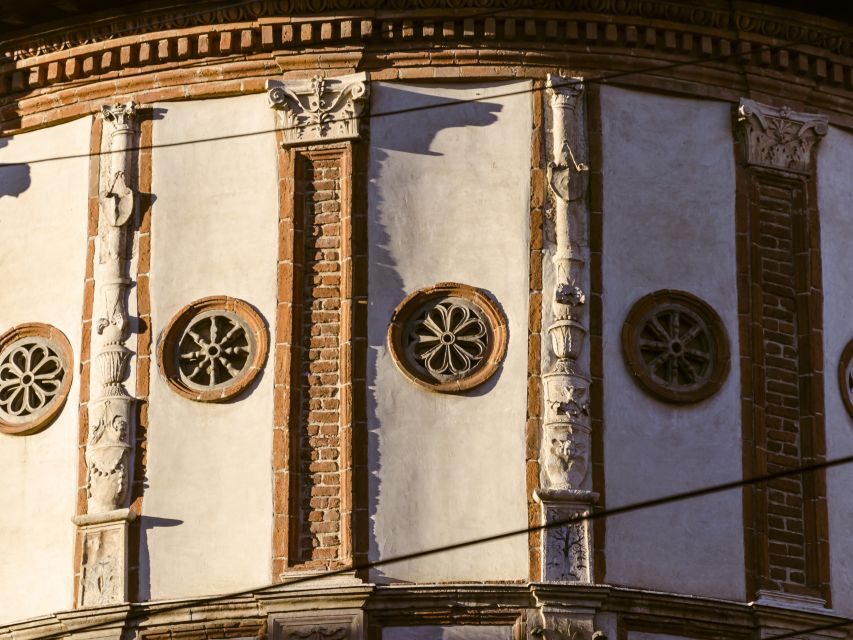
You’ll get 15 minutes inside the refectory. That’s not a long time, but it’s not random either. This is one of those “time-boxed” world-famous sights where the building’s rules shape the experience. Think of it like a tasting menu: you don’t slow-cook the moment, but you get a guided way of seeing it properly.
Here’s how to make those 15 minutes work for you:
- Arrive ready to focus. Put away distractions and take a second before you start staring.
- Pick a route through the image. Look at the central action first, then let your eyes drift to gestures and reactions.
- Use your guide’s hints. If your guide points out specific things—like restoration effects or how certain parts were made—you’ll see them faster than you would on your own.
If you’re the type who needs 45 minutes of quiet meditation in front of a painting, this may feel short. But if you prefer a guided setup that tells you what to notice, then the short refectory window becomes a feature, not a bug. You’ll leave remembering what you learned instead of just knowing you stood there.
Santa Maria delle Grazie church: the optional chapter
Depending on the option you select, you may also get access to Santa Maria delle Grazie church. This can add real value, because it puts the painting back into the setting it was born from: not just an artwork on display, but part of a living religious space and a major Milanese complex.
A key practical note: access can be limited during religious functions or if the church is closed. So if the church is important to you, check your timing and keep expectations flexible. You won’t want to plan your entire day around getting inside for a specific service.
When the church visit does happen, it’s also a smart way to extend the theme of your visit. The Last Supper gains meaning when you see how the complex is used and how its spaces relate to the painting’s original function and symbolism.
Meeting point reality: Via Fratelli Ruffini and the green fountain
Logistics can make or break a timed masterpiece visit, so here’s the clean version.
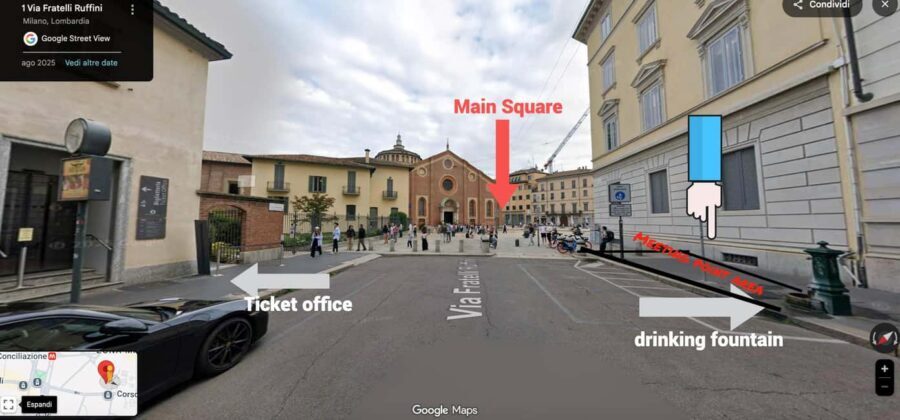
Meeting point: Via Fratelli Ruffini, 1. Meet on the other side of the road of the ticket office, close to the small green drinking fountain.
Why this matters: the area can feel confusing at first because multiple groups can be at the same spot around the same time. What helps is arriving early enough to locate your guide confidently, then staying put once you do. Bring your eyes and your patience.
Also, your ticket is nominal. That means the names on your booking need to match your ID or passport, and once the name is entered, changes may not be possible.
You can also read our reviews of more guided tours in Milan
Price and value: is $93 worth it for 1 to 1.5 hours?
At $93 per person, this tour isn’t cheap. The honest question is: what are you buying with that price?
You’re paying for three things that are hard to replace:
- Guaranteed entry to a site with strict timing and limited access
- A guide who explains what you’re looking at, including restoration and Leonardo context
- The setup that keeps you from wasting time figuring out how the system works
Yes, the total duration is only 1 to 1.5 hours, and the painting time inside is just 15 minutes. That leads to the most common fair criticism: the experience can feel short for the cost.
But for me, the value logic makes sense if you treat this as a “high impact” art visit. The Last Supper is one of those once-in-a-trip targets where understanding is part of the ticket price. Without guidance, you can still see the painting, but you’ll likely miss layers: what was intended, what changed through restoration, and what to notice in the composition.
If you’re on a tight art budget and you’re happy with a self-guided approach, you might question the price. If you want the painting to make sense, the guided component is the best reason to pay.
What to bring and what can trip you up
You’ll want to come prepared.
Bring:
- Passport or ID card (the ticket is checked against the name on your document)
Plan for:
- 15 minutes inside the refectory
- Potential limitations on visiting the church if it’s closed or during religious functions
- Some physical reminders: the experience is wheelchair accessible, and strollers are accommodated
One small but important tip: get names right at booking time. Because the ticket is verified with identity documents, this isn’t the kind of purchase where you can casually correct mistakes later.
Practical perks that make the visit easier
Several practical details show up in the experience feedback, and they matter more than you might expect for a short, timed visit:
- Earphones so you can hear the guide without straining
- There are lockers for bags, which helps you travel light in the refectory area
- A small gift shop is available
- Toilets are on site
- There’s a café across the road for a coffee and snack after you exit
These may sound minor, but on a day when you’re fitting in timed entry, they keep the stress low and the experience focused.
Who this tour suits best
This is a great fit if:
- The Last Supper is a top priority on your Milan trip
- You want help noticing details you’d otherwise miss
- You prefer a small group feel with earphones instead of shouting through crowds
- You’re interested in more than fame—like restoration and how the painting survived
It may not be the best fit if:
- You want lots of quiet time with no commentary
- You dislike paying a premium for a short visit window
- You need to spend extra time inside the refectory without any timing structure
Should you book this guided Last Supper tour?
I’d book it if you care about understanding the painting and you want the timed access handled for you. For a famous site like this, paying for the guide is often the difference between seeing an icon and actually getting it.
If you’re price-sensitive and you’re comfortable with a quicker, more self-directed experience, you might hesitate. But if $93 feels like a stretch, think of it as buying two things at once: access to a highly controlled viewing experience and a guide who helps you use your limited time well.
Bottom line: if you want to leave Milan feeling like you truly saw Leonardo’s Last Supper, not just checked a box, this tour is a smart move.