REVIEW · MILAN
Milan: Museum of the 900 Fast-Track Entry Ticket & Audio Guide
Book on Viator →Operated by Vox City International Ltd · Bookable on Viator
Milan can be a blur of churches and coffee lines, so I like any ticket that gets you into the art fast. This Museo del Novecento fast-track experience pairs skipping the hassle with a smartphone audio guide you can follow at your own pace through modern Italian art.
What I really like is the way you get both substance and structure: the audio guide gives you more than 40 audio points, and it walks you through key works and movements like Futurism and arte povera (plus other modern currents). The museum also gives you a digital map, so you’re not wandering room-to-room like it’s an escape game.
One thing to consider: this is self-guided. You’ll need a working smartphone (and you should plan on bringing headphones, since they’re not included), and if you prefer a live guide telling you what to notice, you may want something else.
In This Review
- Key highlights if you want modern art in Milan
- Museo del Novecento is the kind of modern-art stop that pays off
- Your ticket includes the essentials: entry, audio, and a digital map
- Finding the museum: Piazza del Duomo, 8 (and why location helps)
- How the self-guided audio tour shapes your visit
- Start with 1902: Pellizza da Volpedo sets the tone
- Move through modern giants: Picasso, Klee, and Kandinsky
- Futurism and arte povera: why the audio route matters
- End with Nunzio Di Stefano: a thoughtful close
- What you’re really paying for: value in time and direction
- Tips to make the most of your 2-hour visit
- Who this works best for (and who might prefer something else)
- Should you book Museo del Novecento fast-track with audio?
Key highlights if you want modern art in Milan
- Fast-track entry to Museo del Novecento, so you spend more time looking and less time waiting
- Multilingual audio guide with English, French, German, and Italian options
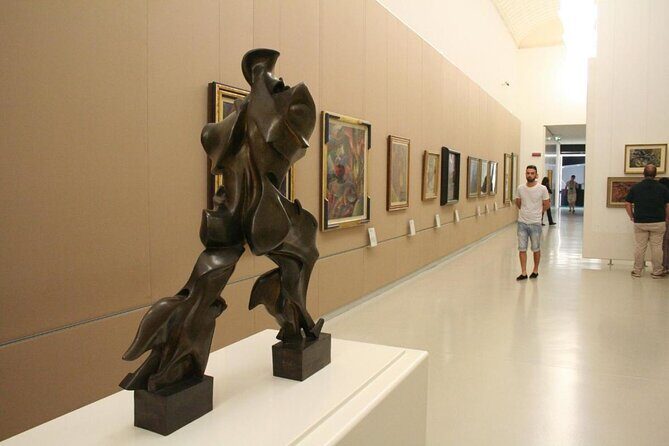
- 40+ audio points tied to major works and art movements, not random facts
- Digital map included, helpful across the museum’s many rooms
- More than 400 works to explore, with an audio path that gives the visit shape
- Bonus city audio guide for Milan included alongside your museum ticket
Museo del Novecento is the kind of modern-art stop that pays off
If you only have a day or two in Milan and you’re trying to get beyond the big-photo sights, this museum is a smart pivot. Museo del Novecento is built for visitors who want to understand modern art without needing a graduate seminar. The fast-track entry matters because time in central Milan can vanish quickly.
I also appreciate the museum’s “you control the pace” setup. You’re not locked into a group schedule or forced to keep up. You can stop for a painting you actually like, or move on when you’re done. That flexibility is great in a museum setting, especially when you’re mixing different art styles and decades.
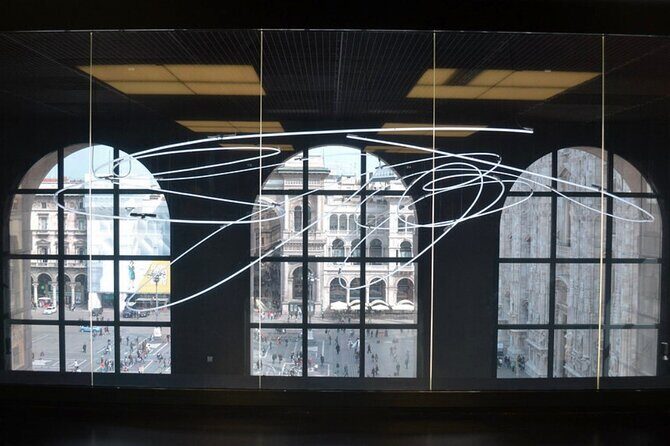
And yes, the building matters. People consistently point to the museum’s beautiful setting and the collection’s power as a highlight of their Milan trip. This is one of those places where the art and the space work together instead of competing.
You can also read our reviews of more tours and experiences in Milan
Your ticket includes the essentials: entry, audio, and a digital map
For about $15.62 per person, you’re buying three practical things that make a self-paced visit smoother: fast-track admission, an audio guide, and navigation help.
Here’s what’s included:
- Fast-track entry ticket to Museo del Novecento
- Digital audio guide in multiple languages (English, French, German, Italian)
- Digital map of the museum
- Complimentary digital audio guide for the city of Milan
So instead of just paying for entry, you’re also paying for direction. That’s the big value win here. A museum audio guide isn’t automatically good; the value is in having enough points of interest to give you an actual route through the collection.
What’s not included:
- Headphones and your mobile device
That last part is important. The experience is delivered through your smartphone, so plan for a device with battery. If you show up with a phone at 10%, you’ll wish you had packed a charger.
Finding the museum: Piazza del Duomo, 8 (and why location helps)
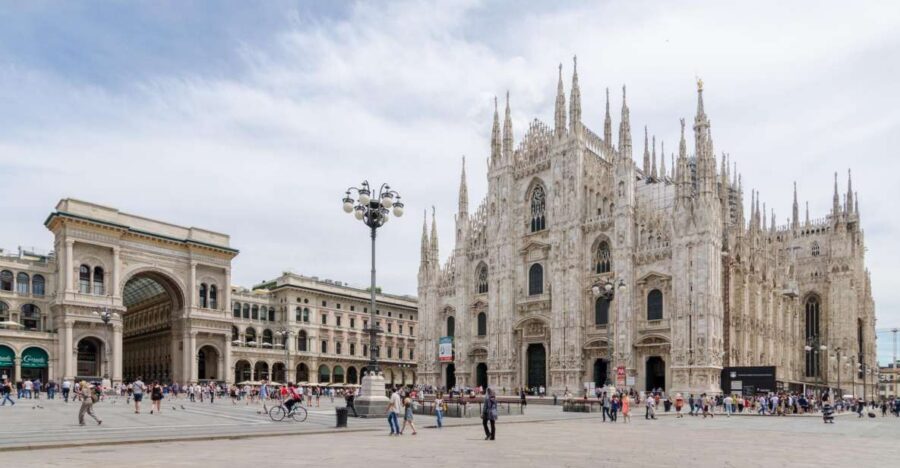
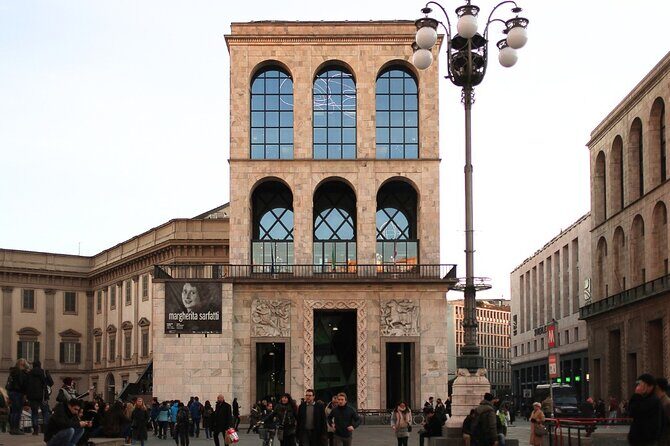
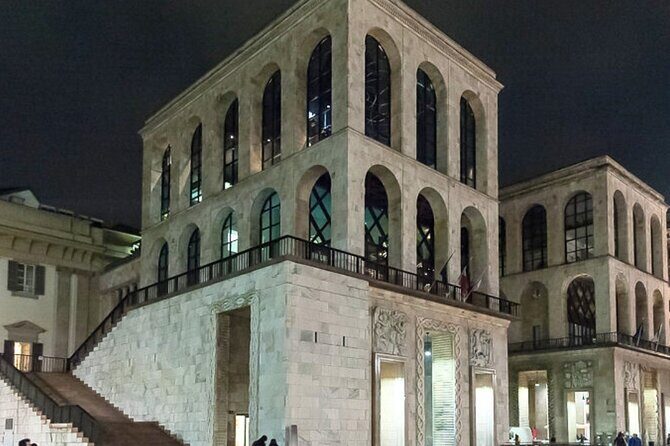
Your ticket redemption point is Museo del Novecento, Piazza del Duomo, 8, 20123 Milano. This is central Milan, which means you can usually build it into the rest of your day without changing plans too much.
It’s also listed as near public transportation, which matters in a city where walking is great but sometimes you still need a quick hop to stay on schedule.
When you arrive, you gain entry by showing your e-tickets on your mobile device to museum staff. The e-tickets are delivered via WhatsApp within 24 hours before your travel date (sender is Vox City).
That WhatsApp detail is easy to miss, so I’d treat it like a checklist item: make sure you’ll be able to access that WhatsApp message around your visit date.
How the self-guided audio tour shapes your visit
This isn’t a “press play and wander” situation. The audio guide is built around meaningful stops, with 40+ audio points of interest. You’ll move through the museum’s rooms following an audio path that connects works to movements—so the collection feels like a story, not just a wall of frames.
You’re also not limited to one type of art. The museum route includes major modern names and styles, and it’s designed to help you connect dots between them.
Expect your visit to take around 2 hours (approx.). That’s a realistic timing window for modern art when you actually stop to look, read a few notes, and take in the overall flow.
Start with 1902: Pellizza da Volpedo sets the tone
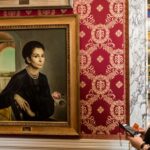
The audio path begins in 1902 with paintings by Giuseppe Pellizza da Volpedo. Starting there is a smart move. It gives you a historical anchor before the tour moves into the more recognizable “modern art” territory—where styles can feel like they’re changing fast.
If you’re worried you’ll miss context, this opening helps. It also makes the transition smoother when the collection shifts toward later European modern art.
Pellizza da Volpedo is a good entry point because he helps you understand how ideas in art evolve over time. Even if you don’t memorize titles, you’ll feel the timeline.
You can also read our reviews of more guided tours in Milan



Move through modern giants: Picasso, Klee, and Kandinsky
As the audio tour progresses, you’ll shift into the kind of art most people come to Milan for: works by Pablo Picasso, Paul Klee, and Wassily Kandinsky, among others. The guide doesn’t just name-drop. The point is to help you interpret what you’re seeing—especially when styles vary widely.
This portion is where the visit can really click for you. Picasso and Kandinsky alone can take you in different directions stylistically, and having an audio structure makes it easier to keep track of why a piece feels the way it does.
If you like modern art, you’ll probably want extra time here to linger. If modern art is hit-or-miss for you, the audio points help you choose where to invest your attention.
Futurism and arte povera: why the audio route matters
The museum covers art movements that can sound abstract until you see them in context. The guide references movements like Futurism and arte povera, which are two styles that often have strong visual identities.
The value for you is that you’re not just looking at paintings. You’re connecting movement names to concrete details—what’s emphasized, what’s reduced or exaggerated, and how artists respond to modern life and materials.
And because the audio guide includes over 40 points, you get multiple chances to get the idea rather than one “important stop” you rush past.
End with Nunzio Di Stefano: a thoughtful close
The audio path concludes with paintings by Nunzio Di Stefano and more. Ending this way matters because it gives the visit a sense of closure. You start with an earlier anchor point, travel through major modern voices, then land on a more reflective finish.
Even if you don’t know Di Stefano’s work ahead of time, you’ll likely appreciate the way the guide sets up the final section as something to sit with rather than speed through.
What you’re really paying for: value in time and direction
At $15.62 per person, the fair question is: is this just a ticket, or are you actually getting something you’d struggle to replicate on your own?
Here’s the practical answer. You get:
- Fast-track entry, so you’re not losing time to queue chaos
- A multilingual audio guide, which costs real money when you find it separately
- A digital map, which saves time and frustration in a museum with many rooms
- A city audio guide bonus, which adds extra usefulness beyond the museum visit
If you’re the type who likes museums but dislikes wandering with no plan, this is strong value. If you love museums so much you always pick up a paper guide and read everything at your own pace, the audio guide might feel redundant. Still, the fast-track entry helps either way.
Tips to make the most of your 2-hour visit
You’ll get the best results if you treat this as an “art walk with checkpoints,” not a speed run.
A few practical moves:
- Start your audio guide as you enter, so you don’t have to backtrack to the beginning of the route.
- Pick a couple of styles or artists that you genuinely want to see up close (for many people: Picasso, Klee, Kandinsky) and let the audio fill the gaps.
- If your phone battery is low, solve that before you go in. A dead phone turns a great self-guided tour into a silent museum.
And if you’re traveling with friends who all have different tastes, the audio route is still a win. You can split up briefly but reunite around the same “audio beats.”
Who this works best for (and who might prefer something else)
This experience fits well if you:
- Want modern art in Milan but don’t want a full guided group tour
- Like a clear path through a large collection (over 400 works)
- Appreciate an audio guide with multiple language options
It may be less ideal if you:
- Prefer a live guide who can answer questions on the spot
- Want headphones included, since you’ll need your own setup
- Are uncomfortable relying on a smartphone for your tour experience
Also, it’s listed as something most travelers can participate in. No special tricks are mentioned beyond having the mobile device and entry ticket ready.
Should you book Museo del Novecento fast-track with audio?
I think this is a good booking when you want a smooth, modern-art-focused Milan visit without wasting time. The fast-track entry is the practical win, and the audio guide structure (more than 40 points plus a digital map) is the value win.
Book it if:
- You want to see major modern names like Picasso, Klee, and Kandinsky
- You like having context while you look, not after
- You’d rather explore at your own pace in about 2 hours
Skip it if you:
- Want a live guided lecture style tour
- Don’t want to rely on your phone for the experience
If you’re planning a tight itinerary in Milan and you want one museum stop that feels designed for real humans (not just art students), this is an easy “yes.”