REVIEW · MILAN
Milan: Pasta, Tiramisu, Cooking Class! Learning Premium Products!
Book on Viator →Bookable on Viator
Pasta and tiramisu in Milan, hands-on, at home. You’ll learn the small, practical stuff that makes Italian food taste like Italy: ingredient labels, real olive oil and aged balsamic, and how to shape pasta without shortcuts.
I love the focus on premium products and the clear way Chef Rafael turns ingredient choices into results you can taste right away. I also love the social setup: it’s not a rushed demo, it’s hands-on cooking plus time to talk food and life in Italy.
One thing to consider: the class is informal and personality-driven. Expect lots of jokes and a host with strong opinions, which is fun for many people but may not match everyone’s style.
In This Review
- Key Things You’ll Notice in This Milan Class
- A Milan Pasta Class Where the Kitchen Feels Like Italy
- Lunch vs Early Dinner: Pick the Timing That Fits Your Day
- What You Actually Cook: Pasta, Two Sauces, and Tiramisu
- Handmade Pasta From Scratch (Eggs + Flour + Pasta Machine)
- Sauce One: Classic Pomodoro (Tomato Sauce With Respect)
- Sauce Two: Creamy Parmigiano Reggiano Style
- Dessert: Traditional Tiramisu With Premium Ingredients
- Ingredient Tasting: The Lesson That Changes Your Cooking Habits
- Learning Technique: Why This Class Feels Practical
- The Social Part: Family-Style Eating and Real Conversation
- Group Size and Meeting Point: How to Show Up Ready
- Price and Value: Is $102.80 Worth It?
- Who This Cooking Class Fits Best
- Should You Book This Milan Cooking Class?
- FAQ
- How long is the Milan cooking class?
- Does the class include lunch or dinner?
- Is it hands-on or mostly a demonstration?
- What dishes will I make?
- Is there tasting before cooking?
- Is wine included?
- How big are the groups?
- Where does the class meet in Milan?
- What language is the class taught in?
- Is there free cancellation?
Key Things You’ll Notice in This Milan Class
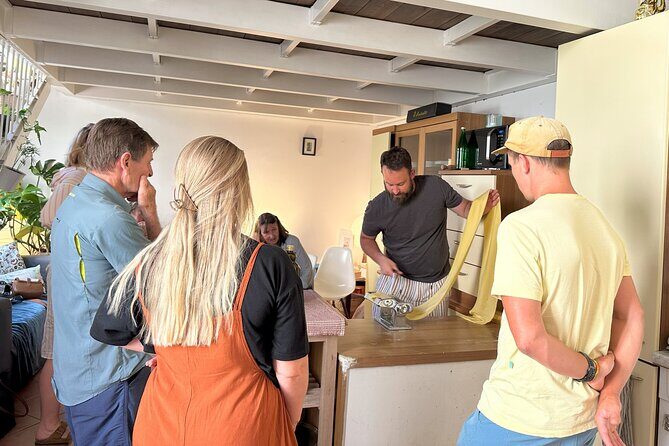
- Small-group cooking capped at six per group (with a max of 8 travelers overall), so you actually get hands-on time
- Ingredient tasting first, including single-origin olive oil, premium balsamic vinegars, and artisan bread
- Two made-from-scratch sauces: classic tomato (Pomodoro) and a creamy Parmigiano Reggiano style
- Handmade pasta using eggs, flour, and a traditional pasta machine
- Tiramisu with Italian wine, finished family-style with what you made
A Milan Pasta Class Where the Kitchen Feels Like Italy
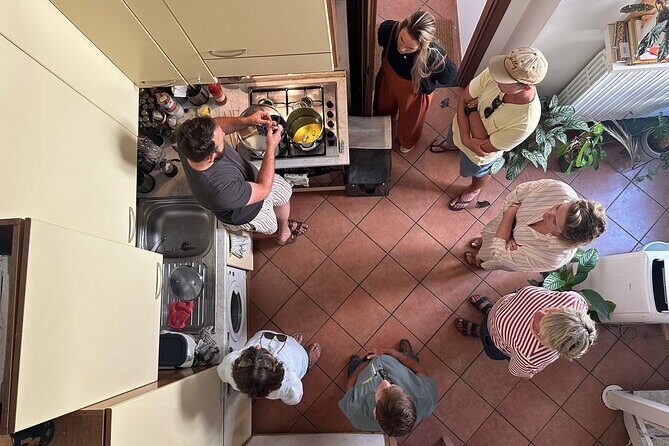
If you’re in Milan and you want something more memorable than another timed ticket, this kind of class hits the sweet spot. You’re cooking in the chef’s home, not around a stage with spotlights. And the vibe is warm, casual, and chatty in a way that makes the meal feel personal.
The best part is that the lessons aren’t only about recipes. You learn how Italian cooking starts before the stove ever heats up: with choices like which olive oil to pour, how aged balsamic behaves, and why a simple sauce can taste amazing when the basics are right. That’s the sort of knowledge that sticks, even after you go back home with your own grocery bags.
You can also read our reviews of more cooking classes in Milan

Lunch vs Early Dinner: Pick the Timing That Fits Your Day
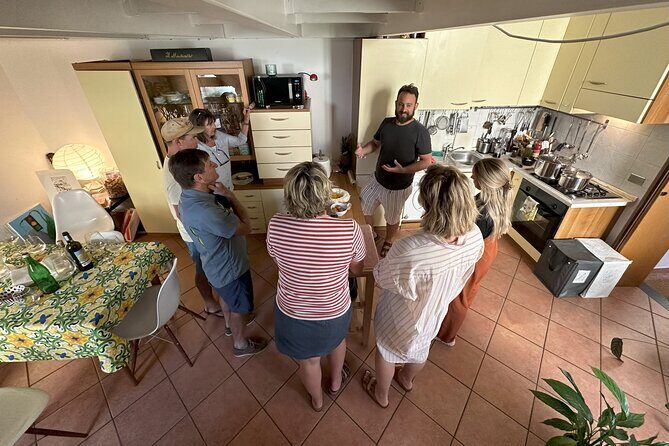
When you book, you choose either a lunch class or an early dinner class. That matters in Milan because your best plans usually depend on what you already have booked: museums, a Duomo climb, a later aperitivo, or a slow evening walk.
The class runs about 3 hours 30 minutes. One practical note: it can run a bit longer than the listed time, so don’t schedule a must-do booking right after. I’d keep at least a small buffer for transport and getting back to your hotel.
Also, the language offered is English. So you won’t be left guessing while you’re holding the pasta machine handle like it’s a mystery device.
What You Actually Cook: Pasta, Two Sauces, and Tiramisu
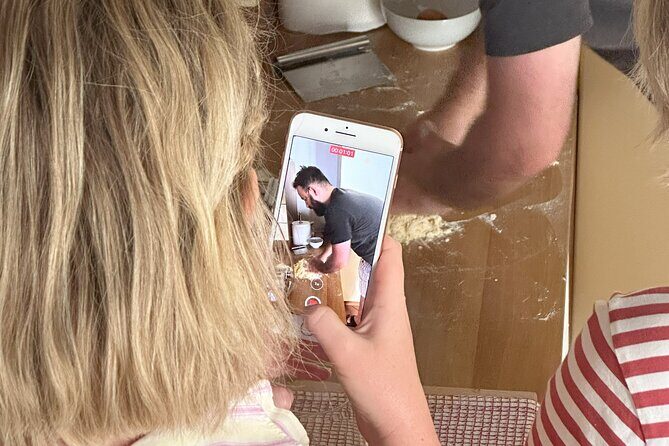
This is a full food arc, not a snack lesson. You start with a tasting-focused starter, then move into cooking, and you end with the kind of dessert that makes people stop talking mid-bite.
Handmade Pasta From Scratch (Eggs + Flour + Pasta Machine)
You make authentic handmade pasta using just eggs and flour, plus a traditional pasta machine. That’s a big deal. It means you’re learning a method, not copying a shortcut.
And yes, you’ll likely mix, roll, and cut the dough yourself. Reviews repeatedly point out that it’s truly hands-on, not a watch-only format.
Sauce One: Classic Pomodoro (Tomato Sauce With Respect)
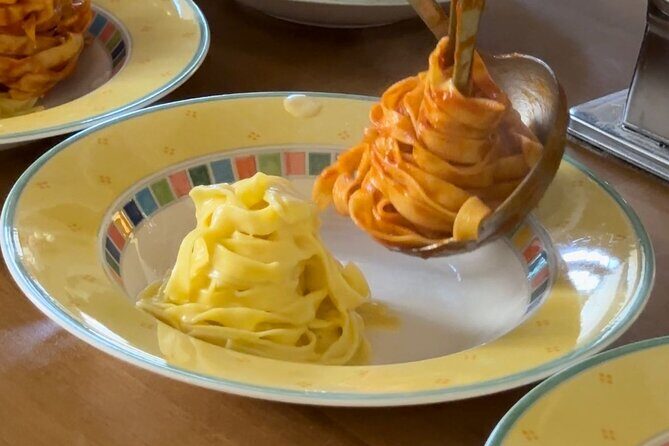
For one of your mains, you cook fettuccine with classic tomato sauce. With a dish like this, the ingredients count. The class teaches the idea that when you only have a few ingredients, technique and quality have nowhere to hide.
If you’ve ever made tomato pasta that tasted flat, this is the fix. You learn the logic: treat tomatoes and the cooking steps seriously, and the sauce starts behaving.
You can also read our reviews of more tours and experiences in Milan
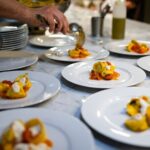



Sauce Two: Creamy Parmigiano Reggiano Style
The other main is a Parmigiano Reggiano–based sauce. In the example menu, it’s an Alfredo-style fettuccine that leans on 24-month-aged Parmigiano and premium butter.
This isn’t about fancy tricks. It’s about using the right dairy and treating it gently so it turns silky instead of clumpy.
Dessert: Traditional Tiramisu With Premium Ingredients
Then comes tiramisu. You’ll make it with premium ingredients and go through the story and techniques behind the classic method. That includes understanding what you’re assembling and why the texture should end up specific, not just sweet.
You also get a bottle of Italian wine paired with the meal. It’s one of those additions that makes the class feel like a real dinner, not just a cooking workshop.
Ingredient Tasting: The Lesson That Changes Your Cooking Habits
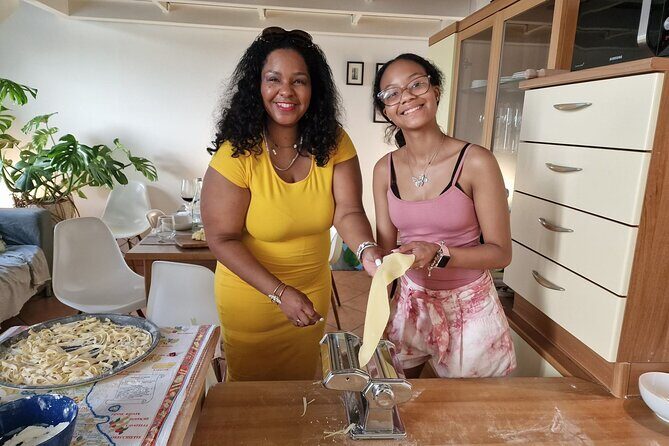
A standout part of this experience happens before you touch dough. You taste high-end pantry staples—things most people treat as interchangeable until they’re not.
You’ll sample single-origin DOP olive oil and premium balsamic vinegars, paired with artisan bread. The class description even calls out aged options like 12-year aged balsamic vinegar. In plain terms: you learn what you’re actually buying, and why it tastes different on bread and in food.
You’ll also learn how to choose ingredients by looking at labels. This is huge if you cook at home. Olive oil and balsamic are where people often overspend blindly—or buy cheap bottles and then blame themselves when the flavor isn’t there.
Learning Technique: Why This Class Feels Practical
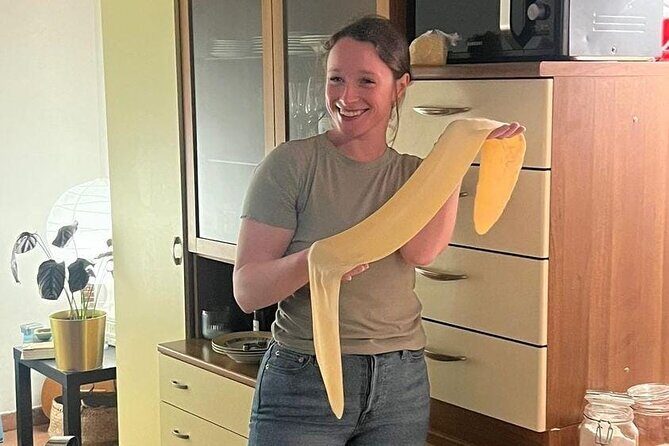
A good cooking class teaches you what to do. A great one teaches you what to watch while you’re doing it.
Here, Chef Rafael focuses on the steps that matter for results:
- How the dough should feel as you roll it
- How to work the pasta machine rather than forcing it
- How sauce texture changes based on heat and timing
- What to pay attention to when building flavor with few ingredients
Reviews repeatedly mention technique plus culture and history, but the real value is that you leave with a clear process you can repeat. You’ll know what to buy next time, and you’ll know what to look for so you don’t end up with an okay dish that you could have made excellent.
The Social Part: Family-Style Eating and Real Conversation
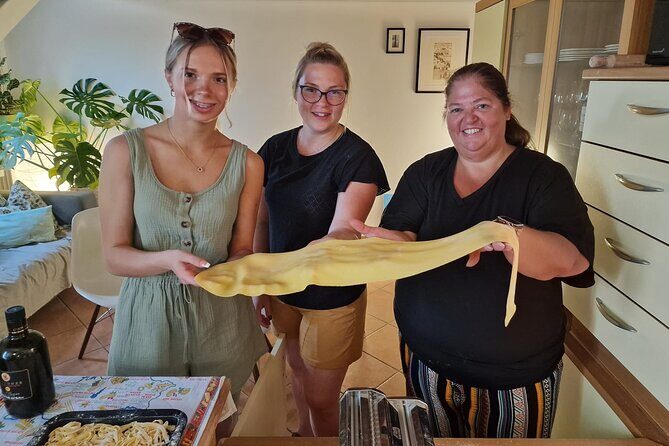
You’re not alone in a kitchen bubble. The class ends with a family-style dinner where you eat what you made. That turns the session into a shared meal with conversation in between.
Chef Rafael is also the kind of teacher who shares stories about Italian restaurant kitchens and life in the country. Reviews mention a friendly, gracious host who talks cooking and culture, and the overall tone is warm and relaxed. Many people describe it like meeting old friends for a great meal.
One consideration: his humor can be a bit spicy in wording, and he’s very opinionated about what he likes and how he believes Italian food should taste. For most people, that makes it lively. If you prefer a very formal classroom style, this may feel too casual.
Group Size and Meeting Point: How to Show Up Ready
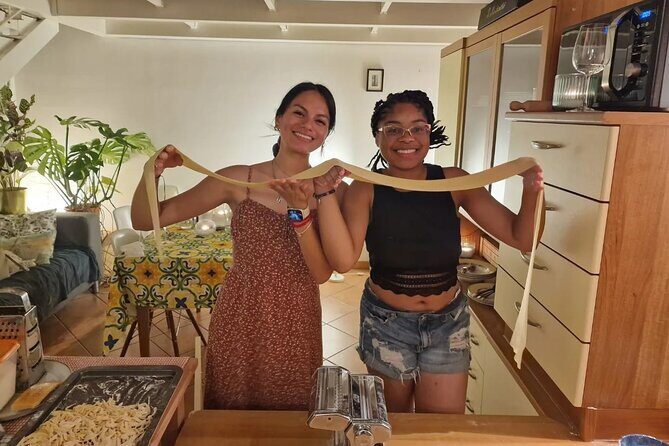
This is designed for small groups. The class is capped at six per group and the activity notes a maximum of 8 travelers. Either way, you’re not stuck waiting your turn for dough that’s been sitting under a cloche.
It takes place at the chef’s home, with the start at Via Giuseppe Ripamonti, 7/a, 20136 Milano MI, Italy. The activity ends back at the same meeting point. It’s also near public transportation, and you’ll get a mobile ticket.
So plan for an easy arrival: grab the transit option that gets you close, then walk the last stretch without stress.
What to bring is mostly common sense:
- Wear comfortable clothes you don’t mind smelling a bit like sauce afterward
- Bring good energy and appetite
- If you’re traveling with kids, this can work well since it’s described as kid-friendly in reviews
Price and Value: Is $102.80 Worth It?
At $102.80 per person, this isn’t the cheapest thing you can do in Milan. But it also isn’t just a meal. You’re paying for multiple things that add up fast:
- Ingredient tasting with premium products (olive oil, aged balsamic, bread)
- Hands-on cooking with pasta dough and sauce preparation
- A full dessert (tiramisu)
- Wine paired with the meal
- Small-group teaching in a real home setting, not a crowded studio
If your goal is to eat one great Italian dinner, you can do that cheaper. If your goal is to learn how to recreate Italian staples—with ingredient guidance you can use at home—this price starts to make sense.
Think of it as buying skills plus a memorable meal. And based on the consistently high rating, most people feel like that trade is fair.
Who This Cooking Class Fits Best
This class suits you if you:
- Want an authentic Milan experience that’s not only sightseeing
- Like food details and want practical ingredient lessons
- Prefer small groups and a warm, informal setting
- Cook at home and want a repeatable method for pasta and sauces
It’s also a good choice for couples, small groups, and families. Reviews mention kids joining (including ages like 7, 12, and 15) and having fun while still learning technique.
If you’re the type who hates discussion and wants strict structure, you might find the conversational style less appealing. But if you like stories, tasting, and a little personality, it’s exactly the kind of class that turns into a highlight.
Should You Book This Milan Cooking Class?
My advice: if you want a hands-on food day in Milan, book it—especially if you care about ingredient quality and want to take home real know-how. The combination of handmade pasta, two classic sauces, ingredient tasting, and tiramisu with wine is a strong package for the time you spend.
I’d pause only if any of these are dealbreakers for you:
- You dislike casual, personality-forward teaching
- You need a perfectly timed schedule with no risk of running long
- You’d rather spend your money on a different type of Milan experience
If those aren’t your issues, this is the kind of class you’ll remember when the trip fades.
FAQ
How long is the Milan cooking class?
The class is about 3 hours 30 minutes.
Does the class include lunch or dinner?
Yes. You choose either a lunch class or an early dinner when you book.
Is it hands-on or mostly a demonstration?
It’s hands-on. You’ll participate in preparing the pasta and dishes, not just watch.
What dishes will I make?
You’ll learn to make handmade pasta and then cook two iconic dishes: a classic tomato (Pomodoro) sauce and a creamy Parmigiano Reggiano–style sauce. You’ll also make tiramisu.
Is there tasting before cooking?
Yes. You’ll taste premium olive oil, aged balsamic vinegars, and artisan bread as part of the starter experience.
Is wine included?
Yes. The tiramisu is paired with a bottle of Italian wine.
How big are the groups?
The class is capped at six per group, and the activity lists a maximum of 8 travelers.
Where does the class meet in Milan?
It starts at Via Giuseppe Ripamonti, 7/a, 20136 Milano MI, Italy, and it ends back at the meeting point.
What language is the class taught in?
The class is offered in English.
Is there free cancellation?
Yes. You can cancel for a full refund up to 24 hours before the experience starts.