REVIEW · MILAN
Milan: Private Cooking Class at a Local’s Home
Book on GetYourGuide →Operated by Cesarine · Bookable on GetYourGuide
One of the best ways to understand Milan is through dinner. This private cooking class at a local home puts you at the kitchen table with a certified home cook, learning 3 regional recipes and then eating what you make with local wines. It’s hands-on, relaxed, and far more personal than a demo in a big room.
What I like most is the direct teaching from your Cesarina, not a scripted performance. You’ll get a real workstation with the ingredients and tools ready, and the lesson focuses on practical techniques you can repeat later. Second, I love the full-circle meal: you cook, you taste, you slow down, and you share it together at home.
One thing to consider: this is a private class in someone’s house, so the exact experience depends on your host and their kitchen setup. If you’re expecting a big commercial classroom vibe, this will feel quieter and more intimate than that.
In This Review
- Key things to know before you book
- Why Cooking at a Local Milan Home Feels Different
- Your Host and the Cesarina Experience (What You’ll Walk Into)
- The “3 Recipes” Part: The Skills You’re Really Buying
- Pasta-Making and Other Techniques You’ll Use Again
- From Kitchen Work to the Table: Tasting the Whole Meal
- Price in Milan: Is $164.26 Worth It?
- Timing and Timing Flexibility (How the 3 Hours Usually Works)
- Dietary Needs and Language: Get What You Need
- Who This Works Best For (And Who Might Want to Skip)
- Should You Book This Milan Cooking Class?
- FAQ
- How long is the cooking class?
- Is this a private class?
- Where do we meet?
- What will I cook?
- Are drinks included?
- Are ingredients and tools provided?
- Can dietary restrictions be accommodated?
- What language is the instructor?
- What if the group is too small?
Key things to know before you book
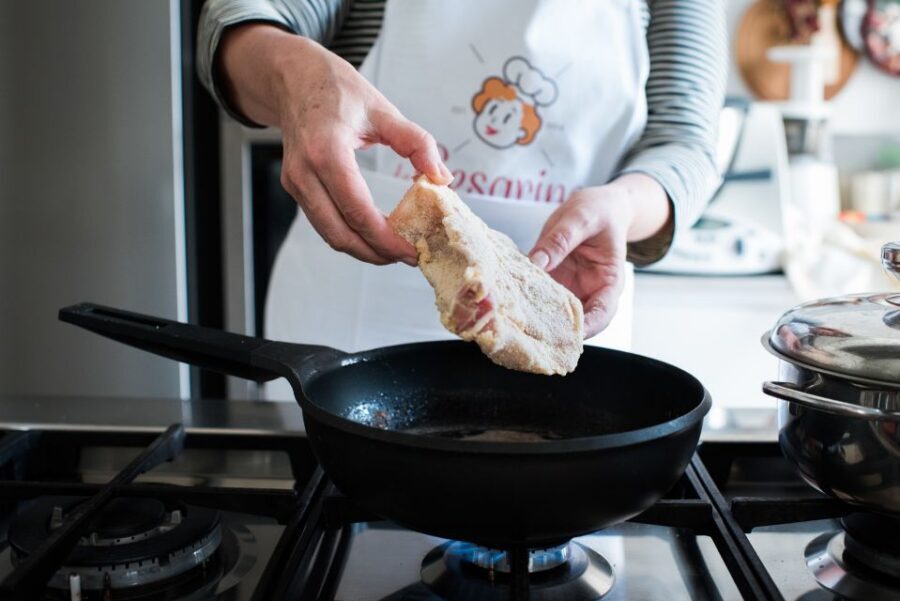
- Private class in a real Milan home with a certified Cesarina (local home cook).
- Learn 3 authentic Lombardy recipes and get the tricks that make them taste right.
- Everything you cook is served at the table, not just samples or a quick bite.
- Local wines (red and white), plus coffee and water are included with tastings.
- Participants get a prepared workstation with utensils and ingredients, so you can cook right away.
- A minimum of 2 people is required, so check timing if you’re solo.
Why Cooking at a Local Milan Home Feels Different
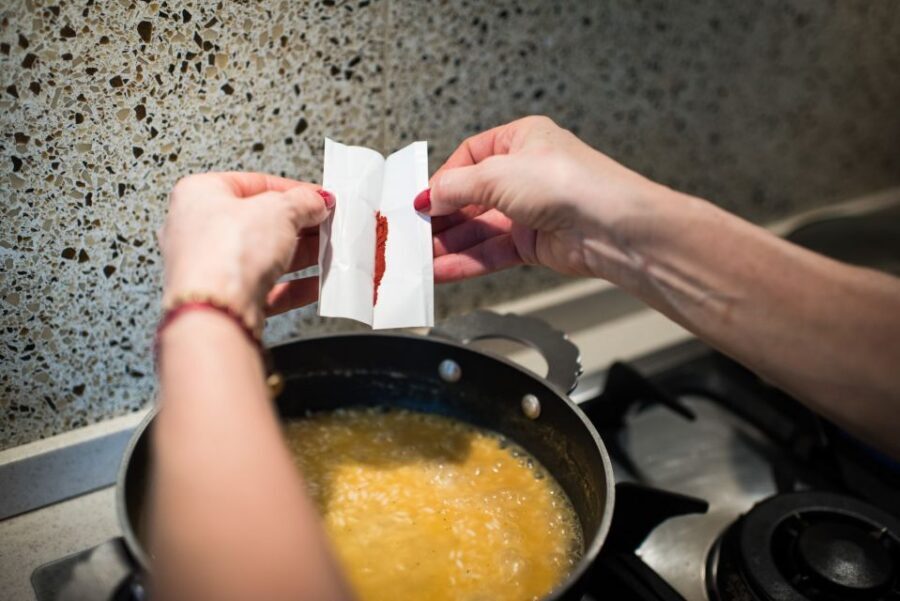
Milan can be all marble galleries and fast espresso, but food tells another story. In this class, you cook like a guest in a family kitchen, guided by a certified Cesarina who shares recipes passed down through her own family. You’re not just watching; you’re making dinner.
I also appreciate that the focus is regional and specific. Lombardy cooking is comfort food with technique behind it, and the lesson is built around the parts that matter: how you handle ingredients, how you build flavor, and how you know when it’s done. It’s the kind of knowledge that turns into repeatable meals at home.
The private format changes the tone too. You get an intimate pace, and you’re more likely to ask questions and actually get answers instead of waiting your turn. If you like learning by doing, this style fits.
You can also read our reviews of more private tours in Milan



Your Host and the Cesarina Experience (What You’ll Walk Into)
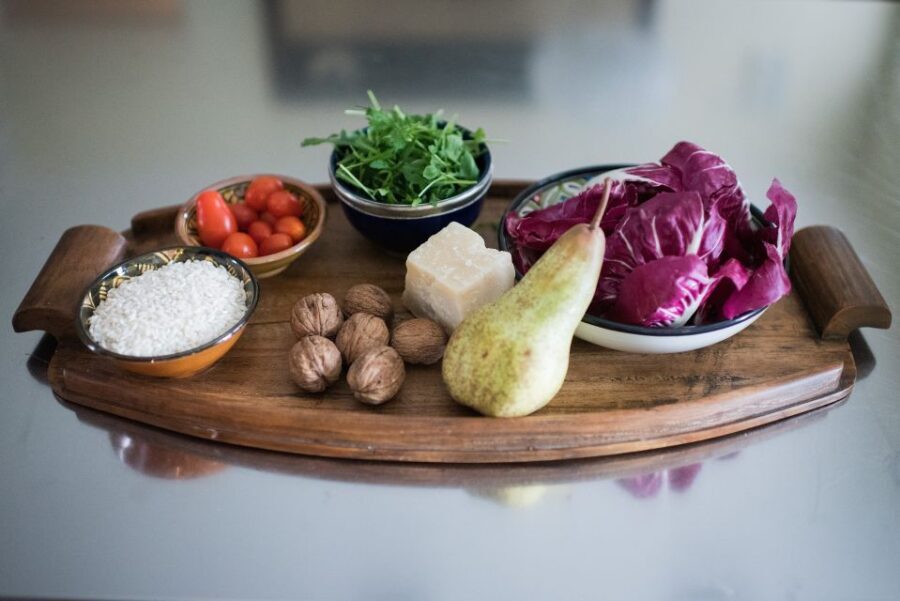
You meet in the home where the class happens, and for privacy, you receive the full address only after booking. After you book, the local partner contacts you with instructions for the meeting point, so you’re not left guessing for long. The class is in English and Italian, so you can follow along without feeling lost.
A Cesarina is not a restaurant chef hired for show. She’s a certified home cook, which is a big difference in how she teaches and how the recipes are presented. You’ll likely hear the small practical advice that makes a dish work, like what to watch for as things cook and how to adjust without panicking.
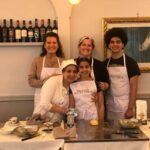
Based on past lessons led by hosts like Sandra, the teaching style tends to be patient and detailed. People also highlight that the recipes feel approachable even when you haven’t cooked that dish before. And yes, one class also included a cute house dog, which is exactly the kind of human detail that makes it feel real.
The “3 Recipes” Part: The Skills You’re Really Buying
The lesson is built around three authentic local recipes, taught with the secrets of how a family cook makes them. Your Cesarina reveals the tricks of the trade during the session, and your job is to test those techniques with your own hands. That matters because Italian home cooking is often about method, not complicated ingredients.
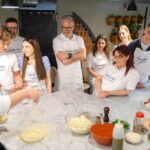
You’ll have a workstation set up with utensils and all the ingredients needed. That’s a quiet convenience you’ll feel immediately: you can concentrate on cooking rather than shopping, portioning, or improvising. It also means the class tends to work well for different skill levels, because you’re supported with what you need.
If your favorite part of a food experience is learning how to recreate it, you’ll appreciate how the lesson is structured. Instead of one dish, you get three chances to build understanding—from prep, to cooking, to finishing. That’s more useful than a single highlight course.
Pasta-Making and Other Techniques You’ll Use Again
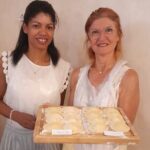
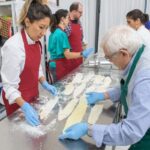
One thing that stands out is that you’re likely to do hands-on pasta work. Past guests specifically called out that making your own pasta was a big “we’ve never done this before” moment. That’s not just fun; it trains your sense of dough texture and timing in a way that’s hard to learn from a cookbook.
Even when the exact dishes change, the broader idea stays the same. You’ll practice techniques that help you stop guessing, like how pasta should behave as it cooks and how sauces and seasonings come together. You also pick up the small judgments a home cook makes in the moment.
The goal isn’t to turn you into a chef overnight. It’s to give you enough confidence that, back home, you can repeat the method without needing the class again. And from what people have shared, the results tend to be simple recipes that are still seriously delicious.
From Kitchen Work to the Table: Tasting the Whole Meal
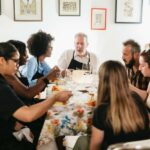
After cooking, you taste everything you prepared around the table. That’s one of the most satisfying parts of the experience because you see the payoff immediately. You’re not waiting for a restaurant plate that you don’t fully understand—you’re eating your own work while it’s still fresh and clearly at its best.
Beverages are included with tastings: water, a selection of local red and white wines, and coffee. Having wine included changes the rhythm in a good way. You’re more likely to slow down, talk through what you did, and enjoy the meal like a real dinner instead of a rushed activity.
This is also where you learn what “done” tastes like. Your Cesarina can guide you in how flavors should come through, and you get instant feedback from your own palate. It’s a practical way to build food memory, so later you’ll recognize the dish even when you’re cooking alone.
You can also read our reviews of more cooking classes in Milan

Price in Milan: Is $164.26 Worth It?
Let’s talk value, because private classes can be expensive and this one isn’t trying to pretend it’s cheap. At $164.26 per person for a 3-hour private session with tastings of three recipes and local wine, you’re paying for more than instruction.
You’re paying for:
- a certified home cook (the Cesarina model)
- ingredients and a prepared workstation
- three recipes worth of cooking time
- the full tasting experience (not just bites)
- a private, hosted dinner-at-home setting
For me, the math works best if you’re the kind of person who actually cooks when you travel, or if you’re going with someone and can keep the private format to just your group. It’s also great if you’ve done restaurant tours and want something that gives you lasting skills instead of photos.
Also, keep in mind the class requires at least 2 people to run. If you’re traveling as a couple or small group, that’s often a sweet spot for value. If you’re solo, you’ll want to check availability carefully so you’re not left out.
Timing and Timing Flexibility (How the 3 Hours Usually Works)
The class lasts about 3 hours, and while you’ll usually see a start around 10 AM and an end somewhere like 5 PM, it can be flexible based on your needs if you notify the organizer in advance. That’s helpful if you’re building a day around other Milan plans.
Because the experience is private and in a home, the pace feels more natural than a schedule stuffed into every minute. You’ll have time to cook, taste, and ask questions as you go. If you like to linger—food first, then everything else—that rhythm is the real perk.
If you prefer very rigid, clockwork itineraries, this might feel looser than a tour with a set sequence. But for most people, the flexibility is exactly why home cooking classes are memorable.
Dietary Needs and Language: Get What You Need
Dietary requirements can be catered for, but you have to confirm directly with the organizer after booking. That’s the right approach for a home-based class, because real substitutions depend on what’s available and what the Cesarina can comfortably prepare.
Language is also built in: the instructor speaks Italian and English. That means you can focus on technique and taste rather than translation gymnastics. You’ll get clearer explanations, and you’ll feel comfortable asking about steps while you cook.
One practical tip: if you have allergies or a strict dietary style, be specific. Don’t just say vegetarian or gluten-free; mention what you can’t eat and what you’re okay with, so your host can adjust the recipes properly.
Who This Works Best For (And Who Might Want to Skip)
This is ideal if you want a genuine local experience that’s more than a meal. I’d especially recommend it for people who love learning through hands-on cooking, or who want to bring something useful back home—skills, not just souvenirs.
It also fits well if you’re traveling with a partner or a small group and you want an intimate setting. A private class makes the whole evening feel like yours, with the attention staying on your group and your questions.
You might want a different option if you’re looking for a sightseeing-heavy day or if you want a large group energy. This is a home experience, so you’re choosing conversation, cooking, and table time over hopping from one landmark to another.
Should You Book This Milan Cooking Class?
I think you should book it if you want your Milan trip to include a real dinner story you can recreate. The combination of three local recipes, hands-on instruction, and tasting everything with local wines is hard to beat for a 3-hour private experience.
Book it especially if you love pasta and technique-based cooking. Past guests have highlighted that learning to make pasta and pick up practical methods made a lasting impression, and that’s exactly what you’re getting here: confidence you can use later.
Skip it if you only want a light, casual food bite and nothing more. This class is about working, cooking, and eating the results, so go in ready to roll up your sleeves.
FAQ
How long is the cooking class?
The class lasts about 3 hours. You’ll be able to check availability to see starting times.
Is this a private class?
Yes. It’s listed as a private group experience, with cooking done in a local home.
Where do we meet?
The experience takes place in a local family’s home. For privacy reasons, you receive the full address after booking, and the host contacts you with meeting instructions.
What will I cook?
You’ll cook three local recipes, and your Cesarina will share the tricks and techniques during the lesson.
Are drinks included?
Yes. Tastings include beverages such as water, local wines (red and white), and coffee.
Are ingredients and tools provided?
Yes. You’ll have a workstation equipped with utensils and all ingredients needed for the recipes.
Can dietary restrictions be accommodated?
Different dietary requirements can be catered for, but you need to confirm directly with the service organizer after booking.
What language is the instructor?
The instructor speaks Italian and English.
What if the group is too small?
At least 2 people are required for the activity to take place.