REVIEW · MILAN
Milan: SEGWAY Tour with Live Tourist Guide 3 hours & half
Book on GetYourGuide →Operated by Segway Bike Walk Tour CITY GUIDED TOUR · Bookable on GetYourGuide
Milan by Segway feels like a shortcut to the best sights. I like that this tour keeps the pace efficient with a live tourist guide and a small group size, so you get explanations as you glide between major landmarks. You cover a classic sweep of the center without the stop-and-go hassle of walking the whole loop.
One possible drawback: the time to get comfortable on the Segway can feel a bit short, especially with foot traffic around central Milan. If you’re new to two-wheel balancing, plan to slow down early and listen closely when your guide groups you back up.
In This Review
- Key Highlights You’ll Actually Care About
- Segway Milan With a Live Guide: The Real Value in 3.5 Hours
- Getting Rolling at Via Lecco 18: Safety, Helmet, and First-Minute Tips
- Castello Sforzesco and Parco Sempione: Milan’s Power, Then Its Pause
- Arco della Pace and La Triennale: A Neoclassical Landmark and a Creative Hub
- Sant’Ambrogio to Navigli: Patron Saint Energy to Canal-Side Milan
- Darsena Break and Porta Ticinese: Where History Meets Nightlife
- Piazza Scala to Palazzo Marino: Opera House Square Without the Rush
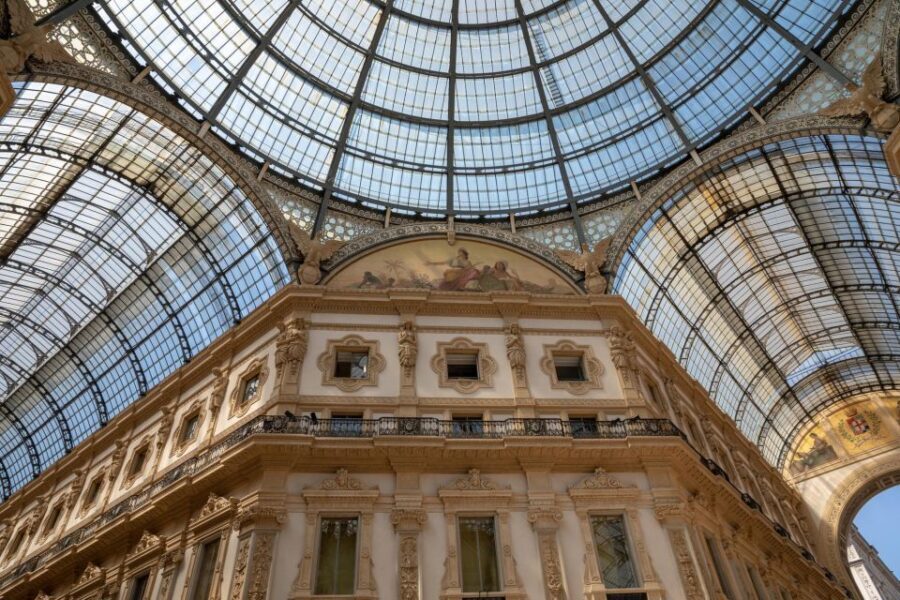
- Galleria Vittorio Emanuele II: The Elegant Passage You Glide Past
- Piazza Duomo and the Cathedral Area: Seeing the Center’s Gravity
- Brera District: Finishing With Art Streets Instead of a Straight Exit
- Price and Logistics: Is $88 Worth It for Milan’s Big-Sight Loop?
- Who Should Book (and Who Should Skip) This Segway Tour
- Should You Book This Segway Tour of Milan’s Historic Center?
- FAQ
- How long is the Segway tour in Milan?
- Where does the tour meet?
- What’s included in the price?
- Are Duomo or other attractions’ entrance fees included?
- What languages is the live guide available in?
- How big is the group?
- Who isn’t allowed to join the tour?
Key Highlights You’ll Actually Care About
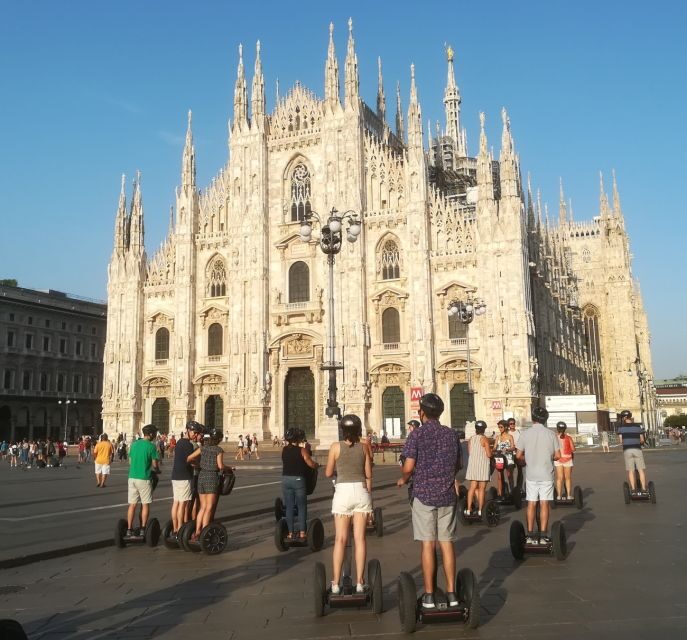
- Licensed live guide in French or English who explains what you’re seeing as you ride
- Small group (up to 10 people) for easier control and less crowd stress
- Big-sight route that strings together Sforza Castle, Parco Sempione, Duomo area, and Brera
- Helmet included, plus clear rules on footwear and staying sober
- Darsena di Milano break built into the route so you can reset and recharge
Segway Milan With a Live Guide: The Real Value in 3.5 Hours
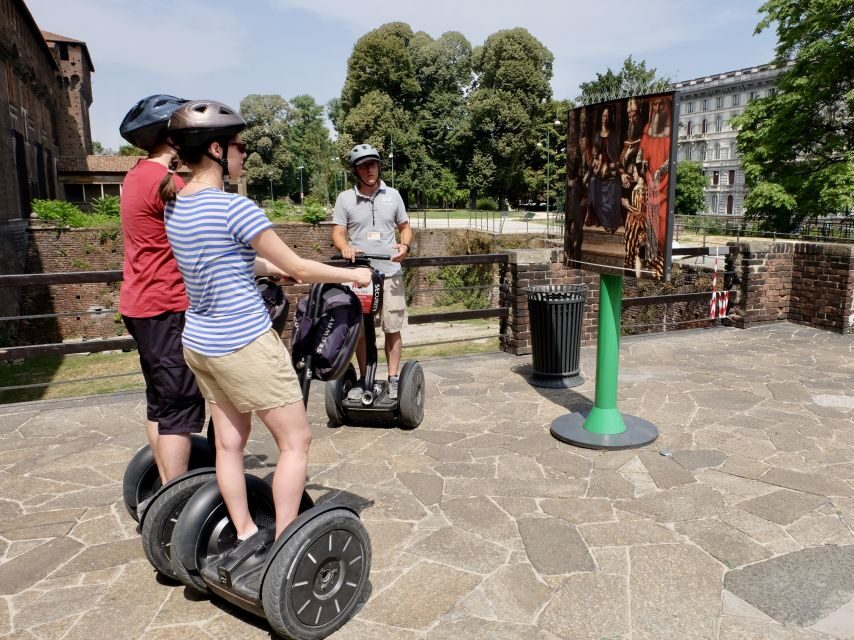
This is a practical way to see Milan’s headline sights without spending half the day in a walking marathon. A 3.5-hour Segway loop covers a lot of territory in the historic center, and the guide’s role matters because the city can look impressive but still feel confusing if you don’t have a thread to follow.
I also appreciate that the experience is built around clarity: you’re not just rushing from photo spot to photo spot. You get a running story about monuments and what they meant to Milan over time, which makes the landmarks feel less like random backdrops.
Price-wise, $88 per person is mid-range for a guided Segway tour, and the value comes from what’s included: a Segway ride, a live guide, and a helmet. Entrance tickets are not included, so if you want to go inside major sites, budget separately.
You can also read our reviews of more guided tours in Milan


Getting Rolling at Via Lecco 18: Safety, Helmet, and First-Minute Tips
Your meeting point is at Ciclofficina Cargo Bike, Via Lecco 18 (Milano). The start matters because Segway tours depend on quick setup and smooth rider behavior. You’ll have a helmet provided, and you should wear shoes that won’t slip.
A few rules are firm, and you’ll want to plan around them:
- No high-heeled shoes
- No intoxication
- No pregnant women
- Minimum/maximum weight limits: 45 kg to 115 kg
- Not suitable for people over 65 (and also not under 99 lbs / 45 kg)
If you meet those requirements, great. If you don’t, don’t fight it. A Segway tour is only fun when everyone can stay stable and alert.
Also, keep in mind that pedestrian congestion can slow the group down. Expect brief pauses and occasional regrouping, especially near busy squares and narrow streets. It’s part of touring Milan on wheels with real foot traffic, not a sign that something went wrong.
Castello Sforzesco and Parco Sempione: Milan’s Power, Then Its Pause
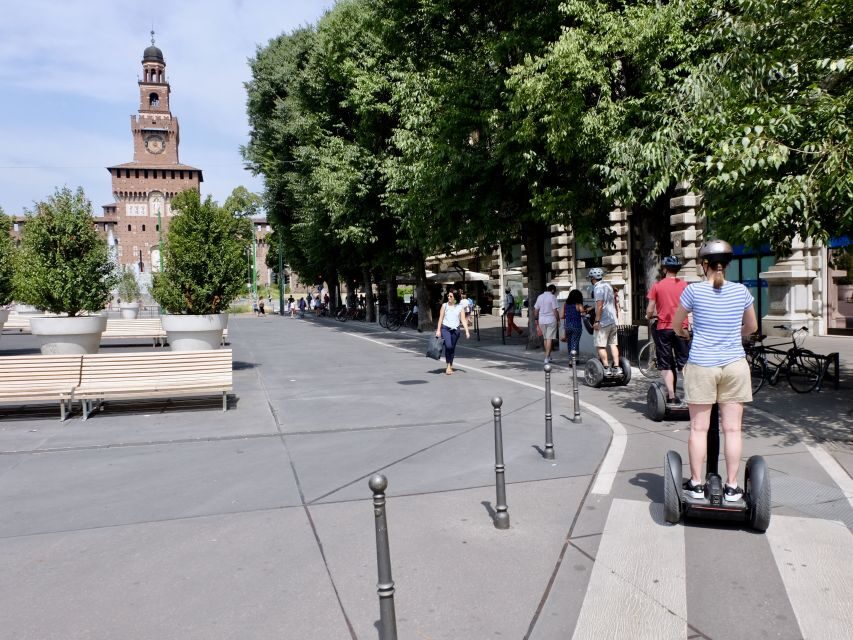
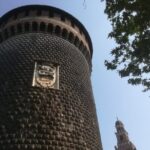
The tour typically begins with Castello Sforzesco, one of Milan’s biggest symbols. This castle isn’t just a scenic stop. It’s a useful anchor point because it helps you understand how Milan organized power, culture, and identity.
After that, you cross into Parco Sempione, which gives you a different Milan mood: open space after stone-and-street intensity. This is where the Segway really starts to feel like a smart choice. You can move efficiently without stressing your legs, and the greenery break helps the rest of the day feel more manageable.
Practical note: parks and open areas usually mean steadier routing and easier speed control. That’s helpful if you’re still getting comfortable, since you can practice your balance without constant stopping.
Arco della Pace and La Triennale: A Neoclassical Landmark and a Creative Hub
Next comes Arco della Pace, a striking neoclassical monument that reads like a city statement in stone. Even if you’re not a monuments person, the guide’s job is to connect it to why it’s here and what kind of Milan it represents.
From there, you reach La Triennale, known as a venue for exhibitions, conferences, and events tied to art and design. This stop is valuable because it broadens your Milan view beyond monuments and churches. It shows a side of the city that feels more modern and built for ideas—useful if your itinerary has only galleries or only historical sites.
On a Segway, these stops also work well because you can reposition quickly. You get views from angles that are harder to reach on foot without extra time.
Sant’Ambrogio to Navigli: Patron Saint Energy to Canal-Side Milan
You then visit Sant’Ambrogio, the church of Milan’s patron saint. This is the kind of stop where walking tours can leave you with questions like, what am I looking at? A good guide helps you understand why the city cares about this figure and how the religious landmark fits into Milan’s identity.
After that, the route shifts toward Navigli, famous for its canal system. The Navigli area is one of the best parts of Milan for atmosphere, and it’s a strong Segway match because you can cover the zone quickly while still enjoying the feel of the neighborhood.
The Darsena di Milano area also appears on the route. It’s historically tied to Milan’s mercantile past, and it’s a good place to slow down.
You can also read our reviews of more tours and experiences in Milan


Darsena Break and Porta Ticinese: Where History Meets Nightlife
You’ll get a break at Darsena di Milano, which is more than just rest time. It’s also a chance to reset your brain before the tour transitions into the densest sightseeing area of central Milan.
From there, you head toward the Porta Ticinese / Piazza XXIV Maggio area. This zone matters because it’s a different Milan flavor: not only traditional architecture, but also fashion, pop-culture energy, and nightlife. If you want Milan beyond the official postcard center, this section helps.
Two major church stops are part of this area, including Basilica of Sant’Eustorgio and Basilica of San Lorenzo. Even without going into every interior space, seeing these buildings in sequence helps you compare styles and understand the city’s spiritual footprint.
If you’re the type who likes cities with layers—old commerce, religious institutions, and modern street life—this is where your tour starts to feel like a real “Milan mix.”
Piazza Scala to Palazzo Marino: Opera House Square Without the Rush
The tour then moves into the heart-of-the-action zone around Piazza della Scala. Here you’ll see Palazzo Marino and the famous Teatro alla Scala, Milan’s opera house. This is one of those places where you can stand still and still feel the city’s tempo.
What makes this section worth doing by Segway is the pacing. You’re close to big façades and famous addresses, but you’re not spending too much time queuing or weaving through crowds on foot.
This is also where you’ll get that “top landmarks, not just top photos” effect. The guide’s storytelling helps you connect the opera house, civic buildings, and the squares into a single picture of Milan as a cultural and political center.
Galleria Vittorio Emanuele II: The Elegant Passage You Glide Past
Next is Galleria Vittorio Emanuele II, sometimes called the lounge of Milan. This is a famous covered passage, and it’s a satisfying stop because it changes the lighting and the vibe. If you’ve ever walked through stylish historic arcades in Europe, you know the feeling: it’s part shopping street, part social stage.
By Segway, it’s a bonus because you’re able to keep moving through the area while still taking in the architecture. It feels like you’re switching rooms inside the city.
Try not to rush your photos here. The structure is visually busy, and a minute spent looking upward can make the space feel less like a corridor and more like a designed experience.
Piazza Duomo and the Cathedral Area: Seeing the Center’s Gravity
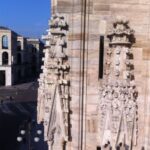
After the Galleria, you reach Piazza Duomo, the home base of Milan’s most famous cathedral. The route brings you into the big open space where the Duomo’s scale becomes obvious fast.
This is the point where a guided Segway tour shines. You’re not just arriving at the cathedral; you’re moving through the city’s most important squares in a way that helps you understand spatial relationships. You see how the Duomo sits at the center of Milan’s public life.
Note that attraction entrance fees are not included, so if you want any ticketed interior experiences, you’ll need to plan that separately. Still, the outdoor views and the square atmosphere are strong enough that this remains a highlight even without a formal entry.
Brera District: Finishing With Art Streets Instead of a Straight Exit
The tour ends by moving into Brera, one of Milan’s artistic neighborhoods. This finishing touch is smart because it shifts the mood from “big monumental center” to “slower streets and creative energy.”
Brera is a good closing chapter because it helps the whole day feel like more than a checklist. You’re able to wind down mentally after seeing major landmarks, and the neighborhood vibe makes Milan feel more lived-in.
When you’re done, you’ll ride back to Via Lecco 18, which helps keep the trip tidy instead of turning into a long return walk.
Price and Logistics: Is $88 Worth It for Milan’s Big-Sight Loop?
At $88 per person for 3.5 hours, you’re paying for three things: time, access to a fast-moving sightseeing method, and a live guide who explains what you’re looking at. Since your Segway ride and helmet are included, the price isn’t just for transport.
It is worth considering what isn’t included. Food and drinks aren’t included, so you’ll want to plan your meal around your schedule. Also, attraction entrance fees aren’t included, so if your plan includes ticketed interiors, your total budget may rise.
Given the route is built around major sights across the historic center, the value is strongest if:
- You want an organized overview on day one or two
- You prefer seeing many landmarks in one go
- You like history tied directly to places, not just general city facts
Who Should Book (and Who Should Skip) This Segway Tour
This tour is a great fit if you’re:
- Comfortable with basic balance work and want help through a guided route
- Interested in a broad sweep of Milan: castle, parks, canals, squares, cathedral area, and an artistic finish
- Looking for a small group format (up to 10), which makes it easier to manage and listen
It’s not a good fit if you:
- Are pregnant
- Are over 65
- Fall outside the weight range: under 45 kg or over 115 kg
- Can’t follow safety rules like avoiding intoxication
- Prefer walking only, since you’ll be on a Segway for most of the 3.5 hours
Also, if you’re extremely new to Segways, don’t expect a long practice phase before the sightseeing starts. Plan to go slow at the beginning and trust the guide’s pacing.
Should You Book This Segway Tour of Milan’s Historic Center?
I’d book this if you want a fast, guided overview that hits the city’s signature landmarks—Sforza Castle, the Duomo area, the Navigli, Scala square, and Brera—without turning your day into a leg-burning walk.
Skip it if any of the hard requirements are an issue (age limits, pregnancy, weight range, or sober riding rules). And if you’re highly sensitive to congestion stress, know that central Milan can mean brief slowdowns and occasional regrouping.
If you fit the requirements and you like the idea of combining history with movement, this is a smart use of a half-day in Milan.
FAQ
How long is the Segway tour in Milan?
The tour lasts about 3.5 hours.
Where does the tour meet?
You meet at Ciclofficina Cargo Bike, Via Lecco 18, Milano.
What’s included in the price?
The price includes a Segway tour, a live guide, and a helmet.
Are Duomo or other attractions’ entrance fees included?
No. Attraction entrance fees are not included.
What languages is the live guide available in?
The live guide speaks French and English.
How big is the group?
The tour is limited to a small group of up to 10 participants.
Who isn’t allowed to join the tour?
Pregnant women aren’t permitted. The tour also has weight limits (45 kg to 115 kg) and it’s not suitable for people over 65.