REVIEW · MILAN
Milan: Segway Tour with Local Tourist Guide Live – 3 hours & half
Book on Viator →Operated by City Guided Tour · Bookable on Viator
Segways change how you see a city fast. In Milan, this 3.5-hour ride is a practical way to cover real sights without burning time on slow walking, and the guide (often local Emilio) keeps the pace clear and fun. I especially like the mix of big landmarks and smaller layers of the city, and the fact you learn while you glide past places like Sforza Castle and the Duomo. One thing to consider: you need moderate physical fitness and you’ll spend some time getting comfortable on the Segway before you start cruising.
Expect a group kept to a maximum of 8, and you get helmet use plus a live local guide in English (or a multilingual guide). The tour is also built for good weather, so if the day is rough, your schedule can shift or you may be offered a different date or a full refund.
In This Review
- Key highlights at a glance
- Why a 3.5-hour Segway tour works so well in Milan
- Price and value: what $90.11 buys you (and what to watch)
- The Segway part: learning fast, riding safely
- Meeting point: a simple start, no maze required
- Brera District: art streets and palace history in the first stretch
- Arco della Pace and Parco Sempione: a neoclassical reset
- Castello Sforzesco: Milan’s big symbol, seen the easy way
- Basilica di Sant’Ambrogio: religious Milan with real local weight
- Roman traces of an imperial church: the archaeology in plain sight
- Darsena and the canal story: Milan’s water side
- Piazza Mercanti: medieval civic power in a small space
- Duomo Di Milano: the outdoor version that still hits hard
- Piazza della Scala: La Scala theater from the outside
- Galleria Vittorio Emanuele II: a shopping arcade with a sense of occasion
- What you really learn: Milan’s layers, not just a photo checklist
- How the tour timing fits your day (and when it might feel rushed)
- Who this tour suits best
- Should you book this Milan Segway tour?
- FAQ
- How long is the Milan Segway tour?
- How much does the tour cost?
- Is the tour in English?
- What’s included in the price?
- What is not included?
- What’s the maximum group size and fitness level needed?
Key highlights at a glance
- Local guide energy: You follow a route through Milan’s core and you get street-level context.
- Big sights without long dead time: You cover the Duomo area, La Scala frontage, and Sforza Castle in one smooth session.
- A canal stop built in: You get to the Darsena area, where Milan’s water history becomes real.
- Royal-meets-religious sightseeing: Brera, Sant’Ambrogio, and Roman traces all show different “Milan” sides.
- Small group feel: Max 8 travelers keeps it easier to manage on a Segway.
Why a 3.5-hour Segway tour works so well in Milan
Milan can feel like two cities at once. You’ve got the grand monuments that everyone photographs, and you’ve got the everyday streets where people actually live, work, shop, and argue about fashion. A Segway tour is a neat middle ground: it lets you reach key sights quickly, but you still move at a human pace right along the sights, not in a car behind glass.
This format matters because timing is everything in central Milan. In a few hours you can get a coherent sweep of the city center, then later you can return on foot for the details you care about most. The tour lasts about 3 hours 30 minutes, and it returns you back to the starting point, so your day stays easy to plan around.
You’re also not just “riding.” The guide is there to connect the dots. As you move through different neighborhoods, you’ll pick up why each area looks the way it does and what role it played in Milan’s story. That can turn a list of famous buildings into a map you actually understand.
You can also read our reviews of more guided tours in Milan


Price and value: what $90.11 buys you (and what to watch)
At $90.11 per person for roughly 3.5 hours, this isn’t the cheapest way to see Milan. But it’s paying for a few things that matter in a city like this: a live local guide, professional guiding, helmet use, and time saved compared with walking between far-flung landmarks.
You also get a small-group setup (up to 8), which is a big quality marker for Segway tours. When the group is controlled, the guide can adjust pace, help everyone get comfortable, and keep the ride safe when roads get busy.
What’s not included is equally important. Admission tickets are not included for the Duomo and La Scala stops, and there’s no food or drinks. If you’re hoping to go inside monuments, plan to budget separately for those tickets. The tour focuses on seeing key exteriors and learning from the streets, which is why it stays tight and efficient.
The Segway part: learning fast, riding safely
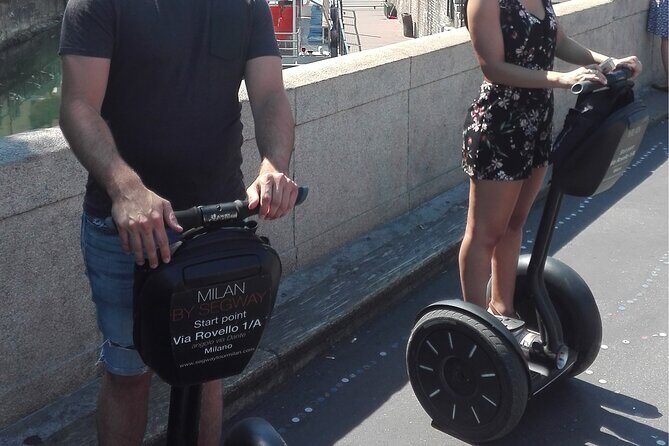
Segway tours only work if the start is handled well. Here’s the practical upside: you’ll have helmet use, and a professional guide manages the group so you’re not figuring out the machine while also trying to interpret traffic and streets.
The best part is the early “getting used to it” stage. You’re likely to spend some time adjusting at the beginning, and the guide’s job is to make that painless. Once you’re moving smoothly, you glide through Milan’s central area in a way that feels less tiring than walking and less confining than a bus.
A reasonable consideration: Segways are physical in a quiet way. You stand, you balance, you steer, and you keep control for short bursts in busier zones. If you have any discomfort with balancing or standing for extended periods, it’s smart to think about how you handle that kind of movement before booking. The tour specifically asks for moderate physical fitness, so plan for that.
Meeting point: a simple start, no maze required
You meet at Via Lecco, 18, 20124 Milano MI, Italy and the tour ends back at the meeting point. That round-trip setup is underrated. Milan streets can be confusing if you’re juggling multiple neighborhoods and landmarks, and starting and ending at the same spot keeps your logistics clean.
If you like having a clear base and avoiding last-minute transportation decisions, this format helps. You can treat this as your “orientation ride,” and then build the rest of your day with confidence.
Brera District: art streets and palace history in the first stretch
Your tour begins with the Brera District. This is a smart opening choice because Brera gives you a softer, more lived-in Milan feel before you hit the major monuments.
You’ll get a quick introduction to the history connected to the Brera palace and the district of artists. Even with only a short stop, it works because the guide can point out what makes Brera visually distinct and how it became tied to creativity. The quick length also helps you stay on schedule without turning the early part into a lecture marathon.
If you want to return later, Brera is the kind of place where you can wander for hours: side streets, small galleries, and the feeling that you’re watching Milan’s cultural life happen right on the pavement. Even if you don’t go inside anything on this stop, you leave with a mental anchor for what Brera “is.”
Potential downside: because the stop is short, you won’t get time to go deep on any single building. Think of this as a curated introduction, not a full neighborhood walk.
You can also read our reviews of more tours and experiences in Milan


Arco della Pace and Parco Sempione: a neoclassical reset
Next up is the Arco della Pace, the Peace Arch located in front of Parco Sempione. This is one of those Milan moments where the city flexes its formal, monumental side.
This stop is brief, but it’s a useful reset after Brera. You’re shown the arch as a neoclassical monument, and you get the context of where it sits and why it matters. Even if you only glance at the arch from the street, the guide’s explanation helps you see it as more than a photo backdrop.
If you’re into civic design and how cities plan space around major parks, this stop gives you a quick “systems view” of Milan: how monuments and green areas work together.
Castello Sforzesco: Milan’s big symbol, seen the easy way
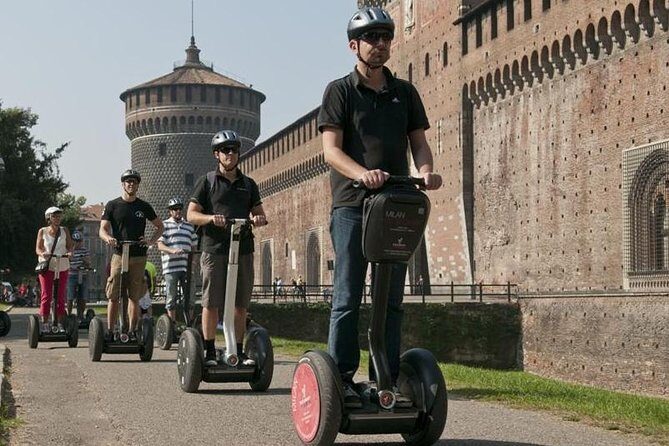
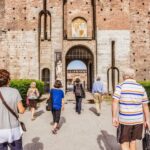
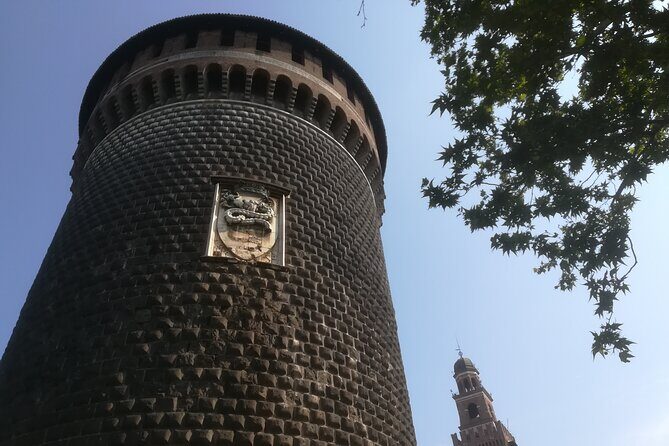
The tour then heads to Castello Sforzesco (Sforza Castle), one of the clearest symbols of Milan’s history. The stop is about 10 minutes, and it’s enough to register the scale and pick up the big-picture role of the castle.
What makes this stop valuable is the mix of “then and now.” The castle is historic, but it’s also a venue for important cultural institutions and is a tourist destination today. That means you’re not just seeing ruins or a decorative backdrop. You’re seeing a structure that still functions as a cultural hub.
Also, Sforza Castle is described as one of the largest castles in Europe, and seeing it up close from the Segway gives you a sense of mass that photos often miss. You get the exterior presence and the quick explanation of its place in Milan’s story.
One practical note: admission is free here, which can be a plus if you want to expand your visit. Still, the tour stop is short, so if you want to go inside, you’ll likely do that on another trip.
Basilica di Sant’Ambrogio: religious Milan with real local weight
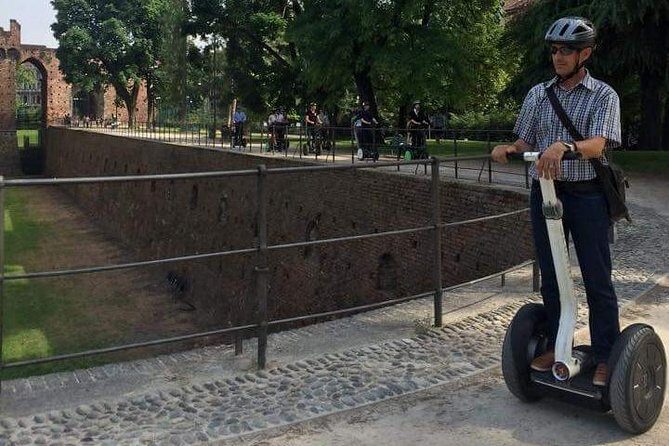
Then you arrive at Basilica di Sant’Ambrogio, described as the patron saint Roman Lombard church. This stop is around 15 minutes, and the extra time makes sense. Religious buildings often need a little more attention to absorb what you’re looking at.
Even from outside, you’ll feel why this church belongs in a “must-see” list for Milan. The guide connects it to Lombard identity and the idea of Milan’s religious character, which can be easy to overlook when you’re focused only on the Duomo.
If you prefer meaningful stops over nonstop spectacle, this is a highlight. It adds depth without being heavy-handed.
Possible drawback: if you’re expecting maximum interior time, this tour’s structure keeps things mostly outside and street-based.
Roman traces of an imperial church: the archaeology in plain sight
There’s a stop described as Roman traces of the Imperial church. This kind of moment is exactly where guided tours pay off. Milan’s past doesn’t always show up as a single grand monument; sometimes it’s traces, layers, and hints you only notice when someone points them out.
When you get a guided explanation, you start reading the city differently. A street corner becomes part of a timeline. A location you might otherwise walk past turns into evidence of how Milan changed over centuries.
The trade-off is time. You won’t spend hours here, but the payoff is that you leave with a “what to look for” mindset.
Darsena and the canal story: Milan’s water side
Next comes Darsena, described as the Navigli harbor of Milan’s canals. This is one of the most interesting stops on the route because it connects Milan’s geography to trade and building.
This is where you may discover how much the canals shaped life and work in the city. Even today, Darsena gives you a sensory sense of what it means for a city to have water-based connections. The guide also helps clarify what’s left and what’s changed, so you don’t walk away thinking the canals are just a scenic leftover.
You’ll also likely appreciate how this stop balances the religious and monumental sights with something more practical: movement, commerce, and the infrastructure of city life.
Potential drawback: the Darsena area can feel more open and breezy than some of the other stops, so wear layers if you’re visiting in cooler months.
Piazza Mercanti: medieval civic power in a small space
You’ll then visit Piazza Mercanti, described as a medieval square that served as the ancient municipal administration. This is the kind of stop that makes you feel like you’re seeing governance history, not just architecture.
The square is small enough to handle quickly on a Segway route, but it’s a powerful reminder: Milan wasn’t always about grand cathedrals and fashion. It also ran on civic decisions made in public spaces.
The guide’s explanation helps you connect what you see to how cities functioned. Even without visiting a museum, you can walk away with a better sense of why Milan looks the way it does.
Duomo Di Milano: the outdoor version that still hits hard
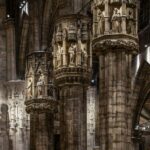
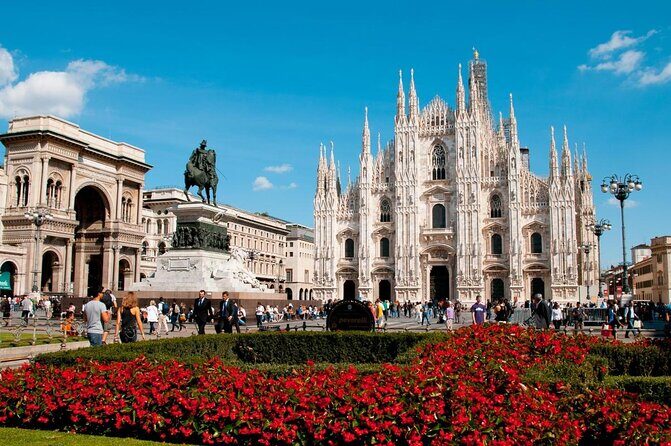
Next is the Duomo di Milano. The tour frames it as the imposing cathedral seen outdoors, and the stop is about 10 minutes. Admission is noted as not included for this part, so the tour focus is exterior views and learning from the square.
This is a smart move for a Segway day. The Duomo area is where you’ll likely want time, space, and maybe photos, but it can also be time-consuming to handle ticket lines and entrances. By keeping the tour outside, you still get the impact of the cathedral’s scale without derailing the full route.
You can also benefit from the guide’s pointers for what to notice around the plaza. That’s where your “orientation” payoff kicks in. You start understanding which facades and angles matter, and you’ll know where to return if you want a deeper look later.
One more practical note: if you’re planning to go inside the Duomo on a later day, this is an excellent first look. You’ll be familiar with what you’re walking up to.
Piazza della Scala: La Scala theater from the outside
You’ll pass through Piazza della Scala, where you’ll see the external view of La Scala and Palazzo Marino. This stop is short, around 5 minutes, and admission is not included.
But the value here isn’t ticketed entry. It’s context. The guide helps frame La Scala as a cultural landmark tied to Milan’s identity. Even if you don’t go inside, the exterior setting does something buses can’t: it keeps you close to the architecture and the feel of the square.
If your focus is music and performance history, this stop is a solid signpost. It tells you where to return if you want to explore further.
Galleria Vittorio Emanuele II: a shopping arcade with a sense of occasion
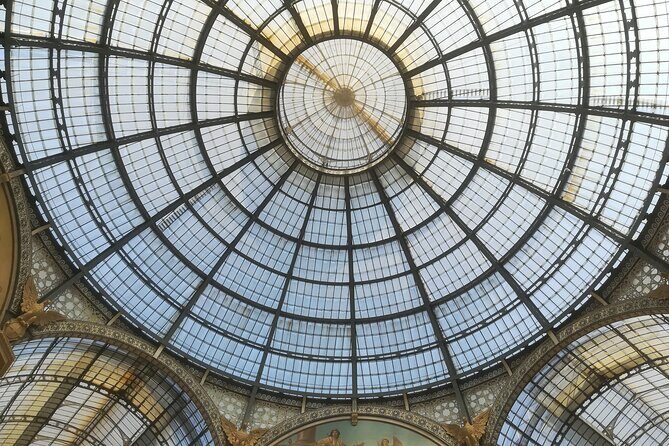
The last named sight is Galleria Vittorio Emanuele II, a luxury shopping arcade created at the end of the 19th century. This stop is about 5 minutes and admission is free.
This is a fun landing point because it’s a change of pace from religious and political architecture. It’s also one of those places where you can do a quick look and still feel the scale and design ambition. The guide’s context makes it easier to appreciate why it became such an important space.
Even if you don’t plan to shop, it’s worth walking slowly inside the arcade area just to see how the city’s style shifts here.
What you really learn: Milan’s layers, not just a photo checklist
A good guide doesn’t just list sights. The guide turns movement into learning.
From Segway glide to Segway glide, you’ll typically pick up three kinds of knowledge:
First, you’ll learn how Milan’s major symbols connect to each other. Sforza Castle, civic squares like Piazza Mercanti, and religious anchors like Sant’Ambrogio all point to different eras and priorities.
Second, you’ll learn how neighborhoods build identity. Brera’s artist district story gives you a softer cultural thread that complements the heavyweights.
Third, you’ll learn how the city’s geography shaped daily life. The Darsena and canals stop makes Milan feel less like a postcard and more like a working city that moved goods and people.
That’s why this tour works even if you only have a day or two. You end with a mental map and a list of places you’ll want to revisit slowly.
How the tour timing fits your day (and when it might feel rushed)
The total time is about 3 hours 30 minutes, with multiple stops ranging from 5 to 15 minutes. That schedule is built for coverage and momentum. You won’t linger for long, so if you love sitting and staring, you’ll want to follow up after the tour with self-guided time.
If you’re traveling in a tight schedule, that quick pace can actually feel freeing. You get a fast orientation, and you avoid decision fatigue early on. You’ll know what’s worth your time later.
If you’re visiting Milan specifically for slow museum days or long interior sightseeing, this Segway tour should be a supplement, not the whole plan. Think of it as the “set your bearings” portion of your trip.
Who this tour suits best
This tour is a strong match if you want:
- A first-day orientation to Milan’s core sights
- An active but not exhausting way to move between landmarks
- A guided explanation in English (or a multilingual guide)
- A small group experience with a maximum of 8 people
It’s also appealing if you’re someone who likes your highlights with enough street context to make them meaningful. The stops include Sforza Castle, Duomo area views, La Scala frontage, plus canal and civic sites, so you’re not trapped in one theme.
If you want tickets and long interior visits built into the tour, you may find the outdoor focus frustrating. Remember: Duomo and La Scala admission aren’t included, and the stops are designed to keep the day moving.
Should you book this Milan Segway tour?
I’d book it if you want an efficient, guided way to see a lot of Milan without turning your day into a series of crowded lines and slow transfers. The combination of major landmarks plus smaller, story-rich stops makes it feel like more than just a fun ride.
I wouldn’t book it if you’re looking for deep interior time at the Duomo or La Scala, or if balancing on a Segway for a few stretches would be uncomfortable for you. Also, since the tour requires good weather, plan for flexibility.
If your goal is to get up close to the city center and understand how Milan became Milan, this is a solid way to do it in one afternoon-length block.
FAQ
How long is the Milan Segway tour?
The tour lasts about 3 hours 30 minutes.
How much does the tour cost?
It costs $90.11 per person.
Is the tour in English?
Yes, it is offered in English. A multilingual guide may operate the tour as well.
What’s included in the price?
Included are a local guide, a professional guide, and use of a helmet.
What is not included?
Food and drinks, hotel pickup and drop-off, and transportation to/from attractions are not included. Admission tickets are also not included for some stops like the Duomo and La Scala.
What’s the maximum group size and fitness level needed?
The tour has a maximum of 8 travelers and requires moderate physical fitness.