REVIEW · MILAN
Milan: Street Art Tour of Ortica, Milan’s open air museum
Book on GetYourGuide →Operated by Tour in Milan · Bookable on GetYourGuide
Street art in Milan is more than decoration. In Ortica, it turns backstreets into a living open-air storybook. You get guided context on how graffiti grew from rebellion into public culture, then you actually walk the neighborhood shaped by industry, rail lines, and the Lambro River.
I especially love how the tour connects art to place. Ortica went from an isolated working-class fringe to Milan’s first open-air museum district, and you feel that shift while you’re walking. I also like the small-group size (up to 8), which makes it easier to ask questions and get specific explanations about what you’re seeing.
One possible drawback: the focus is on murals and major works, so if you’re hoping for lots of street art on tons of facades or a very art-heavy block-by-block crawl, you might want to set expectations accordingly.
In This Review
- Why Ortica Feels Like Milan’s Open-Air Museum
- What You’ll Do on the Walk (and Why Each Stop Matters)
- Meeting at Argonne, Then Quick Orientation
- Main Ortica Walk: 45 Minutes of Murals + Meaning
- A Photo Stop That’s Actually Useful
- Short Free Time: Catch the Vibe, Not Just the Paint
- Two More Guided Segments: Details, Then a Final Viewpoint
- Or.Me Project and Orticanoodles: The Story Behind the Walls
- The Guide Makes the Difference (Lucy and Luca as Examples)
- Price and Time: Is $49 Good Value for Two Hours?
- What to Wear, How to Photograph, and How to Be a Good Guest
- Who This Tour Fits Best
- Should You Book This Ortica Street Art Tour?
- FAQ
- How long is the Ortica street art tour?
- How much does the tour cost?
- Where do I meet the guide?
- What language is the tour guide?
- Is the tour wheelchair accessible?
- What is the maximum group size?
- Are transportation to and from the tour included?
- Is food and drinks included?
- Is photography allowed?
- FAQ
- What should I wear for the tour?
- Can the tour be rescheduled if weather is bad?
- Is there free cancellation?
Why Ortica Feels Like Milan’s Open-Air Museum
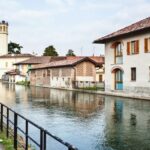
Ortica has the kind of geography that naturally breeds big visual statements: viaducts, railway tracks, and the winding course of the Lambro River. This is not a polished postcard neighborhood. It’s a district with history in the walls, and that matters because street art here isn’t just about aesthetics. It’s about memory, identity, and community change.
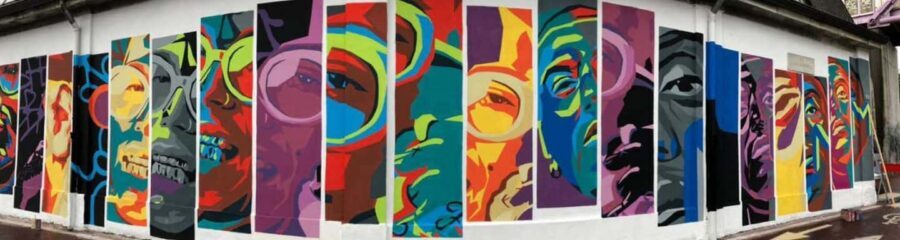
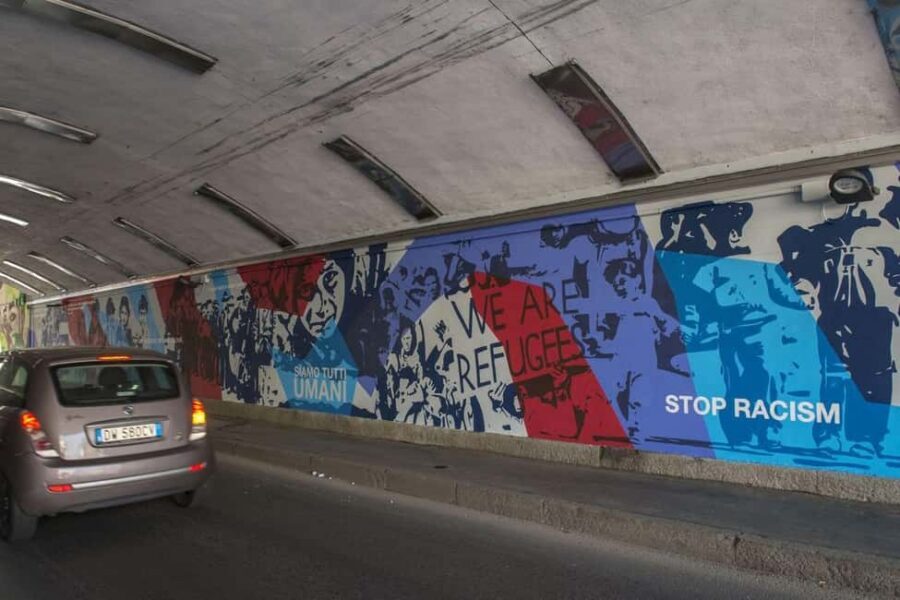
The centerpiece is the Or.Me Project (O rtica Memoria), created by the local artist collective Orticanoodles. Over 20 large-scale murals tell the collective memory of Milan—workers, heroes, musicians, activists, and figures that history often forgets. You’re not just looking at color on plaster. You’re reading a neighborhood’s sense of itself, panel by panel, mural by mural.
And because it’s an actual neighborhood—not a theme park—your tour also gives you a reality check. Public art can reshape how people feel about where they live. It can also change how visitors move through the city. That’s the point of Ortica: you see urban regeneration in action, not just in brochures.
What You’ll Do on the Walk (and Why Each Stop Matters)
This is a two-hour, guided street art route with a smooth pacing: orientation at the start, the main neighborhood storytelling, then photo time and a final viewpoint moment. You’ll walk on local streets, looking at murals up close, with enough pauses that you can actually take photos and process what you’re seeing.
You can also read our reviews of more museum experiences in Milan
Meeting at Argonne, Then Quick Orientation
You meet outside the metro stop Argonne (line 4). The guide is there with the agency logo, so it’s fairly straightforward to spot the right person. The first 15 minutes are essentially setup time—getting you oriented to the neighborhood and the kind of street art language you’ll be hearing as you go.
This matters more than it sounds. Street art can be hard to read if you don’t know what you’re looking for: technique choices, symbolism, and the shift from underground graffiti culture to recognized public art. A good guide helps you notice details fast—like how lettering style, composition, and location combine to carry meaning.
Main Ortica Walk: 45 Minutes of Murals + Meaning
The core of the tour is the guided exploration in Ortica for 45 minutes. This is where you hunt for the most creative, evocative, and significant street art works, and where the guide’s explanations turn scenes into stories.
You’ll hear about the history and origins of street art in Milan—how it developed, how it spread, and how today’s artists use different techniques and styles. The tour also links the Or.Me murals to specific themes in Milan’s memory: anti-fascist partisans, jazz legends, factory workers, and feminist icons, among others. Even if you’re not an art expert, these references help you place each mural in a wider social context.
A Photo Stop That’s Actually Useful
Next comes a photo stop (10 minutes). This isn’t random time to wander. It’s time to step back, frame shots, and photograph murals without rushing. If you care about photos, this is where you’ll get the cleanest angles—especially before the route continues deeper into backstreets.
If you’re traveling with a camera phone, a quick tip: hold still long enough for focus. Murals often sit on textured walls, and your phone may hunt for sharpness if you’re moving.
Short Free Time: Catch the Vibe, Not Just the Paint
You then get 10 minutes of free time in Ortica. I like this break because it gives you breathing room to look at what the guide already pointed out, and also to notice things the guide can’t possibly cover in every corner.
This is also a good moment to check your bearings. Ortica’s streets and lanes can feel a little winding (and that’s part of the charm). Use this short pause to re-orient and decide what you want to see again in photos.
You can also read our reviews of more tours and experiences in Milan
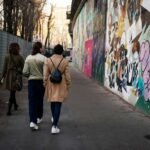
Two More Guided Segments: Details, Then a Final Viewpoint
After the free time, the tour continues with two guided stretches: 20 minutes and then 10 minutes. These segments typically work like a story arc. The guide helps you see the evolution of street art—from underground rebellion to something Milan recognizes and incorporates into public culture—while showing how the neighborhood’s transformation changes what street art can be.
Finally, there’s a viewpoint photo stop (10 minutes). Even if you don’t love views for the sake of views, this stop is helpful because it gives you scale. You start to see how murals sit within the broader neighborhood pattern, not as isolated artworks but as part of the district’s visual identity.
Or.Me Project and Orticanoodles: The Story Behind the Walls
The Or.Me Project (O rtica Memoria) is the reason this tour is more than a walk past cool paintings. It’s a community storytelling effort, driven by Orticanoodles, that turns public space into shared memory.
What makes it interesting for visitors is that the murals aren’t presented as distant art objects. The project involves local residents, and that changes the tone. You’re not looking at street art dropped into the neighborhood. You’re seeing street art that’s supposed to reflect and reinforce local identity.
Across more than 20 murals, you’ll encounter themes connected to Milan’s real people and real history—workers and labor, musicians and culture scenes, activists and political memory, and women’s stories and feminist icons. When a guide links a mural’s imagery to that kind of background, it becomes easier to understand why street art can function like public history.
This is the part I think you’ll remember after the photos fade. The tour teaches you to read street art like a message board, a newspaper, and a mural gallery—at the same time.
The Guide Makes the Difference (Lucy and Luca as Examples)
A street art tour lives or dies by the guide. Here, you’ll meet an English-speaking local guide who can make the art understandable without turning it into a lecture.
From past experiences with this format, guides like Lucy and Luca stand out. Lucy is described as professional and enthusiastic, and that energy matters because street art can feel intense. Luca is noted as informative and easy to chat with, which is exactly what you want on a walking tour: answers that feel like conversation, not a slideshow.
If you like asking questions, this small-group setup (up to 8 people) gives you that chance. You’re not shouting over crowds or trying to catch up while everyone else forms one slow line.
Price and Time: Is $49 Good Value for Two Hours?
At $49 per person for a 2-hour small-group walk, this sits in the mid-range for a guided experience in Milan. The value comes from three things you don’t get from a self-guided photo hunt:
First, you get a focused route through Ortica rather than random wandering. Second, you get context on the history and techniques of street art in Milan, which helps you interpret what you’re seeing. Third, you get the Or.Me Project explained in a way that connects murals to memory and community change.
Food and drinks aren’t included, and transportation to and from the activity isn’t included either—so you’ll want to plan your timing around that. Still, if you’re in the city for a short trip, two hours is a very workable chunk of time for a neighborhood-focused cultural experience.
What to Wear, How to Photograph, and How to Be a Good Guest
Street art tours are simple, but they still require a bit of real-world travel sense.
Wear comfortable shoes. Ortica is walked streets and backstreets, so you’ll want grip and cushioning. Check the weather forecast, because the tour can be rescheduled in case of bad weather.
Photography is encouraged, but be respectful. That means don’t climb, don’t block pedestrian routes, and don’t treat residents’ spaces like a stage. If you keep the neighborhood feeling normal while you take pictures, the whole experience stays better—for you and for the place.
Who This Tour Fits Best
This one is ideal if you:
- Like street art with context, not just visuals
- Want to understand how a neighborhood can change through public art
- Prefer small groups and an English guide who can answer questions
- Are curious about Milan beyond the obvious cathedral-and-duomo circuit
It may not be the best match if you mainly want a long, exhaustive street art checklist with constant new finds every few steps. This route is thoughtfully timed, so the focus lands on key works and the story connecting them.
Should You Book This Ortica Street Art Tour?
Yes—if you want Milan street art with meaning and you like learning while you walk. The Or.Me Project and the Orticanoodles connection give this tour a real backbone, and the pacing works for most visitors: orientation, the main mural storyline, then photo and viewpoint moments.
Book it especially if you’re the type who enjoys asking questions and you want your photos to come with explanations you’ll actually remember. If you’re going in expecting a pure photo scavenger hunt with no interpretation, you might feel the emphasis is too story-driven. But for most travelers, that’s exactly the point: Ortica isn’t just art on walls. It’s a neighborhood telling its own history.
FAQ
How long is the Ortica street art tour?
The tour lasts 2 hours.
How much does the tour cost?
It costs $49 per person.
Where do I meet the guide?
You meet outside metro stop Argonne (line 4).
What language is the tour guide?
The tour guide speaks English.
Is the tour wheelchair accessible?
Yes, the tour is wheelchair accessible.
What is the maximum group size?
The group is limited to 8 participants.
Are transportation to and from the tour included?
No, transportation is not included.
Is food and drinks included?
No, food and drinks are not included.
Is photography allowed?
Photography is encouraged.
FAQ
What should I wear for the tour?
Wear comfortable shoes for walking and dress for the weather.
Can the tour be rescheduled if weather is bad?
Yes, the tour may be rescheduled in case of bad weather.
Is there free cancellation?
Yes, you can cancel up to 24 hours in advance for a full refund.