REVIEW · MILAN
The Secret Milan – An Exclusive Stroll Beyond the Beaten Path
Book on Viator →Operated by FollowMI Around · Bookable on Viator
Milan gets quiet if you know where to look. This 2-hour, small-group stroll trades the usual photo stops for secret corners and surprisingly peaceful streets, ending with time to relax in the Indro Montanelli Public Gardens. I especially love how the guide points out details you’d miss on your own, from architecture in side streets to the oddball charm of the Quadrilatero del Silenzio.
I also like that it’s not just pretty scenery; it’s history you can see and feel as you walk, with stops like Piazza San Fedele and its statue of Alessandro Manzoni. One drawback to consider: the experience is timed to an afternoon start, so if you prefer slower mornings or have tight mobility on foot, you’ll want to plan your day around the 3:00 pm start.
In This Review
- Key highlights at a glance
- Starting at Piazza San Fedele: a 3:00 pm launch into quieter Milan
- Piazza San Fedele: the philosopher statue and the story behind the stillness
- Quadrilatero della Moda (Quad d’Oro): palaces and courtyards behind the fashion windows
- Quadrilatero del Silenzio: flamingos, art nouveau, and finding the quiet on purpose
- Porta Venezia and Giardini Pubblici: the local Milan reset, not the tourist wrap-up
- The guide makes it: English, private pace, and answers that stay useful
- Price and value: is $102.58 for two hours a smart use of time?
- What you’ll remember (and how to keep the good parts going)
- Should you book The Secret Milan stroll?
- FAQ
- How long is The Secret Milan tour?
- Where does the tour start and where does it end?
- Is the tour offered in English?
- Is this a private tour?
- What’s included in the price?
- Is free cancellation available?
Key highlights at a glance
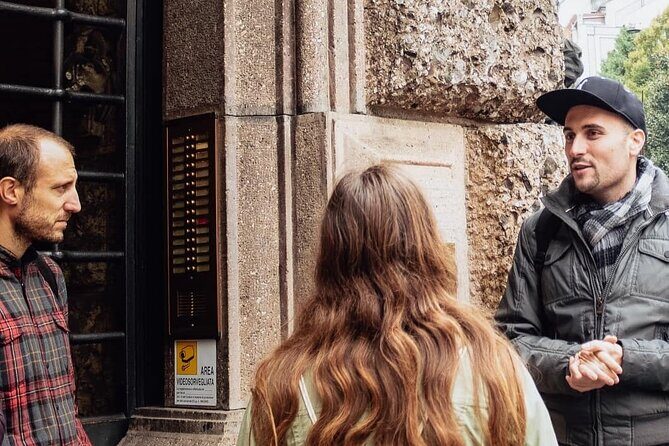
- Piazza San Fedele + Alessandro Manzoni story: a calm square with a dramatic twist the guide explains in context.
- Quadrilatero della Moda (Quad d’Oro): elegant palaces and courtyards tucked behind the fashion shopping zone.
- Quadrilatero del Silenzio and real flamingos: a quiet pocket near the glamour, where the calm is the point.
- Porta Venezia as a reset neighborhood: 19th-century boulevards, cafés, parks, and local energy instead of museum-mode sightseeing.
- Private, small-group feel: only your group joins, so questions don’t get lost in the shuffle.
- English mobile ticket + tips map: easy to use, and you leave with something helpful for your own wandering.
Starting at Piazza San Fedele: a 3:00 pm launch into quieter Milan
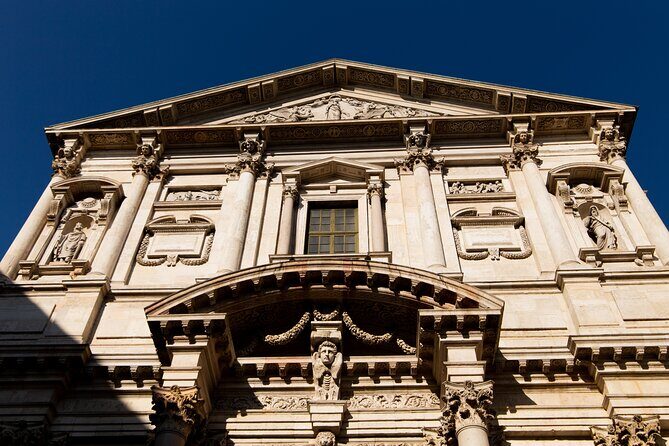
This tour hits Milan at a great moment: you start at 3:00 pm, when some of the day crowds start shifting and the city feels more human. The pacing is ideal for a “see a lot, get oriented fast” afternoon—about 2 hours, enough time to change neighborhoods without turning it into an all-day march.
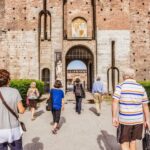
Your walk begins at Piazza San Fedele, right between the big visual draws of central Milan and the fashion district energy. That location matters. You don’t stay trapped in the most obvious tourist magnet; you step out of it almost immediately and learn how Milan’s calmer spaces hide in plain sight.
Because it’s a private experience for just your group, the guide can tailor attention to what you care about—architecture, neighborhood life, or those oddly specific places like a quiet passage with flamingos. If you’re traveling with friends or family and want personal explanations instead of a lecture, this setup is a strong fit.
One more practical note: the tour includes a tips map but not snacks. If you’re the type who gets hungry mid-walk, bring a small bite and water so you can enjoy the stops without feeling rushed.
You can also read our reviews of more tours and experiences in Milan.
Piazza San Fedele: the philosopher statue and the story behind the stillness
Piazza San Fedele is the first “wait, what?” stop. From the outside it looks like a pleasant city square, but the guide makes it feel like a scene with stakes—especially around the statue of philosopher Alessandro Manzoni at the center.
Here’s the fun detail you’ll hear: the guide explains that Alessandro Manzoni fell right here in front of the church, and this accident led to his death. It’s the kind of story that turns a quiet place into a memorable one. You stop looking at the square as scenery and start treating it like a real slice of Milan’s life.
The vibe is intentionally pause-friendly. The square is calm enough for casual conversation, reading, or simply taking a break from the push and pull of the nearby fashion district. Even if you arrive thinking you’ll just “walk through,” this stop slows you down in the best way.
A small consideration: because this is a short stop, don’t expect a long rest. It’s more like a reset button—helpful, but quick—so keep your energy for what comes next.
Quadrilatero della Moda (Quad d’Oro): palaces and courtyards behind the fashion windows
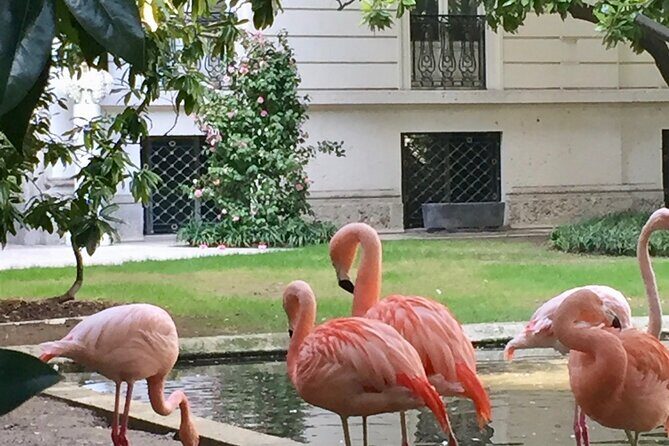
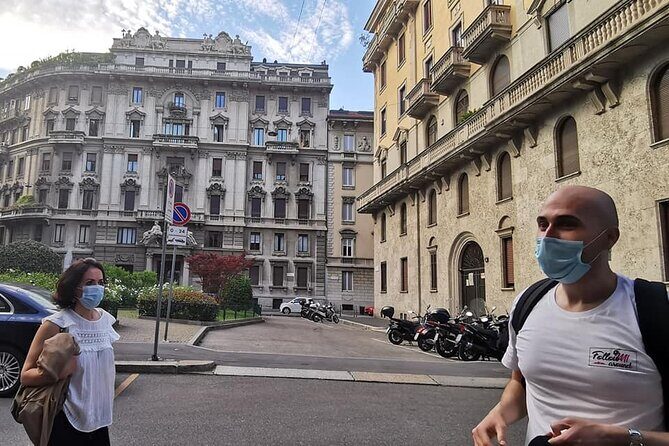
Then you shift from the calm square energy into the Quadrilatero della Moda, also known as Quad d’Oro. This is the fashion-palace corridor people know from glossy shopping streets, but the tour’s angle is different: you focus on the architecture and the quieter in-between spaces.
The best part isn’t the loud storefronts—it’s what you get beside them. You take a leisurely walk past historic palaces and learn how side streets and courtyards hold their own beauty when you’re not stuck staring at shop windows. Think of it as fashion district training for your eyes: you learn what to notice when you walk there on your own later.
You also get a sense of how Milan mixes “world-class shopping” with everyday city structure. The facades can be dramatic, but the true drama is often in details—shape, alignment, the feel of entrances, and the way streets funnel you toward places most people rush past.
Potential drawback: if you’re hoping for major inside access (like museum-style interiors), this stop is more about the urban show—how the buildings behave on the street and why the area feels grand even without ticketed attractions.
The good news: admission at these stops is free, so you’re not stacking costs on top of a short experience.
Quadrilatero del Silenzio: flamingos, art nouveau, and finding the quiet on purpose
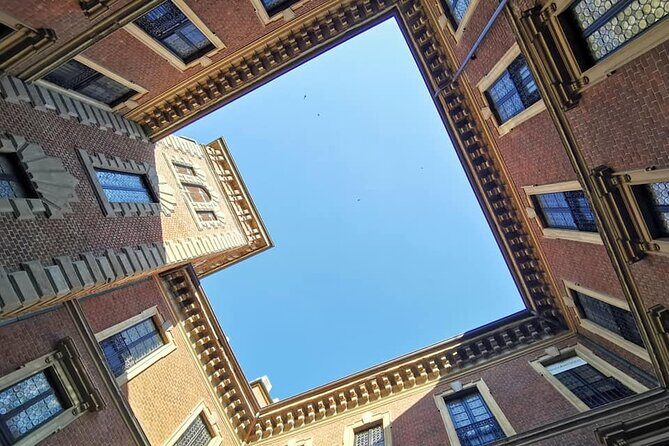
Next comes the stop that sounds like a joke until you see it: Quadrilatero del Silenzio. This corner is described as Milan’s quietest surprise—right near the high-end fashion chaos, but with a completely different mood the moment you turn in.
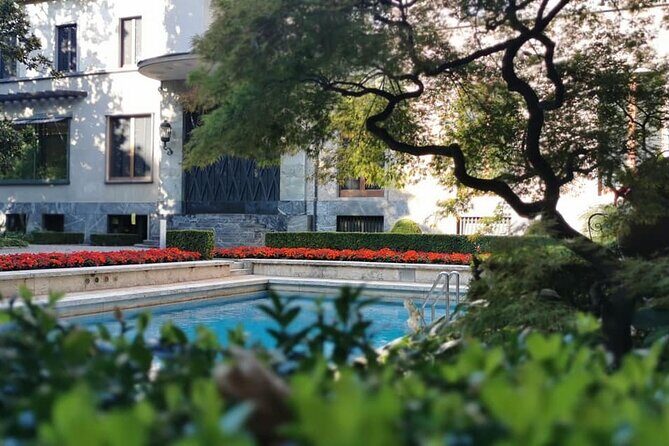
The guide frames it as a place where you come to breathe. You’ll notice art nouveau villas and hidden-garden feel spaces that make the area feel like a different city entirely. And then there’s the signature detail: actual flamingos live there.
If that sounds like a gimmick, it’s only partly that. The real point is how the setting encourages slowing down. You stop, look around, and realize you’re surrounded by calm in the middle of a neighborhood most people experience at full speed. The humor in it helps too—silence with a splash of whimsy.
There’s one practical tip to keep in mind: the flamingos may not be obvious from the most photographed angle. One guide-directed moment can make a huge difference. If you’ve seen promo photos and can’t figure out where the birds are, ask—your guide can direct you to where you should look.
How long is this stop? Around 20 minutes, which is long enough to find your bearings and still feel like you’re in control. Don’t try to rush it, even if you’re tempted. This is the kind of place where the value is in noticing.
Porta Venezia and Giardini Pubblici: the local Milan reset, not the tourist wrap-up
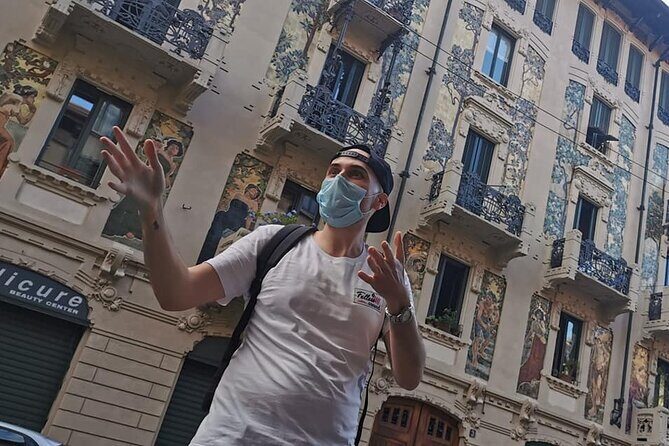
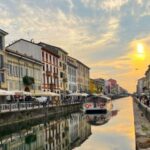
By the time you reach Porta Venezia, you’re ready for something more lived-in. This neighborhood mixes stately 19th-century buildings and grand boulevards with leafy parks, cool cafés, vintage shops, and bar life that feels open-minded rather than staged.
The guide paints it with everyday rhythm. In the morning, locals jog through Giardini Pubblici. Later, the mood shifts toward sipping natural wine and hanging out. You get that sense of Milan as a working city, not a theme park.
This is also where the tour includes time to relax in Indro Montanelli Public Gardens at the end. That matters more than it sounds. Walking tours can feel like nonstop “look, look, look.” Here, you get a decompression stop so your brain has a chance to settle. You can sit, regroup, and decide what you want to repeat later on your own.
A drawback consideration: Porta Venezia can be more active than the earlier stops, so if you’re sensitive to noise or prefer ultra-quiet areas, spend your relaxation time intentionally—choose a calmer path or bench rather than hovering near busier intersections.
If you’re planning your Milan days, this ending location is also a good springboard. You finish in a neighborhood that’s not just scenic; it’s functional for food and wandering afterward.

The guide makes it: English, private pace, and answers that stay useful
What really elevates this kind of walk is not the map—it’s the person holding the story together. The tour runs in English, and you’ll have a guide who can connect architectural details to why they matter in the city.
In particular, the guides associated with this experience—Marco and Simon—come through in a very consistent way: they’re attentive, answer questions clearly, and keep the tour flexible for the group. Even when your curiosity goes off script, you’ll still get an answer that fits what you’re seeing right then.
Because it’s private (just your group), you also avoid the awkward dynamic of a big tour where questions get cut off. I like that you can ask follow-ups without watching the guide’s timing like a hawk.
One more thing: the tour includes a tips map. That’s a small extra, but it signals the experience is designed to help you keep exploring after the walk ends—not only during it.
If your travel style is “show me where locals breathe” instead of “hand me a checklist,” this guide-led format is a strong match.
Price and value: is $102.58 for two hours a smart use of time?
At $102.58 per person for about 2 hours, this isn’t a bargain-basement walking tour. The value comes from three practical places: attention, exclusivity, and time-saving orientation in areas most people don’t slow down in.
First, the private setup usually means more direct interaction. In a city like Milan—where architecture details matter and side streets can change the whole feel of your walk—that personal guidance can save you from wandering aimlessly.
Second, the stop selection is built around variety: a philosopher’s square, fashion palaces and courtyards, a quiet pocket with flamingos, and then a neighborhood that feels like daily life. That range is exactly what you want when you have limited hours.
Third, the stops don’t add admission costs (the tour’s stop descriptions show free access at each point). So you’re not paying extra on top of the price while you’re moving quickly between sights.
What I’d pack to make it feel worth it: comfortable shoes, a bottle of water, and a small snack since snacks aren’t included. Also, if flamingos are a priority for you, keep a curious mindset. Ask where to look so you don’t miss them.
What you’ll remember (and how to keep the good parts going)
This kind of tour is designed to change how you walk around Milan afterward. After seeing Piazza San Fedele’s story and learning what makes Quadrilatero della Moda feel grand beyond the storefronts, you’ll start noticing the city’s “in-between” spaces.
You’ll also remember the contrast: high fashion on one side, true quiet on the other, then a local neighborhood reset. That shift is more memorable than any single landmark because it teaches you how Milan is structured—where glamour ends and everyday life begins.
When the tour ends near Porta Venezia and the public gardens, you’re not left stranded with nothing to do. You’re in an area where it makes sense to continue: café stop, stroll through parks, or a relaxed wander while your feet are still happy.
If you want to use the tips map, treat it like a prompt, not a strict route. Pick one suggestion and go slow. The real pay-off of this experience is that you’ll understand what you’re seeing, not just where to stand for a photo.
Should you book The Secret Milan stroll?
Book it if you want Milan that feels less scripted. This experience is a great fit for couples, small friend groups, and anyone who likes architecture plus real neighborhood mood. The 4.9 rating and strong recommendation rate suggest the format works for people who appreciate pace, explanations, and the satisfaction of seeing Milan’s calmer side.
Skip it if your idea of a walking tour is ticketed interiors, long rests, or early-morning starts. This one is about walking, noticing, and shifting neighborhoods in a focused afternoon window.
If your schedule allows and you’re excited by the idea of quiet courtyards, art nouveau corners, and yes, flamingos, this is a smart use of time in Milan.
FAQ
How long is The Secret Milan tour?
It runs for about 2 hours.
Where does the tour start and where does it end?
It starts at Piazza San Fedele in Milan and ends in the Porta Venezia area.
Is the tour offered in English?
Yes, it’s offered in English.
Is this a private tour?
Yes. Only your group will participate.
What’s included in the price?
The included item listed is a tips map. Snacks are not included.
Is free cancellation available?
Yes. You can cancel up to 24 hours in advance for a full refund.