REVIEW · MILAN
3 Italian sparkling wines and how to distinguish them: Prosecco, Franciacorta..
Book on Viator →Operated by Milano Wine Affair · Bookable on Viator
Italian sparkling wine can look simple. Then you learn the method—and it suddenly isn’t. This Milan class takes you through Prosecco, Franciacorta, and a third style built on a different fermentation approach so you can tell them apart without memorizing fancy labels.
I like how it’s taught in plain language, with the kind of terms that matter when you’re buying a bottle. I also like the structure: three wines, three methods, and clear takeaways like what “perlage” and “dosage” do to what’s in your glass.
One thing to consider: two hours is tight. You’ll learn a lot, but you’re tasting only three styles—so if you want a huge lineup or a long sit-down, you may want a longer wine tour option.
In This Review
- Key takeaways before you go
- Starting at Piazza Fontana: Timing and vibe for a 2-hour bubble session
- The real magic: how fermentation methods shape the bubbles
- Prosecco and Franciacorta: what to look for when you’re shopping
- Dosage and perlage: the two terms that make you a better taster
- What the 2-hour tasting feels like, step by step
- Views and setting: small bonus, real atmosphere
- Price and value in real terms (and who benefits most)
- Possible drawback: three wines, not a full tour of everything
- Should you book Milano Wine Affair’s sparkling wine class?
- FAQ
- Where does the experience start?
- What time does the tour begin?
- How long is the experience?
- Is it a private tour?
- What language is the tour offered in?
- What will I be tasting?
- Is there an age requirement for alcohol?
- Are service animals allowed?
- How does cancellation work?
Key takeaways before you go

- Prosecco vs Franciacorta becomes easy once you understand the method behind the bubbles
- Perlage and dosage are not trivia; they’re your quick “quality/style” tools
- You’ll practice with your senses: sight, smell, taste, and how bubbles change the feel
- You get a guided, private-style format with room for beginner questions
- Milan views from the tasting spot add a nice bonus to the lesson
- Cornelia’s teaching style works even if you’re new to wine terms
Starting at Piazza Fontana: Timing and vibe for a 2-hour bubble session
Your tour starts at Piazza Fontana in central Milan, and it ends back there. That’s a big deal, because you’re not spending your evening commuting across town. You get a focused lesson that fits nicely into a travel day that’s already full.
The start time is 5:00 pm, which is smart for a tasting experience. In that late-afternoon window, Milan tends to feel less hectic than mid-day, and you can enjoy a calmer pace before dinner plans. Based on the experience format and what I’d expect from the setting, you’ll likely be tasting where you can also take in views of the city.
It’s also offered in English, and the experience is private—only your group participates. That matters if you want to ask questions without feeling rushed or competing with a loud crowd. Add in the mobile ticket, and the logistics are straightforward.
Price is $112.38 per person for about 2 hours. When you’re comparing experiences, think of it less as “paying for three sips” and more as paying for a guided crash-course you can carry into every future wine shop stop.
You can also read our reviews of more wine tours in Milan
The real magic: how fermentation methods shape the bubbles
This tour isn’t about memorizing origins. It’s about understanding why bubbles behave the way they do. You’ll taste three sparkling wines made with three different production approaches, and you’ll learn the key terms that explain the differences.
Here’s the core idea you’ll pick up quickly: the method controls where the second fermentation happens. That then affects bubble size, persistence, aroma development, and how dry or rounded the final wine feels.
You’ll cover:
- Ancestral style (the more “old-world” approach, often with a different bubble character)
- Martinotti / Charmat method (common for fresher, fruit-forward styles)
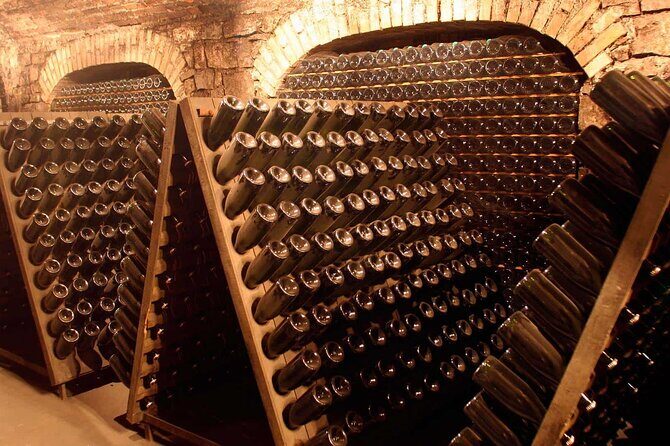
- Traditional method / classic method (often associated with more refined, layered sparkling complexity)
As the lesson goes, you’ll also see why price isn’t random. Even when wines share a region or a label style, the production choices influence time, handling, and the kind of flavor profile you’ll get.
In plain terms: if you can spot the method, you can predict what the bottle will feel like in your mouth before the cork even pops.
Prosecco and Franciacorta: what to look for when you’re shopping
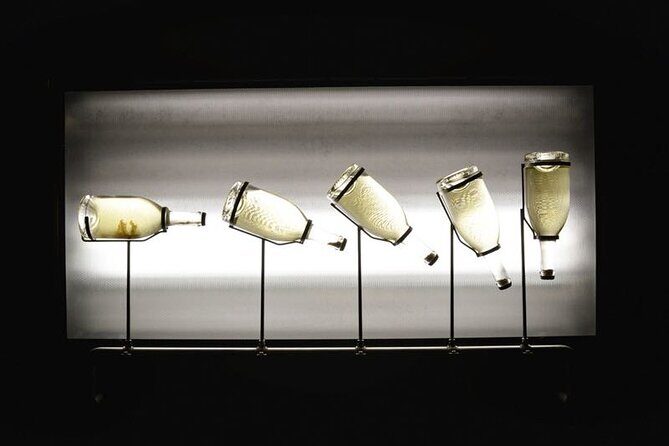
You’ll focus on Prosecco and Franciacorta as two of Italy’s most recognizable sparkling names, and the best part is learning how to distinguish them by style cues—not marketing.
In a class like this, you don’t just taste. You learn a repeatable checklist for what to watch for.
For Prosecco, the biggest lesson is usually that Charmat-style production tends to prioritize freshness. That often shows up as a bright, fruit-leaning character and a lighter feel in the glass. The bubbles often feel quick and lively rather than slow and creamy.
For Franciacorta, the traditional method is the key. Those bottles typically aim for more structure and development—more “bread-and-toast,” more layering, and a more persistent, detailed bubble feel when you sip.
Now, the class is careful not to make this a cartoon. Both can be excellent. You’ll learn how quality can show up even when styles are different, and how to avoid judging purely by sweetness or by the first aroma you notice.
If you’re the kind of person who usually says, I like it, but I can’t explain why, this is exactly the kind of tour that fixes that.
Dosage and perlage: the two terms that make you a better taster
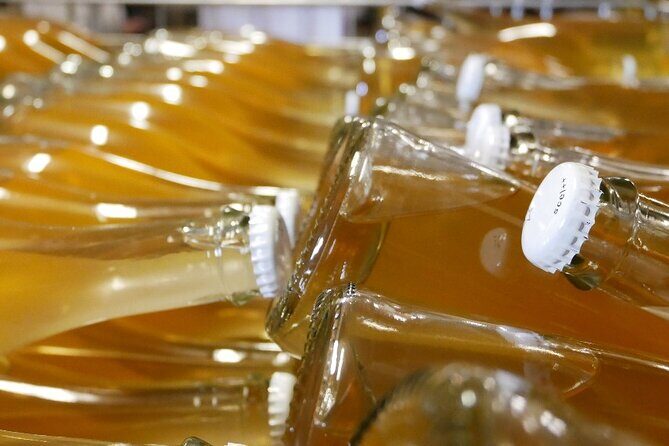
This is where the tour earns its keep. You’ll learn the terms dosage and perlage and why they matter during tasting.
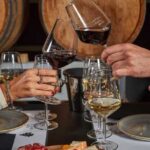
Perlage is simply the bubble character—how fine the bubbles look and how they behave as you drink. In practical terms, you’ll be paying attention to:
- bubble size in the glass
- how long the sparkle keeps going
- whether the texture feels crisp or more rounded
Dosage relates to sweetness balance in the finished wine. Even if two wines are both sparkling, dosage can change how dry the wine feels and how quickly fruit or toast notes come through. When you understand dosage, you stop tasting “random sweetness” and start tasting balance as a deliberate choice.
You’ll also learn Charmat method and classic method (traditional method) as real explanations, not just labels. That helps you connect what you taste to how it was made.
And one subtle takeaway that’s easy to miss: your senses guide you. When the host walks you through how to notice bubble texture and balance, you learn to trust your palate instead of relying on a score or a rating.
What the 2-hour tasting feels like, step by step
You’ll meet at Piazza Fontana and then move through the experience in an easy, guided flow. The tour is designed for learning, but it doesn’t feel like a classroom where you’re stuck taking notes.
A typical rhythm in this kind of tasting looks like:
- quick introduction to what makes sparkling wine tricky (and fun)
- first pours to anchor the styles
- tasting and discussion using the method terms as your guideposts
- building your own “how to tell them apart” toolkit
- time for questions and clarification as you go
You’ll taste three wines, each tied to a different method. Then you’ll connect what you notice—like bubble texture and taste balance—to what the production choices likely did.
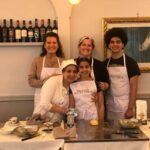
This is also where Cornelia’s approach stands out from the feedback you’ll hear around the tour: she’s described as passionate about teaching, and she makes it easy to ask even beginner questions. That matters because sparkling wine can intimidate people who feel they need to know grape varieties or complex jargon before they’re allowed to enjoy it.
The lesson works because it translates wine language into sensory results. You learn how to connect the word perlage to how the wine feels on your tongue.
Views and setting: small bonus, real atmosphere
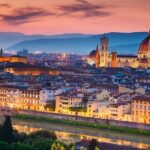
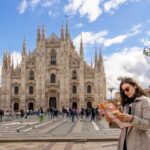
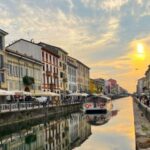
Wine classes can be sterile. This one, at least in the way it’s been described, adds something extra: a chance to enjoy Milan views from the tasting location.
That doesn’t replace the wine education. But it does change the mood. You’re not trapped in a windowless room. You get a sense of place. And when you’re learning something that’s new—like spotting bubbles by method—an enjoyable setting helps you stay focused and relaxed.
It’s a small thing, but it’s the kind of small thing that makes the experience feel like more than a quick purchase-and-go tasting.
Price and value in real terms (and who benefits most)
At $112.38 per person for about 2 hours, you’re paying for:
- guided instruction in English
- a tasting of three sparkling wines
- the “how to distinguish them” framework (not just sipping)
If you break the math down, that’s roughly $37 per wine pour, before you even count the teaching. That’s not cheap, but it’s not overpriced for a private, structured format where you’re learning tasting cues you’ll actually use later.
The value gets stronger if you’re someone who:
- loves Prosecco and wants to understand what makes quality better
- feels tired of standard wine tastings that stay surface-level
- wants a short experience that still teaches
- travels solo and appreciates a tour that’s set up for questions
Based on the feedback, this class also works for beginners. You don’t need to walk in with a wine vocabulary already built. If you can taste what you like, you can learn why you like it here.
Possible drawback: three wines, not a full tour of everything
The main trade-off is simple: you’re tasting only three sparkling styles. That’s great for clarity. It’s also limiting if you wanted a broader range of regions or a long, slow evening.
Also, because it’s a tasting experience, it’s subject to Italy’s drinking age rules. If you’re not 18, you won’t be served alcoholic beverages.
If those points don’t bother you, this is a strong option. If you want something where you can sample a big variety of producers or stay for hours, look for a longer-format tasting.
Should you book Milano Wine Affair’s sparkling wine class?
Book it if you want a practical skill, not a lecture. This is one of those experiences where you can leave with a mental checklist for future shopping: how to interpret perlage, how to think about dosage, and how production method connects to what you taste.
You should especially consider it if you’re heading to wine shops and restaurants after your arrival in Milan. A tasting like this can turn your next bottle choice from guesswork into confident selection.
Skip it if you’re looking for a massive itinerary or a multi-region crawl that takes hours and hours. This is short, focused, and designed for learning fast.
If you want to walk into a wine store and actually know what you’re buying, this one earns its place on your Milan list.
FAQ
Where does the experience start?
It starts at Piazza Fontana, 20122 Milano MI, Italy.
What time does the tour begin?
The start time is 5:00 pm.
How long is the experience?
It lasts about 2 hours.
Is it a private tour?
Yes. It’s a private tour/activity, and only your group will participate.
What language is the tour offered in?
The experience is offered in English.
What will I be tasting?
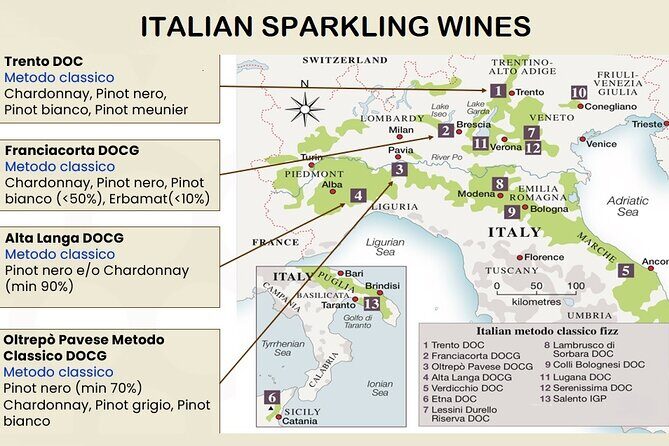
You’ll taste three Italian sparkling wines made with different methods, including styles such as Prosecco and Franciacorta, and you’ll learn how to distinguish them by method.
Is there an age requirement for alcohol?
In Italy, the legal drinking age is 18. Customers who haven’t reached it will not be served alcoholic beverages.
Are service animals allowed?
Yes. Service animals are allowed.
How does cancellation work?
You can cancel for free up to 24 hours in advance for a full refund.